Lucy Palmer
When comparing the health impacts of a Bloody Mary versus beer, several factors come into play. A Bloody Mary, typically made with vodka, tomato juice, and various spices and flavorings, can offer some nutritional benefits due to its vegetable content. However, it also tends to be higher in sodium and calories compared to beer. Beer, on the other hand, is lower in calories and sodium but lacks the vegetable-derived nutrients found in a Bloody Mary. Additionally, the alcohol content in a Bloody Mary can be higher than in a standard beer, which is an important consideration for overall health. Ultimately, moderation is key with any alcoholic beverage, and individual health conditions and dietary needs should be taken into account when making a choice between the two.
Explore related products


What You'll Learn
- Nutritional Content: Compare the vitamins, minerals, and calories in Bloody Marys versus beer
- Alcohol Content: Analyze the alcohol by volume (ABV) and its effects in both drinks
- Ingredient Quality: Evaluate the healthiness of ingredients like tomato juice, spices, and beer
- Hydration Impact: Discuss how each beverage affects hydration levels due to their ingredients
- Moderation and Consumption: Provide guidelines on moderate consumption and potential health risks of overconsumption

Nutritional Content: Compare the vitamins, minerals, and calories in Bloody Marys versus beer
A Bloody Mary typically contains a variety of ingredients, including tomato juice, vodka, Worcestershire sauce, hot sauce, and various spices and garnishes. This cocktail is often touted as a hangover remedy due to its savory flavor profile and the presence of certain nutrients. On the other hand, beer is a popular alcoholic beverage made from fermented grains, primarily barley, and flavored with hops. When comparing the nutritional content of these two drinks, it's essential to consider their vitamin, mineral, and calorie content.
In terms of vitamins, Bloody Marys contain a significant amount of vitamin C from the tomato juice, as well as smaller amounts of other vitamins such as vitamin A and B vitamins. Beer, on the other hand, contains some B vitamins, particularly niacin and riboflavin, but generally has lower vitamin content compared to Bloody Marys.
Regarding minerals, Bloody Marys are a good source of potassium and sodium, primarily from the tomato juice and Worcestershire sauce. Beer contains some minerals, including potassium, magnesium, and phosphorus, but the amounts are generally lower than those found in Bloody Marys.
When it comes to calories, the content can vary significantly depending on the specific ingredients and portion sizes. However, a typical Bloody Mary can range from 100 to 200 calories, while a standard 12-ounce beer contains around 150 calories. It's important to note that the calorie content of Bloody Marys can increase substantially if high-calorie mixers or garnishes are used.
In conclusion, while Bloody Marys may contain more vitamins and minerals than beer, their higher calorie content and potential for added sugars and sodium should be taken into consideration when evaluating their overall healthiness. As with any alcoholic beverage, moderation is key, and individuals should be mindful of their personal dietary needs and preferences when choosing between these two options.
Seltzer vs. Beer: Unraveling the Healthier Choice Debate
You may want to see also
Explore related products


Alcohol Content: Analyze the alcohol by volume (ABV) and its effects in both drinks
The alcohol content of a beverage is a critical factor in determining its health impact. Bloody Marys typically have a higher alcohol by volume (ABV) than beer due to the addition of spirits like vodka. A standard Bloody Mary can range from 10% to 15% ABV, while most beers fall between 4% and 6% ABV. This significant difference in alcohol concentration can lead to varying effects on the body.
Higher ABV drinks like Bloody Marys can result in quicker intoxication, which may lead to impaired judgment and increased risk of accidents or injuries. Additionally, the body metabolizes alcohol at a relatively constant rate, so consuming a drink with a higher ABV can lead to a longer period of intoxication compared to a lower ABV drink like beer.
However, it's essential to consider the serving size and total alcohol consumption. While a single Bloody Mary may have a higher ABV, it's often served in a smaller volume compared to a standard beer. This means that the total amount of alcohol consumed from a Bloody Mary might be less than that from a beer, potentially mitigating some of the negative health effects associated with higher ABV.
Moreover, the ingredients in a Bloody Mary, such as tomato juice and various spices, can provide some nutritional benefits that beer lacks. Tomato juice is rich in vitamins A and C, potassium, and antioxidants like lycopene. These nutrients can help support immune function and overall health.
In conclusion, while Bloody Marys have a higher ABV than beer, which can lead to quicker intoxication and potential health risks, the total alcohol consumption and the nutritional benefits of the ingredients must also be considered when comparing the health impacts of these two drinks.
Seltzer vs. Beer: Unraveling the Healthier Choice Debate
You may want to see also
Explore related products

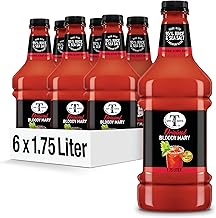


Ingredient Quality: Evaluate the healthiness of ingredients like tomato juice, spices, and beer
Tomato juice, a primary ingredient in Bloody Marys, is rich in vitamins A and C, potassium, and the antioxidant lycopene, which has been linked to reduced risk of heart disease and certain cancers. However, commercial tomato juices often contain added sugars and sodium, which can negate some of these health benefits. Spices such as black pepper, cayenne pepper, and paprika, commonly used in Bloody Mary recipes, have anti-inflammatory properties and can aid in digestion. These spices are generally considered healthy additions to the drink.
Beer, on the other hand, is an alcoholic beverage that, when consumed in moderation, may offer some health benefits such as improved heart health due to its antioxidant content. However, excessive alcohol consumption can lead to numerous health issues including liver damage, increased risk of certain cancers, and addiction. The calorie content of beer can also contribute to weight gain if not balanced with a healthy diet and regular exercise.
When evaluating the healthiness of a Bloody Mary versus beer, it's important to consider the overall nutritional profile of each drink. A Bloody Mary made with fresh tomato juice, spices, and a moderate amount of alcohol can be a more nutritious choice compared to a standard beer. However, the addition of high-calorie mixers or excessive amounts of alcohol can quickly turn a seemingly healthy drink into a less desirable option.
In conclusion, the healthiness of a Bloody Mary largely depends on the quality and quantity of its ingredients. Opting for fresh, low-sodium tomato juice, using spices in moderation, and limiting the amount of alcohol can make this cocktail a healthier alternative to beer. As with any alcoholic beverage, moderation is key to reaping the potential health benefits while minimizing the risks.
Exploring the Nutritional Value of Beer Brats: A Health Guide
You may want to see also
Explore related products


Hydration Impact: Discuss how each beverage affects hydration levels due to their ingredients
The hydration impact of beverages is a critical factor to consider when comparing their health benefits. Bloody Marys, made with tomato juice, vodka, and various spices, can have a diuretic effect due to the alcohol content, potentially leading to dehydration if consumed in excess. However, the tomato juice in Bloody Marys does contribute some hydration benefits, as it is primarily water-based. Additionally, the spices used, such as horseradish and hot sauce, may stimulate the production of saliva, which can aid in hydration.
On the other hand, beer, which is also an alcoholic beverage, can have a similar dehydrating effect due to its alcohol content. However, the hydration impact of beer can vary depending on its ingredients and brewing process. Some beers, particularly those with higher water content and lower alcohol by volume (ABV), may contribute more to hydration than others. For example, a light lager with a lower ABV may have a less dehydrating effect compared to a strong ale or stout.
When comparing the hydration impact of Bloody Marys and beer, it is essential to consider the specific ingredients and their quantities in each beverage. A Bloody Mary with a higher proportion of tomato juice and lower alcohol content may be more hydrating than a beer with a high ABV. Conversely, a beer with a lower ABV and higher water content may be more hydrating than a Bloody Mary with a high alcohol content and minimal tomato juice.
In conclusion, the hydration impact of Bloody Marys and beer depends on various factors, including alcohol content, water content, and the presence of other hydrating ingredients. While both beverages can have dehydrating effects due to their alcohol content, the specific ingredients and their quantities play a significant role in determining their overall hydration impact.
Exploring the Health Benefits of Amber Beers: A Nutritional Guide
You may want to see also
Explore related products


Moderation and Consumption: Provide guidelines on moderate consumption and potential health risks of overconsumption
While Bloody Marys and beer both contain alcohol, their health impacts differ significantly when consumed in moderation or excess. Moderate alcohol consumption is generally defined as up to one drink per day for women and up to two drinks per day for men. Within these limits, some studies suggest that moderate alcohol intake may have certain health benefits, such as reduced risk of heart disease. However, it's crucial to note that these potential benefits do not outweigh the risks associated with excessive drinking. Overconsumption of alcohol, regardless of the beverage type, can lead to a myriad of health issues including liver damage, increased risk of certain cancers, and impaired cognitive function.
When comparing Bloody Marys to beer, it's important to consider the additional ingredients in a Bloody Mary, such as tomato juice, spices, and garnishes, which can contribute to its nutritional value. Tomato juice, for instance, is rich in vitamins A and C, potassium, and antioxidants like lycopene. However, the high sodium content in some Bloody Mary mixes and garnishes can be a concern for those monitoring their salt intake. On the other hand, beer typically contains fewer calories and less sodium than a Bloody Mary but offers minimal nutritional benefits beyond trace amounts of certain vitamins and minerals.
In terms of moderation, it's essential to be mindful of the alcohol content in both beverages. A standard Bloody Mary can contain anywhere from 1.5 to 3 ounces of alcohol, depending on the recipe, while a typical beer contains about 12 ounces of liquid with 4-6% alcohol by volume. To maintain moderation, individuals should be aware of their limits and consume these beverages responsibly, taking into account factors such as age, weight, and overall health.
For those who choose to consume Bloody Marys or beer, it's advisable to do so in moderation and to be aware of the potential health risks associated with overconsumption. Strategies for moderate drinking include setting limits on the number of drinks consumed in a sitting, alternating alcoholic beverages with non-alcoholic ones, and avoiding drinking on an empty stomach. Additionally, individuals should consider their personal health conditions and consult with a healthcare professional if they have concerns about their alcohol consumption.
In conclusion, while both Bloody Marys and beer can be enjoyed in moderation, it's crucial to be aware of their respective health impacts and to consume them responsibly. By understanding the nutritional content and alcohol levels of these beverages, individuals can make informed choices about their consumption and minimize the potential health risks associated with excessive drinking.
Exploring the Nutritional Benefits of Beer Bread: A Healthy Twist?
You may want to see also
Frequently asked questions
Comparing the healthiness of a Bloody Mary to beer is complex as it depends on the ingredients and portion sizes. A standard Bloody Mary can contain more calories and sodium than a typical beer due to the tomato juice, spices, and garnishes. However, it may also offer some nutritional benefits from the vegetables and spices used. Moderation is key for both beverages.
The main ingredients in a Bloody Mary that contribute to its calorie count include tomato juice, vodka, Worcestershire sauce, hot sauce, horseradish, celery salt, black pepper, and garnishes like celery sticks and olives. The calorie content can vary significantly based on the specific brands and amounts of these ingredients used.
To make a healthier version of a Bloody Mary, consider using fresh, low-sodium tomato juice, reducing the amount of vodka or using a lower-calorie spirit, and limiting high-calorie garnishes. You can also increase the vegetable content by adding more celery, carrots, or bell peppers, and using herbs and spices for flavor instead of high-sodium sauces.