Harmony Chandler
Chelada beers, a popular beverage in many parts of the world, are made by combining beer with various ingredients such as lime juice, salt, and spices. While they can be a refreshing choice, especially in warm climates, it's important to consider their nutritional content and potential health effects. Cheladas typically contain the same amount of alcohol as regular beer, which should be consumed in moderation. The added lime juice can provide a boost of vitamin C, but the salt content may be a concern for those monitoring their sodium intake. Additionally, some chelada recipes include high-calorie mixers or sugary additives that can increase the drink's overall calorie count. As with any alcoholic beverage, it's crucial to enjoy chelada beers responsibly and in balance with a healthy diet and lifestyle.
| Characteristics | Values |
|---|---|
| Ingredients | Chelada beers typically contain lime juice, salt, and beer. Some variations may include additional spices or flavorings. |
| Calories | A standard chelada beer (12 oz) can range from 100 to 150 calories, depending on the beer used and additional ingredients. |
| Alcohol Content | The alcohol content varies based on the beer used in the chelada. Typically, it ranges from 4% to 6% ABV. |
| Nutritional Value | Chelada beers offer minimal nutritional benefits. They are primarily a source of carbohydrates and alcohol. |
| Health Benefits | Some proponents argue that the lime juice in chelada beers can provide vitamin C, but the amount is generally not significant. |
| Health Risks | Consuming chelada beers in excess can lead to alcohol-related health issues, including liver damage, increased calorie intake, and potential dehydration due to the diuretic effects of alcohol. |
| Comparison to Other Beers | Compared to regular beers, chelada beers may have slightly fewer calories due to the dilution effect of the lime juice and other mixers. However, the alcohol content remains similar. |
| Recommended Consumption | As with all alcoholic beverages, moderation is key. Health guidelines recommend limiting alcohol intake to one drink per day for women and two drinks per day for men. |
| Pregnancy and Alcohol | Pregnant women are advised to avoid all alcoholic beverages, including chelada beers, due to the risk of fetal alcohol syndrome. |
| Interactions with Medications | Alcohol can interact with various medications, potentially reducing their effectiveness or causing adverse effects. It is essential to consult with a healthcare provider regarding alcohol consumption while on medication. |
| Liver Health | Excessive alcohol consumption, including chelada beers, can contribute to liver diseases such as cirrhosis and hepatitis. |
| Hydration | While lime juice can provide some hydration benefits, the diuretic effects of alcohol in chelada beers can lead to dehydration if consumed in large quantities. |
| Weight Management | Chelada beers can contribute to weight gain due to their calorie content. Individuals watching their weight should consume them in moderation. |
| Heart Health | Moderate alcohol consumption has been associated with some heart health benefits, but excessive intake can increase the risk of heart diseases. |
| Diabetes Management | Diabetics should monitor their blood sugar levels when consuming chelada beers, as the carbohydrate content can affect glucose levels. |
Explore related products


What You'll Learn
- Nutritional Content: Chelada beers typically contain fewer calories and carbohydrates compared to regular beers
- Antioxidants: The tomato juice in chelada beers provides antioxidants like lycopene, which may offer health benefits
- Hydration: The water content in tomato juice can contribute to hydration, potentially making chelada beers more hydrating than regular beers
- Alcohol Content: Chelada beers usually have a lower alcohol by volume (ABV) percentage, which can be a healthier option for those looking to reduce alcohol intake
- Vitamins and Minerals: Tomato juice is a source of vitamins A and C, potassium, and other minerals, adding nutritional value to chelada beers

Nutritional Content: Chelada beers typically contain fewer calories and carbohydrates compared to regular beers
Chelada beers, known for their unique blend of beer and citrus flavors, offer a refreshing alternative to traditional beers. One of the key aspects that make Chelada beers appealing to health-conscious consumers is their nutritional content. Typically, Chelada beers contain fewer calories and carbohydrates compared to regular beers, making them a seemingly healthier choice for those looking to enjoy a cold beverage without the added caloric intake.
To understand the nutritional benefits of Chelada beers, it's essential to delve into the specifics. A standard 12-ounce serving of Chelada beer generally contains around 120-150 calories, which is significantly lower than the 150-200 calories found in many regular beers. Additionally, Chelada beers tend to have fewer carbohydrates, with approximately 10-15 grams per serving, compared to the 20-30 grams in regular beers. This reduction in calories and carbohydrates can be attributed to the addition of citrus juices, which not only enhance the flavor but also contribute to the overall nutritional profile of the beverage.
However, it's crucial to note that while Chelada beers may be a healthier alternative in terms of calories and carbohydrates, they still contain alcohol, which should be consumed in moderation. The American Heart Association recommends that men limit their alcohol intake to two drinks per day, while women should aim for one drink per day. Exceeding these guidelines can lead to various health issues, including liver damage, increased risk of certain cancers, and cardiovascular problems.
In conclusion, Chelada beers can be a healthier option for those looking to reduce their calorie and carbohydrate intake while still enjoying the social aspects of drinking. However, it's essential to consume them responsibly and within the recommended guidelines to reap the potential health benefits without compromising overall well-being.
Exploring the Health Benefits of Berry Sour Beers: A Nutritional Guide
You may want to see also
Explore related products


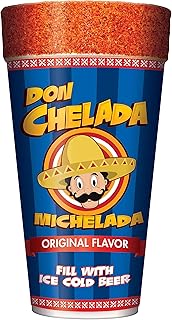

Antioxidants: The tomato juice in chelada beers provides antioxidants like lycopene, which may offer health benefits
Chelada beers, a popular beverage blend of beer and tomato juice, have been touted for their potential health benefits, particularly due to the presence of antioxidants like lycopene found in the tomato juice component. Lycopene is a naturally occurring chemical that gives tomatoes and other fruits their red color. Research suggests that lycopene may play a role in reducing the risk of certain types of cancers and heart disease, primarily due to its ability to neutralize free radicals in the body.
The process of making chelada beer involves mixing beer with tomato juice, which can vary in proportion depending on personal preference or specific recipes. Some variations also include additional ingredients such as lime juice, hot sauce, or Worcestershire sauce. The combination of beer and tomato juice not only creates a unique flavor profile but also potentially enhances the bioavailability of lycopene, making it easier for the body to absorb.
Studies have shown that moderate consumption of chelada beers may provide a significant amount of lycopene, contributing to the overall antioxidant intake. However, it is essential to note that the health benefits of chelada beers are largely dependent on the quality and quantity of the tomato juice used, as well as the overall consumption pattern. Excessive alcohol intake can negate any potential health benefits and may lead to various health issues.
Incorporating chelada beers into a balanced diet may offer a flavorful way to increase antioxidant intake, particularly for individuals who enjoy the taste of tomato juice. However, it is crucial to consume these beverages in moderation and be mindful of the alcohol content. As with any dietary choice, it is recommended to consult with a healthcare professional to determine the suitability of chelada beers within an individual's specific health context.
Seltzer vs. Beer: Unraveling the Healthier Choice Debate
You may want to see also
Explore related products


Hydration: The water content in tomato juice can contribute to hydration, potentially making chelada beers more hydrating than regular beers
Tomato juice, a key ingredient in chelada beers, boasts a high water content that can significantly contribute to hydration. This is particularly noteworthy when compared to regular beers, which often have a lower water content due to the brewing process. The addition of tomato juice not only enhances the flavor profile but also increases the beverage's hydrating properties.
In terms of hydration, chelada beers may offer a slight advantage over their non-tomato counterparts. The water content in tomato juice can help replenish fluids in the body, making chelada beers a potentially more hydrating choice for those looking to maintain their water balance while enjoying an alcoholic beverage.
However, it's essential to consider the overall nutritional content and potential health implications of chelada beers. While the hydration aspect is beneficial, the addition of tomato juice also introduces sugars and sodium, which should be consumed in moderation. Furthermore, the alcohol content in chelada beers can have dehydrating effects, counteracting some of the hydrating benefits of the tomato juice.
In conclusion, while chelada beers may offer a marginal hydration benefit due to their tomato juice content, it's crucial to weigh this against the potential drawbacks of increased sugar and sodium intake, as well as the dehydrating effects of alcohol. As with any beverage, moderation and awareness of one's overall dietary habits are key to making informed choices about consumption.
Soda vs. Beer: Unraveling the Healthier Choice Debate
You may want to see also
Explore related products


Alcohol Content: Chelada beers usually have a lower alcohol by volume (ABV) percentage, which can be a healthier option for those looking to reduce alcohol intake
Chelada beers, known for their unique blend of beer and tomato juice, offer a refreshing twist on traditional beer. One of the key aspects that contribute to their appeal, especially among health-conscious consumers, is their typically lower alcohol by volume (ABV) percentage. This characteristic makes Chelada beers an attractive option for individuals looking to enjoy a flavorful beverage without the higher alcohol content found in many other beers.
The lower ABV in Chelada beers can be attributed to the dilution effect of the tomato juice. By mixing beer with tomato juice, the overall alcohol concentration is reduced, resulting in a drink that is not only rich in flavor but also more moderate in its alcohol content. This can be particularly beneficial for those who are mindful of their alcohol intake, whether for health reasons, personal preference, or social considerations.
Moreover, the reduced alcohol content in Chelada beers can make them a more suitable choice for certain occasions. For instance, individuals who need to maintain a lower blood alcohol level, such as those who plan to drive or operate machinery, might find Chelada beers to be a safer alternative to regular beers. Additionally, the lower ABV can be advantageous for those who are looking to pace themselves during social gatherings or events where alcohol consumption is expected.
It is important to note, however, that while Chelada beers may have a lower ABV compared to other beers, they still contain alcohol. Therefore, it is essential for consumers to be aware of their individual tolerance levels and to drink responsibly. Furthermore, the health benefits of Chelada beers should not be overstated, as they still contain calories and other components that should be considered as part of a balanced diet.
In conclusion, the lower alcohol content in Chelada beers makes them a potentially healthier option for those looking to reduce their alcohol intake. This characteristic, combined with the unique flavor profile of Chelada beers, positions them as a distinctive and appealing choice in the beverage market. As with any alcoholic beverage, moderation and responsible consumption are key to enjoying Chelada beers in a health-conscious manner.
Exploring the Health Benefits of Athletic Beer: A Comprehensive Guide
You may want to see also
Explore related products





Vitamins and Minerals: Tomato juice is a source of vitamins A and C, potassium, and other minerals, adding nutritional value to chelada beers
Tomato juice, a key ingredient in chelada beers, is a rich source of vitamins A and C, potassium, and other essential minerals. These nutrients contribute to the overall nutritional value of chelada beers, making them a healthier alternative to traditional beers. Vitamin A is crucial for maintaining healthy vision, immune function, and skin health, while vitamin C is a powerful antioxidant that supports the immune system and aids in the absorption of iron. Potassium, on the other hand, is essential for regulating blood pressure, balancing fluids in the body, and supporting proper muscle and nerve function.
In addition to these key nutrients, tomato juice also contains smaller amounts of other vitamins and minerals, such as vitamin K, folate, and manganese. These compounds work together to provide a range of health benefits, including supporting bone health, promoting healthy blood clotting, and aiding in the metabolism of carbohydrates and fats. Furthermore, the antioxidants present in tomato juice, such as lycopene, have been shown to have potential anti-cancer properties and may help reduce the risk of certain chronic diseases.
When considering the health benefits of chelada beers, it is important to note that moderation is key. While the addition of tomato juice does enhance the nutritional profile of these beverages, they still contain alcohol, which should be consumed responsibly. Additionally, individuals with certain health conditions, such as high blood pressure or kidney disease, may need to limit their intake of chelada beers due to the sodium content of tomato juice.
In conclusion, the vitamins and minerals found in tomato juice contribute to the nutritional value of chelada beers, making them a potentially healthier choice for those who enjoy alcoholic beverages. However, it is essential to consume these drinks in moderation and to be aware of any potential health risks associated with their consumption. By incorporating chelada beers into a balanced diet and lifestyle, individuals can enjoy the unique flavors and potential health benefits of these beverages while minimizing any negative effects.
Exploring the Health Benefits of Beer Nuts: A Nutty Delight?
You may want to see also
Frequently asked questions
Chelada beers are not typically considered healthy due to their high calorie and carbohydrate content. They are also often high in sodium from the tomato juice and spices used in their preparation.
The main ingredients in a Chelada beer include beer, tomato juice, lime juice, Worcestershire sauce, hot sauce, and various spices such as salt, pepper, and celery salt.
While Chelada beers can be enjoyed in moderation as part of a balanced diet, they should not be consumed excessively due to their high calorie, carbohydrate, and sodium content. It's important to balance them with healthier food choices and regular physical activity.