Harmony Chandler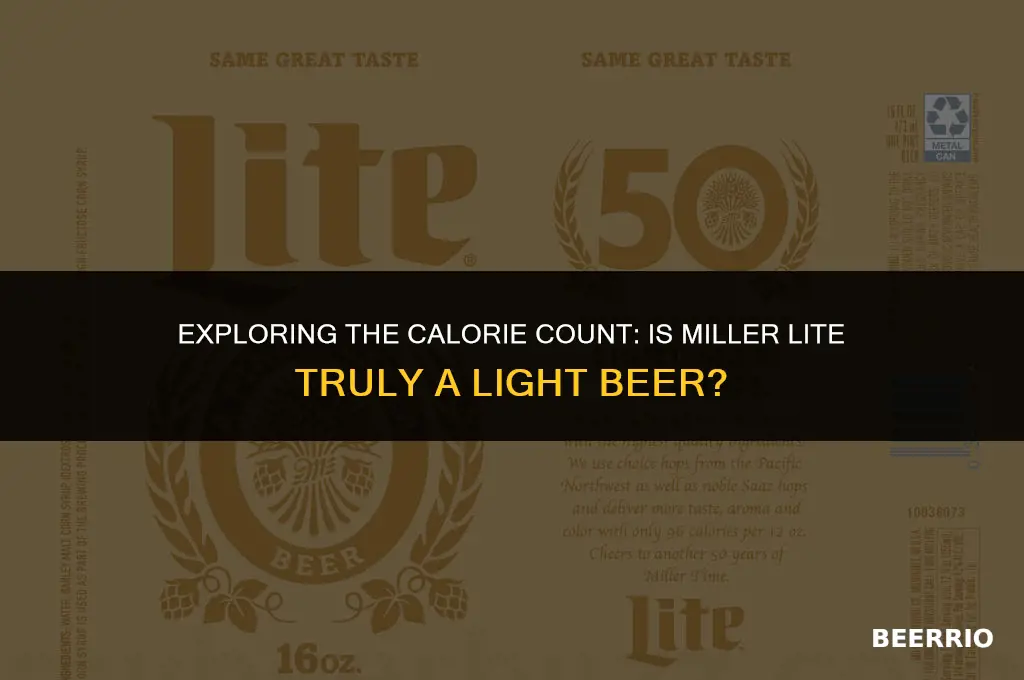
Miller Lite is indeed classified as a light beer. Introduced in 1975, it was one of the first widely popular light beers in the United States. Light beers are typically characterized by their lower calorie and carbohydrate content compared to regular beers. Miller Lite achieves this through a brewing process that uses fewer grains and a longer fermentation period, resulting in a beer that is lighter in body and taste. Despite being a light beer, Miller Lite maintains a significant presence in the American beer market, appealing to consumers who prefer a lighter option without sacrificing the social and taste aspects of beer drinking.
Explore related products




What You'll Learn
- Calorie Content: Miller Lite's calorie count compared to regular beers, highlighting its lower caloric density
- Alcohol by Volume (ABV): The percentage of alcohol in Miller Lite versus other beers, emphasizing its lighter nature
- Ingredients: Key components used in brewing Miller Lite, focusing on those that contribute to its light profile
- Taste Profile: Description of Miller Lite's flavor, noting its crispness and lack of heavy maltiness
- Marketing and Branding: How Miller Lite is positioned in the market as a light beer option, including its visual branding and advertising strategies

Calorie Content: Miller Lite's calorie count compared to regular beers, highlighting its lower caloric density
Miller Lite's calorie content stands out as a key feature when compared to regular beers. With a focus on health-conscious consumers, Miller Lite boasts a significantly lower caloric density than its full-calorie counterparts. A standard 12-ounce serving of Miller Lite contains approximately 96 calories, whereas regular beers can range from 150 to 200 calories or more per serving. This substantial difference in calorie count makes Miller Lite an attractive option for those looking to enjoy a beer without the added caloric intake.
The lower calorie content of Miller Lite is achieved through a combination of factors, including the use of lighter malts and a more efficient brewing process. By using a higher proportion of adjuncts like corn and rice, Miller Lite is able to reduce the overall calorie content while maintaining a crisp, refreshing taste. Additionally, the brewing process is optimized to extract more flavor from fewer ingredients, resulting in a beer that is both lower in calories and satisfying to drink.
When considering the calorie content of Miller Lite in comparison to regular beers, it's important to note that the term "light beer" can be somewhat misleading. While Miller Lite is indeed a light beer in terms of calories, it still contains alcohol and should be consumed responsibly. The lower calorie count does not necessarily mean that it is a healthier option overall, as other factors such as alcohol content and ingredients should also be taken into account.
In conclusion, Miller Lite's calorie content is a defining characteristic that sets it apart from regular beers. With its lower caloric density, Miller Lite caters to those who are mindful of their calorie intake but still wish to enjoy a beer. However, it's essential to remember that responsible consumption is key, regardless of the calorie count.
Sipping Lightly: Navigating Beer Consumption with Acid Reflux
You may want to see also
Explore related products


Alcohol by Volume (ABV): The percentage of alcohol in Miller Lite versus other beers, emphasizing its lighter nature
Miller Lite boasts an Alcohol by Volume (ABV) of 4.2%, which is significantly lower than many other beers on the market. This ABV places Miller Lite squarely in the category of light beers, which typically have an ABV ranging from 3.5% to 5%. In comparison, regular beers can have an ABV anywhere from 5% to 10% or even higher for craft and specialty beers. This lower alcohol content is one of the key factors that contribute to Miller Lite's reputation as a lighter, more refreshing beer option.
The emphasis on Miller Lite's lighter nature is not just a marketing ploy; it has real implications for consumers. A lower ABV means that Miller Lite contains fewer calories and less alcohol per serving, making it a more suitable choice for those who are watching their calorie intake or prefer to consume less alcohol. Additionally, the lower alcohol content can result in a smoother, less intense flavor profile, which is often preferred by those who enjoy a more subtle beer taste.
When compared to other light beers, Miller Lite's ABV is quite competitive. For example, Bud Light has an ABV of 4.2%, Coors Light has an ABV of 4.1%, and Michelob Ultra has an ABV of 4.2%. This similarity in ABV among light beers suggests that they are all aiming for a similar balance between flavor and alcohol content. However, Miller Lite distinguishes itself through its unique blend of ingredients and brewing process, which contribute to its distinct taste and crisp finish.
In conclusion, Miller Lite's ABV of 4.2% is a defining characteristic that sets it apart from regular beers and positions it as a leading choice among light beers. This lower alcohol content not only makes it a more health-conscious option but also contributes to its refreshing taste and smooth finish. Whether you're looking to reduce your calorie intake, prefer a less intense beer flavor, or simply enjoy the crisp taste of Miller Lite, its ABV is a key factor that makes it a standout choice in the world of light beers.
Quenching Your Thirst: The Hydration Debate Over Light Beer
You may want to see also
Explore related products




Ingredients: Key components used in brewing Miller Lite, focusing on those that contribute to its light profile
Miller Lite, known for its light profile, is brewed using a combination of key ingredients that contribute to its distinctive taste and low-calorie content. The primary ingredient is water, which makes up the majority of the beer and provides the necessary hydration without adding calories.
Barley malt is another crucial component, providing the fermentable sugars needed for alcohol production. Miller Lite uses a blend of two-row and six-row barley malts, which offer a balance of sweetness and body while keeping the calorie count low. The brewing process also involves the use of adjuncts such as corn and rice, which are added to the mash bill to reduce the overall calorie content and create a lighter beer.
Hops play a significant role in Miller Lite's flavor profile, contributing bitterness, aroma, and stability. The variety of hops used can influence the beer's taste, and Miller Lite typically uses a blend of domestic and imported hops to achieve its signature crisp and refreshing character.
Yeast is the microorganism responsible for fermenting the sugars in the wort and producing alcohol and carbon dioxide. Miller Lite uses a proprietary yeast strain that is optimized for its brewing process, ensuring consistent flavor and quality in every batch.
Finally, Miller Lite is filtered and pasteurized to remove any remaining yeast and bacteria, which helps to maintain its clarity and extend its shelf life. This process also contributes to the beer's smooth and clean finish, making it a popular choice for those seeking a light and refreshing beverage.
Exploring the Myth: Is Light Beer Really Just Water?
You may want to see also
Explore related products


Taste Profile: Description of Miller Lite's flavor, noting its crispness and lack of heavy maltiness
Miller Lite's flavor profile is characterized by its crisp, clean taste, which sets it apart from heavier beers. The beer's light golden color hints at its refreshing quality, and the first sip reveals a subtle, slightly sweet malt flavor that quickly gives way to a crisp, hoppy finish. This balance of malt and hops creates a beer that is both flavorful and easy to drink, making it a popular choice for those who prefer a lighter beer without sacrificing taste.
One of the key aspects of Miller Lite's flavor is its lack of heavy maltiness. Unlike some other light beers, which can have a cloying or overly sweet taste, Miller Lite's malt flavor is light and unobtrusive. This is achieved through the use of a specific blend of malts, including two-row malted barley, which provides a clean, crisp base for the beer. The result is a beer that is both refreshing and satisfying, with a flavor that lingers pleasantly on the palate.
The crispness of Miller Lite is also a result of its brewing process. The beer is cold-filtered, which removes impurities and creates a smooth, clean taste. Additionally, the beer is brewed with a proprietary yeast strain that enhances its crisp, refreshing quality. This yeast strain works in conjunction with the hops to create a beer that is both flavorful and easy to drink, with a finish that is clean and slightly bitter.
Overall, Miller Lite's flavor profile is a testament to the brewery's commitment to creating a light beer that is both refreshing and flavorful. Its crisp, clean taste and lack of heavy maltiness make it a popular choice for beer drinkers who are looking for a lighter option without sacrificing taste. Whether enjoyed on its own or paired with food, Miller Lite is a beer that is sure to please.
Exploring the Flavor Profile: Is Miller Golden Light Beer Hoppy or Malty?
You may want to see also
Explore related products


Marketing and Branding: How Miller Lite is positioned in the market as a light beer option, including its visual branding and advertising strategies
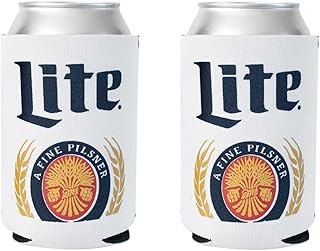
Miller Lite has established itself as a prominent player in the light beer market through strategic marketing and branding efforts. The brand's visual identity is characterized by its iconic blue and white color scheme, which conveys a sense of crispness and refreshment. This color palette is consistently used across packaging, advertising, and promotional materials, creating a strong and recognizable brand image.
One of Miller Lite's key marketing strategies is its emphasis on the beer's low calorie and carbohydrate content. This approach appeals to health-conscious consumers who are looking for a lighter beer option without sacrificing taste. The brand often highlights these attributes in its advertising campaigns, using slogans such as "Great Taste, Less Fill" to reinforce its positioning as a light beer that doesn't compromise on flavor.
Miller Lite also leverages sports sponsorships and partnerships to reach its target audience. The brand has a long history of sponsoring major sporting events, such as the NFL and MLB, which helps to associate the beer with an active, outdoorsy lifestyle. This strategy not only increases brand visibility but also helps to create a connection with consumers who enjoy watching and participating in sports.
In addition to traditional advertising methods, Miller Lite has embraced digital marketing to engage with a younger demographic. The brand utilizes social media platforms to share content that promotes its light beer as a perfect companion for various activities, from beach outings to backyard barbecues. This approach allows Miller Lite to interact directly with consumers and build a community around its brand.
Overall, Miller Lite's marketing and branding strategies have been instrumental in positioning the beer as a leading light beer option in the market. By focusing on its unique selling points, such as low calorie and carbohydrate content, and leveraging strategic partnerships and digital marketing, the brand has successfully carved out a niche for itself in the competitive beer industry.
Unveiling the Truth: Light Beer's Cholesterol Content Explained
You may want to see also
Frequently asked questions
Yes, Miller Lite is considered a light beer. It is a popular American beer brand known for its lower calorie and carbohydrate content compared to regular beers.
A 12-ounce serving of Miller Lite contains approximately 96 calories. This calorie count is lower than many other beer options, making it a popular choice for those watching their calorie intake.
Miller Lite has an alcohol by volume (ABV) percentage of about 4.2%. This is slightly lower than the ABV of some other light beers but still provides a noticeable alcohol presence.