Lucy Palmer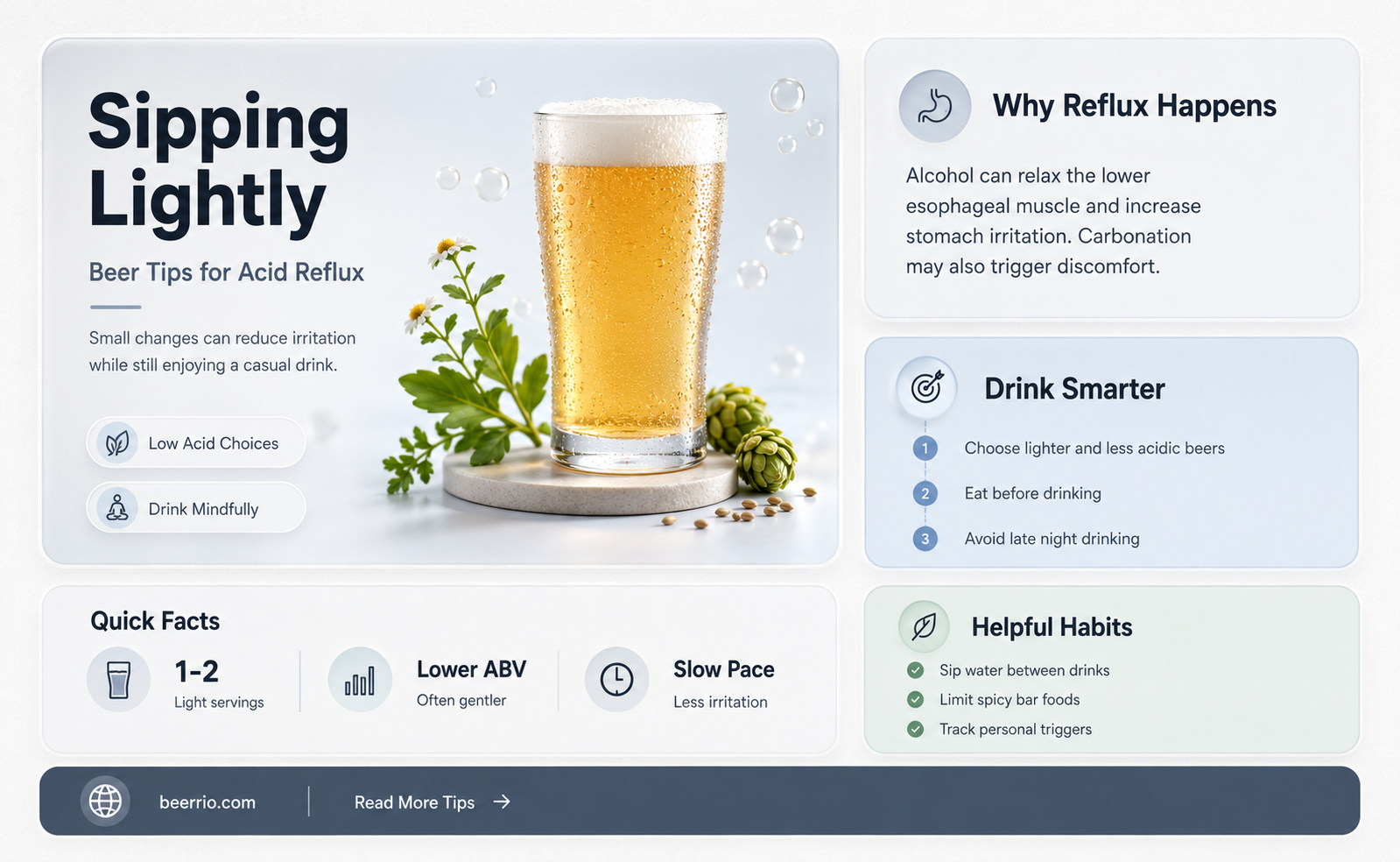
Light beer, often considered a more digestible alternative to regular beer due to its lower alcohol and calorie content, may still pose challenges for individuals with gastroesophageal reflux disease (GERD). While some people with reflux might tolerate light beer without significant issues, others may experience discomfort due to the carbonation and acidic nature of the beverage. The effects of light beer on reflux can vary greatly depending on individual tolerance levels and the severity of their condition.
Explore related products




What You'll Learn
- Understanding Acid Reflux: Brief explanation of acid reflux and its symptoms
- Alcohol and Reflux: How alcohol consumption can affect acid reflux
- Light Beer Specifics: Differences between light beer and regular beer in terms of reflux impact
- Moderation Key: Importance of moderation in alcohol consumption for reflux sufferers
- Alternative Beverages: Suggestions for alternative drinks that may be better suited for individuals with reflux

Understanding Acid Reflux: Brief explanation of acid reflux and its symptoms
Acid reflux, also known as gastroesophageal reflux disease (GERD), is a common digestive disorder that affects millions of people worldwide. It occurs when stomach acid flows back into the esophagus, causing irritation and inflammation. This can lead to a variety of uncomfortable symptoms, including heartburn, chest pain, difficulty swallowing, and a persistent cough. Understanding the underlying causes and triggers of acid reflux is crucial for managing the condition and preventing its complications.
One of the primary causes of acid reflux is a weakened lower esophageal sphincter (LES), which is the muscle that separates the esophagus from the stomach. When the LES is not functioning properly, it allows stomach acid to flow back into the esophagus. Other factors that can contribute to acid reflux include obesity, pregnancy, smoking, and certain medications. Additionally, dietary choices can play a significant role in triggering acid reflux symptoms. Foods that are high in fat, spicy, or acidic can relax the LES and increase the production of stomach acid, leading to reflux.
Symptoms of acid reflux can vary in severity and may occur infrequently or daily. The most common symptom is heartburn, which is a burning sensation in the chest that typically occurs after eating or lying down. Other symptoms include regurgitation of food or liquid, chest pain, difficulty swallowing, and a persistent cough. In some cases, acid reflux can lead to more serious complications, such as esophagitis, which is inflammation of the esophagus, or Barrett's esophagus, which is a condition where the lining of the esophagus becomes damaged.
Managing acid reflux often involves a combination of lifestyle changes and medical treatment. Lifestyle modifications may include losing weight, quitting smoking, avoiding trigger foods, and elevating the head of the bed while sleeping. Medical treatments for acid reflux typically focus on reducing the production of stomach acid or strengthening the LES. Antacids, proton pump inhibitors (PPIs), and histamine receptor antagonists (H2RAs) are commonly prescribed medications for acid reflux. In some cases, surgery may be necessary to repair a weakened LES or remove damaged tissue from the esophagus.
In the context of the question "is light beer ok for reflux," it is important to consider the potential impact of alcohol on acid reflux symptoms. Alcohol can relax the LES and increase the production of stomach acid, which can exacerbate reflux symptoms. Light beer, which is typically lower in alcohol content than regular beer, may be a better option for individuals with acid reflux. However, it is still important to consume alcohol in moderation and to pay attention to how it affects individual symptoms. If light beer or any other beverage triggers reflux symptoms, it is best to avoid it and consult with a healthcare provider for personalized advice.
Unveiling the Truth: Light Beer's Surprising Carb Content
You may want to see also
Explore related products



Alcohol and Reflux: How alcohol consumption can affect acid reflux
Alcohol consumption can exacerbate acid reflux symptoms by relaxing the lower esophageal sphincter (LES), which is the muscle that separates the esophagus from the stomach. When the LES is relaxed, stomach acid can flow back up into the esophagus, causing heartburn and other reflux symptoms. This effect can be particularly pronounced with alcoholic beverages that are high in acidity, such as wine and beer.
Light beer, in particular, may be a better choice for individuals with reflux because it tends to be lower in acidity than other types of beer. However, it is important to note that even light beer can still trigger reflux symptoms in some people, and moderation is key. Limiting alcohol consumption to one or two drinks per day, and avoiding drinking on an empty stomach, can help minimize the risk of reflux.
In addition to its effects on the LES, alcohol can also irritate the lining of the esophagus, making reflux symptoms worse. This irritation can be especially problematic for individuals who already have esophageal damage from chronic reflux. Therefore, it is important for people with reflux to be mindful of their alcohol consumption and to choose lower-acidity options like light beer when possible.
Ultimately, the relationship between alcohol and reflux is complex, and individual tolerance levels can vary widely. Some people may find that they can enjoy a light beer without experiencing any reflux symptoms, while others may need to avoid alcohol altogether to manage their condition. As with any dietary choice, it is important for individuals with reflux to pay attention to their body's responses and to make informed decisions about their alcohol consumption.
Exploring the Purine Content in Light Beer: A Healthier Choice?
You may want to see also
Explore related products

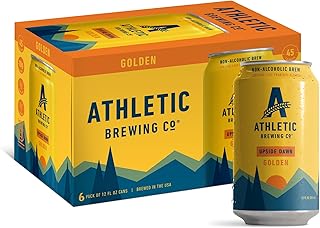
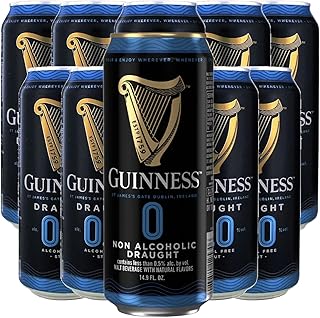

Light Beer Specifics: Differences between light beer and regular beer in terms of reflux impact
Light beer is often considered a more reflux-friendly option compared to regular beer. The primary reason for this is the lower alcohol content found in light beers. Alcohol is known to relax the lower esophageal sphincter (LES), which can lead to increased acid reflux. By choosing a light beer, individuals with reflux may be able to enjoy a beverage with less risk of triggering their symptoms.
Another factor to consider is the carbonation level. While both light and regular beers are carbonated, some light beers may have slightly lower carbonation, which can be beneficial for those with reflux. High carbonation can contribute to bloating and discomfort, potentially exacerbating reflux symptoms. Opting for a light beer with moderate carbonation may help minimize these issues.
It's also important to note the ingredients used in brewing. Some light beers may use alternative grains or brewing methods that result in a lower glycemic index. This can be advantageous for individuals with reflux, as high glycemic index foods can sometimes trigger symptoms. Choosing a light beer made with these alternative ingredients may provide a more comfortable drinking experience.
However, it's crucial to remember that individual tolerance varies greatly. What may be okay for one person with reflux might not be suitable for another. It's always recommended to monitor personal symptoms and reactions when consuming any type of beer, light or otherwise. If reflux symptoms persist or worsen, it may be necessary to consult with a healthcare professional for personalized advice.
In summary, light beer can be a better choice for individuals with reflux due to its lower alcohol content, potentially lower carbonation, and alternative ingredients. However, personal tolerance should always be taken into account, and individuals should monitor their symptoms closely when consuming any type of beer.
Unveiling the Truth: Is Light Beer Really High in Sugar?
You may want to see also
Explore related products
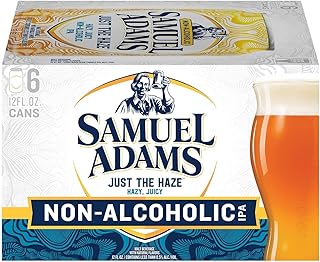

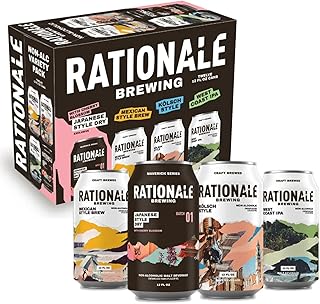


![[Pack of 6] [Japan No. 1 Best NA Beer] ASAHI 0.00% Non-Alcohol, Premium Japanese Beer Beverage, , Zero Calories And Gluten Free (DRY ZERO)](https://m.media-amazon.com/images/I/91m326F7sRL._AC_UL320_.jpg)
Moderation Key: Importance of moderation in alcohol consumption for reflux sufferers
For individuals suffering from reflux, moderation in alcohol consumption is not just a recommendation; it's a necessity. Alcohol, including light beer, can exacerbate reflux symptoms by relaxing the lower esophageal sphincter, allowing stomach acid to flow back into the esophagus. This can lead to heartburn, chest pain, and other uncomfortable symptoms. Therefore, it's crucial for reflux sufferers to understand the importance of moderation and how to apply it to their drinking habits.
Moderation in alcohol consumption typically means limiting intake to one drink per day for women and up to two drinks per day for men. However, for reflux sufferers, even these guidelines may be too lenient. It's essential to pay close attention to how alcohol affects individual symptoms and adjust consumption accordingly. Some may find that even small amounts of alcohol trigger reflux, while others may be able to tolerate a moderate amount without issues.
One practical tip for reflux sufferers is to avoid drinking alcohol on an empty stomach, as this can increase the likelihood of reflux. Instead, try to consume alcohol with a meal or have a small snack beforehand. Additionally, it's helpful to sip water between alcoholic drinks to help dilute the alcohol and reduce its impact on the stomach.
Another important consideration is the type of alcohol consumed. Light beers, which are lower in alcohol content, may be a better choice for reflux sufferers compared to stronger beverages. However, it's still important to consume them in moderation and be mindful of individual tolerance levels.
In conclusion, moderation is key when it comes to alcohol consumption for reflux sufferers. By understanding the risks and taking steps to minimize them, individuals can still enjoy a drink while managing their reflux symptoms effectively.
Exploring Light Beer Consumption for Dialysis Patients: A Comprehensive Guide
You may want to see also
Explore related products
![[Pack of 24] Bud Full Flavored Zero Alcohol Brew, 0.00 ALC, NA Non-Alcoholic Beer, 50 Cal, Zero Sugar, Cans, 12 Fl Oz (Pack of 24)](https://m.media-amazon.com/images/I/51RUqU+bqVL._AC_UL320_.jpg)


Alternative Beverages: Suggestions for alternative drinks that may be better suited for individuals with reflux
For individuals suffering from reflux, the choice of beverage can significantly impact their symptoms. While light beer may be a popular choice for many, it's not necessarily the best option for those with reflux. Here are some alternative drinks that may be better suited:
- Ginger Tea: Ginger has natural anti-inflammatory properties that can help soothe the stomach and reduce reflux symptoms. Steep fresh ginger slices in hot water for a few minutes to make a comforting and effective tea.
- Chamomile Tea: Chamomile is known for its calming effects on the digestive system. Drinking chamomile tea can help relax the esophageal sphincter, reducing the likelihood of reflux episodes.
- Apple Cider Vinegar: Although it may seem counterintuitive, apple cider vinegar can actually help balance stomach acid levels. Mix a tablespoon of apple cider vinegar with water and drink it before meals to potentially alleviate reflux symptoms.
- Aloe Vera Juice: Aloe vera has been used for centuries to treat digestive issues. Its anti-inflammatory properties can help reduce irritation in the esophagus. Look for aloe vera juice that is specifically formulated for internal use and follow the recommended dosage.
- Water: Staying hydrated is crucial for overall health, including digestive health. Drinking plenty of water can help dilute stomach acid and reduce the severity of reflux symptoms. Aim for at least eight glasses of water per day.
It's important to note that while these alternative beverages may help alleviate reflux symptoms, they should not replace medical advice or treatment. If you suffer from chronic reflux, it's essential to consult with a healthcare professional for a proper diagnosis and treatment plan. Additionally, individual triggers can vary, so it's crucial to pay attention to how different beverages affect your symptoms and adjust your diet accordingly.
Exploring Healthier Choices: Light Beer vs. Soda Showdown
You may want to see also
Frequently asked questions
Light beer may be a better option than regular beer for individuals with acid reflux because it typically has a lower alcohol content, which can reduce the risk of triggering reflux symptoms. However, it's still important to consume it in moderation and pay attention to how your body reacts.
Alcohol can relax the lower esophageal sphincter (LES), which is the muscle that separates the esophagus from the stomach. This relaxation can allow stomach acid to flow back into the esophagus, leading to heartburn and other reflux symptoms. Additionally, alcohol can irritate the esophagus and increase the production of stomach acid.
Yes, there are several beverages that may be better options for individuals with acid reflux. These include water, herbal teas, and low-fat milk. It's generally best to avoid caffeinated and carbonated beverages, as well as citrus juices, which can exacerbate reflux symptoms.
In addition to dietary modifications, there are several lifestyle changes that can help manage acid reflux. These include losing weight if you're overweight, quitting smoking, avoiding lying down after meals, elevating the head of your bed, and wearing loose-fitting clothing. It's also important to manage stress and get regular exercise.