Arabella Franco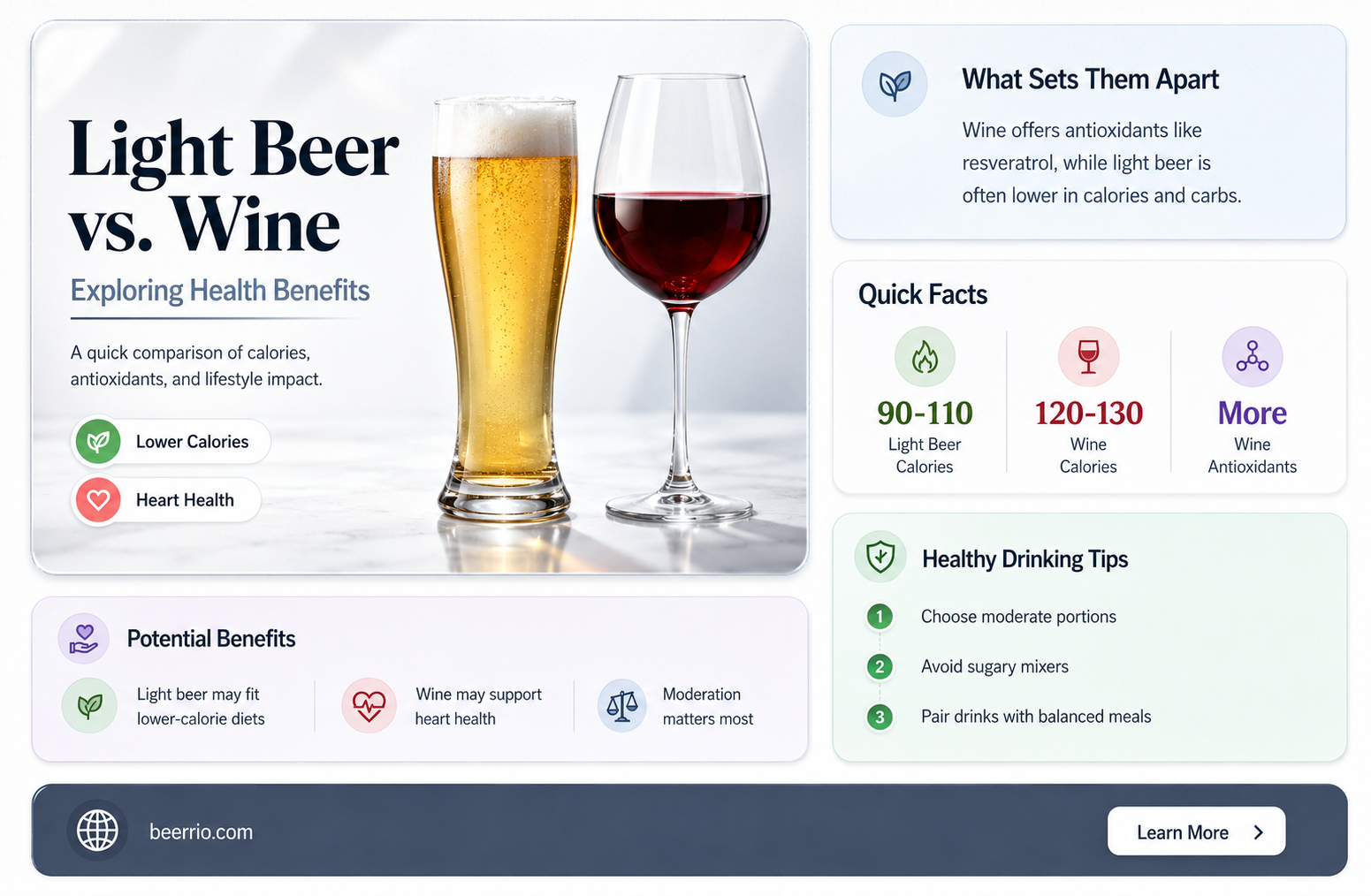
When considering the health implications of light beer versus wine, it's essential to examine the nutritional content and potential benefits of each. Light beer typically contains fewer calories and carbohydrates than regular beer, making it a popular choice for those watching their weight or managing blood sugar levels. However, it's important to note that light beer often has lower alcohol content, which may influence its overall impact on health. On the other hand, wine, particularly red wine, has been studied for its potential heart health benefits due to the presence of antioxidants like resveratrol. Moderate wine consumption has been associated with a reduced risk of heart disease in some populations. Ultimately, the choice between light beer and wine depends on individual health goals, preferences, and moderation practices.
Explore related products


What You'll Learn
- Caloric Content Comparison: Light beer typically has fewer calories than wine, making it a better choice for those watching their caloric intake
- Alcohol by Volume (ABV): Wine generally has a higher ABV than light beer, which can impact its health effects and suitability for different individuals
- Nutrient Profile: Wine, especially red wine, contains antioxidants like resveratrol, while beer provides some B vitamins. The nutrient profiles differ significantly
- Health Benefits and Risks: Moderate wine consumption is often linked to heart health benefits, whereas excessive beer intake can lead to various health risks, including liver damage
- Social and Cultural Considerations: The choice between light beer and wine can also be influenced by social settings, cultural preferences, and personal taste, which play a role in overall well-being

Caloric Content Comparison: Light beer typically has fewer calories than wine, making it a better choice for those watching their caloric intake
Light beer is often marketed as a lower-calorie alternative to wine, which can be a significant consideration for individuals monitoring their caloric intake. On average, a 12-ounce serving of light beer contains approximately 100-150 calories, whereas a 5-ounce serving of wine can range from 120-180 calories, depending on the type and alcohol content. This difference can add up over time, making light beer a seemingly more calorie-conscious choice.
However, it's essential to consider the nutritional content beyond just calories. Wine, particularly red wine, contains antioxidants like resveratrol, which have been linked to potential health benefits, including improved heart health. Light beer, on the other hand, is typically lower in antioxidants and may contain added sugars or artificial sweeteners to enhance its flavor.
When evaluating the caloric content of light beer versus wine, it's also important to factor in the serving sizes. A standard serving of wine is 5 ounces, while a typical serving of light beer is 12 ounces. This means that, to consume an equivalent amount of alcohol, one might need to drink more wine, potentially increasing the overall calorie intake.
Ultimately, the choice between light beer and wine depends on individual preferences, dietary goals, and overall health considerations. For those strictly focused on reducing caloric intake, light beer may be the better option. However, for individuals looking to balance calorie consumption with potential health benefits, wine might be a more suitable choice.
Exploring Healthier Choices: Light Beer vs. Soda Showdown
You may want to see also
Explore related products

$14.36 $17.95




Alcohol by Volume (ABV): Wine generally has a higher ABV than light beer, which can impact its health effects and suitability for different individuals
Alcohol by Volume (ABV) is a critical factor to consider when comparing the health impacts of wine and light beer. ABV refers to the percentage of alcohol present in a beverage, and it can significantly influence the effects that drinking has on the body. Wine typically has a higher ABV than light beer, which means that a standard serving of wine contains more alcohol than a standard serving of light beer. This difference in ABV can have implications for calorie intake, liver health, and overall risk of alcohol-related problems.
For individuals who are watching their calorie intake, the higher ABV of wine means that it contains more calories per serving than light beer. This can be an important consideration for those who are trying to maintain a healthy weight or manage their calorie consumption. Additionally, the higher alcohol content in wine can lead to increased liver stress and a higher risk of developing liver problems over time, especially for heavy drinkers.
On the other hand, some studies have suggested that moderate wine consumption may have certain health benefits, such as improved heart health and reduced risk of certain diseases. However, these potential benefits are generally associated with moderate consumption, and the higher ABV of wine means that it is easier to consume more alcohol than intended. This can make it more challenging for some individuals to drink wine in moderation and may increase the risk of alcohol-related problems.
When considering the suitability of wine or light beer for different individuals, it is important to take into account factors such as age, health status, and personal drinking habits. For example, older adults may be more sensitive to the effects of alcohol and may need to consume less to avoid negative health impacts. Similarly, individuals with certain health conditions, such as liver disease or high blood pressure, may need to limit their alcohol intake or avoid certain types of alcoholic beverages altogether.
In conclusion, the difference in ABV between wine and light beer is a significant factor to consider when evaluating their relative health impacts. While wine may have some potential health benefits when consumed in moderation, its higher alcohol content means that it can also pose greater risks to health and well-being. Light beer, on the other hand, may be a more suitable option for individuals who are looking to reduce their calorie intake or manage their alcohol consumption. Ultimately, the best choice between wine and light beer will depend on individual factors and personal preferences.
Exploring the Potassium Content in Light Beer: A Nutritional Insight
You may want to see also
Explore related products



Nutrient Profile: Wine, especially red wine, contains antioxidants like resveratrol, while beer provides some B vitamins. The nutrient profiles differ significantly
Wine, particularly red wine, is renowned for its antioxidant content, with resveratrol being one of the most studied compounds. Resveratrol has been linked to various health benefits, including improved heart health and potential anti-aging effects. In contrast, beer contains a modest amount of B vitamins, such as niacin, riboflavin, and folate, which are essential for energy metabolism and overall cellular function. However, the nutrient profiles of wine and beer differ significantly, with wine offering a more diverse range of beneficial compounds.
When comparing the nutrient profiles of wine and beer, it's essential to consider the specific types and production methods of each beverage. For instance, red wines tend to have higher antioxidant levels than white wines, while craft beers may contain more nutrients than mass-produced options. Additionally, the alcohol content of each beverage can impact its overall health effects, with moderate consumption of wine often being associated with more significant health benefits than beer.
In terms of practical tips, individuals looking to maximize the health benefits of their beverage choices may want to opt for red wines with higher resveratrol content, such as Pinot Noir or Cabernet Sauvignon. For beer enthusiasts, choosing craft beers with a higher nutrient profile and lower alcohol content can be a more health-conscious option. It's also important to note that moderation is key, as excessive alcohol consumption can negate any potential health benefits.
Ultimately, the choice between wine and beer comes down to personal preference and individual health goals. While wine offers a more diverse range of beneficial compounds, beer can be a good source of B vitamins. By understanding the nutrient profiles of each beverage and consuming them in moderation, individuals can make informed decisions about their drink choices and potentially reap some health benefits.
Exploring the Health Benefits and Myths of Light Beer Consumption
You may want to see also
Explore related products


Health Benefits and Risks: Moderate wine consumption is often linked to heart health benefits, whereas excessive beer intake can lead to various health risks, including liver damage
Moderate wine consumption, particularly red wine, has been associated with several health benefits. One of the primary advantages is its potential to improve heart health. This is largely due to the presence of antioxidants like resveratrol, which may help reduce inflammation and lower the risk of heart disease. Additionally, moderate wine intake has been linked to a reduced risk of certain types of cancer, such as colon and prostate cancer, and may also have cognitive benefits, potentially lowering the risk of Alzheimer's disease.
On the other hand, excessive beer consumption can lead to a myriad of health risks. One of the most significant concerns is liver damage. The liver is responsible for metabolizing alcohol, and excessive intake can lead to conditions such as fatty liver disease, alcoholic hepatitis, and cirrhosis. Furthermore, heavy beer consumption can increase the risk of other health issues, including obesity, type 2 diabetes, and certain types of cancer, such as breast and mouth cancer.
When comparing light beer to wine, it's essential to consider the alcohol content. Light beers typically have a lower alcohol by volume (ABV) percentage compared to wines. This means that, in theory, one could consume more light beer than wine before reaching the same level of intoxication. However, this does not necessarily make light beer a healthier choice. Many light beers are highly processed and may contain additives and preservatives that are not present in wine.
Moreover, the health benefits associated with moderate wine consumption are not necessarily applicable to light beer. The antioxidants and other beneficial compounds found in wine, particularly red wine, are not present in significant quantities in light beer. Therefore, while light beer may be a lower-calorie option, it does not offer the same potential health benefits as moderate wine consumption.
In conclusion, when considering the health implications of light beer versus wine, moderation is key. Moderate wine consumption, particularly red wine, has been linked to several health benefits, while excessive beer intake can lead to various health risks. Light beer, while lower in calories and alcohol content, does not offer the same potential health benefits as wine and may contain additives and preservatives. As with any alcoholic beverage, it's essential to consume both light beer and wine in moderation and to consult with a healthcare professional for personalized advice.
The Truth About Light Beer: Watered Down or Just Different?
You may want to see also
Explore related products


Social and Cultural Considerations: The choice between light beer and wine can also be influenced by social settings, cultural preferences, and personal taste, which play a role in overall well-being
The choice between light beer and wine is not solely based on nutritional content or potential health benefits. Social and cultural factors significantly influence this decision, shaping our preferences and habits. For instance, in many European cultures, wine is often associated with sophistication and is a staple at social gatherings and meals. Conversely, in some North American settings, light beer might be the preferred choice for casual get-togethers or sporting events. These cultural nuances can impact our perception of which beverage is more suitable for different occasions.
Personal taste also plays a crucial role in the decision-making process. Some individuals might prefer the crisp, refreshing taste of light beer, while others might enjoy the complex flavors and aromas of wine. This subjective preference can be influenced by a variety of factors, including upbringing, exposure to different beverages, and even genetic predispositions. Understanding and respecting these individual differences is essential when making choices about alcohol consumption.
Moreover, social settings can dictate the choice between light beer and wine. For example, a formal dinner party might call for wine, while a backyard barbecue might be more suited to light beer. These social norms can influence our decisions, sometimes overriding personal preferences or health considerations. It's important to be aware of these social pressures and to make informed choices that align with both our personal tastes and our health goals.
In addition, the marketing and advertising of these beverages can also impact our choices. Light beer is often marketed as a healthier, lower-calorie option, appealing to those who are health-conscious or watching their weight. Wine, on the other hand, is frequently associated with luxury and indulgence, which can influence our perception of its health benefits. Navigating these marketing messages requires critical thinking and an understanding of the actual nutritional content and potential health effects of each beverage.
Ultimately, the choice between light beer and wine is a complex one that involves more than just nutritional considerations. By being aware of the social, cultural, and personal factors that influence our decisions, we can make more informed and balanced choices about our alcohol consumption. This awareness can help us to enjoy our preferred beverages in moderation, while also maintaining a healthy lifestyle and respecting the preferences of others.
Balancing Blood Sugar: The Truth About Light Beer for Diabetics
You may want to see also
Frequently asked questions
Generally, light beer has fewer calories than wine. A 12-ounce serving of light beer typically contains around 100-150 calories, while a 5-ounce serving of wine can range from 120-180 calories, depending on the type and alcohol content.
Light beer usually has a lower alcohol content compared to wine. Light beers often have an alcohol by volume (ABV) of around 4-5%, whereas wines typically range from 12-15% ABV, with some varieties reaching up to 20% or more.
Moderate consumption of both light beer and wine has been associated with potential heart health benefits. However, some studies suggest that wine, particularly red wine, may offer more significant benefits due to its antioxidant content, such as resveratrol. It's essential to note that excessive alcohol consumption can negate these benefits and lead to adverse health effects.
Light beer generally has fewer carbohydrates than wine. A 12-ounce serving of light beer typically contains around 5-10 grams of carbohydrates, while a 5-ounce serving of wine can have approximately 3-5 grams of carbohydrates, depending on the type and sweetness level.
Neither light beer nor wine is particularly nutritious, as both are primarily sources of empty calories. However, wine, especially red wine, contains some antioxidants and phytonutrients that may offer potential health benefits when consumed in moderation. Light beer, on the other hand, has fewer calories and carbohydrates, which may be preferable for those watching their weight or managing blood sugar levels. Ultimately, the choice between the two depends on individual preferences and health goals.