Jason Wagner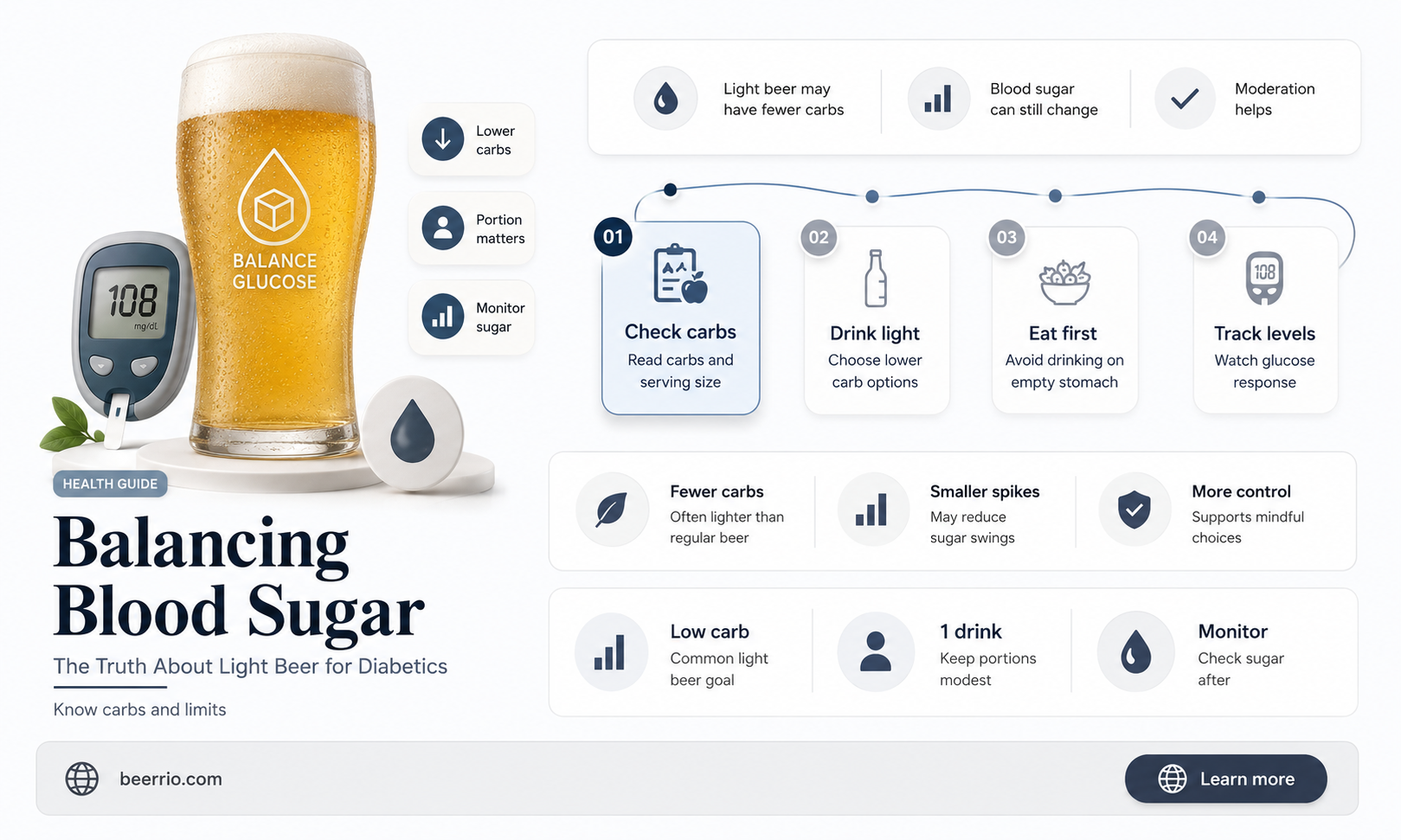
Light beer can be a topic of interest for individuals with diabetes who are looking to enjoy an alcoholic beverage while managing their condition. The suitability of light beer for diabetics depends on several factors, including the beer's carbohydrate content, alcohol by volume (ABV), and the individual's overall health and diabetes management plan. Generally, light beers tend to have fewer carbohydrates than regular beers, which can make them a preferable option for those monitoring their carb intake. However, it's crucial for diabetics to consume alcohol in moderation and to be aware of how it can affect their blood sugar levels and overall health. Consulting with a healthcare provider is recommended to determine if light beer is a safe choice for a particular individual with diabetes.
Explore related products


What You'll Learn
- Nutritional Content: Light beers typically have fewer carbs and calories, which can be beneficial for diabetics managing their diet
- Blood Sugar Impact: The lower carbohydrate content in light beer may result in a smaller spike in blood sugar levels compared to regular beers
- Alcohol Considerations: Alcohol can affect blood sugar control and medication interactions, so diabetics should consume it in moderation
- Individual Variability: The suitability of light beer for diabetics can vary based on individual health conditions and dietary needs
- Consultation with Healthcare Provider: Diabetics should consult their healthcare provider for personalized advice on alcohol consumption, including light beer

Nutritional Content: Light beers typically have fewer carbs and calories, which can be beneficial for diabetics managing their diet
Light beers are often considered a healthier alternative to regular beers due to their lower carbohydrate and calorie content. This can be particularly beneficial for individuals with diabetes who need to carefully manage their diet to maintain stable blood sugar levels. Typically, light beers contain around 5-7 grams of carbohydrates per serving, compared to 10-15 grams in regular beers. Additionally, light beers usually have fewer calories, with an average of 90-120 calories per 12-ounce serving, whereas regular beers can range from 150-200 calories.
For diabetics, the lower carb content in light beers means they may have less impact on blood sugar levels. However, it's important to note that the effect of alcohol on blood sugar can vary depending on the individual and other factors such as medication and overall diet. Some studies suggest that moderate alcohol consumption may have a positive effect on heart health, but it's crucial for diabetics to consult with their healthcare provider to determine if and how much alcohol is safe for them to consume.
When considering the nutritional content of light beers, it's also essential to look at other components such as protein, fat, and fiber. While light beers generally have minimal amounts of these nutrients, they can still contribute to overall dietary intake. For example, some light beers may contain small amounts of protein, which can help with satiety and blood sugar control. However, the fat and fiber content is typically negligible.
In terms of specific recommendations, diabetics should be mindful of portion sizes and consider the overall nutritional balance of their diet. If they choose to consume light beer, it should be in moderation and as part of a well-rounded meal plan that includes a variety of nutrient-dense foods. Monitoring blood sugar levels before and after drinking can also help individuals understand how light beer affects them personally.
Ultimately, while light beers can be a part of a diabetic's diet due to their lower carb and calorie content, it's crucial to approach consumption with caution and awareness of individual health needs and responses to alcohol.
Exploring the Sodium Content in Light Beers: A Health-Conscious Guide
You may want to see also
Explore related products


Blood Sugar Impact: The lower carbohydrate content in light beer may result in a smaller spike in blood sugar levels compared to regular beers
The lower carbohydrate content in light beer may result in a smaller spike in blood sugar levels compared to regular beers. This is because carbohydrates are broken down into glucose, which is then absorbed into the bloodstream, causing blood sugar levels to rise. Light beers typically contain fewer carbohydrates than their regular counterparts, which means they may have a less pronounced effect on blood sugar levels.
However, it's important to note that the impact of light beer on blood sugar levels can vary depending on several factors, including the individual's overall diet, the amount of beer consumed, and the presence of other health conditions. For example, someone who is already consuming a high-carbohydrate diet may experience a more significant spike in blood sugar levels from light beer than someone who is following a low-carbohydrate diet.
Additionally, the alcohol content in light beer can also affect blood sugar levels. Alcohol can cause the liver to release stored glucose into the bloodstream, which can lead to an increase in blood sugar levels. This effect can be particularly pronounced in people with diabetes, as their bodies may already have difficulty regulating blood sugar levels.
In conclusion, while light beer may have a smaller impact on blood sugar levels than regular beer due to its lower carbohydrate content, it's still important for individuals with diabetes to monitor their blood sugar levels closely when consuming any type of alcohol. It's also essential to consider other factors, such as overall diet and health conditions, when determining whether light beer is a suitable choice for someone with diabetes.
Unveiling the Truth: Light Beer's Cholesterol Content Explained
You may want to see also
Explore related products


Alcohol Considerations: Alcohol can affect blood sugar control and medication interactions, so diabetics should consume it in moderation
Alcohol can have a significant impact on blood sugar levels and medication interactions, making it crucial for diabetics to approach its consumption with caution. While moderate alcohol intake may be permissible for some individuals with diabetes, it's essential to understand the potential risks and take necessary precautions.
One of the primary concerns with alcohol consumption for diabetics is its effect on blood sugar control. Alcohol can cause blood sugar levels to fluctuate, leading to hypoglycemia (low blood sugar) or hyperglycemia (high blood sugar). This is because alcohol can impair the liver's ability to release glucose, while also increasing insulin sensitivity. As a result, diabetics may need to adjust their medication or insulin dosages when consuming alcohol.
In addition to its impact on blood sugar levels, alcohol can also interact with certain diabetes medications, such as sulfonylureas and metformin. These interactions can increase the risk of side effects, such as nausea, vomiting, and liver damage. It's crucial for diabetics to consult with their healthcare provider to determine if their medications are safe to take with alcohol.
When it comes to light beer specifically, the lower calorie and carbohydrate content may make it a more suitable option for diabetics who choose to consume alcohol. However, it's important to note that even light beer can still affect blood sugar levels and medication interactions. Diabetics should monitor their blood sugar levels closely when consuming light beer and adjust their medication or insulin dosages as needed.
To minimize the risks associated with alcohol consumption, diabetics should follow certain guidelines. These include limiting alcohol intake to moderate levels (one drink per day for women and two drinks per day for men), avoiding alcohol on an empty stomach, and monitoring blood sugar levels before and after consuming alcohol. Additionally, diabetics should always consult with their healthcare provider to determine if alcohol consumption is safe for their individual health needs.
In conclusion, while moderate alcohol intake may be permissible for some diabetics, it's essential to approach its consumption with caution and awareness of the potential risks. Diabetics should educate themselves on the effects of alcohol on blood sugar control and medication interactions, and consult with their healthcare provider to determine the best approach for their individual health needs.
Exploring the Health Benefits and Myths of Light Beer Consumption
You may want to see also
Explore related products



Individual Variability: The suitability of light beer for diabetics can vary based on individual health conditions and dietary needs
The suitability of light beer for diabetics is not a one-size-fits-all scenario. Individual health conditions and dietary needs play a crucial role in determining whether light beer can be a part of a diabetic's diet. For some, light beer may be an acceptable occasional beverage, while for others, it may be best to avoid it altogether.
One key factor to consider is the individual's blood sugar control. Diabetics with well-managed blood sugar levels may be able to enjoy light beer in moderation, as long as they account for the carbohydrates and calories it contains. However, those with poorly controlled blood sugar levels should be more cautious, as the additional carbohydrates in light beer could exacerbate their condition.
Another important consideration is the presence of any other health conditions. Diabetics with kidney disease, for example, may need to limit their fluid intake, which could include light beer. Similarly, those with heart disease may need to be mindful of the sodium content in some light beers, which can contribute to high blood pressure.
It's also essential to consider the individual's dietary needs. Diabetics who are trying to lose weight may want to avoid light beer, as it can be high in calories. On the other hand, those who are underweight may be able to incorporate light beer into their diet as a way to increase their calorie intake.
Ultimately, the decision of whether light beer is suitable for a diabetic should be made on a case-by-case basis, taking into account the individual's unique health conditions and dietary needs. It's always best to consult with a healthcare provider or a registered dietitian to determine the best approach.
Exploring the Calorie Myth: Is Light Beer Really Less Fattening?
You may want to see also
Explore related products


Consultation with Healthcare Provider: Diabetics should consult their healthcare provider for personalized advice on alcohol consumption, including light beer
Diabetics should consult their healthcare provider for personalized advice on alcohol consumption, including light beer. This consultation is crucial because the impact of alcohol on blood sugar levels can vary significantly from person to person. Healthcare providers can offer tailored guidance based on an individual's specific health status, medication regimen, and lifestyle factors.
During the consultation, diabetics should discuss their alcohol consumption habits openly and honestly with their healthcare provider. This includes the frequency and amount of alcohol consumed, as well as the types of beverages typically chosen. The healthcare provider may recommend limiting alcohol intake or avoiding it altogether, depending on the individual's circumstances. They may also suggest monitoring blood sugar levels before and after drinking to assess the impact of alcohol on glucose control.
Healthcare providers can also offer advice on choosing healthier alcohol options, such as light beer, which may have fewer carbohydrates and calories compared to regular beer. However, it's important to note that even light beer can affect blood sugar levels, and moderation is key. The provider may also discuss the potential risks associated with alcohol consumption, such as liver damage, weight gain, and increased risk of hypoglycemia (low blood sugar).
In addition to providing personalized advice, healthcare providers can help diabetics develop strategies for managing their condition while still enjoying social activities that may involve alcohol. This might include setting realistic goals for alcohol consumption, finding alternative beverages, or learning how to recognize and respond to signs of hypoglycemia. By working closely with their healthcare provider, diabetics can make informed decisions about alcohol consumption and maintain better control over their health.
Exploring the Potassium Content in Light Beer: A Nutritional Insight
You may want to see also
Frequently asked questions
Light beer can be consumed by diabetics in moderation, but it's important to monitor blood sugar levels and consider the overall diet and medication plan. Diabetics should consult with their healthcare provider to determine if and how much alcohol is safe for them.
Light beer can cause blood sugar levels to rise due to its carbohydrate content. However, the effect can vary depending on the individual, the amount consumed, and other factors such as food intake and medication. Diabetics should check their blood sugar levels before and after drinking to understand how it affects them personally.
Diabetics should look for light beers with lower carbohydrate content and avoid those with added sugars. They should also consider the alcohol content, as higher alcohol can lead to weight gain and other health issues. Reading labels and consulting with a healthcare provider can help in making informed choices.
Moderate consumption of light beer may have some health benefits for diabetics, such as improving heart health and reducing the risk of certain complications. However, these benefits should be weighed against the potential risks, and diabetics should always consult with their healthcare provider before making any changes to their diet or lifestyle.


![[Pack of 6] Stella Artois Liberté 0.0% Premium NA/Alcohol FREE Larger Beer](https://m.media-amazon.com/images/I/81WHSmB+CcL._AC_UL320_.jpg)


![[Pack of 24] Bud Full Flavored Zero Alcohol Brew, 0.00 ALC, NA Non-Alcoholic Beer, 50 Cal, Zero Sugar, Cans, 12 Fl Oz (Pack of 24)](https://m.media-amazon.com/images/I/51RUqU+bqVL._AC_UL320_.jpg)