Oisin Foster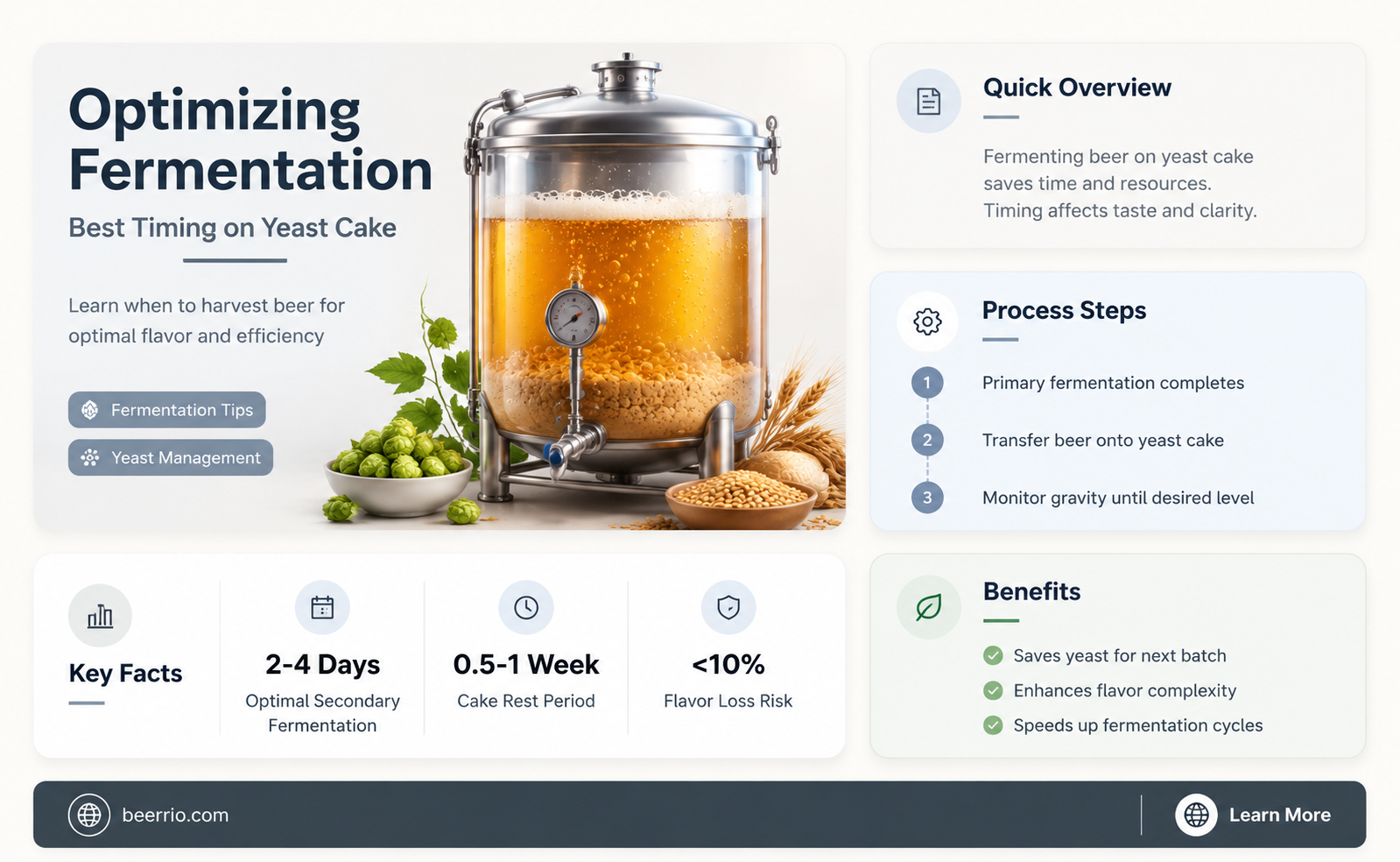
When brewing beer, one crucial step is determining how long to leave the beer on the yeast cake. This process, known as conditioning, allows the yeast to settle and the flavors to develop fully. Generally, beer should be left on the yeast cake for about one to two weeks, depending on the type of beer and the desired flavor profile. During this time, the yeast consumes any remaining sugars, producing carbon dioxide and alcohol. The length of conditioning can significantly impact the final taste and clarity of the beer, making it an essential aspect of the brewing process.
Explore related products


What You'll Learn
- Primary Fermentation Duration: Typically 1-2 weeks, depending on yeast strain and beer style
- Secondary Fermentation: Some beers require a secondary fermentation phase, which can last 1-4 weeks
- Yeast Cake Formation: Yeast cakes form during fermentation and can impact the beer's flavor and clarity
- Fermentation Temperature: Temperature affects fermentation speed and yeast activity; optimal ranges vary by yeast type
- Monitoring Fermentation: Regularly checking specific gravity and observing yeast activity helps determine when fermentation is complete

Primary Fermentation Duration: Typically 1-2 weeks, depending on yeast strain and beer style
The primary fermentation duration is a critical phase in the beer brewing process, typically lasting between 1-2 weeks. This timeframe is influenced by several factors, including the yeast strain used and the style of beer being produced. For instance, ales generally ferment faster than lagers, and different yeast strains can have varying levels of activity and tolerance to alcohol and temperature.
During primary fermentation, the yeast consumes the sugars in the wort, producing alcohol and carbon dioxide in the process. The duration of this phase is crucial as it affects the final flavor, aroma, and alcohol content of the beer. A shorter fermentation period may result in a beer that is not fully developed, while a longer period could lead to off-flavors or an overly complex taste profile.
To determine the optimal primary fermentation duration, brewers must consider the specific characteristics of the yeast strain and the desired outcome for the beer style. For example, a high-activity yeast strain may complete fermentation within a week, while a lower-activity strain could take up to two weeks or more. Additionally, the temperature at which fermentation occurs can significantly impact the duration, with higher temperatures generally speeding up the process.
Brewers often monitor the progress of fermentation by tracking the specific gravity of the wort, which decreases as the yeast consumes the sugars. Once the specific gravity reaches a stable level, typically between 1.008 and 1.012 for most beer styles, the primary fermentation is considered complete. At this point, the beer can be transferred to a secondary fermenter or left on the yeast cake for additional conditioning, depending on the brewer's preferences and the specific requirements of the beer style.
In conclusion, the primary fermentation duration is a key factor in determining the quality and characteristics of the final beer product. By carefully selecting the yeast strain, controlling the fermentation temperature, and monitoring the progress through specific gravity measurements, brewers can optimize this phase to achieve the desired outcome for their beer.
Fermentation Patience: The Optimal Yeast Contact Time for Beer
You may want to see also
Explore related products



Secondary Fermentation: Some beers require a secondary fermentation phase, which can last 1-4 weeks
Secondary fermentation is a crucial phase in the beer brewing process that can significantly impact the final flavor and quality of the beer. This phase involves transferring the beer from the primary fermentation vessel to a secondary vessel, where it continues to ferment and mature. The duration of secondary fermentation can vary depending on the type of beer being brewed, but it typically lasts between 1 to 4 weeks.
During secondary fermentation, the yeast continues to consume sugars and produce alcohol and carbon dioxide. However, the rate of fermentation is usually slower than in the primary phase, as the yeast has already consumed the majority of the available sugars. This slower fermentation process allows for the development of more complex flavors and aromas in the beer.
One of the key benefits of secondary fermentation is the separation of the beer from the yeast sediment that forms at the bottom of the primary fermentation vessel. This separation helps to clarify the beer and prevent the transfer of unwanted flavors and particles to the final product. Additionally, secondary fermentation can help to reduce the risk of oxidation, which can negatively impact the taste and stability of the beer.
The duration of secondary fermentation is typically determined by the brewer based on factors such as the type of beer, the desired flavor profile, and the specific yeast strain used. For example, some Belgian-style beers may require a longer secondary fermentation period to develop their characteristic complex flavors, while other beers may only need a short period to achieve the desired level of clarity and stability.
In conclusion, secondary fermentation is an important phase in the beer brewing process that can have a significant impact on the final product. By carefully controlling the duration and conditions of secondary fermentation, brewers can achieve the desired flavor profile, clarity, and stability in their beer.
Infusing Fruit Puree with Beer: Timing Tips for Perfect Fermentation
You may want to see also
Explore related products


Yeast Cake Formation: Yeast cakes form during fermentation and can impact the beer's flavor and clarity
Yeast cakes are a natural byproduct of the fermentation process in beer brewing. They form when yeast cells clump together and settle at the bottom of the fermenter after converting sugars into alcohol and carbon dioxide. The presence of yeast cakes can have both positive and negative effects on the beer's flavor and clarity. On one hand, yeast cakes can contribute to the development of complex flavors and aromas, especially in certain beer styles like Belgian ales and German lagers. On the other hand, they can also lead to off-flavors and haziness if not managed properly.
The impact of yeast cakes on beer quality depends on several factors, including the type of yeast used, the fermentation temperature, and the duration of the fermentation process. Some yeast strains are more prone to forming cakes than others, and higher fermentation temperatures can exacerbate this tendency. Additionally, leaving the beer on the yeast cake for too long can result in the extraction of undesirable compounds, such as fusel alcohols and esters, which can negatively affect the beer's taste and aroma.
To mitigate the potential negative effects of yeast cakes, brewers often employ various techniques to manage their formation and impact. One common approach is to use a yeast cake removal process, where the yeast is separated from the beer after fermentation is complete. This can be done through techniques like racking, where the beer is transferred to a secondary fermenter, leaving the yeast cake behind. Another method is to use fining agents, such as gelatin or isinglass, which help to clarify the beer by binding to the yeast cells and settling them out of suspension.
In some cases, brewers may choose to leave the beer on the yeast cake for a longer period to achieve a specific flavor profile. This technique, known as extended fermentation or aging on the yeast, can help to develop more complex and nuanced flavors in the beer. However, it requires careful monitoring and control to ensure that the beer does not become over-extracted or develop off-flavors.
Ultimately, the decision of how long to leave beer on the yeast cake depends on the brewer's goals and the specific characteristics of the beer being produced. By understanding the factors that influence yeast cake formation and its impact on beer quality, brewers can make informed decisions to achieve the desired outcome in their brewing process.
Optimizing Flavor: The Perfect Timing for Beer-Infused Fruit in Secondary Fermentation
You may want to see also
Explore related products


Fermentation Temperature: Temperature affects fermentation speed and yeast activity; optimal ranges vary by yeast type
Fermentation temperature plays a crucial role in determining the speed and efficiency of the fermentation process, as well as the overall activity of the yeast. Optimal temperature ranges can vary significantly depending on the specific type of yeast being used. For instance, ale yeasts typically perform best at temperatures between 60°F and 75°F (15°C and 24°C), while lager yeasts prefer cooler temperatures, usually ranging from 45°F to 55°F (7°C to 13°C).
When fermenting beer, it's essential to maintain a consistent temperature within the optimal range for the yeast strain being used. This can be achieved through various methods, such as using a temperature-controlled fermentation chamber or placing the fermenter in a cool, dark place. Monitoring the temperature regularly and making adjustments as needed can help ensure a successful fermentation process.
One common mistake that brewers make is fermenting at temperatures that are too high or too low for their specific yeast strain. Fermenting at temperatures that are too high can lead to the production of unwanted compounds, such as fusel alcohols, which can negatively impact the flavor and aroma of the beer. On the other hand, fermenting at temperatures that are too low can result in a slow or incomplete fermentation process, potentially leading to off-flavors and an unbalanced final product.
In addition to affecting the speed and efficiency of fermentation, temperature can also influence the yeast's ability to produce certain compounds that contribute to the beer's flavor and aroma. For example, some yeast strains are known to produce more fruity or estery flavors at higher temperatures, while others may produce more spicy or phenolic compounds at lower temperatures.
Ultimately, understanding the optimal fermentation temperature for a specific yeast strain is crucial for achieving the desired flavor profile and ensuring a successful brewing process. By carefully controlling and monitoring the fermentation temperature, brewers can help ensure that their beer turns out as intended, with the right balance of flavors and aromas.
Perfecting the Brew: Optimal Fermentation Time for Beer
You may want to see also
Explore related products


Monitoring Fermentation: Regularly checking specific gravity and observing yeast activity helps determine when fermentation is complete
Regular monitoring of fermentation is crucial for determining the optimal time to leave beer on the yeast cake. This process involves checking specific gravity and observing yeast activity, which are key indicators of fermentation progress. Specific gravity measurements provide insight into the sugar content of the wort, which decreases as fermentation progresses. By tracking these changes, brewers can gauge how far along the fermentation process is and make informed decisions about when to remove the beer from the yeast cake.
In addition to specific gravity measurements, observing yeast activity is another important aspect of monitoring fermentation. This can be done by visually inspecting the yeast cake for signs of activity, such as bubbles or foam, which indicate that the yeast is still actively fermenting the wort. Brewers can also use a yeast activity test, which involves adding a small amount of wort to a sample of yeast and observing the reaction. If the yeast is still active, it will produce bubbles or foam in response to the added wort.
The frequency of monitoring fermentation will depend on the specific recipe and brewing conditions, but it is generally recommended to check specific gravity and yeast activity at least once a day during the initial stages of fermentation. As fermentation progresses, the frequency of monitoring can be reduced, but it is still important to continue checking periodically to ensure that fermentation is complete before removing the beer from the yeast cake.
One common mistake that brewers make is removing the beer from the yeast cake too early, which can result in incomplete fermentation and off-flavors in the final product. By regularly monitoring fermentation and waiting until the specific gravity has stabilized and yeast activity has ceased, brewers can ensure that their beer has fully fermented and is ready for the next stage of the brewing process.
In conclusion, monitoring fermentation is a critical step in the brewing process that helps determine when to leave beer on the yeast cake. By regularly checking specific gravity and observing yeast activity, brewers can ensure that their beer is fully fermented and avoid common mistakes that can lead to off-flavors or incomplete fermentation.
Effective Beer Line Cleaning: Timing and Techniques
You may want to see also
Frequently asked questions
Typically, beer should be left on the yeast cake for about 1 to 2 weeks after the initial fermentation phase. This period allows the yeast to settle and the flavors to develop.
Leaving beer on the yeast cake for too long can lead to over-fermentation, resulting in a dry, harsh taste. It can also cause the yeast to produce unwanted compounds that may affect the flavor and aroma negatively.
Yes, you can leave your beer on the yeast cake for a shorter period, such as 3 to 5 days, if you're looking for a cleaner, crisper taste. However, this may result in less complex flavors and aromas.
You can determine when it's time to remove your beer from the yeast cake by monitoring the fermentation process. Look for signs such as a decrease in bubbling, a drop in temperature, and a change in the beer's clarity. Additionally, tasting the beer periodically can help you gauge when it has reached the desired flavor profile.