Lucy Palmer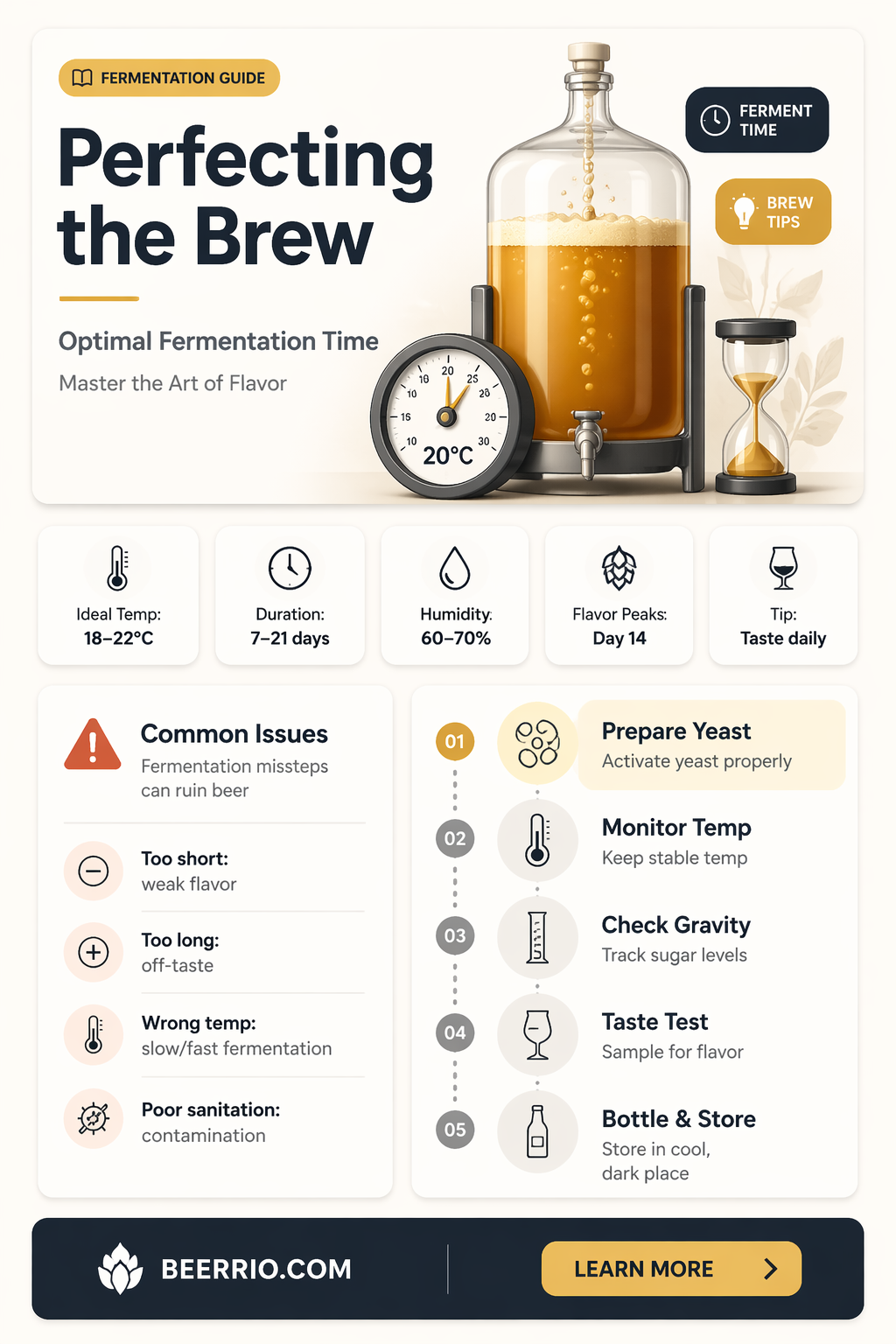
The fermentation process is a crucial stage in beer brewing, where yeast converts sugars into alcohol and carbon dioxide, developing the beer's flavor and character. The duration of fermentation can vary widely depending on several factors, including the type of beer, the yeast strain used, the temperature of the fermenter, and the desired flavor profile. Generally, fermentation can take anywhere from a few days to several weeks. For example, a simple ale might ferment for about 1 to 2 weeks, while a lager could take 2 to 4 weeks or even longer. It's essential to monitor the fermentation process closely, looking for signs such as a steady decrease in gravity and the absence of yeast activity to determine when the beer is ready to be transferred to a secondary fermenter or bottled.
Explore related products


What You'll Learn
- Factors Affecting Fermentation Time: Temperature, yeast type, beer style, and original gravity influence how long beer needs to ferment
- Typical Fermentation Durations: Different beer styles require varying times; for example, lagers take longer than ales
- Signs Fermentation is Complete: Look for a stable airlock, reduced yeast activity, and a consistent specific gravity reading
- Risks of Over-Fermentation: Leaving beer too long can lead to off-flavors, increased alcohol content, and potential spoilage
- Best Practices for Fermentation: Monitor progress regularly, maintain a clean environment, and use a hydrometer to check specific gravity

Factors Affecting Fermentation Time: Temperature, yeast type, beer style, and original gravity influence how long beer needs to ferment
Fermentation time in beer brewing is a critical factor that can significantly impact the final product's taste, aroma, and quality. Several key variables influence how long beer needs to ferment, each playing a unique role in the process. Understanding these factors is essential for brewers to optimize their fermentation schedules and achieve the desired outcomes.
Temperature is one of the most significant factors affecting fermentation time. Yeast activity increases with temperature, generally speeding up the fermentation process. However, higher temperatures can also lead to the production of unwanted byproducts and off-flavors. For example, fermenting at too high a temperature can result in the formation of fusel alcohols, which contribute to a harsh, solvent-like taste. Conversely, lower temperatures can slow down fermentation but may also lead to a cleaner, more refined flavor profile.
The type of yeast used also has a considerable impact on fermentation time. Different yeast strains have varying levels of activity and tolerance to environmental conditions. For instance, some yeast strains are more efficient at fermenting sugars, leading to faster fermentation times, while others may be more resilient to higher temperatures or alcohol concentrations. Brewers often select yeast strains based on the specific characteristics they desire in their beer, which can include factors like fermentation speed, flavor production, and attenuation.
Beer style is another important consideration when determining fermentation time. Different beer styles require varying levels of fermentation to achieve their characteristic flavors and aromas. For example, lagers typically undergo a longer, slower fermentation process at lower temperatures, which contributes to their clean, crisp taste. In contrast, ales often ferment more quickly at higher temperatures, resulting in a more robust, fruity flavor profile.
Original gravity, which is a measure of the sugar content in the wort before fermentation, also influences fermentation time. Higher original gravities generally require longer fermentation times, as there is more sugar for the yeast to convert into alcohol and carbon dioxide. Additionally, higher gravity beers may require more time for the yeast to attenuate, or reduce, the residual sugars, which can impact the final sweetness and body of the beer.
In conclusion, fermentation time in beer brewing is a complex process influenced by several key factors, including temperature, yeast type, beer style, and original gravity. By understanding and controlling these variables, brewers can optimize their fermentation schedules to produce high-quality beers with the desired flavor profiles and characteristics.
Chill or Not: The Optimal Time for Freezing Bottled Beer
You may want to see also
Explore related products




Typical Fermentation Durations: Different beer styles require varying times; for example, lagers take longer than ales
Fermentation is a critical phase in beer brewing, and the duration of this process can significantly impact the final product's flavor, aroma, and alcohol content. Different beer styles require varying fermentation times due to factors such as yeast type, sugar content, and desired flavor profile. For instance, lagers typically undergo a longer fermentation period compared to ales, which results in a cleaner, crisper taste.
Lagers, which are fermented at lower temperatures (usually between 45°F to 55°F), can take anywhere from 2 to 6 weeks to ferment, depending on the specific style and recipe. This extended period allows the yeast to slowly convert sugars into alcohol and carbon dioxide, producing a beer with a smooth, balanced character. On the other hand, ales are fermented at higher temperatures (typically between 60°F to 75°F) and usually take about 1 to 2 weeks to complete fermentation. The faster fermentation rate in ales leads to a more complex flavor profile with fruity, spicy, or earthy notes.
In addition to temperature, the type of yeast used also influences fermentation time. Lager yeasts, such as Saccharomyces pastorianus, are known for their slow fermentation rates and ability to produce a clean, crisp beer. Ale yeasts, like Saccharomyces cerevisiae, ferment more quickly and contribute to the beer's more pronounced flavors and aromas.
It's essential for brewers to monitor the fermentation process closely and make adjustments as needed. Factors such as sugar content, yeast health, and temperature can all affect fermentation time, so it's crucial to have a good understanding of these variables and how they interact. By carefully controlling the fermentation process, brewers can ensure that their beer develops the desired characteristics and meets their quality standards.
In conclusion, the typical fermentation durations for different beer styles vary significantly, with lagers generally taking longer than ales. This difference in fermentation time is primarily due to the yeast type and temperature used during the process. By understanding these factors and how they impact fermentation, brewers can better control the brewing process and produce high-quality beers with the desired flavor profiles.
Perfecting the Brew: Optimal Aging Time for Bottled Beer
You may want to see also
Explore related products

![The Farmhouse Culture Guide to Fermenting: Crafting Live-Cultured Foods and Drinks with 100 Recipes from Kimchi to Kombucha[A Cookbook]](https://m.media-amazon.com/images/I/810JiD+rtvL._AC_UY218_.jpg)


Signs Fermentation is Complete: Look for a stable airlock, reduced yeast activity, and a consistent specific gravity reading
Fermentation is a critical phase in beer brewing, and knowing when it's complete is essential for achieving the desired flavor and quality. One of the key indicators is a stable airlock. During active fermentation, the airlock will bubble vigorously as carbon dioxide is released. As fermentation progresses towards completion, the bubbling will slow down and eventually stabilize, indicating that the yeast has consumed most of the fermentable sugars.
Another sign to look for is reduced yeast activity. Yeast cells are responsible for converting sugars into alcohol and carbon dioxide. As fermentation nears its end, the yeast cells will begin to die off, and their activity will decrease. This can be observed by a decrease in the amount of foam and trub (the layer of yeast and other particles that settles at the bottom of the fermenter) in the fermenter.
A consistent specific gravity reading is also a strong indicator that fermentation is complete. Specific gravity is a measure of the density of the liquid in the fermenter. During fermentation, the specific gravity will decrease as the yeast consumes the sugars. Once fermentation is complete, the specific gravity will stabilize and remain consistent over time. It's important to take multiple readings over several days to ensure that the specific gravity has truly stabilized.
In addition to these indicators, it's also important to consider the time frame of fermentation. Depending on the type of beer and the yeast strain used, fermentation can take anywhere from a few days to several weeks. It's important to consult the yeast manufacturer's guidelines and to be patient, as rushing the fermentation process can lead to off-flavors and other quality issues.
To summarize, knowing when fermentation is complete is crucial for achieving the desired flavor and quality of beer. By monitoring the airlock, yeast activity, and specific gravity, brewers can ensure that their beer has fully fermented and is ready for the next phase of the brewing process.
Chill Time: The Ultimate Guide to Freezing Your Beer
You may want to see also
Explore related products


Risks of Over-Fermentation: Leaving beer too long can lead to off-flavors, increased alcohol content, and potential spoilage
Leaving beer in the fermenter for too long can lead to a host of problems that can negatively impact the final product. One of the primary risks of over-fermentation is the development of off-flavors. These can range from a slight tanginess to a full-blown sour taste, which can be unpleasant and unappetizing. Off-flavors are often caused by the presence of unwanted bacteria or wild yeast, which can produce compounds like lactic acid, acetic acid, and fusel alcohols. These compounds can be difficult to remove once they've been produced, making it essential to monitor the fermentation process closely.
Another risk of over-fermentation is an increase in alcohol content. While this might seem like a positive outcome for some, it can lead to a beer that is too strong for its intended style. This can result in a loss of balance and flavor, as well as potential legal issues if the alcohol content exceeds certain thresholds. Additionally, over-fermentation can lead to a decrease in carbonation, which can make the beer taste flat and lifeless.
Perhaps the most significant risk of over-fermentation is potential spoilage. If left unchecked, the fermentation process can continue until the beer becomes completely spoiled. This can happen if the yeast consumes all the available sugars and then begins to break down other compounds in the beer, such as proteins and amino acids. Spoiled beer can have a range of undesirable characteristics, including a foul smell, cloudy appearance, and an unpleasant taste. In some cases, spoiled beer can even pose health risks if it contains harmful bacteria or toxins.
To avoid these risks, it's essential to monitor the fermentation process closely and to follow established guidelines for fermentation times and temperatures. Homebrewers should also be aware of the signs of também over-fermentation, such as a decrease in carbonation, an increase in alcohol content, or the development of off-flavors. By taking these precautions, brewers can ensure that their beer is properly fermented and that it reaches its full potential in terms of flavor and quality.
Perfect Pour: Mastering the Art of Beer on PB2 Timing
You may want to see also
Explore related products


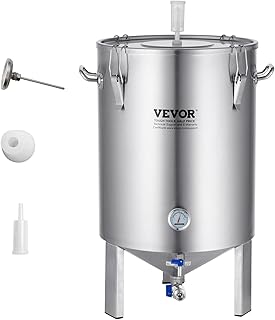
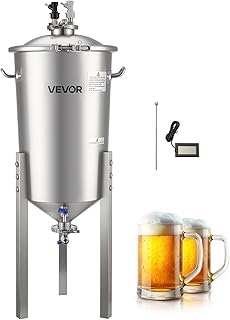

Best Practices for Fermentation: Monitor progress regularly, maintain a clean environment, and use a hydrometer to check specific gravity
Regular monitoring is crucial during the fermentation process to ensure that the beer develops as intended. This involves checking the fermenter daily to observe the progress of fermentation, which typically includes looking for signs of activity such as bubbles or foam. By keeping a close eye on these indicators, you can detect any potential issues early on and take corrective action if necessary.
Maintaining a clean environment is equally important to prevent contamination that could spoil the beer. This means sanitizing all equipment that comes into contact with the beer, including the fermenter, airlock, and any utensils used for stirring or transferring the beer. Additionally, it's essential to keep the fermentation area free from dust, debris, and other potential contaminants.
Using a hydrometer to check the specific gravity of the beer is another key practice in fermentation. Specific gravity is a measure of the density of the beer compared to water, and it can provide valuable information about the progress of fermentation. By taking regular specific gravity readings, you can track the conversion of sugars into alcohol and determine when the beer has reached its desired level of fermentation.
In terms of how long to leave the beer in the fermenter, this can vary depending on the type of beer and the specific recipe being used. However, as a general rule of thumb, most beers should be left to ferment for at least two weeks before being transferred to a secondary fermenter or bottled. This allows sufficient time for the yeast to complete its work and for the flavors to develop fully.
It's also important to note that temperature plays a significant role in the fermentation process. Yeast thrives in warm environments, so it's essential to keep the fermenter in a location where the temperature is consistent and within the optimal range for the specific type of yeast being used. Fluctuations in temperature can slow down or even halt fermentation, leading to off-flavors and other issues.
Finally, patience is key when it comes to fermentation. While it can be tempting to rush the process, allowing the beer to ferment for the full recommended time will result in a better-tasting final product. By following these best practices and being patient, you can ensure that your beer turns out as delicious as possible.
Frequently asked questions
Typically, beer should be left in the fermenter for primary fermentation for about 1 to 2 weeks. However, this can vary depending on factors such as the type of yeast used, the original gravity of the wort, and the temperature of fermentation. It's best to monitor the fermentation process and look for signs that it's complete, such as a stable hydrometer reading and the absence of bubbles.
Yes, leaving your beer in the fermenter for too long can lead to off-flavors and other issues. If the beer is left to ferment for an extended period, the yeast may start to produce unwanted compounds, and the beer may become over-carbonated or develop a sour taste. It's important to monitor the fermentation process and transfer the beer to a secondary fermenter or bottling vessel once primary fermentation is complete.
If you don't leave your beer in the fermenter long enough, it may not fully ferment, resulting in a beer that is too sweet or has off-flavors. Additionally, the beer may not have enough time to develop its full flavor profile and aroma. It's important to be patient and allow the fermentation process to complete before transferring the beer to a secondary fermenter or bottling vessel.