Jason Wagner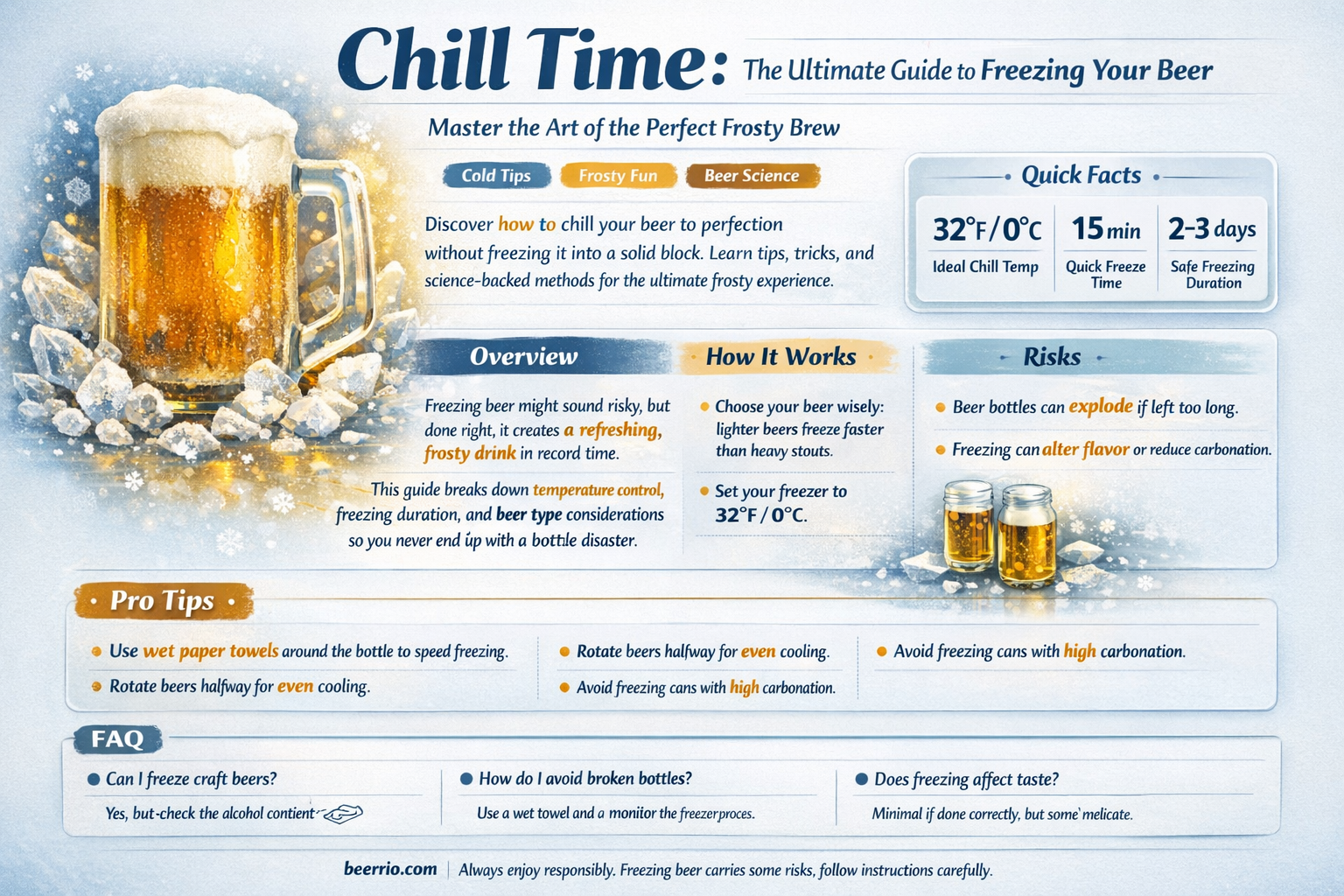
When it comes to chilling a warm beer quickly, many people turn to their freezer. However, it's important to know how long to leave a beer in the freezer to avoid freezing it solid or damaging the bottle. The ideal time to leave a warm beer in the freezer depends on several factors, including the initial temperature of the beer, the size of the bottle, and the desired level of chill. Generally, it's recommended to place the beer in the freezer for about 15-20 minutes for a standard 12-ounce bottle. This timeframe allows the beer to reach a refreshing temperature without risking freezing. It's crucial to monitor the beer closely during this period and remove it from the freezer as soon as it reaches the desired chill level to prevent any potential issues.
Explore related products


What You'll Learn
- Ideal Freezing Time: Determine the optimal duration for chilling beer in the freezer to achieve desired temperature
- Factors Affecting Chilling: Explore how beer volume, freezer temperature, and initial beer temperature impact chilling time
- Preventing Over-Freezing: Learn signs to avoid freezing beer for too long, which can affect taste and texture
- Quick Chilling Methods: Discover alternative techniques to rapidly cool beer if time is limited
- Effects on Beer Quality: Understand how freezing duration influences beer's flavor, carbonation, and overall quality

Ideal Freezing Time: Determine the optimal duration for chilling beer in the freezer to achieve desired temperature
To determine the ideal freezing time for beer, it's essential to consider the initial temperature of the beer and the desired final temperature. Beer typically tastes best when served between 45°F and 55°F (7°C and 13°C), depending on the type. If the beer starts at room temperature (around 70°F or 21°C), it will take longer to chill than if it were already refrigerated.
The freezing method is also crucial. Placing the beer directly in the freezer can lead to uneven cooling and potential freezing, which can affect the taste and texture. Instead, it's recommended to wrap the beer in a damp cloth or paper towel before placing it in the freezer. This method helps to distribute the cold more evenly and prevents the beer from freezing too quickly.
As a general guideline, a 12-ounce beer bottle or can will take approximately 15-20 minutes to chill from room temperature to the ideal serving temperature when wrapped in a damp cloth and placed in a standard home freezer. However, this time can vary depending on the efficiency of the freezer and the initial temperature of the beer.
It's important to monitor the beer closely during the chilling process to avoid over-freezing. Once the beer reaches the desired temperature, it should be removed from the freezer and allowed to sit at room temperature for a few minutes before serving. This allows the beer to reach a more uniform temperature throughout the bottle or can, enhancing the overall drinking experience.
In summary, the ideal freezing time for beer depends on several factors, including the initial temperature, the desired final temperature, and the freezing method. By following these guidelines and monitoring the chilling process closely, you can achieve the perfect temperature for your beer every time.
Chill or Not: The Optimal Time for Freezing Bottled Beer
You may want to see also
Explore related products




Factors Affecting Chilling: Explore how beer volume, freezer temperature, and initial beer temperature impact chilling time
The chilling time of a beer in a freezer is influenced by several key factors, each playing a significant role in determining how quickly the beverage reaches the desired temperature. Understanding these factors can help optimize the chilling process, ensuring that the beer is ready to be enjoyed at its best.
Firstly, the volume of the beer is a crucial consideration. Larger volumes of beer will naturally take longer to chill than smaller volumes, as there is more liquid to cool down. This is because the heat transfer from the beer to the surrounding cold air in the freezer is proportional to the surface area of the beer container. Therefore, a larger beer bottle or can will have a smaller surface area to volume ratio, resulting in slower cooling.
Secondly, the temperature of the freezer is another critical factor. The lower the temperature of the freezer, the faster the beer will chill. This is because the rate of heat transfer is directly related to the temperature difference between the beer and the freezer. A freezer set at a very low temperature will create a greater temperature gradient, leading to quicker cooling of the beer.
Lastly, the initial temperature of the beer also impacts the chilling time. If the beer starts out at a higher temperature, it will take longer to reach the desired chilled temperature. This is because the beer must first lose the excess heat before it can begin to absorb the cold from the freezer. Therefore, starting with a beer that is already at room temperature will result in a shorter chilling time compared to a beer that has been left in a warm environment.
In conclusion, to achieve the optimal chilling time for a beer in a freezer, it is essential to consider the volume of the beer, the temperature of the freezer, and the initial temperature of the beer. By understanding and controlling these factors, one can ensure that the beer is chilled efficiently and effectively, ready to be enjoyed at its peak refreshment.
Perfect Pour: Mastering the Art of Beer on PB2 Timing
You may want to see also
Explore related products



Preventing Over-Freezing: Learn signs to avoid freezing beer for too long, which can affect taste and texture
One critical aspect of beer storage is recognizing the signs of over-freezing, which can significantly impact the beverage's quality. Over-freezing occurs when beer is left in the freezer for an extended period, causing it to become too cold and potentially leading to ice crystal formation. This can result in a watery, bland taste and a compromised texture. To prevent over-freezing, it's essential to monitor the beer's temperature and appearance closely. If you notice any signs of ice crystals forming or the beer becoming slushy, it's time to remove it from the freezer immediately.
Another sign of over-freezing is the beer's color. If it appears dull or cloudy, this could indicate that the freezing process has affected the beer's proteins and carbohydrates, leading to an undesirable change in its appearance and taste. Additionally, over-frozen beer may exhibit a metallic or skunky aroma, which is a clear indication that the freezing process has gone too far. To avoid these issues, it's crucial to follow the recommended freezing times and temperatures for your specific type of beer.
When it comes to preventing over-freezing, it's also important to consider the type of container the beer is stored in. Glass bottles are more susceptible to over-freezing than cans, as they allow for more heat transfer. Therefore, if you're planning to freeze your beer, it's best to use cans whenever possible. Additionally, make sure to place the beer in the freezer door rather than the main compartment, as the door is typically warmer and will help prevent over-freezing.
In conclusion, preventing over-freezing is key to maintaining the quality of your beer. By monitoring the temperature, appearance, and aroma of your beer, and by using the appropriate storage containers and freezer placement, you can ensure that your beer remains fresh and enjoyable. Remember, it's always better to err on the side of caution and remove the beer from the freezer slightly earlier than recommended, as you can always let it warm up if needed.
Explore related products


Quick Chilling Methods: Discover alternative techniques to rapidly cool beer if time is limited
In a pinch, when the freezer isn't an option or time is of the essence, there are several alternative methods to rapidly chill a beer. One effective technique is the "ice water bath." Fill a large bowl or sink with ice and cold water, ensuring the ice covers the bottom. Submerge the beer bottles in the ice water, making sure they are fully surrounded by the ice. This method can bring the temperature of the beer down significantly within 10-15 minutes.
Another quick chilling method is the "saltwater ice bath." This technique works similarly to the ice water bath but with an added twist. Dissolve a generous amount of salt in the water before adding the ice. The saltwater mixture lowers the freezing point of the ice, creating an even colder bath for the beer. This can result in faster cooling times compared to the standard ice water bath.
For those who prefer a more hands-on approach, the "wet towel method" can be quite effective. Dampen a clean towel with cold water and wrap it around the beer bottles. Then, place the wrapped bottles in the refrigerator or even in a cooler with ice. The wet towel helps to conduct heat away from the beer more efficiently, speeding up the cooling process.
If you're looking for a more unconventional method, the "spin and chill" technique might be worth a try. Place the beer bottles in a salad spinner or a similar device and spin them rapidly. The centrifugal force helps to distribute the cold temperature more evenly throughout the beer, resulting in a quicker chill. However, this method requires some caution to avoid damaging the bottles or spilling their contents.
Lastly, the "ice cube tray method" can be a convenient option if you have limited space in your freezer. Fill an ice cube tray with water and place it in the freezer. Once the ice cubes are frozen, remove them from the tray and place them in a plastic bag or container. Then, wrap the bag or container around the beer bottles. The ice cubes will help to cool the beer quickly without taking up too much space in the freezer.
Remember, when using any of these quick chilling methods, it's important to monitor the temperature of the beer to avoid over-chilling or freezing, which can affect the taste and quality of the beer.
Explore related products
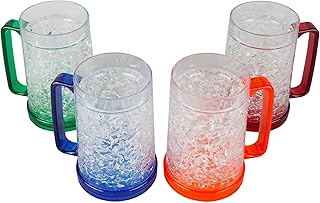


Effects on Beer Quality: Understand how freezing duration influences beer's flavor, carbonation, and overall quality
Freezing beer can have a significant impact on its quality, particularly if not done correctly. The duration of freezing is a critical factor that can influence the flavor, carbonation, and overall quality of the beer. When beer is frozen for too long, it can lead to the formation of ice crystals, which can damage the cell walls of the yeast and other microorganisms responsible for fermentation. This can result in off-flavors and a decrease in carbonation.
On the other hand, freezing beer for too short a period may not be effective in chilling it to the desired temperature. This can lead to a less refreshing drinking experience and may not adequately suppress the flavors of adjuncts or other ingredients that are more pronounced at warmer temperatures.
The ideal freezing duration for beer depends on several factors, including the initial temperature of the beer, the type of beer, and the desired final temperature. As a general rule, it is recommended to freeze beer for no more than 2-3 hours. This should be sufficient to chill the beer to a suitable drinking temperature without causing damage to its quality.
It is also important to note that different types of beer may require different freezing durations. For example, lighter beers such as lagers and pilsners may require less time to chill than heavier beers such as stouts and porters. Additionally, beers with higher alcohol content may require longer freezing durations to achieve the desired temperature.
In conclusion, understanding the effects of freezing duration on beer quality is essential for ensuring a refreshing and enjoyable drinking experience. By following the recommended guidelines and taking into account the specific characteristics of the beer being frozen, it is possible to achieve the perfect balance of flavor, carbonation, and temperature.
Frequently asked questions
To chill a warm beer quickly in the freezer, it's best to leave it for about 15-20 minutes. This time frame allows the beer to reach a desirable cold temperature without freezing.
If you leave the beer in the freezer for too long, it can freeze, leading to a slushy or icy texture. Additionally, freezing can cause the beer to expand, potentially leading to the bottle or can bursting.
Generally, it is safe to drink a beer that has been frozen and then thawed, as long as it hasn't been left frozen for an extended period. However, the quality and taste may be affected, and it's best to consume it soon after thawing.
You can often tell if a beer has been frozen and thawed by checking for signs of condensation on the outside of the bottle or can, or by noticing any slushy or icy texture when you pour it. Additionally, the taste may be slightly different from a beer that hasn't been frozen.
If you don't have a freezer available, you can chill a beer by placing it in a bucket of ice water for about 10-15 minutes. Alternatively, you can put it in the refrigerator for a longer period, typically 30-60 minutes, depending on the initial temperature of the beer.