Lucy Palmer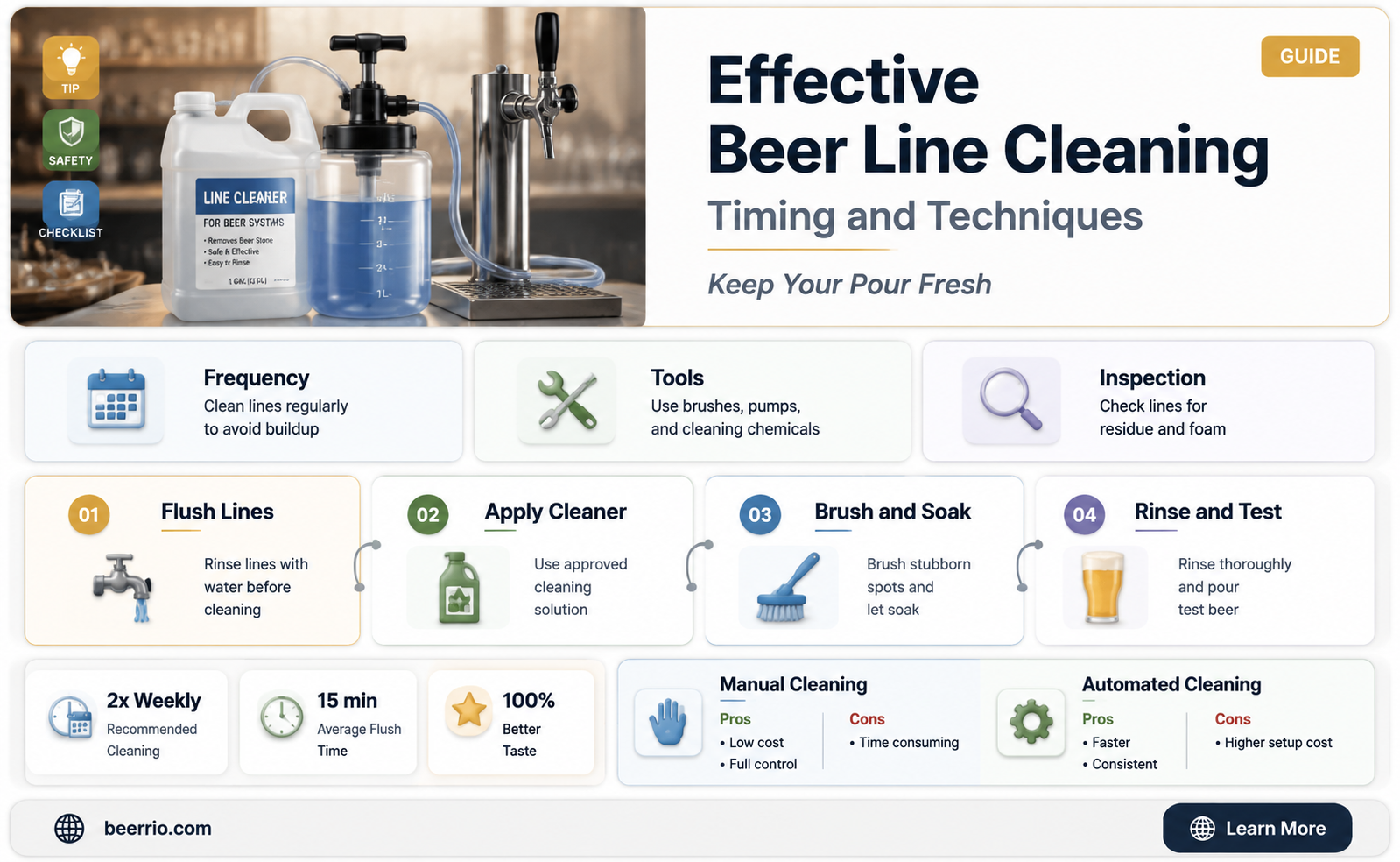
When it comes to maintaining the quality and taste of beer, cleaning the beer lines is a crucial step. Beer line cleaners are designed to remove any buildup of yeast, bacteria, and other residues that can affect the flavor and clarity of the beer. The question of how long to leave beer line cleaner in the lines is an important one, as it can impact the effectiveness of the cleaning process. Generally, it's recommended to leave the cleaner in the lines for a specific period, usually between 15 to 30 minutes, depending on the type of cleaner and the level of buildup. This allows the cleaning solution to penetrate and break down any stubborn residues. After the recommended time has passed, it's essential to thoroughly rinse the lines with water to remove any remaining cleaner and debris, ensuring that the beer lines are clean and ready for use.
| Characteristics | Values |
|---|---|
| Chemical Composition | Typically contains a blend of acids, bases, and detergents designed to break down and remove beer stone, proteins, and other residues. |
| Form | Usually a liquid or gel, sometimes in a concentrated form that requires dilution with water. |
| Application Method | Applied directly to the beer lines, often using a pump or spray system to ensure thorough coverage. |
| Contact Time | Generally requires a soaking period of 15-30 minutes, depending on the severity of the buildup and the specific product instructions. |
| Effectiveness | Highly effective at removing beer stone and other organic matter that can affect the taste and quality of the beer. |
| Frequency of Use | Recommended for use every 1-2 weeks, or as needed based on the volume of beer dispensed and the condition of the lines. |
| Safety Considerations | May contain harsh chemicals; proper protective equipment (gloves, goggles) should be used during application. |
| Environmental Impact | Some cleaners are biodegradable, while others may require special disposal methods to avoid environmental harm. |
| Compatibility | Ensure the cleaner is compatible with the materials of the beer lines (e.g., stainless steel, plastic) to avoid damage. |
| Storage Requirements | Typically stored in a cool, dry place away from direct sunlight and out of reach of children and pets. |
| Shelf Life | Varies by product, but generally has a shelf life of 1-2 years when stored properly. |
| Cost | Prices can range from $10 to $50 per container, depending on the brand, size, and concentration of the product. |
| Brand Examples | Some popular brands include Five Star Chemicals, Brewers Best, and Clean Beer. |
| User Reviews | Generally positive, with users noting the effectiveness and ease of use of these products. |
| Professional Recommendations | Often recommended by brewing experts and professionals for maintaining the quality and taste of draft beer. |
Explore related products



What You'll Learn
- Introduction to Beer Line Cleaning: Overview of the importance and frequency of cleaning beer lines
- Types of Beer Line Cleaners: Different chemical and non-chemical cleaners available for cleaning beer lines
- Cleaning Process: Step-by-step guide on how to properly clean beer lines, including disassembly and reassembly
- Frequency of Cleaning: Recommendations on how often to clean beer lines based on usage and type of beer
- Troubleshooting Common Issues: Solutions to common problems encountered during the cleaning process, such as leaks or clogs

Introduction to Beer Line Cleaning: Overview of the importance and frequency of cleaning beer lines
Beer line cleaning is a critical aspect of maintaining the quality and taste of beer served from draft systems. Over time, beer lines can accumulate residues from the beer itself, as well as from water and other contaminants, which can lead to off-flavors, reduced beer flow, and even health hazards. Regular cleaning helps to prevent these issues, ensuring that the beer tastes fresh and flows smoothly.
The frequency of cleaning beer lines depends on several factors, including the type of beer being served, the length of the lines, and the volume of beer dispensed. As a general rule, beer lines should be cleaned at least once a week, but more frequent cleaning may be necessary in high-volume establishments or those serving beers with higher levels of proteins and carbohydrates, which can contribute to faster buildup of residues.
Effective beer line cleaning involves several steps. First, the lines should be flushed with hot water to remove any loose debris. Then, a specialized beer line cleaner should be circulated through the lines, following the manufacturer's instructions for concentration and contact time. After the cleaner has had time to work, the lines should be flushed again with hot water to remove any remaining cleaner and dislodged residues. Finally, the lines should be sanitized with a food-grade sanitizer to kill any bacteria or other microorganisms that may have been introduced during the cleaning process.
One common mistake in beer line cleaning is not allowing the cleaner to sit in the lines for the recommended amount of time. This can result in incomplete removal of residues and may lead to continued off-flavors or other issues. It is important to follow the manufacturer's instructions carefully and to ensure that the cleaner has sufficient time to work effectively.
In addition to regular cleaning, there are several other steps that can be taken to maintain the quality of beer lines. These include using high-quality, food-grade hoses and fittings, avoiding the use of harsh chemicals or abrasive cleaners, and ensuring that the beer system is properly balanced and maintained. By following these guidelines and maintaining a regular cleaning schedule, beer establishments can help to ensure that their customers enjoy the best possible beer experience.
Perfecting the Brew: Optimal Secondary Fermentation Time for Beer
You may want to see also
Explore related products


Types of Beer Line Cleaners: Different chemical and non-chemical cleaners available for cleaning beer lines
Chemical beer line cleaners are typically the most effective at breaking down and removing stubborn residues. These cleaners often contain caustic substances like sodium hydroxide or potassium hydroxide, which can dissolve grease, grime, and protein deposits. However, they require careful handling and adherence to safety protocols, as they can cause skin and eye irritation. It's essential to wear protective gear, such as gloves and goggles, when using these cleaners.
Non-chemical beer line cleaners, on the other hand, are generally safer to use and more environmentally friendly. These cleaners often contain enzymes or bacteria that break down organic matter, making them effective at removing beer stone and other residues without the need for harsh chemicals. They are also less likely to damage the beer lines or affect the taste of the beer. However, they may not be as effective at removing heavy buildup as their chemical counterparts.
When choosing a beer line cleaner, it's important to consider the type of buildup you're dealing with and the material of your beer lines. For example, if you have hard water stains, a cleaner containing citric acid or vinegar may be effective. If you're dealing with protein deposits, an enzyme-based cleaner may be a better choice. Always read the manufacturer's instructions and follow the recommended dosage and cleaning procedures to ensure the best results.
In addition to the type of cleaner, it's also important to consider the frequency of cleaning. Regular cleaning can help prevent buildup and maintain the quality of your beer. However, over-cleaning can also be detrimental, as it can strip away the natural oils and flavors of the beer. A good rule of thumb is to clean your beer lines every 1-2 weeks, depending on usage.
Finally, it's essential to rinse your beer lines thoroughly after cleaning to remove any residual cleaner. This can be done by running clean water through the lines or by using a specialized rinsing solution. Failure to rinse properly can result in off-flavors and other issues with your beer.
Perfecting the Brew: Optimal Aging Time for Bottled Beer
You may want to see also
Explore related products



Cleaning Process: Step-by-step guide on how to properly clean beer lines, including disassembly and reassembly
To ensure the longevity and quality of your beer, cleaning the beer lines is a crucial maintenance task. Begin by disassembling the beer lines, taking care to remove all connections and fittings. This will allow for a thorough cleaning of each component. Next, prepare a cleaning solution using a beer line cleaner specifically designed for this purpose. Follow the manufacturer's instructions for the correct dosage and mixture.
Once the solution is prepared, circulate it through the disassembled beer lines, ensuring that it reaches all areas. Allow the cleaner to sit for the recommended time, typically around 15-20 minutes, to effectively break down any buildup or residue. After the cleaner has had time to work, rinse the lines thoroughly with clean water to remove all traces of the cleaning solution.
Before reassembling the beer lines, inspect each component for any remaining residue or damage. Replace any parts that show signs of wear or contamination. Once all components are clean and in good condition, reassemble the beer lines, making sure to tighten all connections securely. Finally, sanitize the lines by circulating a sanitizing solution through them, following the manufacturer's instructions for the correct dosage and contact time.
Remember to always follow the specific guidelines provided by the beer line cleaner manufacturer, as different products may have varying instructions. By following these steps, you can ensure that your beer lines are clean, sanitized, and ready for use, ultimately enhancing the taste and quality of your beer.
Chill or Not: The Optimal Time for Freezing Bottled Beer
You may want to see also
Explore related products

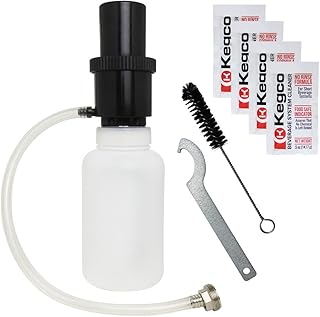


Frequency of Cleaning: Recommendations on how often to clean beer lines based on usage and type of beer
The frequency of cleaning beer lines is a critical aspect of maintaining beer quality and preventing contamination. For establishments that serve a high volume of beer, daily cleaning is recommended to ensure that no residue or bacteria build up. This is especially important for lines that dispense lighter beers, as they are more susceptible to oxidation and can spoil quickly.
For bars and restaurants that serve a moderate amount of beer, a bi-weekly cleaning schedule may be sufficient. However, it's essential to monitor the beer's taste and appearance regularly. If any off-flavors or cloudiness are detected, it's a sign that the lines need to be cleaned more frequently.
In the case of homebrewers or small-scale establishments, the cleaning frequency can be adjusted based on the type of beer being dispensed. For example, stouts and porters, which are darker and have a stronger flavor profile, can tolerate a less frequent cleaning schedule compared to lighter beers like pilsners and lagers.
It's also important to consider the length of the beer lines when determining the cleaning frequency. Longer lines require more time for the cleaning solution to reach all parts of the line, and therefore may need to be cleaned more often to ensure thorough sanitation.
In addition to regular cleaning, it's recommended to sanitize beer lines with a no-rinse sanitizer solution at least once a month. This helps to prevent the buildup of bacteria and other microorganisms that can affect the taste and quality of the beer.
In conclusion, the frequency of cleaning beer lines should be based on a combination of factors, including the volume of beer dispensed, the type of beer, and the length of the lines. By following these recommendations, establishments can ensure that their beer lines remain clean and free of contamination, ultimately providing a better experience for their customers.
Perfect Pour: Mastering the Art of Beer on PB2 Timing
You may want to see also
Explore related products

$43.99 $62.48

$4.99 $9.99


Troubleshooting Common Issues: Solutions to common problems encountered during the cleaning process, such as leaks or clogs
One of the most common issues encountered during the beer line cleaning process is leaks. These can occur at various points in the system, including connections, valves, and the lines themselves. To troubleshoot leaks, first ensure that all connections are secure and that the valves are properly closed. If the leak persists, inspect the lines for any signs of damage or wear. In some cases, it may be necessary to replace a damaged section of line. Another potential cause of leaks is improper installation of the cleaning solution. Make sure to follow the manufacturer's instructions carefully and to use the correct amount of solution for your system.
Clogs are another frequent problem that can arise during the cleaning process. These can be caused by a buildup of residue, sediment, or other debris in the lines. To address clogs, first try running a cleaning solution through the lines to break up the blockage. If this does not work, you may need to use a specialized cleaning tool, such as a brush or a snake, to physically remove the clog. In some cases, it may be necessary to disassemble the lines and clean them individually. To prevent clogs from occurring in the first place, make sure to regularly clean and maintain your beer lines.
Another issue that can occur during the cleaning process is foaming. This can be caused by a number of factors, including the use of too much cleaning solution, improper mixing of the solution, or the presence of air in the lines. To troubleshoot foaming, first check the manufacturer's instructions to ensure that you are using the correct amount of cleaning solution. If the problem persists, try mixing the solution more thoroughly or using a different type of solution that is less prone to foaming. Additionally, make sure to bleed any air out of the lines before starting the cleaning process.
Finally, it is important to be aware of the potential risks associated with the cleaning process. Cleaning solutions can be hazardous if not handled properly, and improper cleaning techniques can damage your beer lines or system. Always wear protective gear, such as gloves and goggles, when handling cleaning solutions, and make sure to follow the manufacturer's instructions carefully. Additionally, be sure to rinse the lines thoroughly with water after cleaning to remove any residual cleaning solution.
Chill Time: The Ultimate Guide to Freezing Your Beer
You may want to see also
Frequently asked questions
Typically, beer line cleaners should be left in the lines for about 10-15 minutes to effectively remove any buildup and sanitize the lines.
Factors such as the type of cleaner used, the length and material of the beer lines, and the level of buildup or contamination can influence the recommended duration. Always refer to the manufacturer's instructions for specific guidance.
Leaving the cleaner in for longer than the recommended time may not necessarily improve cleaning efficiency and could potentially damage the lines or affect the taste of the beer. It's best to follow the suggested duration.
Beer lines should generally be cleaned every 2-4 weeks, depending on usage. High-volume establishments may need to clean their lines more frequently to maintain optimal beer quality and prevent contamination.
Neglecting to clean beer lines regularly can lead to the buildup of bacteria, yeast, and other contaminants, which can spoil the taste and quality of the beer. It may also result in reduced beer flow and increased wear and tear on the equipment.