Beatrix Montes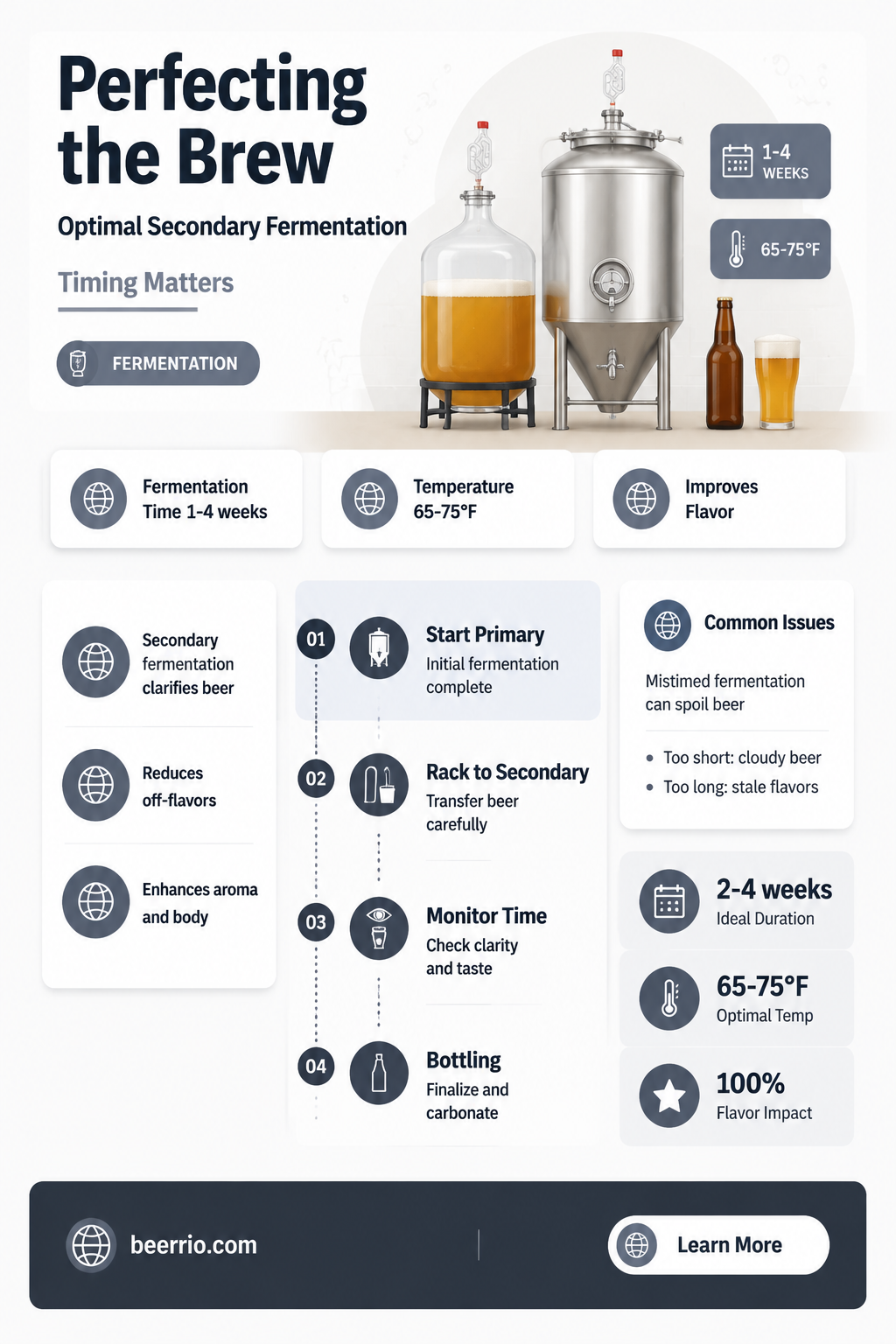
When brewing beer, the secondary fermenter plays a crucial role in the fermentation process. It's where the beer undergoes a secondary fermentation, which helps to clarify the beer, improve its flavor, and reduce the risk of off-flavors. The length of time beer should be left in the secondary fermenter varies depending on several factors, including the type of beer being brewed, the yeast strain used, and the desired flavor profile. Generally, beer can be left in the secondary fermenter for anywhere from a few days to several weeks. It's important to monitor the beer's progress and make adjustments as needed to ensure the best possible outcome.
Explore related products


What You'll Learn
- Factors Affecting Fermentation Time: Temperature, yeast type, beer style, and desired flavor profile can influence secondary fermentation duration
- Typical Timeframes: Most beers benefit from 1-2 weeks in the secondary fermenter, but some styles may require longer periods
- Monitoring Fermentation Progress: Regularly check for signs of fermentation activity, such as airlock bubbles, and monitor specific gravity
- Preventing Over-Fermentation: Be cautious not to leave the beer too long, as over-fermentation can lead to off-flavors and dryness
- Secondary Fermentation Equipment: Ensure the secondary fermenter is properly sanitized and sealed to prevent contamination and oxidation

Factors Affecting Fermentation Time: Temperature, yeast type, beer style, and desired flavor profile can influence secondary fermentation duration
Temperature plays a crucial role in determining the duration of secondary fermentation. Yeast activity increases with temperature, which can lead to faster fermentation times. However, higher temperatures can also result in the production of unwanted flavors and aromas. For most beer styles, a temperature range of 65-75°F (18-24°C) is ideal for secondary fermentation. This range allows for a balance between fermentation speed and flavor development.
The type of yeast used can also significantly impact fermentation time. Different yeast strains have varying levels of activity and tolerance to environmental factors. For example, some yeast strains may ferment more quickly at higher temperatures, while others may be more sensitive to temperature changes. Brewers often choose yeast strains based on the desired flavor profile and fermentation characteristics.
Beer style is another important factor to consider. Some beer styles, such as lagers, require longer fermentation times to develop the desired flavors and aromas. Other styles, such as ales, may ferment more quickly. The desired flavor profile can also influence fermentation time. For example, if a brewer wants to achieve a fruity, estery flavor, they may choose a yeast strain that ferments more slowly and at a lower temperature.
In addition to these factors, the size of the fermenter and the amount of beer being fermented can also impact fermentation time. Larger fermenters may require longer fermentation times to ensure that the yeast has enough time to work. Similarly, if a brewer is fermenting a large batch of beer, they may need to adjust the fermentation time accordingly.
Ultimately, the duration of secondary fermentation will depend on a combination of these factors. Brewers must carefully consider the specific requirements of their beer style, yeast strain, and desired flavor profile when determining the optimal fermentation time. By taking these factors into account, brewers can ensure that their beer develops the desired flavors and aromas while minimizing the risk of unwanted side effects.
Chill or Not: The Optimal Time for Freezing Bottled Beer
You may want to see also
Explore related products


Typical Timeframes: Most beers benefit from 1-2 weeks in the secondary fermenter, but some styles may require longer periods
The typical timeframe for leaving beer in a secondary fermenter is 1-2 weeks, but this can vary depending on the style of beer being brewed. For example, lagers and pilsners may require a longer secondary fermentation period of up to 4-6 weeks to achieve the desired level of clarity and flavor. On the other hand, some ales and stouts may only need a few days in the secondary fermenter before being ready for bottling or kegging.
It's important to note that the secondary fermentation period is not just about time, but also about temperature and oxygen exposure. During this stage, the beer should be kept at a consistent temperature to ensure proper fermentation and flavor development. Additionally, it's crucial to minimize oxygen exposure, as this can lead to off-flavors and spoilage.
To determine the optimal secondary fermentation period for a specific beer style, it's best to consult a brewing recipe or guide. These resources will provide detailed instructions on the recommended timeframe, temperature, and other factors to consider for each type of beer. By following these guidelines, brewers can ensure that their beer is properly fermented and ready for consumption.
In some cases, brewers may choose to extend the secondary fermentation period to achieve a more complex flavor profile or to allow the beer to mature. However, this should be done with caution, as over-fermentation can lead to undesirable flavors and aromas. It's always best to monitor the beer's progress closely and make adjustments as needed to achieve the desired outcome.
Ultimately, the key to successful secondary fermentation is patience and attention to detail. By carefully controlling the environment and monitoring the beer's progress, brewers can ensure that their beer is properly fermented and ready for enjoyment.
Perfect Pour: Mastering the Art of Beer on PB2 Timing
You may want to see also
Explore related products


Monitoring Fermentation Progress: Regularly check for signs of fermentation activity, such as airlock bubbles, and monitor specific gravity
Regular monitoring of fermentation progress is crucial when brewing beer, as it helps ensure the process is proceeding correctly and allows for timely interventions if issues arise. One key indicator of fermentation activity is the presence of bubbles in the airlock. These bubbles are produced as yeast consumes sugars and releases carbon dioxide, signaling that fermentation is underway. Brewers should check the airlock daily, especially during the initial stages of fermentation, to confirm that the yeast is active and healthy.
In addition to observing airlock bubbles, monitoring the specific gravity of the beer is essential for tracking fermentation progress. Specific gravity is a measure of the density of the beer relative to water and can be used to estimate the alcohol content and determine when fermentation is complete. Brewers typically measure specific gravity using a hydrometer, taking readings at regular intervals throughout the fermentation process. A drop in specific gravity indicates that sugars are being converted into alcohol, while a stable reading suggests that fermentation has reached its endpoint.
The frequency of specific gravity measurements can vary depending on the brewing recipe and the brewer's experience level. For novice brewers, it's recommended to take readings every 2-3 days during the first week of fermentation and then weekly thereafter. More experienced brewers may opt for less frequent readings, relying on their knowledge and intuition to gauge fermentation progress.
Another important aspect of monitoring fermentation is maintaining a consistent temperature. Yeast activity is highly temperature-dependent, and fluctuations can lead to off-flavors or incomplete fermentation. Brewers should aim to keep the fermentation temperature within a narrow range, typically between 65-75°F (18-24°C) for most beer styles. Using a thermometer to monitor the temperature of the fermenter can help ensure that the yeast is working optimally.
By regularly checking for signs of fermentation activity, such as airlock bubbles, and monitoring specific gravity, brewers can gain valuable insights into the progress of their beer. This information can be used to make informed decisions about when to transfer the beer to a secondary fermenter, when to bottle or keg, and when the beer will be ready for consumption. Effective monitoring not only helps prevent potential issues but also contributes to the overall quality and consistency of the final product.
Perfecting the Brew: Optimal Aging Time for Bottled Beer
You may want to see also
Explore related products


Preventing Over-Fermentation: Be cautious not to leave the beer too long, as over-fermentation can lead to off-flavors and dryness
Over-fermentation is a common pitfall in the beer brewing process, particularly when it comes to secondary fermentation. Leaving your beer in the secondary fermenter for too long can result in a host of undesirable outcomes, including the development of off-flavors and an unpleasantly dry finish. To prevent this, it's crucial to monitor the fermentation process closely and take steps to ensure that it doesn't extend beyond the optimal timeframe.
One effective method for preventing over-fermentation is to regularly check the specific gravity of your beer. By tracking the changes in specific gravity over time, you can gauge the progress of fermentation and determine when it's time to move on to the next stage. Another key indicator to watch for is the level of carbonation; if you notice that the beer is becoming excessively fizzy, it may be a sign that fermentation is progressing too rapidly.
In addition to these monitoring techniques, it's also important to maintain proper storage conditions for your beer during secondary fermentation. Keeping the beer at a consistent temperature and protecting it from exposure to light and air can help to slow down the fermentation process and prevent over-fermentation. It's also a good idea to use a secondary fermenter with a tight-fitting lid to minimize the risk of contamination and oxidation.
Ultimately, the key to preventing over-fermentation is to strike a balance between allowing the beer enough time to develop its flavors and preventing it from sitting for so long that it begins to deteriorate. By staying vigilant and taking proactive steps to monitor and control the fermentation process, you can ensure that your beer turns out well-balanced and delicious.
Perfecting the Brew: Optimal Fermentation Time for Beer
You may want to see also
Explore related products
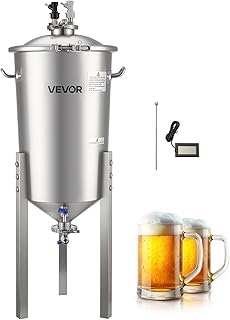

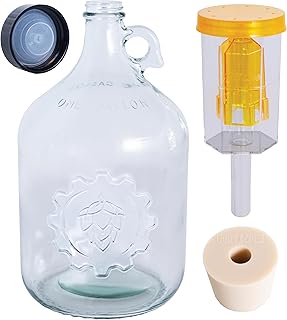


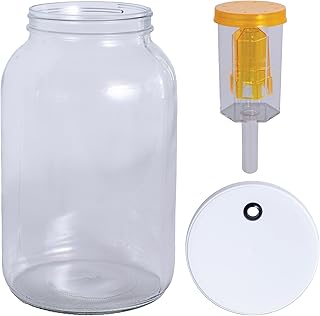
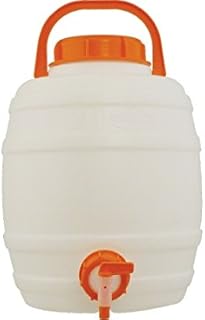
Secondary Fermentation Equipment: Ensure the secondary fermenter is properly sanitized and sealed to prevent contamination and oxidation
Proper sanitation and sealing of the secondary fermenter are crucial steps in the beer brewing process. This equipment plays a pivotal role in the secondary fermentation stage, where the beer undergoes a transformation that significantly impacts its final flavor and clarity. Ensuring that the fermenter is thoroughly cleaned and disinfected before use is essential to prevent any contamination that could spoil the beer or introduce off-flavors.
The process of sanitizing the secondary fermenter typically involves several steps. First, the fermenter should be cleaned with a mild detergent and warm water to remove any residual beer or debris from previous batches. Following this, a sanitizing solution, such as bleach or a commercial sanitizer, should be prepared and used to disinfect the fermenter. It is important to follow the manufacturer's instructions for the sanitizer to ensure effective disinfection. After sanitizing, the fermenter should be rinsed thoroughly with clean water to remove any traces of the sanitizing solution.
Sealing the secondary fermenter is equally important to prevent oxidation and contamination. The fermenter should be sealed with an airtight lid or stopper to create a closed environment that minimizes the risk of oxygen entering the system. This is crucial because oxygen can react with the beer, leading to oxidation and the formation of undesirable compounds that can negatively impact the beer's taste and aroma. Additionally, an airtight seal helps to maintain the carbonation level of the beer, ensuring that it remains effervescent and refreshing.
When transferring the beer from the primary fermenter to the secondary fermenter, it is essential to do so in a controlled manner to minimize the risk of contamination. This can be achieved by using a siphon or a racking cane to gently transfer the beer, leaving behind any sediment or yeast that may have settled at the bottom of the primary fermenter. Once the beer is in the secondary fermenter, it should be sealed and stored in a cool, dark place to allow the secondary fermentation process to occur undisturbed.
In conclusion, proper sanitation and sealing of the secondary fermenter are critical steps in the beer brewing process. By following these guidelines, brewers can ensure that their beer undergoes a successful secondary fermentation, resulting in a high-quality, flavorful final product.
Chill Time: The Ultimate Guide to Freezing Your Beer
You may want to see also
Frequently asked questions
The duration beer should be left in a secondary fermenter varies depending on the type of beer and the desired outcome. Generally, it can range from a few days to several weeks. Lighter beers like lagers might require 2-4 weeks, while stronger beers like stouts or sour beers could need 6-12 weeks or more.
Several factors influence the time beer needs in a secondary fermenter, including the type of yeast used, the original gravity of the wort, the temperature of fermentation, and the desired flavor profile. Yeast activity, which can be monitored by observing the airlock for signs of fermentation, is a key indicator of when the beer might be ready.
Yes, beer can be left too long in a secondary fermenter. Over-fermentation can lead to off-flavors, such as a sour or funky taste, if not intentionally souring the beer. It's important to monitor the fermentation process and taste the beer periodically to ensure it reaches the desired flavor profile without over-fermenting.
Beer is typically ready to be bottled after secondary fermentation when the yeast activity has subsided, and the beer has cleared. You can check for yeast activity by observing the airlock; if there are no bubbles or very few, it's a good sign that fermentation is complete. Additionally, tasting the beer can help determine if it has reached the desired flavor and if any off-flavors are present.