Lucy Palmer
Beer is a popular alcoholic beverage that has been consumed for centuries. It is typically made from four main ingredients: water, malted barley, hops, and yeast. The brewing process involves the conversion of starches in the barley into fermentable sugars, which are then consumed by the yeast to produce alcohol and carbon dioxide. This process raises questions about the nutritional content of beer, particularly regarding its starch and sugar levels. While beer does contain some residual sugars and starches, the majority are broken down during fermentation. The final product is generally low in starch but may contain varying amounts of sugar, depending on the type and brewing method. Understanding the nutritional composition of beer is important for those monitoring their carbohydrate intake or managing conditions such as diabetes.
Explore related products

$6.95


What You'll Learn
- Starch Content: Beer typically contains minimal starch, as most is converted to sugar during brewing
- Sugar Content: Sugars are present in beer, derived from starch breakdown and added ingredients like malt
- Brewing Process: The brewing process involves converting starches to fermentable sugars, impacting the final product's composition
- Nutritional Information: Understanding the starch and sugar content is crucial for those monitoring carbohydrate intake
- Flavor Profile: The balance of starch and sugar affects beer's taste, mouthfeel, and overall flavor profile

Starch Content: Beer typically contains minimal starch, as most is converted to sugar during brewing
The starch content in beer is a topic of interest for many, particularly those monitoring their carbohydrate intake. Beer typically contains minimal starch, as most is converted to sugar during the brewing process. This conversion is primarily due to the action of enzymes such as amylase, which break down starch molecules into simpler sugars. These sugars are then fermented by yeast to produce alcohol and carbon dioxide.
However, it's important to note that the starch content can vary depending on the type of beer and the brewing process used. For instance, some beers may have a higher starch content if they are brewed with unmalted grains or if the brewing process is not fully completed. Additionally, certain types of beer, such as wheat beers, may contain more starch due to the use of wheat in their production.
The brewing process itself is a complex series of steps that involve malting, mashing, boiling, fermenting, conditioning, and packaging. During the mashing process, the starch in the malt is converted into sugars, which are then used by the yeast during fermentation. The length and temperature of the mashing process can affect the amount of starch that is converted into sugar, and thus the final starch content of the beer.
For those looking to reduce their starch intake, it's worth considering the type of beer they consume. Light beers and lagers typically have lower starch content compared to darker beers and ales. Additionally, some breweries produce beers that are specifically labeled as low-carb or starch-free, which may be a suitable option for those monitoring their carbohydrate intake.
In conclusion, while beer typically contains minimal starch due to the conversion to sugar during brewing, the exact content can vary depending on the type of beer and the brewing process. For those concerned about their starch intake, it's important to consider these factors and choose beers accordingly.
Sweetening the Brew: A Guide to Carbonating Beer with Sugar
You may want to see also
Explore related products


Sugar Content: Sugars are present in beer, derived from starch breakdown and added ingredients like malt
Sugars are indeed present in beer, originating from the breakdown of starches during the brewing process. This natural conversion is essential for fermentation, as yeast consumes these sugars to produce alcohol and carbon dioxide. The primary source of starch in beer is malted barley, which is germinated and then dried to halt the enzymatic activity that converts starch to sugar. During brewing, these enzymes are reactivated by the addition of water, allowing the starches to be broken down into fermentable sugars.
In addition to the sugars derived from starch breakdown, brewers may also add supplementary sugars to the wort. These adjunct sugars can include corn sugar, cane sugar, or beet sugar, and are often used to increase the alcohol content or to add specific flavor profiles to the beer. The type and amount of sugar added can significantly influence the final taste, aroma, and mouthfeel of the beer.
The sugar content in beer can vary widely depending on the style and brewing method. For example, lagers and pilsners typically have lower sugar levels due to their longer fermentation and conditioning periods, which allow more time for the yeast to consume the sugars. In contrast, ales and stouts may have higher residual sugar levels, contributing to their richer, more complex flavors.
It's important to note that while beer does contain sugars, the majority of these are consumed by the yeast during fermentation. The residual sugars that remain in the final product are often present in such small quantities that they do not significantly impact the beer's nutritional value. However, for individuals monitoring their sugar intake, it's advisable to check the specific sugar content of different beer styles and brands.
In summary, sugars play a crucial role in the brewing process, contributing to the flavor, aroma, and alcohol content of beer. While the majority of these sugars are consumed during fermentation, the residual amounts can vary depending on the beer style and brewing method. For those interested in the sugar content of beer, it's essential to consider both the natural sugars derived from starch breakdown and any additional sugars added during the brewing process.
The Impact of Beer on Blood Sugar Levels: A Comprehensive Guide
You may want to see also
Explore related products


Brewing Process: The brewing process involves converting starches to fermentable sugars, impacting the final product's composition
The brewing process is a complex series of steps that transforms raw ingredients into the final beer product. At its core, brewing involves the conversion of starches into fermentable sugars, which is a critical step that significantly impacts the composition and flavor of the beer. This process, known as saccharification, is typically achieved through the use of enzymes that break down the starches into simpler sugars.
One of the key ingredients in beer brewing is barley, which is rich in starches. Before the brewing process begins, the barley is often malted, which involves germinating the grains and then drying them. This malting process activates enzymes within the barley that begin to break down the starches into sugars. The degree of malting can vary, affecting the color and flavor of the beer.
During the brewing process, the malted barley is combined with water and heated to specific temperatures to further activate the enzymes and facilitate the conversion of starches to sugars. This mixture, known as the mash, is then filtered to separate the liquid, which contains the fermentable sugars, from the solid grains. The liquid, called wort, is then boiled and cooled before yeast is added to begin the fermentation process.
The type and amount of starches and sugars in the beer can vary depending on the specific brewing process and ingredients used. Some beers, such as lagers, are typically lower in residual sugars and starches due to the fermentation process, while others, like stouts and porters, may contain higher levels of these components, contributing to their richer flavors and textures.
Understanding the brewing process and the role of starches and sugars is essential for both brewers and beer enthusiasts. It allows brewers to control the final product's composition and flavor profile, while enthusiasts can appreciate the complexity and craftsmanship involved in creating different types of beer.
The Sweet Debate: Dissolving Sugar for Beer Carbonation
You may want to see also
Explore related products


Nutritional Information: Understanding the starch and sugar content is crucial for those monitoring carbohydrate intake
For individuals monitoring their carbohydrate intake, understanding the nutritional content of beer is essential. Beer is primarily made from grains such as barley, wheat, or rice, which are rich in starches. During the brewing process, these starches are converted into sugars by enzymes, and then fermented by yeast to produce alcohol. This means that beer typically contains both starch and sugar, although the exact amounts can vary depending on the type of beer and the brewing method used.
When it comes to carbohydrate content, not all beers are created equal. Lighter beers, such as lagers and pilsners, tend to have lower carbohydrate levels compared to heavier beers like stouts and porters. This is because lighter beers are usually brewed with a higher proportion of adjuncts like corn or rice, which are lower in starch than barley. Additionally, some beers may undergo a secondary fermentation process, which can further reduce the residual sugar content.
For those following a low-carb diet, it's important to be aware of the potential impact of beer consumption. While moderate amounts of beer may not significantly affect carbohydrate intake, excessive consumption can quickly add up. It's also worth noting that some beers may contain hidden sources of carbohydrates, such as added sugars or flavorings. Therefore, it's crucial to check the nutritional information on beer labels and to consume in moderation.
In conclusion, understanding the starch and sugar content of beer is vital for individuals monitoring their carbohydrate intake. By being aware of the brewing process and the factors that influence carbohydrate levels, one can make informed choices about beer consumption while still enjoying this popular beverage.
The Sweet Truth: Uncovering the Sugar Content in Beer
You may want to see also
Explore related products




Flavor Profile: The balance of starch and sugar affects beer's taste, mouthfeel, and overall flavor profile
The balance of starch and sugar in beer significantly impacts its taste, mouthfeel, and overall flavor profile. Starch, which is derived from grains like barley, wheat, and rice, provides the primary source of fermentable sugars in beer. During the brewing process, enzymes break down starch into simpler sugars, which are then fermented by yeast to produce alcohol and carbon dioxide. The type and amount of starch used can influence the beer's sweetness, body, and alcohol content.
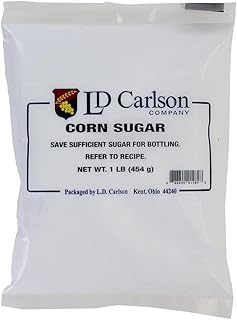
Sugars, on the other hand, can be added to beer in various forms, such as cane sugar, corn sugar, or honey, to enhance its sweetness and complexity. The timing and type of sugar addition can affect the beer's fermentation process and final flavor profile. For example, adding sugar early in the fermentation process can increase the beer's alcohol content, while adding it later can contribute to a sweeter, more residual sugar flavor.
The interplay between starch and sugar is crucial in achieving a balanced flavor profile in beer. Too much starch can result in a beer that is overly sweet and lacks complexity, while too much sugar can create a beer that is thin and lacks body. Brewers must carefully consider the ratio of starch to sugar, as well as the type and timing of sugar additions, to create a beer with the desired taste and mouthfeel.
In addition to affecting the beer's taste and mouthfeel, the balance of starch and sugar can also influence its overall flavor profile. For example, a beer with a higher starch content may have a more malty, bready flavor, while a beer with a higher sugar content may have a more fruity, estery flavor. Brewers can use this to their advantage to create beers with specific flavor profiles, such as a crisp, refreshing lager or a rich, complex stout.
Ultimately, the balance of starch and sugar in beer is a delicate one that requires careful consideration and experimentation. By understanding the role that each plays in the brewing process, brewers can create beers with a wide range of flavors, textures, and complexities that cater to different tastes and preferences.
Unveiling the Truth: Beer's Sugar Content Compared to Soda
You may want to see also
Frequently asked questions
Beer does not contain starch. During the brewing process, starches from grains like barley are converted into sugars through a process called mashing. These sugars are then fermented by yeast to produce alcohol and carbon dioxide, leaving no starch behind in the final product.
The sugar content in beer varies depending on the type and brewing process. Generally, beers contain very little residual sugar, typically less than 1 gram per serving. However, some beers, like Belgian ales and stouts, may have slightly higher sugar content due to the addition of sugars during fermentation or the use of specialty malts.
Beer is not a significant source of carbohydrates. While it does contain some residual sugars, the amount is generally too low to be considered a meaningful source of carbohydrates in a balanced diet. However, beer can contribute to overall calorie intake, so it's important to consume it in moderation as part of a healthy diet.