Oisin Foster
Beer is a popular alcoholic beverage enjoyed by many around the world, but there's often confusion about its nutritional content, particularly regarding sugar. The question does beer have sugar? is a common one, and the answer is not as straightforward as it might seem. While beer is typically not high in sugar, it does contain some naturally occurring sugars from the fermentation process. Additionally, some beers, like certain lagers and ales, may have added sugars to enhance flavor and body. However, the amount of sugar in beer is generally lower than in many other beverages, such as sodas and fruit juices. It's important to note that the sugar content can vary significantly depending on the type and brand of beer, so checking the label or consulting with the brewer can provide more specific information.
Explore related products




What You'll Learn
- Sugar Content in Beer: Exploring the amount of sugar present in different types of beer
- Types of Sugars in Beer: Understanding the various forms of sugar used in beer brewing
- Health Implications: Discussing the potential health effects of sugar consumption through beer
- Brewing Process: How sugar is added during the brewing process and its role in fermentation
- Sugar-Free Beer Options: Overview of beers that are marketed as having low or no sugar content

Sugar Content in Beer: Exploring the amount of sugar present in different types of beer
The sugar content in beer can vary significantly depending on the type and brewing process. Lighter beers, such as lagers and pilsners, typically have lower sugar content compared to darker beers like stouts and porters. This is because darker beers often use more malt, which contains fermentable sugars. During the brewing process, yeast consumes these sugars and produces alcohol and carbon dioxide, but some residual sugar may remain in the final product.
One way to determine the sugar content of a beer is to look at its ingredients list or nutritional information, if available. However, not all beers provide this information, and the sugar content can still vary within the same type of beer depending on the specific recipe and brewing techniques used. Another method is to use a refractometer, which measures the refractive index of the beer. This can give a rough estimate of the sugar content, but it requires some knowledge of brewing and may not be accurate for all types of beer.
It's also important to note that the sugar content in beer can affect its taste and mouthfeel. Beers with higher sugar content may have a sweeter taste and a fuller body, while beers with lower sugar content may be drier and more crisp. Additionally, the sugar content can impact the beer's alcohol content, as more sugar can lead to higher alcohol levels after fermentation.
For those who are health-conscious or have dietary restrictions, it's essential to be aware of the sugar content in beer. While moderate beer consumption is generally considered safe for most adults, excessive sugar intake can lead to health issues such as obesity, diabetes, and heart disease. Therefore, it's crucial to enjoy beer in moderation and to choose options with lower sugar content if possible.
In conclusion, the sugar content in beer is an important factor to consider for both taste preferences and health reasons. By understanding the brewing process and how sugar content can vary among different types of beer, consumers can make informed choices about their beer consumption.
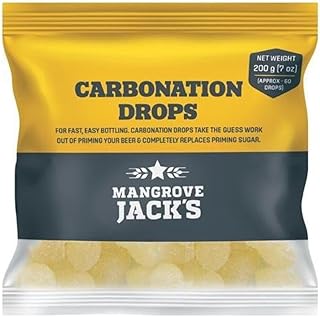
Priming Your Brew: The Sweet Spot for Sugar in Beer
You may want to see also
Explore related products


Types of Sugars in Beer: Understanding the various forms of sugar used in beer brewing
Beer brewing is a complex process that involves the use of various ingredients, including different types of sugars. These sugars play a crucial role in determining the flavor, aroma, and alcohol content of the final product. Understanding the various forms of sugar used in beer brewing can help both homebrewers and commercial brewers create better, more consistent beers.
The most common types of sugars used in beer brewing are maltose, sucrose, glucose, and fructose. Maltose is the primary sugar derived from malted barley and is the backbone of most beer recipes. It provides the necessary fermentable sugars for yeast to produce alcohol and carbon dioxide. Sucrose, or table sugar, is often used as a priming sugar to carbonate the beer after fermentation. Glucose and fructose are simple sugars that can be added to increase the beer's sweetness or to create specific flavor profiles.
In addition to these common sugars, brewers may also use other types of sugars such as honey, maple syrup, or agave nectar to add unique flavors and aromas to their beers. These alternative sugars can be used in small amounts to create subtle nuances or in larger quantities to produce more pronounced effects.
When using different types of sugars in beer brewing, it's important to consider their impact on the beer's flavor, aroma, and alcohol content. For example, using a high proportion of sucrose can result in a beer that is overly sweet and lacks the complexity of flavors derived from maltose. On the other hand, using a combination of glucose and fructose can create a beer with a balanced sweetness and a fruity aroma.
In conclusion, understanding the various forms of sugar used in beer brewing is essential for creating high-quality beers with unique flavors and aromas. By experimenting with different types of sugars and their proportions, brewers can develop their own signature styles and produce beers that stand out from the crowd.
Unveiling the Sweetness: A Deep Dive into Dark Beer's Sugar Content
You may want to see also
Explore related products


Health Implications: Discussing the potential health effects of sugar consumption through beer
Beer, a popular alcoholic beverage, contains varying amounts of sugar depending on the type and brewing process. While some beers have minimal sugar content, others, like fruit beers and some ales, can contain significant amounts. The sugar in beer comes from the fermentation process, where yeast converts sugars from the grain into alcohol and carbon dioxide. However, not all sugars are fermented, and some residual sugar can remain in the final product.
The health implications of sugar consumption through beer are multifaceted. On one hand, moderate beer consumption has been associated with some health benefits, such as improved heart health and reduced risk of certain diseases. However, excessive sugar intake from beer can contribute to weight gain, increased risk of type 2 diabetes, and other health issues. It's essential to note that the sugar content in beer is just one factor to consider when evaluating its health impact; alcohol content, calorie count, and other ingredients also play significant roles.
For individuals monitoring their sugar intake, it's crucial to be aware of the sugar content in different types of beer. Light beers and lagers typically have lower sugar content compared to darker beers and ales. Additionally, some breweries produce sugar-free or low-sugar beers, which can be a better option for those looking to reduce their sugar consumption. It's also important to consider the serving size, as a standard beer serving can range from 12 to 22 ounces, and larger servings will contain more sugar.
In conclusion, while beer can be a part of a balanced diet when consumed in moderation, it's essential to be mindful of the sugar content and its potential health implications. Individuals should consider their overall diet, health goals, and any specific dietary restrictions when deciding whether and how much beer to consume.
Unveiling the Truth: Sour Beers and Their Sugar Content
You may want to see also
Explore related products


Brewing Process: How sugar is added during the brewing process and its role in fermentation
During the brewing process, sugar plays a crucial role in fermentation. It is added to the wort, which is the liquid extracted from the mashing process, to provide the necessary energy for yeast to convert sugars into alcohol and carbon dioxide. This process is known as fermentation. The sugar used in brewing can come from various sources, including malted barley, corn, rice, or even pure cane sugar. The type and amount of sugar added can significantly impact the flavor, body, and alcohol content of the final beer product.
The addition of sugar typically occurs during the mashing process, where the grains are soaked in hot water to convert their starches into fermentable sugars. This process is carefully monitored to ensure the right balance of sugars is achieved. Too much sugar can lead to a beer that is overly sweet and lacks balance, while too little sugar can result in a beer that is thin and lacks body. Brewers often use a combination of different sugar sources to achieve the desired flavor profile and alcohol content in their beer.
Once the sugar is added and the wort is prepared, it is cooled and transferred to a fermentation vessel where yeast is added. The yeast consumes the sugars in the wort, producing alcohol and carbon dioxide as byproducts. This process can take anywhere from a few days to several weeks, depending on the type of beer being brewed and the specific yeast strain used. Brewers closely monitor the fermentation process to ensure that it is proceeding correctly and to make any necessary adjustments.
In conclusion, sugar is a vital component in the brewing process, providing the necessary energy for yeast to convert sugars into alcohol and carbon dioxide. The type and amount of sugar added can significantly impact the flavor, body, and alcohol content of the final beer product. Brewers carefully monitor the mashing and fermentation processes to ensure the right balance of sugars is achieved and to produce a high-quality beer that meets their desired specifications.
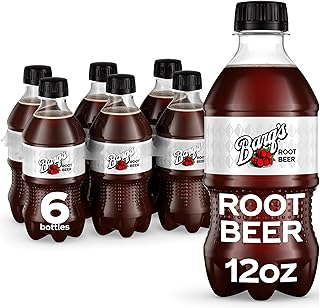
Unveiling the Truth: Beer's Sugar Content Compared to Soda
You may want to see also
Explore related products



Sugar-Free Beer Options: Overview of beers that are marketed as having low or no sugar content
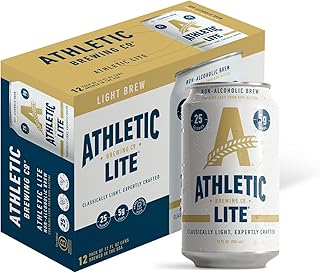
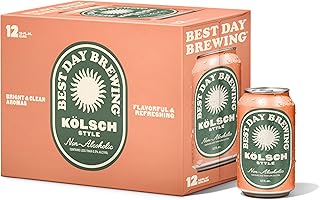
For individuals monitoring their sugar intake, the beer aisle can be a challenging place to navigate. However, there are several sugar-free beer options available that cater to those looking to enjoy a cold one without the added sugars. Brands like Michelob Ultra, Bud Light, and Coors Light are popular choices that are marketed as having low or no sugar content. These beers typically use alternative sweeteners or brewing processes to reduce the sugar content while maintaining the taste.
One unique option is the use of sugar-free beer mixes, which allow individuals to brew their own beer at home without the added sugars. These mixes often come with flavorings and ingredients that mimic the taste of traditional beers but with significantly less sugar. Home brewing also gives individuals the flexibility to control the ingredients and brewing process, ensuring a sugar-free final product.
Another trend in the sugar-free beer market is the rise of keto-friendly beers. These beers are specifically formulated to fit within the ketogenic diet, which is low in carbohydrates and sugars. Keto-friendly beers often use ingredients like monk fruit sweeteners and stevia to provide sweetness without the added sugar.
When choosing a sugar-free beer, it's important to read the labels and ingredients carefully. Some beers may claim to be sugar-free but still contain small amounts of sugar or artificial sweeteners. Additionally, individuals with certain dietary restrictions or health conditions should consult with their healthcare provider before consuming sugar-free beers, as some alternative sweeteners may have adverse effects.
In conclusion, there are several sugar-free beer options available for those looking to reduce their sugar intake. From popular commercial brands to home brewing mixes and keto-friendly options, there's a sugar-free beer to suit every taste preference. By being mindful of labels and ingredients, individuals can enjoy a cold one without the added sugars.
The Sweet Truth: How Beer Transforms into Sugar in Your Body
You may want to see also
Frequently asked questions
Yes, beer does contain sugar. The sugar content comes from the malted barley used in the brewing process, which is converted into fermentable sugars during mashing.
The sugar content in beer varies depending on the type and brewing process. On average, a 12-ounce serving of beer contains about 10-15 grams of sugar. However, some beers, like stouts and porters, can have higher sugar content, while others, like IPAs and lagers, may have less.
The sugar in beer is not the same as the sugar in food. Beer contains fermentable sugars, such as glucose, fructose, and sucrose, which are converted into alcohol and carbon dioxide during fermentation. The sugar in food, on the other hand, is typically sucrose, which is not fermented.
The glycemic index (GI) of beer is relatively low, ranging from 20-40, depending on the type of beer. This means that beer does not cause a rapid increase in blood sugar levels compared to other carbohydrate-containing foods. However, it's still important for people with diabetes to monitor their beer consumption and factor it into their overall carbohydrate intake.