Lucy Palmer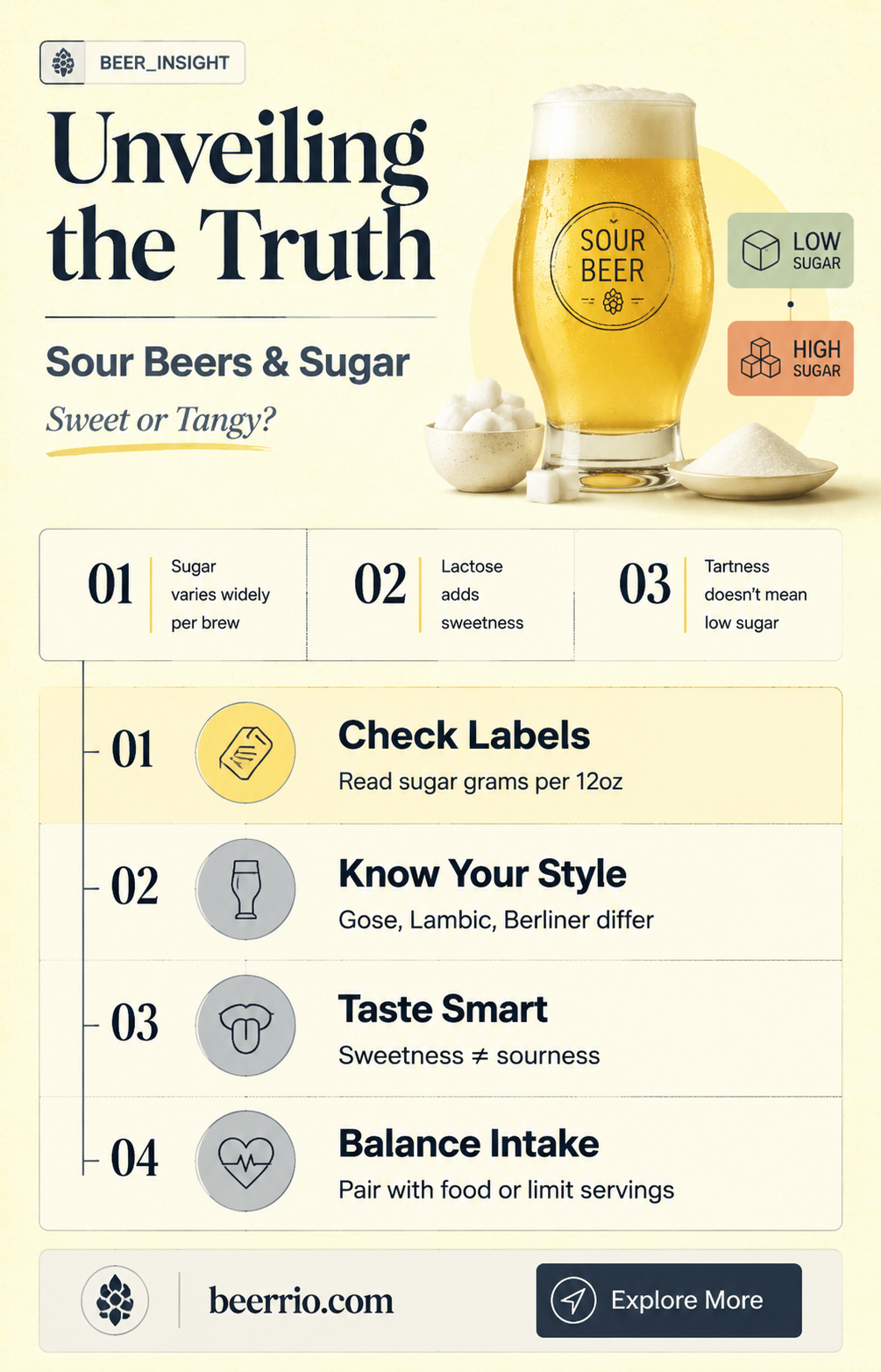
Sour beers, known for their tart and tangy flavors, have gained popularity among craft beer enthusiasts. However, many people are curious about their sugar content. The brewing process for sour beers often involves the addition of sugars, which are then fermented by wild yeast and bacteria to produce the characteristic sour taste. This raises the question: are sour beers high in sugar? The answer is not straightforward, as the sugar content can vary widely depending on the specific brewing techniques and ingredients used. Some sour beers may have higher sugar levels than traditional beers, while others may have lower levels due to the fermentation process. Understanding the sugar content in sour beers requires a closer look at the brewing process and the types of sugars used.
Explore related products


What You'll Learn

What are sour beers?
Sour beers are a type of beer that has been intentionally fermented with lactic acid bacteria, which gives them their characteristic tart and sour flavor profile. This fermentation process is different from the traditional brewing process, where yeast is used to convert sugars into alcohol and carbon dioxide. Instead, lactic acid bacteria convert sugars into lactic acid, which is what gives sour beers their distinctive taste.
One of the most common types of sour beers is the Berliner Weisse, which originated in Germany. This beer is typically light in color and has a refreshing, citrusy flavor. Another popular type of sour beer is the Flanders Red Ale, which is brewed in Belgium. This beer is typically darker in color and has a more complex, fruity flavor profile.
Sour beers are not typically high in sugar, as the lactic acid bacteria used in the fermentation process consume most of the sugars present in the beer. However, some sour beers may have a small amount of residual sugar, which can contribute to their overall flavor profile. It's important to note that the sugar content of sour beers can vary depending on the specific brewing process and ingredients used.
In terms of health benefits, sour beers may offer some advantages over traditional beers. The lactic acid bacteria used in the fermentation process can help to improve gut health, and the lower sugar content of sour beers may make them a better option for people who are watching their sugar intake. However, it's important to remember that all alcoholic beverages should be consumed in moderation.
When it comes to pairing sour beers with food, they can be a great complement to a variety of dishes. The tart and sour flavor profile of sour beers can help to cut through rich and fatty foods, making them a good choice for pairing with meats, cheeses, and desserts. Some sour beers may also pair well with spicy foods, as the acidity can help to balance out the heat.
Overall, sour beers are a unique and flavorful type of beer that can offer a refreshing alternative to traditional brewing styles. Whether you're a seasoned beer enthusiast or just looking to try something new, sour beers are definitely worth exploring.
Zero Sugar Brews: Unveiling the Best Beer Options for Health-Conscious Drinkers
You may want to see also
Explore related products



How are sour beers made?
Sour beers are crafted through a fermentation process that involves the use of wild yeast and bacteria, which contribute to their distinctive tart flavor. Unlike traditional beers that rely on a single strain of yeast, sour beers are often fermented with a blend of yeast and bacteria, such as Brettanomyces and Lactobacillus. These microorganisms convert the sugars in the wort into lactic acid, acetic acid, and other compounds that give sour beers their characteristic acidity.
The process of making sour beers typically begins with the brewing of a wort, which is then cooled and transferred to a fermentation vessel. Instead of pitching a single strain of yeast, brewers may introduce a variety of wild yeast and bacteria, either by using a starter culture or by allowing the wort to ferment spontaneously. The fermentation process for sour beers can be longer and more unpredictable than for traditional beers, often taking several weeks or even months to complete.
During fermentation, the yeast and bacteria work together to consume the sugars in the wort and produce a range of acids and other compounds. The specific flavor profile of a sour beer will depend on the types of microorganisms used, as well as the brewing process and ingredients. Some sour beers may have a fruity, funky character, while others may be more tart and acidic.
One of the key factors in making sour beers is controlling the pH level during fermentation. A lower pH will encourage the growth of lactic acid bacteria, while a higher pH may favor the growth of Brettanomyces. Brewers may adjust the pH by adding acids or bases to the wort, or by using specific ingredients that will influence the pH level.
After fermentation, sour beers are typically aged in barrels or bottles to allow the flavors to develop and mature. This aging process can also contribute to the complexity and depth of the beer's flavor profile. Once the beer has reached the desired level of sourness and flavor, it is bottled and carbonated, ready for consumption.
The Impact of Beer on Blood Sugar Levels: A Comprehensive Guide
You may want to see also
Explore related products


Sugar content in sour beers
Sour beers are known for their tart and tangy flavors, which are primarily derived from the lactic acid produced by bacteria during the fermentation process. However, the sugar content in sour beers can vary significantly depending on the brewing method and ingredients used. Some sour beers may have higher sugar content than others, particularly those that are bottle-conditioned or have added sugars post-fermentation.
One unique aspect of sour beers is that the sugar content can be masked by the acidity, making it difficult for drinkers to perceive the actual sweetness. This can lead to the misconception that sour beers are low in sugar when, in fact, they may contain a substantial amount. Brewers often use this characteristic to their advantage, creating beers that are both tart and sweet without being overly cloying.
The sugar content in sour beers can also impact the alcohol content, as sugars are converted into alcohol during fermentation. Beers with higher sugar content may have a higher potential alcohol content, although the acidity can also affect the perception of alcohol. Additionally, the type of sugar used in brewing can influence the flavor profile of the beer, with some sugars imparting distinct notes or aromas.
For those monitoring their sugar intake, it's essential to be aware of the potential sugar content in sour beers. While they may not be as high in sugar as some other types of beers, such as stouts or IPAs, they can still contribute to overall sugar consumption. As with any alcoholic beverage, moderation is key, and individuals should be mindful of their personal dietary needs and preferences when enjoying sour beers.
Sweet vs. Bitter: The Sugar Content Showdown Between Coke and Beer
You may want to see also
Explore related products


Health implications of sour beers
Sour beers, known for their tart and tangy flavors, have gained popularity in recent years. However, their unique taste profile raises questions about their health implications, particularly in relation to sugar content. While sour beers may not be as high in sugar as some other types of beer, they do contain residual sugars that can contribute to overall calorie intake.
The fermentation process used to create sour beers involves the conversion of sugars into acids, which gives them their characteristic flavor. This process can result in a lower sugar content compared to sweeter beers, but it also means that sour beers may contain higher levels of other carbohydrates. Additionally, the acidity in sour beers can have an impact on digestion and may not be suitable for individuals with certain gastrointestinal conditions.
One potential health benefit of sour beers is their probiotic content. The fermentation process used to create sour beers involves the growth of beneficial bacteria, which can aid in digestion and support gut health. However, it is important to note that the probiotic benefits of sour beers may be limited, and more research is needed to fully understand their impact on health.
In terms of alcohol content, sour beers can range from low to high, depending on the specific type and brewing process. It is important to consume sour beers in moderation, as excessive alcohol intake can have negative health effects. Additionally, individuals with certain health conditions, such as diabetes or liver disease, may need to limit their consumption of sour beers due to their sugar and alcohol content.
Overall, while sour beers can be a flavorful and enjoyable beverage choice, it is important to consider their health implications and consume them in moderation as part of a balanced diet.
The Surprising Truth About Beer and Sugar Conversion
You may want to see also
Explore related products


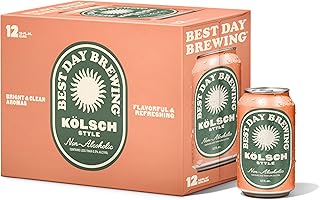


Comparing sour beers to other beer types
Sour beers, known for their tart and tangy flavor profiles, are often misunderstood when it comes to their sugar content. Unlike their sweeter counterparts, such as stouts or IPAs, sour beers typically have a lower residual sugar content due to the fermentation process involving lactic acid bacteria or wild yeast. This process consumes much of the available sugars, resulting in a drier, more acidic beer.
When comparing sour beers to other beer types, it's essential to consider the brewing techniques and ingredients used. Traditional brewing methods for sour beers, like the Belgian lambic style, involve spontaneous fermentation in open-air vessels, which allows for the natural introduction of wild yeast and bacteria. This process can take months or even years, leading to a complex flavor profile with minimal residual sugar. In contrast, beers like stouts or IPAs often undergo a more controlled fermentation process, which may leave behind more sugars, contributing to their richer, sweeter taste.
One of the key factors influencing the sugar content in sour beers is the choice of malt. Sour beers typically use a higher proportion of wheat malt, which contains less fermentable sugar than barley malt. This choice of grain, combined with the extended fermentation period, results in a beer with lower sugar levels. Additionally, the acidity in sour beers can make them feel drier on the palate, further enhancing the perception of lower sugar content.
It's also worth noting that the perceived sweetness of a beer can be influenced by its acidity and bitterness levels. Sour beers, with their high acidity, can create a balancing effect that makes them seem less sweet than they actually are. This is in contrast to beers with higher bitterness levels, like IPAs, which can mask the sweetness of residual sugars.
In conclusion, when comparing sour beers to other beer types, it's clear that they generally have lower sugar content due to the unique brewing processes and ingredients used. This makes them an appealing choice for those looking for a drier, more acidic beer option.
Priming Your Brew: The Sweet Spot for Sugar in Beer
You may want to see also
Frequently asked questions
Sour beers can vary widely in their sugar content. While some may have higher sugar levels to balance the tartness, others are brewed to be low in sugar. It's best to check the specific beer's nutritional information for accurate details.
The brewing process for sour beers involves fermentation with lactic acid bacteria, which can consume some of the sugars. This results in a tart flavor profile. However, the amount of sugar consumed can vary, leading to differences in the final sugar content of the beer.
People with diabetes can enjoy sour beers in moderation, but it's crucial to monitor their blood sugar levels and consider the beer's sugar content and carbohydrates. Consulting with a healthcare provider for personalized advice is recommended.