Oisin Foster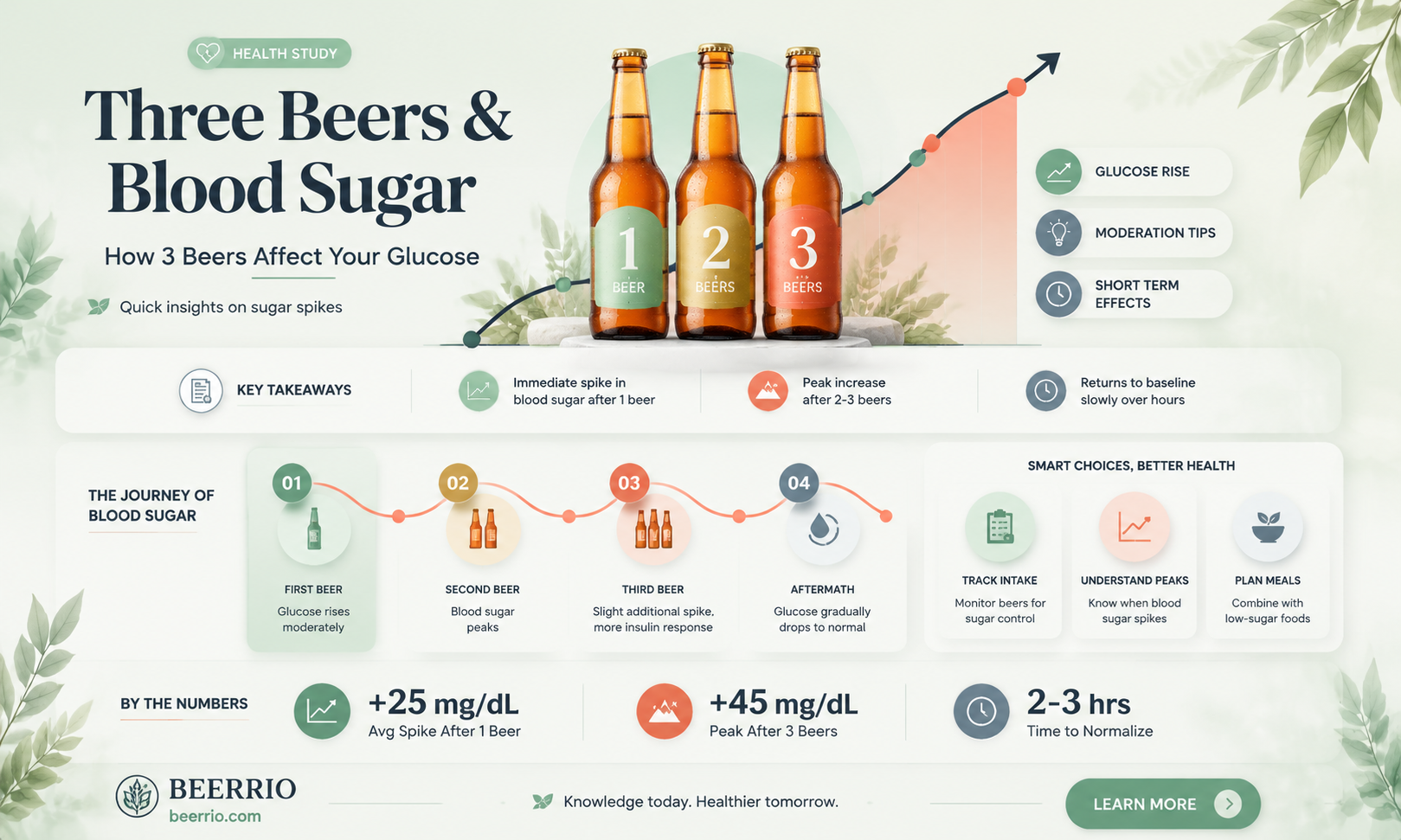
The question of whether three beers could affect blood sugar levels is an important one, especially for individuals managing diabetes or those concerned about their glucose levels. Beer, like other alcoholic beverages, can have a complex impact on blood sugar. While moderate alcohol consumption may have some potential health benefits, excessive drinking can lead to a range of negative effects, including impaired glucose metabolism. In this paragraph, we'll explore the relationship between beer consumption and blood sugar levels, considering factors such as the type of beer, individual tolerance, and overall health. By understanding this relationship, individuals can make informed decisions about their alcohol intake and its potential impact on their blood sugar levels.
Explore related products


What You'll Learn
- How Beer Affects Blood Sugar Levels: Understanding the impact of beer consumption on glucose levels in the bloodstream?
- Alcohol and Insulin Resistance: Exploring how alcohol intake can lead to insulin resistance, affecting blood sugar control
- Carbohydrate Content in Beer: Analyzing the carbohydrate content of different types of beer and its effect on blood sugar
- Moderate vs. Excessive Consumption: Discussing the differences in blood sugar impact between moderate and excessive beer drinking
- Monitoring Blood Sugar After Drinking: Tips and strategies for monitoring blood sugar levels after consuming beer

How Beer Affects Blood Sugar Levels: Understanding the impact of beer consumption on glucose levels in the bloodstream
Beer consumption can have a significant impact on blood sugar levels, particularly for individuals with diabetes or those at risk of developing the condition. The primary reason for this is the carbohydrate content in beer, which can cause a rapid increase in blood glucose levels. Typically, a standard 12-ounce serving of beer contains around 10-15 grams of carbohydrates, which is enough to raise blood sugar levels noticeably.
Moreover, the alcohol in beer can further complicate blood sugar management. Alcohol can inhibit the liver's ability to produce glucose, leading to a drop in blood sugar levels several hours after consumption. This effect can be particularly dangerous for people with diabetes who are taking insulin or other medications that lower blood sugar, as it can increase the risk of hypoglycemia (low blood sugar).
It's also important to consider the timing of beer consumption in relation to meals. Drinking beer on an empty stomach can lead to a more pronounced spike in blood sugar levels compared to consuming it with food. Food can help slow the absorption of carbohydrates and alcohol, leading to a more gradual increase in blood glucose levels.
For those monitoring their blood sugar levels, it's crucial to check glucose levels before and after consuming beer to understand how it affects their individual metabolism. Keeping a food and drink diary can be helpful in identifying patterns and making informed decisions about alcohol consumption.
In summary, while moderate beer consumption may not pose a significant risk to blood sugar levels for most people, it can have a substantial impact on individuals with diabetes or those at risk of developing the condition. Understanding the relationship between beer and blood sugar is essential for making informed choices about alcohol consumption and maintaining healthy glucose levels.
The Surprising Truth About Beer and Sugar Conversion
You may want to see also
Explore related products


Alcohol and Insulin Resistance: Exploring how alcohol intake can lead to insulin resistance, affecting blood sugar control
Alcohol consumption has a profound impact on insulin resistance, which is a critical factor in blood sugar control. When alcohol is ingested, it interferes with the liver's ability to produce glucose, leading to a decrease in blood sugar levels. However, this effect is short-lived, and as the body metabolizes alcohol, blood sugar levels can spike, causing insulin resistance. This resistance occurs because the body's cells become less responsive to insulin, the hormone responsible for regulating blood sugar levels. As a result, the pancreas must produce more insulin to compensate, which can lead to a vicious cycle of insulin resistance and elevated blood sugar levels.
The relationship between alcohol intake and insulin resistance is complex and multifaceted. Chronic alcohol consumption can lead to long-term insulin resistance, which is a hallmark of type 2 diabetes. In addition, alcohol can impair the body's ability to respond to hypoglycemia, a condition characterized by low blood sugar levels. This impairment can be particularly dangerous for individuals with diabetes, as it can lead to severe hypoglycemia and even coma. Furthermore, alcohol can also increase the risk of developing other conditions that are associated with insulin resistance, such as obesity and metabolic syndrome.
It is important to note that the effects of alcohol on insulin resistance can vary depending on a number of factors, including the amount and frequency of alcohol consumption, as well as individual differences in metabolism and genetics. Moderate alcohol consumption, defined as up to one drink per day for women and up to two drinks per day for men, may not significantly impact insulin resistance in most individuals. However, excessive alcohol consumption, particularly binge drinking, can have a profound and lasting impact on insulin resistance and blood sugar control.
In conclusion, the relationship between alcohol intake and insulin resistance is a complex and important topic that warrants further investigation. While moderate alcohol consumption may not significantly impact insulin resistance, excessive alcohol intake can lead to long-term insulin resistance and other serious health consequences. As such, it is important for individuals to be aware of the potential risks associated with alcohol consumption and to drink responsibly.
The Impact of Beer on Blood Sugar Levels: A Comprehensive Guide
You may want to see also
Explore related products



Carbohydrate Content in Beer: Analyzing the carbohydrate content of different types of beer and its effect on blood sugar
Beer, a popular alcoholic beverage, contains varying amounts of carbohydrates, which can significantly impact blood sugar levels. The carbohydrate content in beer primarily comes from the malted grains used during the brewing process. Lighter beers, such as lagers and pilsners, typically contain fewer carbohydrates compared to darker beers like stouts and porters. For instance, a standard 12-ounce serving of a light lager may contain around 6-10 grams of carbohydrates, while a similar serving of a stout could contain upwards of 20 grams.
The effect of beer on blood sugar is twofold. On one hand, the carbohydrates in beer can cause a rapid increase in blood sugar levels, especially if consumed in large quantities or on an empty stomach. This is because the body quickly converts these carbohydrates into glucose, which is then released into the bloodstream. On the other hand, moderate beer consumption may have a less pronounced effect on blood sugar due to the presence of other compounds, such as fiber and antioxidants, which can help mitigate the impact of carbohydrates.
Individuals with diabetes or those monitoring their blood sugar levels should be particularly cautious when consuming beer. The American Diabetes Association recommends that people with diabetes limit their alcohol intake and monitor their blood sugar levels closely when drinking. It is also advisable to choose lower-carbohydrate beer options and to pair beer with food that is high in protein and fiber to help stabilize blood sugar levels.
In conclusion, while beer can be enjoyed in moderation, it is essential to be aware of its carbohydrate content and its potential impact on blood sugar levels. By making informed choices and monitoring consumption, individuals can enjoy beer without significantly compromising their blood sugar control.
The Bitter Truth: Beer's Impact on Blood Sugar Levels
You may want to see also
Explore related products



Moderate vs. Excessive Consumption: Discussing the differences in blood sugar impact between moderate and excessive beer drinking
Moderate beer consumption, generally defined as up to one drink per day for women and up to two drinks per day for men, has a relatively minor impact on blood sugar levels. The carbohydrates in beer can cause a slight increase in blood glucose, but this effect is usually offset by the body's natural insulin response. Additionally, moderate alcohol intake may even have some beneficial effects on insulin sensitivity in the long term.
In contrast, excessive beer consumption can lead to significant fluctuations in blood sugar levels. Heavy drinking can impair the body's ability to regulate glucose, resulting in both acute and chronic hyperglycemia. This is particularly concerning for individuals with diabetes, as it can exacerbate existing blood sugar control issues. Furthermore, binge drinking episodes can cause severe hypoglycemia, especially if food intake is inadequate, leading to a dangerous drop in blood sugar levels.
The difference in blood sugar impact between moderate and excessive beer drinking is largely due to the body's ability to metabolize alcohol efficiently within certain limits. When alcohol intake is moderate, the liver can effectively process the alcohol, minimizing its impact on blood glucose levels. However, when consumption exceeds the liver's capacity, alcohol begins to interfere with glucose metabolism, leading to the aforementioned blood sugar fluctuations.
It is essential for individuals, particularly those with diabetes or at risk of developing the condition, to be aware of these differences and to consume alcohol responsibly. Monitoring blood sugar levels and adjusting medication or insulin dosages as needed can help mitigate the effects of alcohol on glucose control. Additionally, incorporating regular physical activity and maintaining a balanced diet can further support overall blood sugar management.
Unveiling the Truth: Sour Beers and Their Sugar Content
You may want to see also
Explore related products


Monitoring Blood Sugar After Drinking: Tips and strategies for monitoring blood sugar levels after consuming beer
Monitoring blood sugar levels after drinking beer requires a proactive and informed approach. Beer, like other alcoholic beverages, can have a significant impact on blood glucose levels, making it essential for individuals, especially those with diabetes, to be vigilant. Here are some tips and strategies to effectively monitor blood sugar after consuming beer:
- Understand the Impact of Beer on Blood Sugar: Beer contains carbohydrates and alcohol, both of which can affect blood glucose levels. Carbohydrates are broken down into glucose, which can cause a spike in blood sugar. Alcohol, on the other hand, can lead to hypoglycemia (low blood sugar) as it inhibits the liver's ability to release stored glucose. This dual effect makes it crucial to monitor blood sugar levels closely after drinking beer.
- Choose the Right Time to Drink: Timing is key when it comes to drinking beer and monitoring blood sugar. It's advisable to drink beer with a meal or snack that contains carbohydrates to help balance the blood sugar levels. Avoid drinking on an empty stomach, as this can lead to a more rapid absorption of alcohol and a greater risk of hypoglycemia.
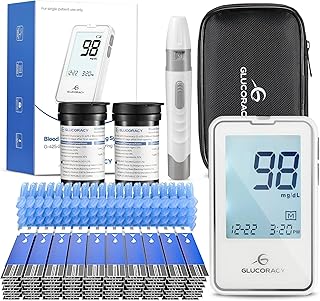
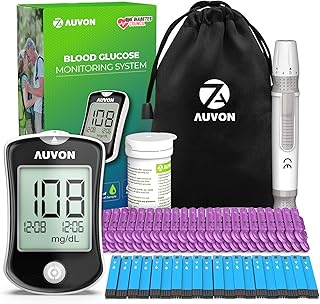
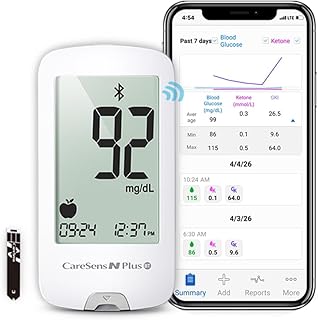
- Monitor Blood Sugar Levels Frequently: After consuming beer, it's important to check blood sugar levels more frequently than usual. This can help in identifying any fluctuations early on and taking appropriate action. A continuous glucose monitor (CGM) can be particularly useful in this scenario, as it provides real-time data on blood sugar levels.
- Adjust Medication as Needed: Individuals with diabetes may need to adjust their medication dosage after drinking beer. For example, if blood sugar levels are expected to drop due to the alcohol content, a reduction in insulin or other glucose-lowering medications may be necessary. It's crucial to consult with a healthcare provider to develop a personalized plan for medication adjustments.
- Stay Hydrated: Drinking water alongside beer can help in maintaining hydration and diluting the alcohol content in the bloodstream. This can contribute to more stable blood sugar levels and reduce the risk of hypoglycemia.
- Be Aware of Symptoms: Recognizing the symptoms of high or low blood sugar is essential after drinking beer. Symptoms of hypoglycemia include shakiness, sweating, dizziness, and confusion, while symptoms of hyperglycemia (high blood sugar) include frequent urination, increased thirst, and blurred vision. If any of these symptoms occur, it's important to check blood sugar levels immediately and take appropriate action.
By following these tips and strategies, individuals can effectively monitor their blood sugar levels after consuming beer and minimize the risks associated with alcohol consumption. It's always advisable to consult with a healthcare provider for personalized advice and guidance on managing blood sugar levels in the context of alcohol consumption.
The Sweet Truth: How Beer Transforms into Sugar in Your Body
You may want to see also
Frequently asked questions
Yes, consuming three beers could significantly affect blood sugar levels due to the high carbohydrate content in beer.
Beer consumption can lead to spikes in blood sugar levels for diabetics, making it challenging to manage their condition. It's advisable for diabetics to monitor their blood sugar closely and limit alcohol intake.
Factors such as the type of beer, its carbohydrate content, the individual's metabolism, and whether food is consumed alongside the beer can all influence how beer affects blood sugar levels.
The safe amount of beer to drink without affecting blood sugar varies from person to person. Generally, moderate consumption, defined as one drink per day for women and two drinks per day for men, is considered safe for most individuals. However, those with diabetes or other health conditions should consult with their healthcare provider.
Strategies to mitigate the impact of beer on blood sugar include eating a balanced meal before or while drinking, choosing lower-carbohydrate beers, staying hydrated, and monitoring blood sugar levels before and after consumption.