 Jason Wagner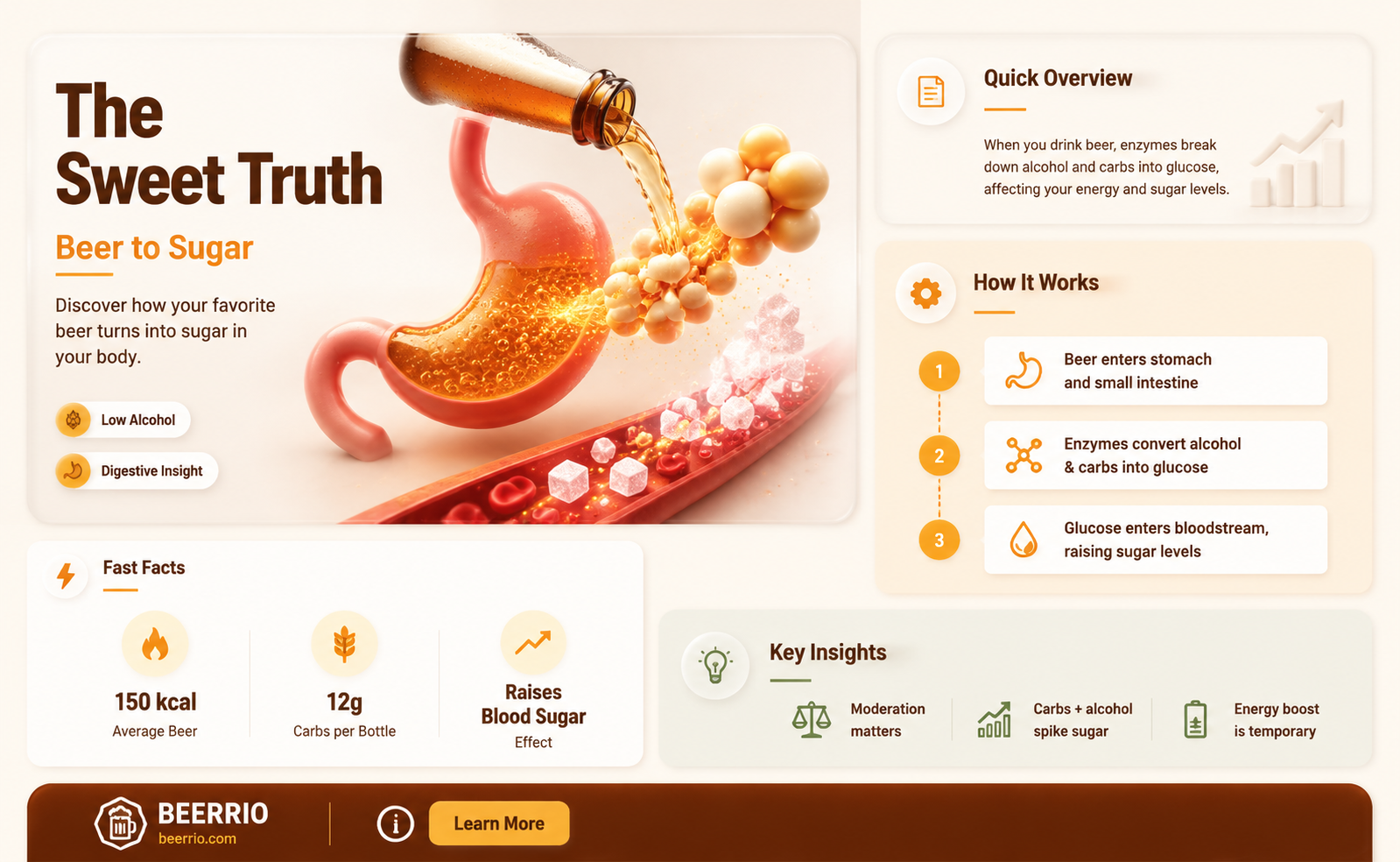
When considering the question of whether beer turns to sugar in the body, it's important to understand the basic process of digestion and metabolism. Beer contains carbohydrates, which are broken down into simpler sugars during digestion. These sugars are then absorbed into the bloodstream and used by the body for energy. However, the process is more complex than simply converting beer to sugar. The liver plays a crucial role in metabolizing alcohol, converting it into acetaldehyde and then into acetate, which is eventually broken down into carbon dioxide and water. While beer does provide some carbohydrates that can be converted to sugar, the primary effect of alcohol on the body is not related to sugar production but rather to its role as a depressant on the central nervous system.
| Characteristics | Values |
|---|---|
| Process | Beer does not directly turn into sugar in the body. Instead, the carbohydrates in beer are broken down into simpler sugars during digestion. |
| Enzyme Involved | The enzyme amylase, present in saliva and the small intestine, is primarily responsible for breaking down the starches in beer into sugars. |
| Sugars Produced | The breakdown of carbohydrates in beer typically produces glucose, maltose, and other simple sugars. |
| Absorption | These sugars are then absorbed into the bloodstream through the walls of the small intestine. |
| Blood Sugar | The absorbed sugars can cause a temporary increase in blood sugar levels, which may be more pronounced in individuals with diabetes or pre-diabetes. |
| Insulin Response | The pancreas responds to the increased blood sugar levels by releasing insulin, which helps cells absorb glucose for energy or storage. |
| Energy Source | The sugars derived from beer can provide a quick source of energy, but this is often short-lived and can lead to a subsequent energy crash. |
| Caloric Content | Beer contains calories primarily from its carbohydrate and alcohol content. The exact caloric content varies depending on the type and brand of beer. |
| Alcohol Effect | Alcohol can impair the body's ability to regulate blood sugar levels, potentially leading to hypoglycemia (low blood sugar) in some individuals. |
| Health Impact | Regular consumption of beer, especially in large quantities, can contribute to weight gain, insulin resistance, and an increased risk of type 2 diabetes. |
| Moderation | Moderate beer consumption, defined as up to one drink per day for women and up to two drinks per day for men, may have less impact on blood sugar levels and overall health. |
| Individual Variability | The effects of beer on blood sugar levels can vary significantly between individuals, depending on factors such as genetics, diet, and overall health. |
What You'll Learn
- Metabolism Process: Beer's carbohydrates convert to sugars, then to alcohol in the liver
- Blood Sugar Levels: Alcohol can cause blood sugar spikes, followed by crashes, affecting energy levels
- Caloric Content: Beer contains empty calories, contributing to weight gain if consumed excessively
- Health Impacts: Chronic beer consumption can lead to insulin resistance and type 2 diabetes
- Moderation Key: Enjoying beer in moderation can minimize its negative effects on blood sugar

Metabolism Process: Beer's carbohydrates convert to sugars, then to alcohol in the liver
The metabolism process of beer in the body is a complex biochemical pathway that involves the conversion of carbohydrates into sugars and subsequently into alcohol. This process primarily takes place in the liver, which plays a crucial role in detoxifying the body and metabolizing nutrients. When beer is consumed, the carbohydrates it contains are broken down into simpler sugars, such as glucose and fructose. These sugars are then absorbed into the bloodstream and transported to the liver for further processing.
In the liver, the sugars derived from beer undergo a series of enzymatic reactions that convert them into ethanol, the primary component of alcoholic beverages. This conversion is facilitated by enzymes such as alcohol dehydrogenase and aldehyde dehydrogenase, which catalyze the oxidation of sugars to produce ethanol and other byproducts. The liver's ability to metabolize alcohol is influenced by various factors, including the individual's genetic makeup, overall health, and the amount of alcohol consumed.
The metabolism of beer's carbohydrates into alcohol has several implications for the body. Ethanol is a potent psychoactive substance that can impair cognitive function, coordination, and judgment. Additionally, the liver's metabolism of alcohol produces acetaldehyde, a toxic compound that can cause cellular damage and contribute to the development of liver diseases. The body's ability to metabolize alcohol efficiently is essential for preventing the accumulation of toxic byproducts and minimizing the risk of alcohol-related health problems.
Understanding the metabolism process of beer in the body can help individuals make informed decisions about their alcohol consumption. It is important to note that the liver's capacity to metabolize alcohol is limited, and excessive consumption can lead to liver damage and other health issues. Moderation and responsible drinking practices are key to maintaining a healthy balance and minimizing the potential risks associated with alcohol metabolism.
Unveiling the Truth: Is Beer Really High in Sugar?
You may want to see also
Blood Sugar Levels: Alcohol can cause blood sugar spikes, followed by crashes, affecting energy levels
Alcohol consumption can lead to significant fluctuations in blood sugar levels, which can have a profound impact on energy levels. When alcohol is ingested, it is rapidly absorbed into the bloodstream and can cause a quick spike in blood sugar. This is because alcohol contains calories that are quickly converted into glucose by the liver. However, this initial spike is often followed by a crash, as the body's insulin response kicks in to regulate the elevated blood sugar levels. This can lead to a sudden drop in energy, leaving individuals feeling fatigued and lethargic.
The effects of alcohol on blood sugar levels can be particularly problematic for individuals with diabetes. Alcohol can interfere with the body's ability to regulate blood sugar, leading to dangerous highs and lows. Diabetics who consume alcohol are at risk of experiencing hypoglycemia, a condition characterized by dangerously low blood sugar levels. Symptoms of hypoglycemia include shakiness, sweating, confusion, and in severe cases, loss of consciousness.
In addition to its effects on blood sugar levels, alcohol can also impact energy levels in other ways. Alcohol is a depressant, which means it can slow down the central nervous system and lead to feelings of drowsiness and fatigue. This can be particularly problematic for individuals who consume alcohol in the evening, as it can disrupt sleep patterns and lead to daytime fatigue.
To mitigate the effects of alcohol on blood sugar levels and energy, it is important to consume alcohol in moderation and to monitor blood sugar levels closely. Individuals with diabetes should consult with their healthcare provider to determine a safe level of alcohol consumption. Additionally, eating a balanced diet and engaging in regular physical activity can help to maintain stable blood sugar levels and improve overall energy levels.
Priming Your Brew: The Sweet Spot for Sugar in Beer
You may want to see also
Caloric Content: Beer contains empty calories, contributing to weight gain if consumed excessively
Beer is often enjoyed for its taste and social aspects, but it's important to be aware of its caloric content. Beer contains empty calories, which means it provides energy without offering significant nutritional benefits. These empty calories can contribute to weight gain if consumed excessively.
The caloric content of beer varies depending on the type and serving size. For example, a 12-ounce serving of regular beer typically contains around 150 calories, while a light beer may have closer to 100 calories. Specialty beers, such as IPAs or stouts, can have even higher calorie counts. It's essential to be mindful of portion sizes and the frequency of consumption to manage caloric intake effectively.
Consuming beer in moderation is key to avoiding excessive calorie intake. The Dietary Guidelines for Americans recommend that adults who choose to drink alcohol should do so in moderation, which is defined as up to one drink per day for women and up to two drinks per day for men. Exceeding these limits can lead to a higher risk of weight gain and other health issues.
In addition to its caloric content, beer can also affect weight management in other ways. Alcohol can lower inhibitions, leading to overeating or poor food choices. Furthermore, the body prioritizes metabolizing alcohol over other nutrients, which can interfere with the absorption and utilization of essential vitamins and minerals.
To minimize the impact of beer on weight gain, it's helpful to adopt a balanced approach to nutrition and physical activity. Incorporating regular exercise and a diet rich in whole foods can help offset the empty calories consumed through beer. Additionally, choosing lower-calorie beer options or alternating alcoholic beverages with non-alcoholic ones can be effective strategies for managing caloric intake.
In conclusion, while beer can be a part of a balanced lifestyle when consumed in moderation, it's crucial to be aware of its caloric content and potential impact on weight gain. By making informed choices and maintaining a healthy overall diet and exercise routine, individuals can enjoy beer responsibly without compromising their weight management goals.
Sipping Smart: Discovering the Lowest Sugar Beers for Health-Conscious Drinkers
You may want to see also
Health Impacts: Chronic beer consumption can lead to insulin resistance and type 2 diabetes
Chronic beer consumption has been linked to an increased risk of developing insulin resistance and type 2 diabetes. This is primarily due to the high carbohydrate content in beer, which can lead to elevated blood sugar levels. Over time, the body's ability to regulate these levels can be compromised, resulting in insulin resistance.
Insulin resistance occurs when the body's cells become less responsive to the hormone insulin, which is responsible for transporting glucose from the bloodstream into cells for energy. As a result, glucose builds up in the bloodstream, leading to high blood sugar levels. This can eventually progress to type 2 diabetes, a condition characterized by persistently high blood sugar levels.
In addition to the carbohydrate content, beer also contains alcohol, which can further exacerbate the risk of developing insulin resistance and type 2 diabetes. Alcohol consumption can lead to weight gain, which is a known risk factor for these conditions. Furthermore, alcohol can impair the liver's ability to regulate blood sugar levels, making it more difficult for the body to maintain proper glucose balance.
It is important to note that moderate beer consumption may not necessarily lead to insulin resistance or type 2 diabetes. However, chronic and excessive consumption can significantly increase the risk. Individuals who are already at risk for these conditions, such as those with a family history or who are overweight, should be particularly cautious about their beer consumption.
To mitigate the risk of developing insulin resistance and type 2 diabetes from beer consumption, it is recommended to limit intake to moderate levels, which is generally defined as up to one drink per day for women and up to two drinks per day for men. Additionally, maintaining a healthy weight, engaging in regular physical activity, and following a balanced diet can help reduce the overall risk of developing these conditions.
Unveiling the Sweetness: Sugar Content in Your Favorite Beers
You may want to see also
Moderation Key: Enjoying beer in moderation can minimize its negative effects on blood sugar
While beer does contain carbohydrates that can be converted into sugar in the body, the key to minimizing its negative effects on blood sugar lies in moderation. Consuming beer in limited quantities can help prevent significant spikes in blood glucose levels. For individuals without diabetes, the American Diabetes Association recommends that men limit their alcohol intake to two drinks per day and women to one drink per day. A standard drink is defined as 12 ounces of beer.
Moderation is particularly crucial for those with diabetes or prediabetes, as excessive alcohol consumption can lead to poor blood sugar control and increase the risk of complications. It's essential to monitor blood sugar levels closely when drinking and to never drink on an empty stomach. Pairing beer with a balanced meal that includes fiber-rich foods can help slow the absorption of carbohydrates and reduce the impact on blood sugar.
Another important consideration is the type of beer being consumed. Light beers and those with lower carbohydrate content can be better choices for individuals looking to minimize their sugar intake. However, it's essential to note that even low-carb beers can affect blood sugar levels, and moderation remains key.
In addition to monitoring portion sizes, it's also important to be aware of the potential interactions between beer and diabetes medications. Alcohol can enhance the effects of some diabetes medications, leading to hypoglycemia (low blood sugar). Therefore, individuals taking diabetes medications should consult with their healthcare provider about safe alcohol consumption levels.
Ultimately, enjoying beer in moderation can be part of a balanced lifestyle, even for those with diabetes or prediabetes. By being mindful of portion sizes, monitoring blood sugar levels, and making informed choices about the type of beer consumed, individuals can minimize the negative effects of beer on blood sugar and enjoy it responsibly.
Zero Sugar Brews: Unveiling the Best Beer Options for Health-Conscious Drinkers
You may want to see also
Frequently asked questions
Beer contains carbohydrates, which are broken down into simple sugars during digestion. However, it's not accurate to say that beer "turns into sugar" in the body. Instead, the carbohydrates in beer are metabolized into glucose, which is a type of sugar that the body uses for energy.
The body processes the carbohydrates in beer through digestion and metabolism. Enzymes in the mouth and intestines break down the complex carbohydrates into simpler sugars, such as glucose. The glucose is then absorbed into the bloodstream and transported to cells throughout the body, where it is used for energy. Any excess glucose is stored in the liver and muscles as glycogen.
Consuming too much beer can have several negative health effects, including weight gain, increased risk of type 2 diabetes, liver damage, and impaired cognitive function. The high calorie and carbohydrate content of beer can contribute to weight gain if consumed in excess. Additionally, the body's ability to regulate blood sugar levels can be impaired by excessive alcohol consumption, leading to an increased risk of type 2 diabetes. Liver damage can occur due to the toxic effects of alcohol on liver cells, and impaired cognitive function can result from the depressive effects of alcohol on the central nervous system.
