Beatrix Montes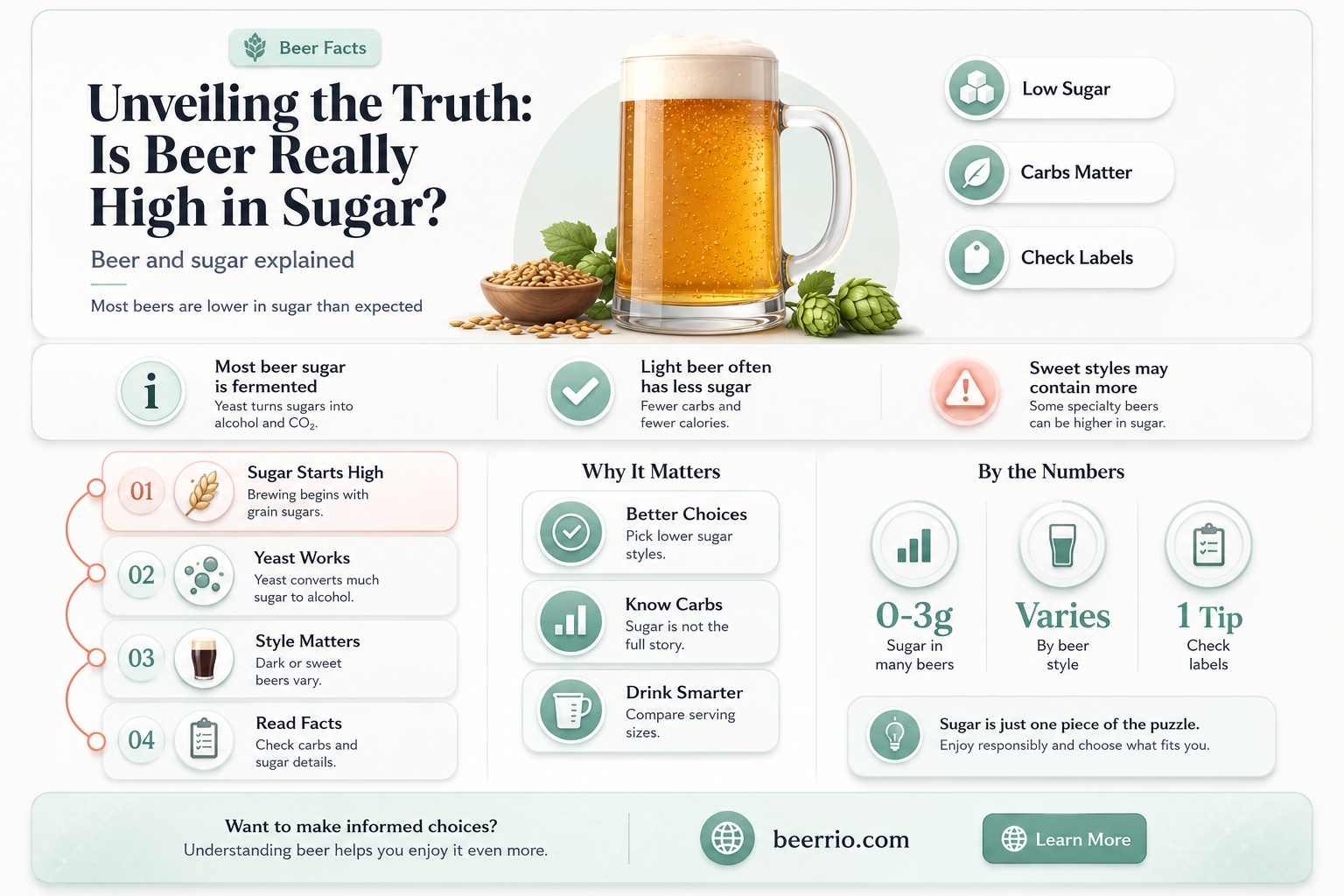
Beer is a popular alcoholic beverage enjoyed by many around the world, but there's a growing awareness about its nutritional content, particularly its sugar levels. While beer is not typically thought of as a sugary drink, it does contain some sugars that are naturally present in the grains used during brewing, as well as added sugars that can contribute to its flavor and body. The sugar content in beer can vary widely depending on the type and brewing process. For those monitoring their sugar intake, it's important to understand how much sugar is in different types of beer and how it might impact their dietary goals and overall health.
Explore related products


What You'll Learn
- Sugar Content Comparison: Comparing sugar levels in beer versus other common beverages like soda and juice
- Types of Sugars in Beer: Exploring the different types of sugars used in beer brewing and their impact on flavor
- Brewing Process and Sugar: How the brewing process affects sugar content, including fermentation and the role of yeast
- Health Implications: Discussing the potential health effects of consuming sugary beers, such as weight gain and diabetes risk
- Low-Sugar Beer Options: Recommending beer styles and brands that are lower in sugar for health-conscious consumers

Sugar Content Comparison: Comparing sugar levels in beer versus other common beverages like soda and juice
Analyzing the sugar content in beer compared to other common beverages like soda and juice reveals some interesting insights. Beer, despite its reputation for being a less healthy option, often contains significantly less sugar than its counterparts. For instance, a typical 12-ounce serving of beer may contain anywhere from 0 to 10 grams of sugar, depending on the type and brewing process. In contrast, a 12-ounce can of soda can contain upwards of 40 grams of sugar, and a glass of fruit juice might have around 20-30 grams.
One reason for this disparity is the fermentation process used in beer production. During fermentation, yeast consumes much of the sugar present in the wort, converting it into alcohol and carbon dioxide. This results in a final product that is lower in sugar content. Additionally, many beers, especially those marketed as "light" or "low-carb," are brewed with alternative sweeteners or undergo additional processing to reduce their sugar content further.
However, it's essential to note that not all beers are created equal. Some styles, such as Belgian ales or certain craft beers, can be quite high in sugar due to their brewing methods and ingredients. These beers may contain residual sugars that contribute to their sweetness and higher calorie count.
When considering the sugar content of beer in comparison to other beverages, it's also important to think about the overall nutritional profile. While beer may be lower in sugar, it is still a source of empty calories and should be consumed in moderation as part of a balanced diet. On the other hand, beverages like fruit juice, although higher in sugar, can provide essential vitamins and minerals.
In conclusion, while beer may not be the sugar-laden beverage many assume it to be, it's crucial to consider the type of beer and its place within a balanced diet. Comparing sugar levels across different types of drinks can help consumers make more informed choices about their beverage selections.
Sweet vs. Bitter: The Sugar Content Showdown Between Coke and Beer
You may want to see also
Explore related products

$14.85 $24.95


Types of Sugars in Beer: Exploring the different types of sugars used in beer brewing and their impact on flavor
Beer brewing involves the use of various types of sugars, each contributing uniquely to the final product's flavor, aroma, and body. The primary sugars used in brewing are maltose, sucrose, fructose, and glucose. Maltose, derived from malted barley, is the most common brewing sugar and forms the backbone of most beers. It provides a rich, malty flavor and contributes to the beer's body and mouthfeel.
Sucrose, or table sugar, is another common brewing sugar. It ferments quickly and cleanly, producing a dry, crisp finish. Brewers often use sucrose to lighten the body of a beer and add a subtle sweetness without overwhelming the other flavors. Fructose, found naturally in fruits, is also used in brewing. It ferments more slowly than sucrose and maltose, contributing a fruity, complex flavor profile. Fructose is often used in fruit beers or saisons to enhance the beer's fruitiness.
Glucose, a simple sugar, is less commonly used in brewing but can be found in some recipes. It ferments quickly and produces a clean, neutral flavor. Brewers might use glucose to adjust the beer's gravity or to add a subtle sweetness without affecting the overall flavor profile.
The choice of sugar can significantly impact the beer's final taste. For instance, a beer brewed with a high proportion of maltose will have a fuller body and a richer, maltier flavor. In contrast, a beer brewed with sucrose will be drier and crisper, with a lighter body. The combination and proportion of different sugars allow brewers to create a wide range of flavors and styles, from sweet and fruity to dry and crisp.
In conclusion, understanding the different types of sugars used in beer brewing and their impact on flavor is crucial for both brewers and beer enthusiasts. Each sugar brings its unique characteristics to the beer, influencing the final product's taste, aroma, and body. By experimenting with various sugar combinations, brewers can craft beers that cater to diverse palates and preferences.
Sweetening the Brew: A Guide to Carbonating Beer with Sugar
You may want to see also
Explore related products




Brewing Process and Sugar: How the brewing process affects sugar content, including fermentation and the role of yeast
The brewing process plays a crucial role in determining the sugar content of beer. It begins with the malting of grains, primarily barley, which converts the starches into fermentable sugars. These sugars are then extracted during the mashing process, where hot water is added to the malted grains to create a sugary liquid known as wort. The wort is then boiled, and hops are added for flavor and preservation.
Fermentation is the key step where yeast, a microorganism, consumes the sugars in the wort and produces alcohol and carbon dioxide as byproducts. The type and amount of yeast used, as well as the fermentation temperature and time, can significantly impact the final sugar content of the beer. For instance, some yeast strains are more efficient at consuming sugars, leading to a drier beer with less residual sugar.
During fermentation, the yeast initially consumes the simpler sugars, such as glucose and fructose, and then moves on to more complex sugars like maltose and maltodextrins. This process can take anywhere from a few days to several weeks, depending on the beer style and brewing conditions. The brewer may also add additional sugars during fermentation to increase the alcohol content or to create a sweeter beer.
After fermentation, the beer is conditioned and packaged. During this time, any remaining yeast and other particles are allowed to settle, and the beer is filtered or fined to achieve clarity. Some beers may undergo a secondary fermentation in the bottle or keg, where additional yeast and sugars are added to create carbonation and complex flavors.
In summary, the brewing process has a significant impact on the sugar content of beer. From the initial malting and mashing to the fermentation and conditioning, each step plays a role in determining the final sugar content. Brewers can manipulate these processes to create beers with varying levels of sweetness and alcohol content, catering to different tastes and preferences.
Zero Sugar Brews: Unveiling the Best Beer Options for Health-Conscious Drinkers
You may want to see also
Explore related products

![Orchard Hill [Pack of 12] Budweiser Full Flavored Zero Alcohol Brew, 0.00 ALC, NA Non-Alcoholic Beer, 50 Cal, Zero Sugar, Cans, 12 Fl Oz (Pack of 12)](https://m.media-amazon.com/images/I/81HEjZZVTMS._AC_UL320_.jpg)

Health Implications: Discussing the potential health effects of consuming sugary beers, such as weight gain and diabetes risk
Consuming sugary beers can have significant health implications, particularly in terms of weight gain and increased risk of diabetes. The high sugar content in these beverages contributes to a higher calorie intake, which can lead to weight gain if not balanced with physical activity and a healthy diet. Additionally, the rapid spike in blood sugar levels caused by sugary beers can put a strain on the pancreas, potentially leading to insulin resistance and an increased risk of type 2 diabetes.
It's important to note that not all beers are high in sugar, and the health implications can vary depending on the type and amount of beer consumed. For example, light beers and those with lower sugar content may have less impact on weight gain and diabetes risk. However, it's crucial to be mindful of portion sizes and overall dietary habits when consuming any type of beer.
To mitigate the health risks associated with sugary beers, individuals can consider reducing their consumption, opting for lower-sugar alternatives, or incorporating more physical activity into their daily routine. It's also essential to maintain a balanced diet and monitor blood sugar levels, especially for those with a family history of diabetes or other health concerns.
In conclusion, while enjoying a sugary beer occasionally may not pose significant health risks, regular consumption can contribute to weight gain and increased diabetes risk. By being aware of these potential health implications and making informed choices, individuals can enjoy beer in moderation while maintaining a healthy lifestyle.
Priming Your Brew: The Sweet Spot for Sugar in Beer
You may want to see also
Explore related products

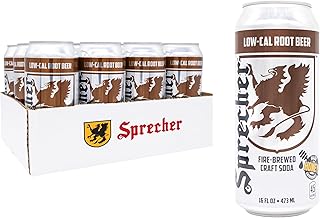


Low-Sugar Beer Options: Recommending beer styles and brands that are lower in sugar for health-conscious consumers
For health-conscious beer enthusiasts looking to reduce their sugar intake, there are several low-sugar beer options available. One popular choice is Michelob Ultra, which contains only 2.6 grams of carbohydrates and 0.2 grams of sugar per 12-ounce serving. This light lager offers a crisp, refreshing taste with minimal sweetness, making it an ideal option for those monitoring their sugar consumption.
Another low-sugar alternative is Bud Light, which has 6.6 grams of carbohydrates and 0.3 grams of sugar per 12-ounce serving. While it may not be as low in sugar as Michelob Ultra, Bud Light still offers a significant reduction in sugar content compared to regular beers. Its light, easy-drinking flavor profile makes it a popular choice among casual beer drinkers.
For those who prefer a more craft-oriented option, Sierra Nevada's Pale Ale is a great choice. This beer contains 10.8 grams of carbohydrates and 0.8 grams of sugar per 12-ounce serving, which is relatively low compared to other craft beers. Sierra Nevada's Pale Ale is known for its balanced, hoppy flavor and is a popular option among craft beer aficionados.
When it comes to low-sugar beer options, it's important to note that the brewing process plays a significant role in determining the final sugar content. Beers that are fermented with a lower amount of malt or that undergo a longer fermentation period tend to have lower sugar content. Additionally, some breweries use alternative sweeteners, such as stevia or monk fruit, to reduce the sugar content without sacrificing flavor.
In conclusion, there are several low-sugar beer options available for health-conscious consumers. Whether you prefer a light lager, a craft pale ale, or something in between, there's a low-sugar beer option that can fit your taste preferences and dietary needs. By choosing these lower-sugar options, you can enjoy your favorite beverage while still maintaining a healthy lifestyle.
Unveiling the Sweetness: Sugar Content in Your Favorite Beers
You may want to see also
Frequently asked questions
Beer typically contains some sugar, but the amount can vary widely depending on the type of beer. Lighter beers tend to have less sugar, while darker beers and some craft beers can have higher sugar content.
A standard 12-ounce serving of beer usually contains about 10-15 grams of sugar. However, this can range from as low as 5 grams in very light beers to over 20 grams in some high-sugar craft beers.
Yes, the sugar content in beer contributes to its calorie count. Sugars are a source of empty calories, and beers with higher sugar content will generally have more calories per serving.
Consuming beer with high sugar content can have health implications, particularly for those monitoring their sugar intake due to conditions like diabetes. Additionally, high sugar intake can contribute to weight gain and other health issues if consumed excessively.
For those looking to reduce their sugar intake, light beers or ultra-light beers are generally good options as they tend to have lower sugar content. Some popular low-sugar beer brands include Bud Light, Coors Light, and Michelob Ultra.



![[Pack of 24] Bud Full Flavored Zero Alcohol Brew, 0.00 ALC, NA Non-Alcoholic Beer, 50 Cal, Zero Sugar, Cans, 12 Fl Oz (Pack of 24)](https://m.media-amazon.com/images/I/51RUqU+bqVL._AC_UL320_.jpg)