Oisin Foster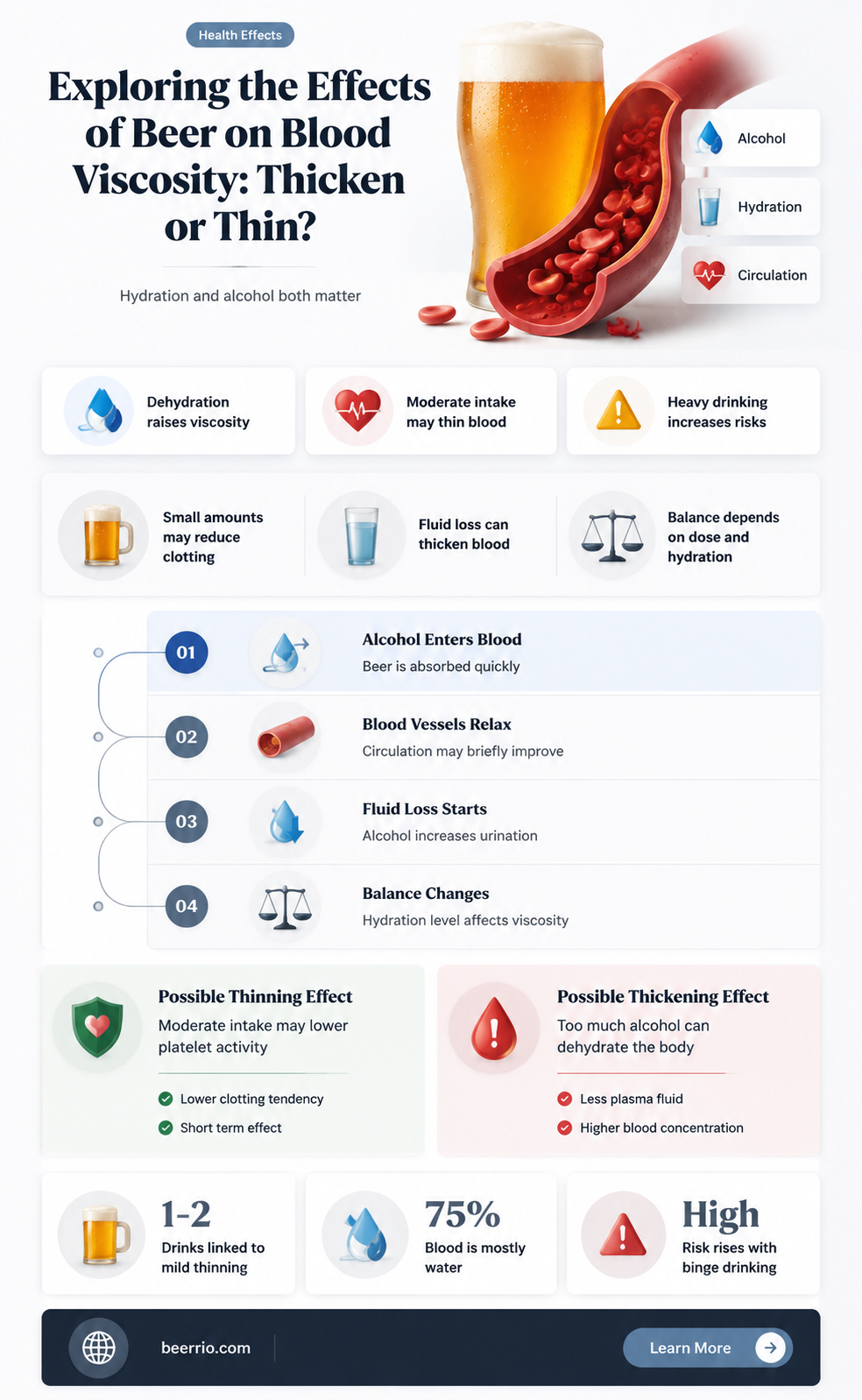
The question of whether beer tends to thicken or thin the blood is a common one, particularly among those who enjoy alcoholic beverages and are concerned about their health. While moderate alcohol consumption, including beer, has been associated with certain health benefits such as reduced risk of heart disease, excessive drinking can have detrimental effects on the body, including the blood. Beer contains alcohol, which can act as a vasodilator, meaning it can cause blood vessels to widen and increase blood flow. This effect can lead to a temporary decrease in blood pressure and may contribute to a thinning of the blood. However, it's important to note that the impact of beer on blood thickness is complex and can be influenced by various factors, including the amount consumed, individual tolerance, and overall health.
Explore related products



What You'll Learn
- Alcohol's Impact on Blood Viscosity: Explore how alcohol consumption affects blood thickness and flow
- Moderation vs. Excess: Discuss the differences in blood viscosity changes between moderate and excessive beer consumption
- Individual Health Factors: Examine how personal health conditions might influence the effect of beer on blood thickness
- Short-Term vs. Long-Term Effects: Compare the immediate and prolonged impacts of beer consumption on blood viscosity
- Myths and Misconceptions: Address common misunderstandings about the relationship between beer and blood thickness

Alcohol's Impact on Blood Viscosity: Explore how alcohol consumption affects blood thickness and flow
Alcohol's impact on blood viscosity is a complex and multifaceted topic. While moderate alcohol consumption has been associated with potential cardiovascular benefits, excessive drinking can have detrimental effects on blood thickness and flow.
One of the primary ways alcohol affects blood viscosity is by altering the balance of blood components. Alcohol can cause dehydration, which leads to a decrease in blood volume and an increase in blood concentration. This can result in thicker blood, which is more prone to clotting. Additionally, alcohol can interfere with the production and function of red blood cells, which are essential for transporting oxygen throughout the body. This can further contribute to increased blood viscosity and impaired blood flow.
Moreover, alcohol consumption can affect the levels of certain proteins in the blood, such as fibrinogen and von Willebrand factor, which play a crucial role in blood clotting. Elevated levels of these proteins can lead to an increased risk of blood clots, which can have serious consequences, including heart attacks and strokes.
It is also important to consider the impact of alcohol on the blood vessels themselves. Alcohol can cause the blood vessels to constrict, which can reduce blood flow and increase blood pressure. This can further exacerbate the effects of increased blood viscosity, leading to a higher risk of cardiovascular complications.
In conclusion, while moderate alcohol consumption may have some potential benefits, excessive drinking can have a significant negative impact on blood viscosity and flow. It is essential to drink responsibly and in moderation to minimize the risks associated with alcohol consumption and maintain optimal cardiovascular health.
Will Beer Interfere with Antibiotics? Facts You Need to Know
You may want to see also
Explore related products



Moderation vs. Excess: Discuss the differences in blood viscosity changes between moderate and excessive beer consumption
Beer consumption and its effects on blood viscosity is a topic of considerable interest. Moderate beer intake, generally defined as one drink per day for women and up to two drinks per day for men, has been associated with a slight decrease in blood viscosity. This is primarily due to the presence of antioxidants and certain compounds in beer that can help reduce the aggregation of red blood cells, leading to a thinner consistency.
On the other hand, excessive beer consumption, which exceeds the moderate guidelines, can have the opposite effect. High levels of alcohol intake can lead to dehydration, which in turn can cause the blood to become thicker. Additionally, chronic excessive drinking can result in liver damage and other health issues that may further alter blood viscosity.
The key difference between moderate and excessive consumption lies in the balance of these effects. While moderate drinking may provide some benefits in terms of blood thinning, excessive drinking can overwhelm these benefits with negative consequences. It's important to note that individual tolerance and health status can significantly influence these outcomes.
In terms of practical advice, those concerned about blood viscosity should aim to maintain a balanced approach to beer consumption. Limiting intake to moderate levels and staying hydrated can help mitigate the risks associated with thicker blood. Furthermore, incorporating regular exercise and a healthy diet can also contribute to maintaining optimal blood viscosity.
Ultimately, the impact of beer on blood viscosity is a complex issue that depends on a variety of factors, including the amount consumed, individual health, and lifestyle choices. By understanding these nuances, individuals can make informed decisions about their beer consumption and its potential effects on their blood health.
Will Beer Stores Close in PA? Analyzing the Latest Developments
You may want to see also
Explore related products


Individual Health Factors: Examine how personal health conditions might influence the effect of beer on blood thickness
Certain health conditions can significantly alter how beer affects blood thickness. For instance, individuals with hemophilia or other clotting disorders may find that beer, due to its alcohol content, exacerbates their condition by further thinning the blood and increasing the risk of excessive bleeding. Conversely, those with conditions that predispose them to blood clots, such as deep vein thrombosis (DVT) or atrial fibrillation, might be concerned that beer could thicken their blood, potentially leading to dangerous clot formation.
Alcohol's impact on blood viscosity is complex and can vary based on individual health status. For example, moderate alcohol consumption has been associated with a reduced risk of heart disease in some studies, possibly due to its effects on HDL (good) cholesterol and blood clotting factors. However, this does not necessarily translate to a beneficial effect on blood thickness for everyone, especially those with pre-existing health issues.
People with liver disease, such as cirrhosis, may experience a different interaction altogether. The liver plays a crucial role in metabolizing alcohol and producing clotting factors. When liver function is impaired, the body's ability to process alcohol and maintain normal blood clotting can be compromised, potentially leading to both thinning and thickening effects on the blood, depending on the severity of the liver damage.
Additionally, medications used to manage various health conditions can interact with alcohol, further complicating the picture. For example, anticoagulant drugs like warfarin are used to prevent blood clots, but alcohol can interfere with their effectiveness, leading to unpredictable changes in blood thickness. Similarly, medications for diabetes, high blood pressure, or heart disease may have interactions with alcohol that affect blood viscosity.
In conclusion, the effect of beer on blood thickness is not a one-size-fits-all scenario. Individual health factors, including specific medical conditions, medications, and overall health status, play a significant role in determining how alcohol consumption will impact blood viscosity. It is essential for individuals to consider their unique health circumstances and consult with a healthcare professional to understand the potential risks and benefits of alcohol consumption in relation to their blood health.
The Aging Process of Beer Post-Carbonation: A Comprehensive Guide
You may want to see also
Explore related products



Short-Term vs. Long-Term Effects: Compare the immediate and prolonged impacts of beer consumption on blood viscosity
Beer consumption has a complex relationship with blood viscosity, exhibiting both immediate and prolonged effects. In the short term, the alcohol in beer can cause blood vessels to dilate, leading to a temporary decrease in blood viscosity. This is because alcohol interferes with the normal functioning of platelets and the clotting factors in the blood, making it less likely to clot and thus thinner in consistency.
However, the long-term effects of beer consumption on blood viscosity are more nuanced. Chronic alcohol intake can lead to an increase in blood viscosity due to several factors. Firstly, alcohol can cause dehydration, which concentrates the blood and increases its viscosity. Secondly, long-term alcohol consumption can damage the endothelial lining of blood vessels, leading to inflammation and the production of reactive oxygen species that can increase blood viscosity. Additionally, alcohol can disrupt the balance of electrolytes in the body, particularly potassium and magnesium, which play a crucial role in maintaining normal blood viscosity.
Furthermore, the impact of beer on blood viscosity can vary depending on individual factors such as age, gender, and overall health. For example, older adults may be more susceptible to the dehydrating effects of alcohol, while individuals with pre-existing cardiovascular conditions may experience more pronounced changes in blood viscosity.
In conclusion, while beer consumption may lead to a temporary thinning of the blood due to its immediate effects on blood vessels and clotting factors, chronic intake can result in increased blood viscosity through mechanisms such as dehydration, endothelial damage, and electrolyte imbalances. It is essential to consider these factors when evaluating the overall impact of beer on blood health.
Will Beer Kill Foot Fungus? Debunking Myths and Facts
You may want to see also
Explore related products


Myths and Misconceptions: Address common misunderstandings about the relationship between beer and blood thickness
One common myth is that beer can significantly thicken your blood, leading to increased risk of blood clots and heart disease. This misconception likely stems from the fact that beer contains carbohydrates and calories, which can contribute to weight gain if consumed in excess. However, moderate beer consumption does not have a substantial impact on blood thickness. In fact, some studies suggest that moderate alcohol intake may have a slight anticoagulant effect, potentially reducing the risk of blood clots.
Another misconception is that beer can thin your blood, making you more prone to bleeding. This myth may have originated from the observation that heavy alcohol consumption can lead to liver damage and impaired blood clotting. However, this effect is not seen with moderate beer consumption. It's important to note that while moderate alcohol intake may have some anticoagulant properties, it does not significantly increase the risk of bleeding.
It's also worth addressing the myth that beer can affect blood pressure. While excessive alcohol consumption can lead to increased blood pressure, moderate beer intake does not have a significant impact on blood pressure levels. In fact, some studies suggest that moderate alcohol consumption may have a slight hypotensive effect, potentially lowering blood pressure.
To summarize, moderate beer consumption does not significantly thicken or thin your blood, nor does it have a substantial impact on blood pressure. It's important to consume alcohol in moderation and to consult with a healthcare professional if you have any concerns about the effects of alcohol on your health.
Will Beer Stop Ketosis? Understanding Alcohol's Impact on Keto Diets
You may want to see also
Frequently asked questions
Drinking beer in moderation may have a slight blood-thinning effect due to its alcohol content and certain compounds like polyphenols. However, excessive consumption can lead to increased blood viscosity and other health issues.
Moderate alcohol consumption can help prevent blood clots by reducing platelet aggregation and increasing fibrinolysis, which thins the blood. However, heavy drinking can reverse these effects, leading to thicker blood and an increased risk of clotting.
Yes, several factors can influence blood thickness, including hydration levels, temperature, altitude, and certain medications. Dehydration, for example, can cause blood to become thicker, while staying well-hydrated helps maintain a healthier blood viscosity.