Oisin Foster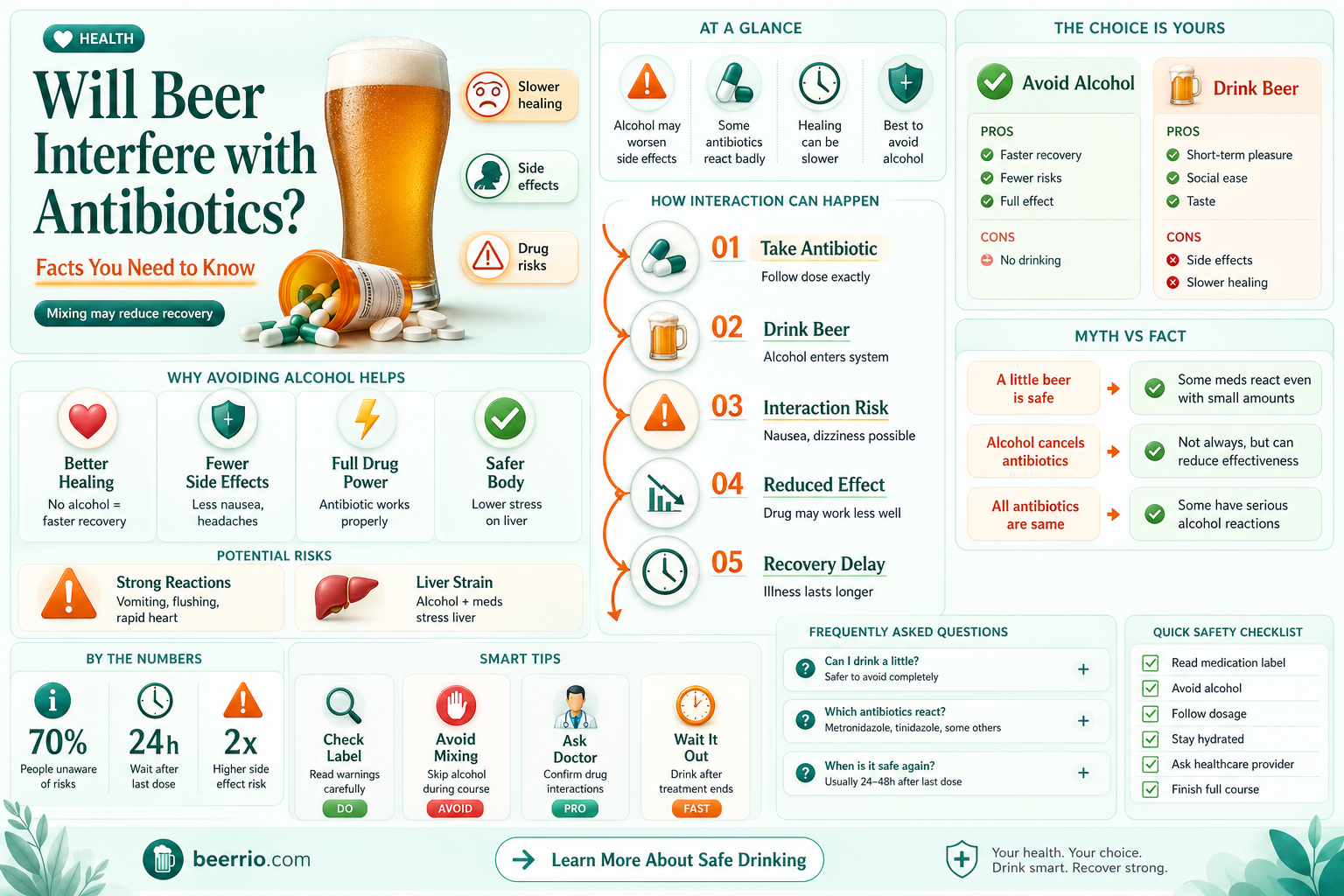
The question of whether beer will stop antibiotics from working is a common concern for individuals prescribed antibiotic treatment. While moderate alcohol consumption is generally considered safe for most people, it's essential to understand the potential interactions between alcohol and antibiotics. Some antibiotics can interact with alcohol, leading to increased side effects or reduced effectiveness of the medication. Therefore, it's crucial to consult with a healthcare professional or pharmacist about specific antibiotic medications and their interactions with alcohol. In general, it's advisable to avoid alcohol consumption while taking antibiotics to ensure the medication works effectively and to minimize the risk of adverse reactions.
Explore related products




What You'll Learn
- Antibiotic Resistance: The growing concern of bacteria becoming resistant to antibiotics due to overuse and misuse
- Alcohol's Impact: How alcohol consumption can interfere with the effectiveness of antibiotics and the body's immune response
- Drug Interactions: Potential interactions between beer and antibiotics that could reduce the efficacy of the medication
- Immune System: The effects of alcohol on the immune system and its ability to fight infections alongside antibiotics
- Health Risks: Increased health risks associated with combining alcohol consumption and antibiotic treatment, including possible side effects

Antibiotic Resistance: The growing concern of bacteria becoming resistant to antibiotics due to overuse and misuse
Antibiotic resistance is a growing concern worldwide, with bacteria increasingly becoming resistant to the drugs designed to combat them. This phenomenon is largely attributed to the overuse and misuse of antibiotics, which has accelerated the natural process of resistance development in bacteria. When antibiotics are used inappropriately, such as for viral infections or in excessive quantities, they can fail to effectively target the bacteria, allowing the resistant strains to survive and proliferate.
One of the primary drivers of antibiotic resistance is the widespread use of antibiotics in agriculture. Farmers often administer antibiotics to livestock to promote growth and prevent disease, which can lead to the development of resistant bacterial strains that can be transmitted to humans through food consumption. Additionally, the improper disposal of antibiotic waste and the lack of adequate sanitation infrastructure in many parts of the world contribute to the spread of resistant bacteria in the environment.
The consequences of antibiotic resistance are severe, as it limits the effectiveness of treatments for bacterial infections, leading to increased morbidity and mortality rates. In some cases, resistant infections can be extremely difficult or even impossible to treat, highlighting the urgent need for new strategies to combat this threat. Public health initiatives aimed at reducing antibiotic misuse, improving sanitation, and developing alternative treatments are crucial in addressing the problem of antibiotic resistance.
In the context of the question "will beer stop antibiotics from working," it is important to note that alcohol consumption can indeed impact the effectiveness of antibiotics. Alcohol can interfere with the absorption and metabolism of certain antibiotics, reducing their efficacy and potentially increasing the risk of side effects. Therefore, it is generally advisable to avoid consuming alcohol while taking antibiotics to ensure optimal treatment outcomes.
To mitigate the risk of antibiotic resistance, individuals can take several proactive steps. These include using antibiotics only as prescribed by a healthcare professional, completing the full course of treatment even if symptoms improve, and practicing good hygiene to prevent the spread of infections. Additionally, supporting policies and initiatives that promote responsible antibiotic use in agriculture and healthcare settings can help address this growing public health concern.
Exploring the Intriguing World of Beer Statistics and Trends
You may want to see also
Explore related products




Alcohol's Impact: How alcohol consumption can interfere with the effectiveness of antibiotics and the body's immune response
Alcohol consumption can significantly interfere with the effectiveness of antibiotics and the body's immune response. When alcohol is ingested, it can impair the body's ability to absorb and metabolize antibiotics, leading to reduced drug efficacy. Additionally, alcohol can weaken the immune system, making it more difficult for the body to fight off infections.
One way alcohol impacts antibiotic effectiveness is by interfering with the absorption process. Alcohol can irritate the stomach lining, leading to decreased absorption of antibiotics. This can result in lower blood levels of the drug, making it less effective in treating infections. Furthermore, alcohol can also affect the liver's ability to metabolize antibiotics, leading to increased drug levels in the blood. This can cause side effects and potentially toxic levels of the drug.
Alcohol's impact on the immune system is another critical factor to consider. Chronic alcohol consumption can lead to a weakened immune system, making it more difficult for the body to fight off infections. This is because alcohol can damage immune cells and disrupt the production of cytokines, which are essential for immune function. As a result, individuals who consume alcohol may be more susceptible to infections and may experience more severe symptoms.
It is essential to note that the effects of alcohol on antibiotic effectiveness and immune function can vary depending on the individual and the amount of alcohol consumed. Moderate alcohol consumption may not significantly impact antibiotic effectiveness or immune function, but excessive consumption can have detrimental effects. Therefore, it is crucial to consult with a healthcare professional regarding alcohol consumption while taking antibiotics.
In conclusion, alcohol consumption can interfere with the effectiveness of antibiotics and the body's immune response. This can lead to reduced drug efficacy, increased side effects, and a weakened immune system. It is essential to be aware of these potential interactions and to consult with a healthcare professional regarding alcohol consumption while taking antibiotics.
The Aging Process of Beer Post-Carbonation: A Comprehensive Guide
You may want to see also
Explore related products





Drug Interactions: Potential interactions between beer and antibiotics that could reduce the efficacy of the medication
Antibiotics are medications used to treat bacterial infections, and they work by killing or inhibiting the growth of bacteria. However, certain substances, including alcohol, can interact with antibiotics and reduce their effectiveness. Beer, which contains alcohol, is one such substance that can potentially interfere with the action of antibiotics.
One of the primary concerns with consuming beer while taking antibiotics is that alcohol can impair the body's ability to absorb and metabolize the medication. This can lead to lower levels of the antibiotic in the bloodstream, making it less effective at fighting off the infection. Additionally, alcohol can increase the risk of side effects associated with antibiotics, such as nausea, vomiting, and diarrhea.
Another potential interaction between beer and antibiotics is that alcohol can alter the gut microbiome, which is the community of microorganisms that live in the digestive tract. Antibiotics work by disrupting the balance of bacteria in the body, and alcohol can further exacerbate this disruption, potentially leading to issues such as antibiotic resistance or the overgrowth of harmful bacteria.
It is important to note that not all antibiotics interact with alcohol in the same way, and the severity of the interaction can vary depending on the specific antibiotic being taken. Some antibiotics, such as metronidazole and tinidazole, should not be consumed with alcohol at all, as the combination can cause severe side effects. Other antibiotics, such as penicillin and cephalosporins, may have less severe interactions with alcohol, but it is still advisable to avoid consuming alcohol while taking these medications to ensure their maximum effectiveness.
In general, it is recommended to avoid consuming alcohol, including beer, while taking antibiotics to minimize the risk of interactions and ensure the medication works as intended. If you have any concerns about potential interactions between your medications and alcohol, it is always best to consult with your healthcare provider for personalized advice.
Will Beer Kill Foot Fungus? Debunking Myths and Facts
You may want to see also
Explore related products






Immune System: The effects of alcohol on the immune system and its ability to fight infections alongside antibiotics
Alcohol consumption has a profound impact on the immune system, affecting its ability to fight infections. When alcohol is ingested, it impairs the function of various immune cells, including neutrophils, macrophages, and T cells. These cells are crucial for defending the body against pathogens. For instance, neutrophils are the first line of defense against bacterial infections, and their impaired function can lead to increased susceptibility to infections.
Moreover, alcohol disrupts the balance of the gut microbiome, which plays a significant role in immune function. The gut is home to trillions of microorganisms, and a healthy balance of these microbes is essential for a robust immune response. Alcohol consumption can lead to an overgrowth of harmful bacteria and a decrease in beneficial bacteria, thereby compromising the immune system.
In addition to its direct effects on immune cells and the gut microbiome, alcohol also impairs the body's ability to absorb essential nutrients that are vital for immune function. Nutrients such as vitamin C, vitamin D, and zinc are crucial for the proper functioning of the immune system, and alcohol can interfere with their absorption and utilization.
When it comes to the interaction between alcohol and antibiotics, the effects can be particularly concerning. Antibiotics are designed to kill or inhibit the growth of bacteria, but alcohol can interfere with their effectiveness. For example, alcohol can increase the risk of antibiotic resistance by promoting the survival of bacteria that are resistant to antibiotics. Furthermore, alcohol can enhance the side effects of antibiotics, such as nausea, vomiting, and diarrhea.
It is important to note that the effects of alcohol on the immune system and its interaction with antibiotics can vary depending on the individual's overall health, the amount of alcohol consumed, and the type of antibiotics being used. However, in general, it is advisable to avoid alcohol consumption while taking antibiotics to ensure optimal immune function and to minimize the risk of adverse effects.
Explore related products


Health Risks: Increased health risks associated with combining alcohol consumption and antibiotic treatment, including possible side effects
Combining alcohol consumption with antibiotic treatment can significantly increase health risks and lead to severe side effects. One of the primary concerns is that alcohol can interfere with the metabolism and absorption of antibiotics, reducing their effectiveness and potentially leading to treatment failure. This can be particularly dangerous in cases of severe infections, where the stakes are high, and the consequences of inadequate treatment can be life-threatening.
Moreover, alcohol can exacerbate the side effects of antibiotics, such as nausea, vomiting, and dizziness. This can make it difficult for patients to tolerate their medication, leading to non-adherence and further complicating their recovery. In addition, alcohol can increase the risk of developing antibiotic-resistant infections, as it can disrupt the balance of bacteria in the gut and promote the growth of harmful pathogens.
Another significant risk associated with combining alcohol and antibiotics is the potential for liver damage. Many antibiotics are metabolized by the liver, and alcohol can further strain this organ, leading to increased toxicity and potential liver failure. This risk is particularly high for individuals with pre-existing liver conditions or those who consume large amounts of alcohol regularly.
It is essential for patients to be aware of these risks and to avoid consuming alcohol while taking antibiotics. Healthcare providers should also take steps to educate their patients about the potential dangers of combining alcohol and antibiotics and to monitor for any signs of adverse reactions. By taking these precautions, we can help to ensure that patients receive the full benefits of their antibiotic treatment while minimizing the risks associated with alcohol consumption.
Frequently asked questions
Alcohol, including beer, can potentially reduce the effectiveness of certain antibiotics and increase the risk of side effects. It's generally recommended to avoid alcohol while taking antibiotics to ensure the medication works properly and to minimize any adverse reactions.
It's best to avoid alcohol entirely while taking antibiotics. Even small amounts can interfere with the medication's effectiveness and increase the risk of side effects. It's important to follow your healthcare provider's instructions and read the medication label for specific guidance.
Drinking beer while taking antibiotics can lead to several risks, including reduced effectiveness of the medication, increased side effects such as nausea, vomiting, and dizziness, and potential liver damage. It's crucial to prioritize your health and avoid alcohol during your antibiotic treatment.