 Beatrix Montes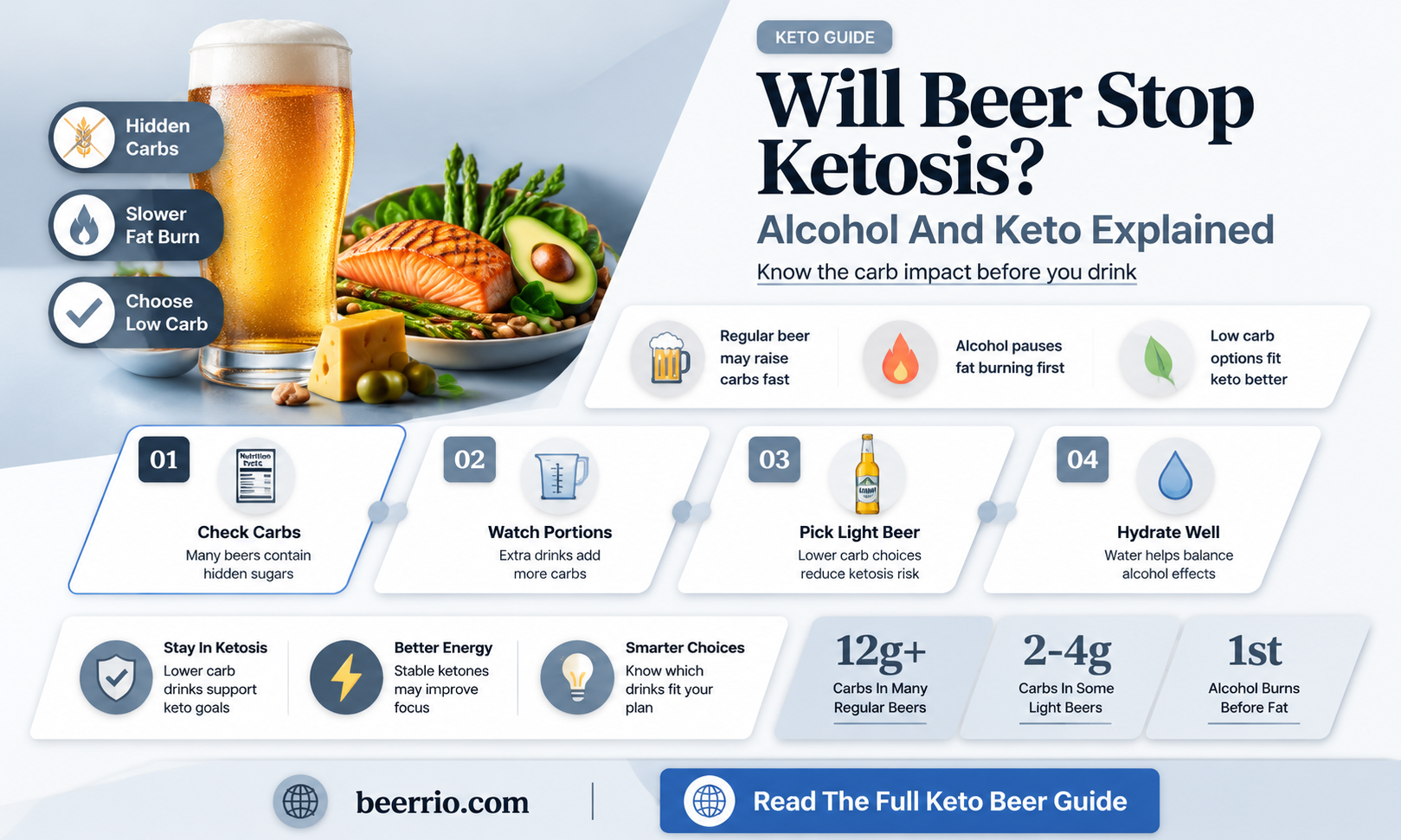
Ketosis is a metabolic state in which the body burns fat for fuel instead of carbohydrates, producing ketones in the process. This state is often achieved through a low-carb, high-fat diet, such as the ketogenic diet. Beer, being a source of carbohydrates and alcohol, can potentially impact this state. When consumed, beer may cause a temporary increase in blood sugar levels and insulin release, which could inhibit ketone production and temporarily halt ketosis. Additionally, alcohol can impair the liver's ability to produce ketones. However, the extent to which beer affects ketosis depends on various factors, including the individual's metabolism, the amount of beer consumed, and the overall dietary intake. Moderate consumption of low-carb beers might have a minimal impact on ketosis for some individuals, but it's generally recommended to limit or avoid alcohol intake when following a ketogenic diet to maintain optimal ketone levels.
Explore related products

What You'll Learn
- How Beer Affects Ketosis: Understanding the impact of beer consumption on the ketogenic state?
- Carbohydrate Content in Beer: Analyzing the carb content in different types of beer
- Alcohol Metabolism vs. Ketosis: Exploring how the body metabolizes alcohol compared to ketones
- Short-Term vs. Long-Term Effects: Differentiating the immediate and prolonged impacts of beer on ketosis
- Alternatives to Beer for Keto Dieters: Suggesting low-carb alcoholic beverages suitable for those on a ketogenic diet

How Beer Affects Ketosis: Understanding the impact of beer consumption on the ketogenic state
Beer consumption can significantly impact the ketogenic state due to its carbohydrate and alcohol content. When following a ketogenic diet, the body relies on ketones for fuel instead of glucose. Consuming beer, which is high in carbs, can disrupt this process by providing the body with glucose, potentially kicking it out of ketosis. Additionally, alcohol can interfere with the liver's ability to produce ketones, further hindering the ketogenic state.
The impact of beer on ketosis can vary depending on several factors, including the type of beer, the amount consumed, and the individual's metabolism. Light beers typically contain fewer carbohydrates than darker beers, making them a slightly better option for those trying to maintain ketosis. However, even light beers can contain enough carbs to disrupt the ketogenic state if consumed in excess. It's also important to consider the alcohol content, as higher alcohol beers can have a more pronounced effect on ketone production.
For individuals following a ketogenic diet, it's generally recommended to limit or avoid beer consumption altogether. If choosing to drink beer, it's crucial to do so in moderation and to select options with lower carbohydrate and alcohol content. Additionally, it may be helpful to adjust the diet to account for the additional carbohydrates and to ensure that the body remains in a state of ketosis.
In summary, beer can have a significant impact on the ketogenic state due to its carbohydrate and alcohol content. To maintain ketosis, it's important to limit or avoid beer consumption and to make informed choices when selecting beer options. By understanding the effects of beer on ketosis, individuals can make more informed decisions about their diet and lifestyle choices.
Exploring the Intriguing World of Beer Statistics and Trends
You may want to see also
Carbohydrate Content in Beer: Analyzing the carb content in different types of beer
Analyzing the carbohydrate content in different types of beer is crucial for individuals following a ketogenic diet, as carbs can significantly impact ketosis. Generally, beers can be categorized into three main types based on their carb content: low-carb, moderate-carb, and high-carb. Low-carb beers typically contain less than 5 grams of carbs per serving, making them a more suitable option for those in ketosis. Examples include Michelob Ultra and Bud Light. Moderate-carb beers, such as Heineken and Corona, contain around 10-15 grams of carbs per serving, which may or may not fit into a ketogenic diet depending on the individual's carb allowance. High-carb beers, like Guinness and Budweiser, can contain upwards of 20 grams of carbs per serving, making them less ideal for ketosis.
It's important to note that the brewing process and ingredients used can greatly influence the carb content of beer. For instance, beers brewed with alternative grains like sorghum or those that undergo a longer fermentation process tend to have lower carb counts. Additionally, some breweries now offer keto-friendly beer options, which are specifically crafted to be low in carbs.
When evaluating the impact of beer on ketosis, it's not just about the carb content but also the alcohol percentage. Alcohol can interfere with ketosis by being metabolized first by the body, potentially slowing down the process of burning fat for fuel. Therefore, it's recommended to choose beers with lower alcohol content if one wishes to maintain ketosis.
In conclusion, while beer can be a part of a ketogenic diet, it's essential to be mindful of both the carb content and alcohol percentage. Opting for low-carb, low-alcohol beers and consuming them in moderation can help individuals stay in ketosis while still enjoying a cold brew.
The Aging Process of Beer Post-Carbonation: A Comprehensive Guide
You may want to see also
Alcohol Metabolism vs. Ketosis: Exploring how the body metabolizes alcohol compared to ketones
The body's metabolism of alcohol and ketones follows distinct pathways, each with its own set of enzymes and byproducts. When alcohol is consumed, it is primarily metabolized in the liver through a two-step process. First, the enzyme alcohol dehydrogenase converts alcohol into acetaldehyde, a toxic compound. Then, the enzyme aldehyde dehydrogenase further breaks down acetaldehyde into acetate, which is eventually converted into carbon dioxide and water. This process is energy-intensive and can lead to a buildup of toxins in the body if alcohol consumption is excessive.
In contrast, ketosis is a metabolic state in which the body burns fat for fuel instead of carbohydrates. This process occurs in the mitochondria of cells and involves the conversion of fatty acids into ketones, which can then be used as an energy source by the brain and other organs. Ketosis is typically induced by a low-carbohydrate, high-fat diet, and it can also occur during fasting or in individuals with diabetes.
One key difference between alcohol metabolism and ketosis is the impact on blood sugar levels. Alcohol consumption can lead to a rapid increase in blood sugar, followed by a crash, which can be dangerous for individuals with diabetes. On the other hand, ketosis is characterized by stable blood sugar levels, as the body is using fat for fuel instead of carbohydrates.
Another important distinction is the effect on liver function. Chronic alcohol consumption can lead to liver damage and disease, while ketosis is generally considered to be beneficial for liver health. In fact, some studies have suggested that a ketogenic diet may help to improve liver function in individuals with non-alcoholic fatty liver disease.
In terms of weight loss, both alcohol metabolism and ketosis can play a role. However, the effects of alcohol on weight loss are complex and depend on a variety of factors, including the amount and type of alcohol consumed, as well as the individual's overall diet and lifestyle. Ketosis, on the other hand, is often associated with weight loss, as it can lead to a reduction in appetite and an increase in fat burning.
In conclusion, while both alcohol metabolism and ketosis involve the breakdown of molecules for energy, they have distinct pathways and effects on the body. Understanding these differences can help individuals make informed decisions about their diet and lifestyle choices, particularly when it comes to the consumption of alcohol and the pursuit of ketosis.
Will Beer Interfere with Antibiotics? Facts You Need to Know
You may want to see also
Short-Term vs. Long-Term Effects: Differentiating the immediate and prolonged impacts of beer on ketosis
The immediate effects of consuming beer while in ketosis can be quite pronounced. Beer, being a source of carbohydrates, can quickly disrupt the state of ketosis by raising blood sugar levels and insulin response. This can lead to a temporary halt in the body's fat-burning process, as the liver shifts its focus from producing ketones to metabolizing the alcohol and carbohydrates. Typically, this disruption can last for several hours, depending on the individual's metabolism and the amount of beer consumed.
In contrast, the long-term effects of beer on ketosis are more nuanced and can vary significantly from person to person. Chronic consumption of beer may lead to a persistent state of elevated blood sugar and insulin resistance, which can make it more challenging to maintain ketosis. Additionally, the empty calories from beer can contribute to weight gain and body fat accumulation over time, further complicating the ketosis process. However, occasional and moderate beer consumption may not have a significant long-term impact on ketosis for some individuals, especially if they are able to maintain a balanced diet and regular exercise routine.
One of the key factors in determining the long-term effects of beer on ketosis is the individual's overall lifestyle and dietary habits. For those who are committed to a ketogenic diet and make beer an occasional indulgence, the impact may be minimal. However, for those who regularly consume beer as part of an unhealthy diet, the long-term consequences can be more severe, potentially leading to metabolic syndrome and other health issues.
In conclusion, while the immediate effects of beer on ketosis are relatively straightforward, the long-term impacts are more complex and depend on a variety of factors. It is essential for individuals following a ketogenic diet to be mindful of their alcohol consumption and to prioritize a balanced and nutritious lifestyle to maintain optimal health and metabolic function.
Will Beer Kill Foot Fungus? Debunking Myths and Facts
You may want to see also
Alternatives to Beer for Keto Dieters: Suggesting low-carb alcoholic beverages suitable for those on a ketogenic diet
For individuals following a ketogenic diet, the question of whether beer will halt ketosis is a common concern. While traditional beers are high in carbohydrates and can indeed disrupt the metabolic state of ketosis, there are several low-carb alternatives that keto dieters can enjoy without compromising their dietary goals.
One popular option is hard seltzer, which typically contains fewer than 2 grams of carbohydrates per serving. Brands like White Claw and Truly offer a variety of flavors, making it easy to find a suitable replacement for beer. Another choice is low-carb beer, which has been specifically brewed to reduce carbohydrate content. Options such as Michelob Ultra and Bud Light Select have around 2-3 grams of carbs per serving, significantly lower than regular beers.
Spirits like vodka, gin, and whiskey are also keto-friendly when consumed in moderation, as they contain little to no carbohydrates. However, it's essential to be mindful of mixers, as many contain high amounts of sugar and carbs. Opting for a low-carb mixer like diet soda, unsweetened tea, or simply water with a slice of lemon can help maintain ketosis while enjoying a drink.
For those who prefer non-alcoholic options, there are several keto-friendly alternatives to beer. Unsweetened iced tea, flavored sparkling water, and low-carb mocktails can provide the social and sensory experience of drinking without the risk of disrupting ketosis. Additionally, some companies produce keto-specific beverages, such as ketogenic coffee or tea, which can be enjoyed hot or cold and offer a unique flavor profile.
In conclusion, while traditional beer may not be suitable for keto dieters, there are numerous low-carb and non-alcoholic alternatives available. By making informed choices and being mindful of carbohydrate content, individuals can enjoy a variety of beverages without compromising their ketogenic lifestyle.
Frequently asked questions
Yes, beer can stop ketosis. Alcohol, including beer, is metabolized differently than other macronutrients and can disrupt the metabolic state of ketosis.
Alcohol is metabolized by the liver, which prioritizes alcohol metabolism over fat metabolism. This can lead to a decrease in ketone production and disrupt the state of ketosis.
Generally, lighter beers with lower carbohydrate content may have a lesser impact on ketosis compared to heavier, higher-carb beers. However, it's important to note that any alcohol consumption can potentially disrupt ketosis.
The time it takes for ketosis to resume after drinking beer can vary depending on factors such as the amount of alcohol consumed, individual metabolism, and diet. It may take several hours to a few days for the body to re-enter a state of ketosis after alcohol consumption.
