Arabella Franco
Malting barley is a crucial step in the beer brewing process, serving multiple purposes that significantly impact the final product. The process involves soaking the barley in water to initiate germination, which activates enzymes that break down the grain's starches into fermentable sugars. These sugars are essential for yeast to produce alcohol and carbon dioxide during fermentation. Additionally, malting influences the beer's flavor, color, and body, as different roasting levels of the malted barley can impart various characteristics to the brew.
| Characteristics | Values |
|---|---|
| Purpose | Malting barley is a crucial step in beer brewing that prepares the barley for mashing and fermentation. |
| Process | Barley is soaked in water, allowed to germinate, and then dried to create malt. |
| Enzymes | Malting activates enzymes in the barley that convert starches to sugars, which are essential for fermentation. |
| Flavor | The malting process contributes to the flavor, aroma, and color of the beer. |
| Types of Malt | Different types of malt are produced by varying the drying temperature and time, such as pale malt, amber malt, and roasted malt. |
| Color | The color of the malt ranges from light tan to dark brown, depending on the roasting level. |
| Moisture Content | The moisture content of malt is typically around 10-12% to ensure it is dry enough for storage but still retains some moisture for mashing. |
| Protein Content | Malt contains proteins that contribute to the body and head retention of the beer. |
| Shelf Life | Properly stored malt can last for several months without significant degradation in quality. |
| Usage | Malt is the primary ingredient in beer, providing the fermentable sugars and flavor compounds. |
| Brewing Efficiency | The efficiency of the brewing process is influenced by the quality and type of malt used. |
| Cost | The cost of malt varies depending on the type and quality, with specialty malts being more expensive. |
| Availability | Malt is widely available in various forms and can be purchased from brewing supply stores or online. |
| Brewing Techniques | Different brewing techniques may require specific types of malt to achieve the desired flavor profile. |
| Experimentation | Brewers often experiment with different malt varieties and combinations to create unique beer flavors. |
Explore related products


What You'll Learn
- Enzyme Activation: Malting barley activates enzymes that convert starches into fermentable sugars, crucial for beer brewing
- Flavor Development: The malting process contributes to the development of flavors and aromas in the final beer product
- Nutrient Availability: Malting makes nutrients more available to yeast, ensuring a healthy fermentation process
- Color and Clarity: Different malting techniques can influence the color and clarity of the beer
- Preservation: Malting barley extends its shelf life, allowing brewers to store ingredients longer without spoilage

Enzyme Activation: Malting barley activates enzymes that convert starches into fermentable sugars, crucial for beer brewing
Malting barley is a critical step in beer brewing, primarily because it activates enzymes that play a pivotal role in converting starches into fermentable sugars. This enzymatic activity is essential for the production of wort, the sugary liquid that serves as the foundation for beer. During the malting process, barley grains are soaked in water and then allowed to germinate. This germination triggers the activation of various enzymes, including alpha-amylase, beta-amylase, and limit dextrinase, which collectively break down the complex starches within the barley into simpler sugars like maltose and glucose.
The activation of these enzymes is a delicate process that requires precise control of temperature, moisture, and time. Typically, the barley is first steeped in water at a temperature of around 65°F (18°C) to absorb moisture and initiate germination. After a period of 24 to 48 hours, the temperature is gradually increased to around 150°F (65°C) to halt germination and activate the enzymes. This temperature is maintained for several hours to ensure that the enzymes have sufficient time to convert the starches into sugars.
One of the key benefits of enzyme activation during malting is that it allows brewers to produce a wide range of beer styles with varying levels of sweetness, body, and alcohol content. By controlling the extent of starch conversion, brewers can tailor the wort to suit the specific requirements of different beer recipes. For example, a higher degree of starch conversion will result in a sweeter, more full-bodied beer, while a lower degree of conversion will yield a drier, lighter beer.
In addition to its role in starch conversion, enzyme activation during malting also contributes to the development of flavor and aroma compounds in beer. The breakdown of starches and proteins in the barley can produce a variety of compounds that influence the final taste and aroma of the beer. For instance, the Maillard reaction, which occurs during the kilning process following malting, can generate complex flavor compounds that contribute to the beer's overall character.
In conclusion, the activation of enzymes during the malting of barley is a crucial step in beer brewing that has a significant impact on the quality and characteristics of the final product. By carefully controlling the malting process, brewers can produce beers with a wide range of flavors, aromas, and alcohol contents, making enzyme activation a key factor in the art and science of beer brewing.
Exploring the Optimal Chemical Process for Microbrewing Beer
You may want to see also
Explore related products


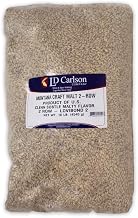
Flavor Development: The malting process contributes to the development of flavors and aromas in the final beer product
Malting barley is a critical step in beer brewing that significantly impacts the flavor profile of the final product. During the malting process, barley grains are soaked in water and allowed to germinate, which activates enzymes that break down the starches into fermentable sugars. This process not only makes the sugars available for yeast fermentation but also develops complex flavors and aromas that are essential to the character of the beer.
One of the key flavor compounds developed during malting is maltose, a sugar that contributes a rich, sweet flavor to the beer. Additionally, the germination process produces various esters and aldehydes, which can impart fruity, floral, or nutty notes depending on the specific conditions and duration of the malting process. Brewers often use different malting techniques, such as varying the temperature and moisture levels, to achieve specific flavor profiles tailored to the style of beer they are producing.
The roasting or toasting of malted barley further enhances flavor development. Darker malts, which are roasted for longer periods, can contribute flavors of chocolate, coffee, and caramel, while lighter malts offer more subtle, grainy flavors. The combination of these different malt flavors allows brewers to create a wide range of beer styles, from light lagers to robust stouts.
Moreover, the malting process also affects the beer's aroma. Compounds like thiols and sulfides, which are produced during germination and fermentation, can contribute to the beer's bouquet. Brewers must carefully control the malting process to ensure that these compounds are present in the desired quantities, as excessive levels can lead to off-flavors or aromas.
In summary, the malting process is crucial for developing the complex flavors and aromas that define the character of beer. By carefully controlling the germination and roasting conditions, brewers can create a diverse array of malt flavors that contribute to the overall taste and aroma of their beer.
Exploring the Fermentation Vessels: Where Beer Comes to Life
You may want to see also
Explore related products


Nutrient Availability: Malting makes nutrients more available to yeast, ensuring a healthy fermentation process
Malting barley is a critical step in beer brewing that significantly impacts the final product's quality and taste. One of the key benefits of malting is that it makes essential nutrients more available to yeast, which is crucial for a healthy fermentation process. During malting, barley grains are germinated and then dried, which activates enzymes that break down the grain's cell walls and release nutrients such as sugars, proteins, and vitamins. These nutrients are then more easily accessible to yeast during fermentation, allowing it to thrive and produce the desired flavors and aromas in the beer.
The process of malting also helps to reduce the antinutrients present in barley, which can inhibit yeast growth and activity. For example, tannins and phytic acid, which are common antinutrients in barley, are significantly reduced during malting. This reduction in antinutrients further enhances the availability of nutrients to yeast, ensuring a more robust and efficient fermentation process.
In addition to making nutrients more available, malting also helps to develop the flavor and aroma profile of the beer. The enzymes activated during malting break down the barley's starches into fermentable sugars, which not only provide food for the yeast but also contribute to the beer's sweetness and body. The Maillard reaction, which occurs during the drying phase of malting, also plays a significant role in developing the beer's flavor and aroma. This reaction involves the browning of proteins and sugars, which creates a range of complex flavors and aromas that are essential to the character of many beer styles.
Overall, the process of malting barley is essential for ensuring a healthy fermentation process and developing the desired flavors and aromas in beer. By making nutrients more available to yeast and reducing antinutrients, malting sets the stage for a successful brew. Brewers must carefully control the malting process to achieve the desired results, as factors such as temperature, moisture, and drying time can all impact the final product's quality.
The Craft of Brewing: An Exploration of Beer-Making Artistry
You may want to see also
Explore related products


Color and Clarity: Different malting techniques can influence the color and clarity of the beer
Malting barley is a critical step in beer brewing that significantly impacts the final product's color and clarity. The process involves germinating barley grains to activate enzymes that break down starches into fermentable sugars. This biochemical reaction not only affects the beer's flavor and aroma but also its visual properties.
Different malting techniques can produce a wide range of colors in beer, from light lagers to dark stouts. The color is primarily determined by the degree of roasting the malted barley undergoes. Lightly roasted malts, such as pilsner malt, result in pale beers, while heavily roasted malts, like chocolate malt, impart deep brown or black hues. Brewers carefully select and combine various malt types to achieve the desired color profile for their beer.
Clarity is another important aspect influenced by malting techniques. The presence of certain enzymes during the malting process, such as proteases, can help break down proteins that might otherwise cause haziness in the beer. Additionally, the use of adjuncts like corn or rice in combination with barley malt can contribute to a clearer beer by providing fermentable sugars without adding excessive proteins or other compounds that could affect clarity.
To achieve optimal color and clarity, brewers must consider factors such as the malt-to-grain ratio, the roasting time and temperature, and the specific enzymes active during the malting process. By carefully controlling these variables, brewers can produce beers with the desired visual characteristics, enhancing the overall sensory experience for consumers.
In summary, malting techniques play a crucial role in determining the color and clarity of beer. By understanding the biochemical processes involved and carefully selecting and combining different malt types, brewers can create a diverse range of visually appealing beers that meet their specific quality standards and consumer preferences.
Exploring the Cost of Brews at 512 Brewing: A Beer Lover's Guide
You may want to see also
Explore related products


Preservation: Malting barley extends its shelf life, allowing brewers to store ingredients longer without spoilage
Malting barley plays a crucial role in the preservation of beer ingredients. Through the malting process, barley undergoes a transformation that significantly extends its shelf life. This is achieved by activating enzymes within the barley that break down its cell walls, making the nutrients more accessible and stable. As a result, malted barley can be stored for longer periods without spoiling, which is essential for brewers who need to maintain a consistent supply of high-quality ingredients.
The preservation benefits of malting barley are particularly important in the context of seasonal brewing. Brewers often need to store ingredients for several months to ensure they have the necessary supplies on hand when specific beer styles are in demand. Without the malting process, barley would spoil quickly, leading to waste and inconsistency in the brewing process. By extending the shelf life of barley, malting allows brewers to plan and produce their beers more effectively, regardless of the season.
Furthermore, the malting process also helps to reduce the risk of contamination from bacteria and mold. The heat and moisture applied during malting create an environment that is less conducive to the growth of these microorganisms. This results in a cleaner, more sanitary product that is less likely to spoil or introduce unwanted flavors into the beer. As a result, brewers can be more confident in the quality and consistency of their final product when using malted barley.
In addition to its preservation benefits, malting barley also contributes to the flavor and texture of the beer. The enzymes activated during malting break down the starches in the barley into fermentable sugars, which are then converted into alcohol and carbon dioxide by yeast during fermentation. This process not only creates the desired alcoholic content but also contributes to the beer's body and mouthfeel. The specific flavors and aromas produced during malting can also vary depending on the type of barley and the malting process used, allowing brewers to create a wide range of beer styles with unique characteristics.
Overall, the preservation of barley through malting is a critical aspect of beer brewing that allows brewers to maintain a consistent supply of high-quality ingredients, reduce waste, and ensure the production of flavorful and consistent beers. By understanding the role of malting in the brewing process, brewers can make informed decisions about their ingredient selection and storage practices, ultimately leading to better beer.
Exploring London's Rich Brewing History: The Oldest Beer in Town
You may want to see also
Frequently asked questions
Malting barley is a crucial step in beer brewing that involves germinating the barley grains to convert their starches into fermentable sugars. This process is essential for creating the wort, which is the sugary liquid that yeast will ferment to produce alcohol and carbonation in the final beer product.
The malting process significantly impacts the flavor and color of beer. During germination, enzymes are activated that break down the barley's cell walls, releasing sugars and other compounds. The length and temperature of the germination process, as well as the drying temperature, can influence the final flavor profile and color of the malt, which in turn affects the taste and appearance of the beer.
There are several types of malt used in beer brewing, each with its own unique characteristics. The most common types include pale malt, which is lightly roasted and provides a clean, crisp flavor; caramel malt, which is roasted to a darker color and adds a rich, sweet flavor; and roasted malt, which is very dark and contributes a deep, coffee-like flavor. Specialty malts, such as wheat malt and rye malt, are also used to create unique flavor profiles in certain beer styles.
Malted barley has undergone the germination and drying process, which converts its starches into fermentable sugars and develops its flavor and color. Unmalted barley, on the other hand, has not been through this process and contains raw starches that are not easily fermentable. While unmalted barley can be used in brewing to add body and texture to the beer, it does not contribute the same level of fermentable sugars or flavor complexity as malted barley.
Yes, other grains can be used in place of or in addition to barley in beer brewing. Common alternatives include wheat, rye, oats, and corn. Each grain has its own unique flavor profile and can contribute different characteristics to the final beer. For example, wheat malt is often used in wheat beers to add a light, refreshing flavor, while rye malt is used in rye beers to provide a spicy, earthy taste.