Harmony Chandler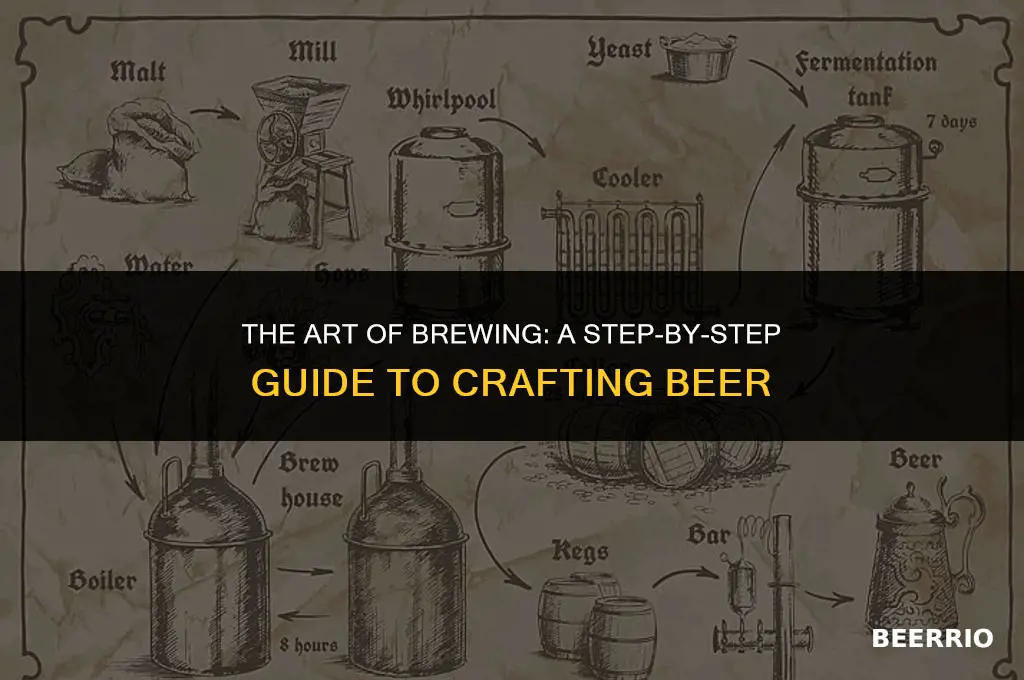
Brewing beer is a fascinating and intricate process that involves several key steps. It begins with the selection of high-quality ingredients, primarily water, malted barley, hops, and yeast. The process starts with malting, where barley is soaked, germinated, and then dried to develop the necessary enzymes for starch conversion. This is followed by mashing, where the malt is mixed with hot water to activate these enzymes and convert the starches into fermentable sugars. The resulting liquid, called wort, is then boiled with hops to add bitterness, flavor, and aroma. After cooling, the wort is transferred to a fermentation vessel where yeast is added. The yeast consumes the sugars, producing alcohol and carbon dioxide in the process. Finally, the beer is conditioned, filtered, and packaged for distribution. Each step in this process requires careful control of temperature, time, and ingredients to ensure the final product meets the desired quality and taste standards.
Explore related products


What You'll Learn
- Malting: Soaking grains in water, then drying and roasting them to develop flavors
- Mashing: Mixing milled grains with hot water to convert starches into fermentable sugars
- Boiling: Heating the wort (sugar solution) with hops to add bitterness and aroma
- Fermentation: Adding yeast to the cooled wort, allowing it to convert sugars into alcohol and CO2
- Conditioning: Aging the beer to develop flavors, clarify, and carbonate it naturally

Malting: Soaking grains in water, then drying and roasting them to develop flavors
Malting is a critical step in the beer brewing process that transforms raw grains into a form suitable for fermentation. The process begins with steeping the grains, typically barley, in water to initiate germination. This soaking period, known as steeping, usually lasts around 40 to 48 hours and is carefully controlled to ensure the grains absorb the right amount of moisture without becoming waterlogged.
After steeping, the grains are drained and spread out to dry. This drying phase is crucial as it prevents the growth of mold and bacteria that could spoil the brew. The grains are typically dried in a kiln at temperatures ranging from 120 to 180 degrees Fahrenheit until they reach a moisture content of about 10 to 12 percent.
Once dried, the grains undergo roasting, which is where the magic happens in terms of flavor development. Roasting can be done in a variety of ways, from lightly toasted to heavily charred, depending on the desired flavor profile. Lighter roasts produce beers with a crisp, clean taste, while darker roasts yield rich, complex flavors with notes of chocolate, coffee, and caramel.
The roasting process also affects the color of the beer. Darker roasts result in beers with a deep amber to black color, while lighter roasts produce beers that are pale yellow to golden. The combination of drying and roasting not only develops the flavors and colors of the beer but also prepares the grains for the next step in the brewing process, which is mashing.
In summary, malting is a three-step process that involves steeping grains in water, drying them to prevent spoilage, and roasting them to develop the desired flavors and colors for the beer. Each step is carefully controlled to ensure the quality and consistency of the final product.
Unlocking the Perfect Brew: The Ideal pH Level for Beer Making
You may want to see also
Explore related products


Mashing: Mixing milled grains with hot water to convert starches into fermentable sugars
Mashing is a critical step in the beer brewing process, where milled grains are mixed with hot water to convert their starches into fermentable sugars. This biochemical process, known as saccharification, is essential for creating the wort that will eventually be fermented into beer. The mashing process typically takes place in a mash tun, a large vessel designed to handle the high temperatures and volumes of water and grain involved.
The first step in mashing is to measure out the appropriate amount of milled grain and water. The ratio of grain to water is crucial, as it affects the final concentration of sugars in the wort. Brewers often aim for a specific gravity target, which determines the potential alcohol content of the finished beer. Once the grain and water are combined in the mash tun, they are mixed thoroughly to ensure an even distribution of the grains and to prevent the formation of dough balls.
The mash is then heated to a specific temperature, usually between 65°C and 70°C (149°F and 158°F), which is optimal for the enzymes in the grain to break down the starches into sugars. This process can take anywhere from 30 minutes to several hours, depending on the type of grain used and the desired sugar profile. Brewers often monitor the temperature and pH of the mash to ensure that the conditions remain favorable for saccharification.
After the mashing process is complete, the wort is separated from the spent grains through a process called lautering. This involves transferring the liquid wort to a separate vessel, leaving the solid grains behind. The wort is then cooled to a temperature suitable for yeast fermentation, typically around 18°C to 24°C (64°F to 75°F).
One common mistake in mashing is over- or under-heating the mash, which can lead to incomplete saccharification or the destruction of important enzymes. Brewers must also be careful to avoid contamination during the mashing process, as bacteria and wild yeast can spoil the wort and lead to off-flavors in the finished beer.
In summary, mashing is a complex and critical step in the beer brewing process, requiring careful attention to temperature, pH, and grain-to-water ratio. When done correctly, it sets the stage for a successful fermentation and a high-quality finished product.
Exploring Tree House Brewing's Finest: A Beer Enthusiast's Guide
You may want to see also
Explore related products


Boiling: Heating the wort (sugar solution) with hops to add bitterness and aroma
The boiling stage in beer brewing is a critical process where the wort, a sugar-rich solution extracted from the mashing process, is heated to a specific temperature to sterilize it and to extract bitterness and aroma compounds from the hops. This stage typically lasts for about 60 to 90 minutes, during which the wort is vigorously boiled to achieve the desired characteristics.
During boiling, the hops are added at different times to impart varying levels of bitterness and aroma. The timing of hop additions is crucial, as it affects the final flavor profile of the beer. Hops added early in the boil contribute more to the bitterness, while those added later, often in the last 15 to 30 minutes, contribute more to the aroma and flavor. This technique allows brewers to create a complex and balanced beer with a variety of hop characteristics.
In addition to hops, other ingredients such as spices, herbs, and adjuncts can also be added during the boiling process to enhance the flavor and aroma of the beer. These ingredients are typically added towards the end of the boil to preserve their delicate flavors and aromas.
The boiling process also serves to concentrate the wort by evaporating some of the water, which increases the sugar content and ultimately the alcohol potential of the beer. The wort is then cooled down rapidly after boiling to prepare it for fermentation, where yeast will convert the sugars into alcohol and carbon dioxide.
Overall, the boiling stage is a key component of the beer brewing process, where careful control of temperature, time, and ingredient additions can significantly impact the final quality and character of the beer.
Exploring Singapore's Inaugural Brew: A Taste of Local Craftsmanship
You may want to see also
Explore related products


Fermentation: Adding yeast to the cooled wort, allowing it to convert sugars into alcohol and CO2
Fermentation is a critical phase in the beer brewing process where yeast is introduced to the cooled wort. This stage is essential for transforming the sugars present in the wort into alcohol and carbon dioxide, which gives beer its distinctive flavor and effervescence. The process begins with the preparation of the yeast, which is typically rehydrated and activated before being pitched into the wort. The temperature of the wort is crucial at this stage, as it must be cooled to a range that is suitable for the yeast to thrive, usually between 60°F and 75°F (15°C and 24°C).
Once the yeast is added, it begins to consume the fermentable sugars in the wort, producing alcohol and CO2 as byproducts. This process can take anywhere from a few days to several weeks, depending on the type of beer being brewed and the specific yeast strain used. During fermentation, it is important to monitor the progress closely, as factors such as temperature, pH, and oxygen levels can significantly impact the outcome. Brewers often use tools like hydrometers to measure the specific gravity of the wort before and after fermentation, which helps to determine the alcohol content of the final product.
One of the key challenges during fermentation is maintaining a consistent temperature, as fluctuations can lead to off-flavors and other undesirable characteristics in the beer. Brewers may use various methods to control temperature, such as placing the fermenter in a temperature-controlled chamber or using cooling systems like glycol chillers. Additionally, it is important to minimize exposure to oxygen, as it can cause oxidation and spoilage. This can be achieved by using airtight fermenters and limiting the number of times the beer is transferred during the process.
After fermentation is complete, the beer is typically conditioned and aged to allow the flavors to develop and mature. This may involve transferring the beer to a secondary fermenter or leaving it in the primary fermenter for an extended period. During this time, the yeast will continue to work, albeit at a slower rate, and the beer will gradually clarify as the yeast settles to the bottom. Once the conditioning process is finished, the beer is ready for packaging and distribution, where it will continue to age and develop its flavors over time.
In summary, fermentation is a complex and delicate process that plays a vital role in the production of high-quality beer. By carefully controlling factors such as temperature, pH, and oxygen levels, brewers can ensure that the yeast performs optimally, resulting in a beer that is rich in flavor and character. Whether brewing at home or in a commercial setting, understanding and mastering the fermentation process is essential for creating exceptional beer.
Exploring the Fermentation Vessels: Where Beer Comes to Life
You may want to see also
Explore related products


$23


Conditioning: Aging the beer to develop flavors, clarify, and carbonate it naturally
Conditioning is a crucial phase in the beer brewing process, where the beer undergoes a series of transformations that significantly impact its final flavor, clarity, and carbonation. This stage involves several key steps that brewers must carefully manage to achieve the desired characteristics in their beer.
The first step in conditioning is transferring the beer from the fermenter to a conditioning tank or keg. This transfer should be done gently to avoid disturbing the yeast sediment that has settled at the bottom of the fermenter. Once in the conditioning tank, the beer is typically cooled to a temperature between 35°F and 40°F (2°C and 4°C) to slow down any remaining fermentation activity and promote the development of complex flavors.
During this cooling period, the beer may undergo a secondary fermentation if additional yeast or bacteria are added. This secondary fermentation can contribute to the beer's flavor profile, adding notes of fruit, spice, or funk, depending on the microorganisms used. The duration of this secondary fermentation varies depending on the beer style and the desired outcome, but it generally lasts for several weeks.
After the secondary fermentation, the beer is allowed to age and mature. This aging process can last anywhere from a few weeks to several months, depending on the beer style and the brewer's preferences. During this time, the beer's flavors meld together, and any harsh or off-flavors are smoothed out. The aging process also helps to clarify the beer by allowing any remaining yeast, bacteria, or other particles to settle out of suspension.
Natural carbonation occurs during the conditioning phase as a result of the yeast consuming sugars and producing carbon dioxide. The level of carbonation can be controlled by adjusting the amount of sugar added to the beer before conditioning and by monitoring the temperature and pressure in the conditioning tank. Once the desired level of carbonation is achieved, the beer is ready for packaging and distribution.
In conclusion, the conditioning phase is a critical component of the beer brewing process that involves careful temperature control, secondary fermentation, aging, and natural carbonation. By managing these factors effectively, brewers can produce beers with complex flavors, excellent clarity, and a balanced level of carbonation that enhances the overall drinking experience.
The Art of Brewing: Understanding the Boiling Process in Beer Making
You may want to see also
Frequently asked questions
The main ingredients used in brewing beer are water, malted barley, hops, and yeast. Water is the most abundant ingredient, making up about 90% of the beer. Malted barley provides the fermentable sugars that yeast converts into alcohol and carbon dioxide. Hops add bitterness, flavor, and aroma to the beer, while yeast is responsible for fermentation and contributes to the beer's flavor and character.
Yeast plays a crucial role in the beer brewing process by fermenting the sugars present in the wort (the liquid extracted from the mashing process). During fermentation, yeast converts these sugars into alcohol and carbon dioxide, which gives beer its alcoholic content and carbonation. Yeast also contributes to the beer's flavor and aroma, producing various compounds that can range from fruity and estery to spicy and phenolic, depending on the yeast strain used.
The mashing process in beer brewing involves mixing the malted barley with hot water in a mash tun to convert the starches in the barley into fermentable sugars. This process is crucial because it prepares the wort for fermentation by yeast. The temperature and duration of the mash are carefully controlled to ensure the optimal conversion of starches to sugars. After mashing, the wort is separated from the spent grains and then boiled with hops before being cooled and transferred to a fermentation vessel for yeast to work its magic.


![8 Pack [1 L / 33 fl. oz.] Swing Top Glass Bottles w/ Airtight Stopper Lids – Flip Top Brewing Bottle for Fermentation, Kombucha, Mead, Vinegar, Beer, Kefir, Wine, Soda – With 8 Extra Seals & 2 Pourer](https://m.media-amazon.com/images/I/71Dxyt2F7pL._AC_UY218_.jpg)