Harmony Chandler
Embarking on the journey of home brewing can be both exciting and intimidating for beginners. With the right beer brewing kit, however, the process becomes more accessible and enjoyable. A good beginner's kit should include all the essential equipment needed to brew beer, such as a fermenter, airlock, thermometer, and bottling gear. It should also come with easy-to-follow instructions and, ideally, a recipe or two to get started. In this guide, we'll explore some of the best beer brewing kits available for those new to the craft, helping you take your first steps into the world of home brewing with confidence.
Explore related products


What You'll Learn
- Types of Kits: All-in-one, extract, and partial mash kits explained for newbie brewers
- Essential Equipment: Must-have tools and accessories for starting your homebrewing journey
- Ingredient Quality: Importance of fresh ingredients and how they impact your beer's taste
- Ease of Use: User-friendly kits with clear instructions for first-time brewers
- Budget Considerations: Affordable options for beginners without compromising on quality

Types of Kits: All-in-one, extract, and partial mash kits explained for newbie brewers
For newbie brewers, understanding the different types of beer brewing kits is crucial to making an informed decision. All-in-one kits, extract kits, and partial mash kits each offer unique benefits and challenges.
All-in-one kits are the most user-friendly option, providing all the necessary equipment and ingredients in one package. These kits typically include a fermenter, airlock, thermometer, and detailed instructions. They're ideal for beginners who want a hassle-free brewing experience. However, they can be more expensive than other kit types and may limit your ability to customize the brewing process.
Extract kits, on the other hand, offer more flexibility and are often more cost-effective. These kits include malt extract, hops, yeast, and other ingredients, but you'll need to provide your own equipment. This allows you to choose the specific equipment that suits your needs and budget. However, extract kits require more preparation and knowledge of the brewing process, as you'll need to mix the ingredients and monitor the fermentation process more closely.
Partial mash kits strike a balance between all-in-one and extract kits. They include some equipment and ingredients, but also allow for some customization. These kits are a good option for beginners who want to learn more about the brewing process without investing in a full all-in-one kit. However, they can be more complex to use than all-in-one kits and may require additional purchases.
When choosing a kit, consider your budget, the amount of time you're willing to invest, and your level of experience. All-in-one kits are great for beginners who want a simple, straightforward brewing experience. Extract kits are ideal for those who want more flexibility and are willing to invest time in learning the brewing process. Partial mash kits offer a middle ground, providing some guidance while still allowing for customization.
Remember, the best kit for you will depend on your individual needs and preferences. Take the time to research and compare different kit types before making a decision. Happy brewing!
The Craft of Brewing: An Exploration of Beer-Making Artistry
You may want to see also
Explore related products




Essential Equipment: Must-have tools and accessories for starting your homebrewing journey
Embarking on your homebrewing journey requires more than just a basic kit; it demands a selection of essential tools and accessories that will ensure your success. One of the most critical pieces of equipment is a reliable thermometer. Accurate temperature readings are crucial for every stage of the brewing process, from mashing to fermentation. A good thermometer will help you maintain the optimal temperatures for enzyme activity, yeast health, and flavor development. Look for a thermometer with a wide temperature range, preferably one that can be calibrated for precision.
Another indispensable tool is a sturdy, food-grade bucket or carboy for fermentation. This vessel will serve as the primary fermentation chamber where your wort will transform into beer. It's important to choose a container that is easy to clean and sanitize, as well as one that can withstand the pressure generated during fermentation. A bucket with a spigot or a carboy with a narrow neck can make transferring your beer to bottles or kegs much easier, reducing the risk of oxidation and contamination.
In addition to these core items, a set of high-quality measuring tools is essential. This includes a kitchen scale for weighing ingredients, a hydrometer for measuring the specific gravity of your wort and beer, and a refractometer for quick Brix readings. These tools will help you achieve consistency in your recipes and monitor the progress of your brew. A good set of measuring spoons and cups is also invaluable for accurately portioning hops, yeast, and other additives.
Safety equipment should not be overlooked. A pair of heat-resistant gloves will protect your hands from burns when handling hot liquids, and safety goggles can shield your eyes from splashes of wort or cleaning chemicals. A foam or rubber mat to place under your fermentation vessel can prevent slipping and provide some insulation against temperature fluctuations.
Lastly, consider investing in a water filtration system or a reverse osmosis unit. The quality of your water can significantly impact the taste and character of your beer. A filtration system will remove impurities and chlorine, ensuring that your brew is not affected by off-flavors or unwanted chemicals.
By equipping yourself with these essential tools and accessories, you'll be well on your way to a successful and enjoyable homebrewing experience. Remember, the right equipment can make all the difference in the quality and consistency of your beer, so don't skimp on these crucial items.
Exploring the Unique Fusion: What Is Tea Brew Beer?
You may want to see also
Explore related products


Ingredient Quality: Importance of fresh ingredients and how they impact your beer's taste
Fresh ingredients are the cornerstone of great beer. The quality of your ingredients can make or break the final product, impacting everything from the flavor and aroma to the overall drinkability. When brewing beer, it's essential to use the freshest ingredients possible to ensure the best results.
One of the most critical ingredients in beer brewing is hops. Hops not only provide bitterness to balance the sweetness of the malt but also contribute to the beer's aroma and flavor. Using fresh hops can make a significant difference in the final product, as they retain more of their essential oils and compounds that contribute to the beer's character.
Another crucial ingredient is malt. Malt provides the fermentable sugars that yeast uses to produce alcohol and carbonation. Fresh malt will have a higher moisture content, which can lead to a more efficient mash and better sugar extraction. This, in turn, can result in a higher alcohol content and a more balanced beer.
Yeast is also a vital ingredient that can be affected by freshness. Fresh yeast will have a higher viability rate, meaning more of the yeast cells will be alive and able to ferment the sugars in the wort. This can lead to a faster fermentation, better attenuation, and a cleaner-tasting beer.
Water is often overlooked as an ingredient, but its quality can also impact the taste of your beer. Using fresh, clean water free of contaminants will ensure that your beer tastes as intended, without any off-flavors or aromas.
In conclusion, using fresh ingredients is essential for brewing great beer. By prioritizing the quality of your ingredients, you can ensure that your beer has the best possible flavor, aroma, and drinkability.
Crafting Brews: Essential Ingredients and Equipment for Beer Making
You may want to see also
Explore related products



Ease of Use: User-friendly kits with clear instructions for first-time brewers
For first-time brewers, the ease of use of a beer brewing kit can make or break the experience. A user-friendly kit with clear instructions is essential for beginners to navigate the brewing process successfully. When selecting a kit, look for one that includes detailed step-by-step guides, preferably with visual aids such as diagrams or videos. These resources can help demystify the brewing process and ensure that even those with no prior knowledge can follow along easily.
One key aspect of ease of use is the organization of the kit's components. A well-designed kit will have all the necessary equipment and ingredients neatly packaged and clearly labeled. This not only makes it easier to find what you need during the brewing process but also helps prevent mistakes that can occur when using the wrong ingredients or equipment. Additionally, consider kits that include pre-measured ingredients, as this can simplify the process and reduce the potential for errors.
Another important factor to consider is the level of customer support provided by the kit's manufacturer. A company that offers responsive customer service, such as phone or email support, can be invaluable for beginners who may have questions or encounter issues during the brewing process. Furthermore, kits that come with a satisfaction guarantee or warranty can provide peace of mind, knowing that you have recourse if you're not happy with the results.
When evaluating the ease of use of a beer brewing kit, it's also helpful to read reviews from other first-time brewers. These reviews can provide insights into the real-world usability of the kit and highlight any potential issues or areas for improvement. Additionally, consider the overall reputation of the kit's manufacturer, as established companies with a track record of producing high-quality, user-friendly products are more likely to offer a positive brewing experience.
In conclusion, the ease of use of a beer brewing kit is a critical factor for beginners. By selecting a kit with clear instructions, well-organized components, pre-measured ingredients, responsive customer support, and a strong reputation, first-time brewers can set themselves up for success and enjoy a rewarding brewing experience.
Exploring the Rich World of Nitro Cold Brew Beer
You may want to see also
Explore related products


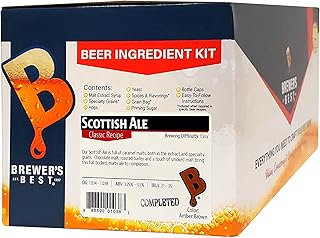

Budget Considerations: Affordable options for beginners without compromising on quality
For beginners looking to start their beer brewing journey without breaking the bank, there are several affordable options available that still offer quality results. One of the most cost-effective approaches is to opt for a partial mash kit, which typically includes the necessary equipment for mashing and fermenting but may require additional purchases for ingredients and other supplies. These kits often come with reusable components, making them a sustainable choice for those planning to brew regularly.
Another budget-friendly option is to consider purchasing a used or refurbished brewing kit. Many online marketplaces and local homebrew clubs offer gently used equipment at a fraction of the cost of new items. When going this route, it's essential to thoroughly inspect the equipment for any signs of wear or damage and to sanitize all components before use to ensure a clean brewing environment.
Beginners can also save money by starting with simpler beer styles that require fewer ingredients and less specialized equipment. For example, brewing a basic pale ale or stout can be a great way to get started without investing in a wide range of hops or specialty malts. As skills and confidence grow, brewers can then experiment with more complex recipes and ingredients.
To further reduce costs, beginners might consider joining a local homebrew club or community, where they can often find resources, advice, and even equipment sharing opportunities. Many clubs also host workshops and events that can help new brewers learn the ropes without spending a fortune on classes or seminars.
Ultimately, the key to finding an affordable beer brewing kit for beginners is to prioritize the essentials and be willing to invest time and effort into learning and experimenting. By focusing on quality equipment that can be reused and seeking out resources within the brewing community, new brewers can get started on their hobby without compromising on the quality of their final product.
Exploring Singapore's Inaugural Brew: A Taste of Local Craftsmanship
You may want to see also
Frequently asked questions
The best beer brewing kit for beginners is often considered to be the Brooklyn BrewShop Everyday IPA Beer Making Kit. It's user-friendly and includes all the necessary equipment and ingredients to brew your first batch of beer.
The Brooklyn BrewShop Everyday IPA Beer Making Kit is competitively priced compared to other beginner kits. It offers a good balance between affordability and quality, making it a popular choice for those new to home brewing.
With the Brooklyn BrewShop Everyday IPA Beer Making Kit, you can brew an India Pale Ale (IPA). This kit includes specific ingredients and recipes tailored to create a flavorful IPA, which is a great style for beginners to start with.
The Brooklyn BrewShop kit is quite comprehensive and includes most of what you need to get started. However, you may need to purchase a few additional items such as a thermometer, a hydrometer, and possibly some extra ingredients if you plan to experiment with different recipes.
Yes, the Brooklyn BrewShop kit comes with detailed instructions and access to online resources. Their website offers step-by-step guides, video tutorials, and customer support to help beginners through the brewing process.