Arabella Franco
Light beer versus regular beer is a debate that often centers around taste, calorie content, and brewing processes. Light beers are typically brewed to have fewer calories and a lighter flavor profile compared to their regular counterparts. This is achieved through various methods, including using lighter malts, reducing the amount of malt used, or adding adjuncts like corn or rice. While some argue that light beers lack the rich, full-bodied taste of regular beers, others prefer the lighter, more refreshing option, especially when considering health and fitness goals. The brewing industry has responded to this debate by offering a wide range of light beer options, catering to different preferences and dietary needs. Ultimately, the choice between light and regular beer comes down to individual taste and lifestyle considerations.
Explore related products




What You'll Learn
- Nutritional Content: Light beers often have fewer calories and carbs, but may lack some nutrients found in regular beers
- Taste and Flavor: Light beers are typically less flavorful and have a more watery taste compared to their regular counterparts
- Alcohol Content: Light beers usually have a lower alcohol by volume (ABV) percentage, which can affect the overall drinking experience
- Health Implications: While light beers may be lower in calories, they can still contribute to health issues if consumed excessively
- Brewing Process: Light beers often undergo a different brewing process, which can result in a lighter color and different texture

Nutritional Content: Light beers often have fewer calories and carbs, but may lack some nutrients found in regular beers
Light beers are often marketed as a healthier alternative to regular beers, primarily due to their lower calorie and carbohydrate content. This can be appealing to health-conscious consumers who still wish to enjoy the social aspects of beer drinking. However, the reduced calorie count in light beers may come at the expense of certain nutrients. Regular beers typically contain more B vitamins, particularly niacin, riboflavin, and folate, which are essential for various bodily functions including energy metabolism and DNA synthesis.
Moreover, regular beers often have higher levels of antioxidants such as flavonoids and polyphenols, which can help protect the body against oxidative stress and may contribute to a reduced risk of certain diseases like heart disease and cancer. Light beers, in contrast, may have lower concentrations of these beneficial compounds due to the brewing processes used to reduce their calorie content.
It's also worth noting that the lower carbohydrate content in light beers can affect their taste and mouthfeel, often resulting in a lighter, crisper flavor profile compared to their regular counterparts. This can be a matter of personal preference, with some individuals enjoying the taste of light beers more than regular beers.
In terms of alcohol content, light beers generally have a similar alcohol by volume (ABV) percentage to regular beers, typically ranging from 4% to 6%. This means that while light beers may be lower in calories and carbs, they do not necessarily provide a safer or more responsible drinking option in terms of alcohol consumption.
Ultimately, the choice between light and regular beer depends on individual preferences and health goals. Those looking to reduce their calorie and carbohydrate intake may opt for light beers, while others may prefer the taste and potential health benefits of regular beers. It's important to consume alcohol in moderation regardless of the type of beer chosen.
Quenching Your Thirst: The Hydration Debate Over Light Beer
You may want to see also
Explore related products


Taste and Flavor: Light beers are typically less flavorful and have a more watery taste compared to their regular counterparts
Light beers are often perceived as having a more watery taste and being less flavorful than their regular counterparts. This perception stems from the brewing process and the ingredients used. Light beers typically have a lower malt content, which results in a lighter color and a less robust flavor profile. The reduced malt also means less sugar, which can contribute to a drier, more crisp taste. Additionally, light beers often have a higher water content, which can dilute the overall flavor and lead to a more watery mouthfeel.
One of the key differences in taste between light and regular beers is the bitterness level. Regular beers usually have a higher hop content, which provides a more pronounced bitterness that balances the sweetness of the malt. Light beers, on the other hand, tend to have a lower hop content, resulting in a milder bitterness that can make the beer taste less complex and more one-dimensional.
Another factor that contributes to the flavor difference is the brewing process itself. Light beers are often brewed at lower temperatures and for shorter periods, which can result in a cleaner, more sterile taste. This process also helps to preserve the delicate flavors of the ingredients, but it can also lead to a less developed and less nuanced flavor profile compared to regular beers.
Despite these differences, it's important to note that taste is subjective, and what one person considers to be a more watery or less flavorful beer may be perfectly enjoyable to another. Some people prefer the lighter, more refreshing taste of light beers, especially in warmer weather or when they're looking for a lower-calorie option. Others may prefer the richer, more complex flavors of regular beers, which can offer a more satisfying and indulgent drinking experience.
Ultimately, the choice between light and regular beer comes down to personal preference and the specific occasion. If you're looking for a beer that's easy to drink and won't overpower your palate, a light beer may be the perfect choice. However, if you're seeking a more robust and flavorful beer that offers a more complex tasting experience, a regular beer may be a better option.
Exploring Healthier Choices: Light Beer vs. Soda Showdown
You may want to see also
Explore related products



Alcohol Content: Light beers usually have a lower alcohol by volume (ABV) percentage, which can affect the overall drinking experience
Light beers typically have a lower alcohol by volume (ABV) percentage compared to regular beers. This can significantly impact the overall drinking experience, as ABV is a key factor in determining the strength and effects of beer. Generally, light beers have an ABV ranging from 4% to 6%, while regular beers can have an ABV of 5% to 8% or higher. This difference in alcohol content can influence the taste, body, and head of the beer, as well as how it is perceived by drinkers.
One of the main reasons light beers have a lower ABV is to appeal to health-conscious consumers who are looking to reduce their alcohol intake. However, this lower alcohol content can also affect the flavor profile of the beer. Light beers often have a more delicate and subtle taste, with less maltiness and hop bitterness than regular beers. This can make them more refreshing and easier to drink, especially for those who prefer a lighter taste.
In terms of the drinking experience, light beers may be more suitable for casual drinking or social occasions where the goal is to enjoy a few drinks without becoming too intoxicated. They can also be a good choice for those who need to drive or operate machinery, as the lower ABV means they will have less of an impact on cognitive and motor functions.
On the other hand, regular beers with a higher ABV may be preferred by those who enjoy a stronger, more robust flavor and are looking for a more intense drinking experience. These beers can have a more complex taste profile, with richer malt flavors and more pronounced hop bitterness. They may also be more suitable for certain food pairings, as the higher alcohol content can help to cut through rich or fatty dishes.
Ultimately, the choice between light and regular beer comes down to personal preference and the specific drinking occasion. While light beers offer a lower alcohol content and a lighter taste, regular beers provide a more intense flavor and a stronger drinking experience. By understanding the differences in ABV and taste profile, drinkers can make an informed choice about which type of beer best suits their needs and preferences.
Exploring the Potassium Content in Light Beer: A Nutritional Insight
You may want to see also
Explore related products


Health Implications: While light beers may be lower in calories, they can still contribute to health issues if consumed excessively
Excessive consumption of light beer, despite its lower calorie content, can lead to several health issues. One significant concern is the potential for increased alcohol intake due to the perception that light beers are less harmful. This misconception can result in individuals drinking larger quantities, thereby negating the calorie-saving benefits and increasing the risk of alcohol-related health problems such as liver disease, cardiovascular issues, and certain types of cancer.
Moreover, light beers often contain higher levels of carbohydrates compared to regular beers, which can contribute to weight gain and blood sugar imbalances, particularly in individuals with diabetes or those who are carbohydrate-sensitive. The brewing process for light beers may also involve the use of adjuncts like corn or rice, which can lead to a higher glycemic index and potentially exacerbate insulin resistance.
Another health implication to consider is the impact of light beer on gut health. The lower fiber content in light beers can disrupt the balance of gut microbiota, leading to digestive issues and potentially compromising the immune system. Additionally, the presence of artificial sweeteners or flavor enhancers in some light beers can cause gastrointestinal distress and may contribute to the development of metabolic disorders.
It is crucial for consumers to be aware of these potential health risks and to practice moderation when drinking light beer. While it may be a more calorie-conscious choice, it is essential to consider the broader implications of excessive consumption and to balance it with a healthy diet and lifestyle.
Sipping Lightly: Navigating Beer Consumption with Acid Reflux
You may want to see also
Explore related products
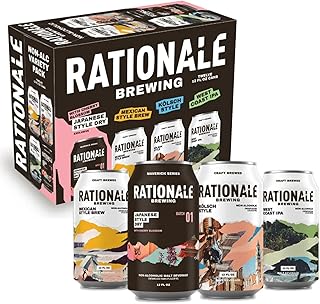





Brewing Process: Light beers often undergo a different brewing process, which can result in a lighter color and different texture
The brewing process for light beers is distinct from that of regular beers, primarily in terms of the ingredients used and the fermentation process. Light beers typically use a combination of pale malts and adjuncts such as corn or rice, which contribute to the beer's lighter color and lower calorie content. The fermentation process for light beers often involves a longer conditioning period at lower temperatures, which helps to reduce the production of esters and other flavor compounds that can contribute to a heavier taste.
One of the key differences in the brewing process for light beers is the use of adjuncts. Adjuncts are non-malted grains that are used to supplement the malt in the brewing process. They provide fermentable sugars that can help to reduce the beer's calorie content and also contribute to a lighter color. However, the use of adjuncts can also result in a beer with a thinner body and less complex flavor profile.
Another important aspect of the brewing process for light beers is the fermentation temperature. Light beers are typically fermented at lower temperatures than regular beers, which helps to reduce the production of esters and other flavor compounds that can contribute to a heavier taste. This lower fermentation temperature also helps to preserve the beer's delicate flavors and aromas.
The brewing process for light beers also often involves a longer conditioning period. This conditioning period allows the beer to mature and develop its flavors, resulting in a smoother and more refined taste. The longer conditioning period also helps to reduce the beer's bitterness and improve its overall balance.
In conclusion, the brewing process for light beers is distinct from that of regular beers in several ways. The use of adjuncts, lower fermentation temperatures, and longer conditioning periods all contribute to the beer's lighter color, lower calorie content, and unique flavor profile. While light beers may not be for everyone, they offer a refreshing and flavorful alternative to regular beers for those looking for a lighter option.
Unveiling the Truth: Is Light Beer Really High in Sugar?
You may want to see also
Frequently asked questions
Taste is subjective, but light beers are generally designed to have fewer calories and a lighter flavor profile, which some may prefer over the richer taste of regular beers.
Light beers typically have fewer calories and carbohydrates than regular beers, which can be beneficial for those watching their calorie intake. However, both types of beer should be consumed in moderation as part of a balanced diet.
Light beers often have a slightly lower alcohol by volume (ABV) percentage compared to regular beers, but the difference is usually minimal. Both types of beer should be consumed responsibly to avoid the negative effects of excessive alcohol consumption.