Jason Wagner
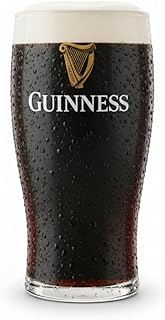
Guinness is indeed a beer, and a highly popular one at that. Originating in Ireland, Guinness is a dark stout that has become synonymous with Irish culture and is celebrated worldwide, particularly on St. Patrick's Day. Known for its rich, creamy head and distinctive roasted flavor, Guinness is brewed using traditional methods that have remained largely unchanged since its inception in 1759. The beer's iconic status is further solidified by its presence in numerous pubs and bars across the globe, where it is often served as a staple alongside other beverages.
Explore related products
$37.99 $41.54


What You'll Learn
- Ingredients: Guinness is made from roasted barley, hops, yeast, and water
- Brewing Process: The beer undergoes a unique brewing process involving nitrogen infusion
- Nutritional Information: A 12-ounce serving contains approximately 125 calories and 10 grams of carbs
- Alcohol Content: Guinness has an alcohol by volume (ABV) of about 4.2%
- Cultural Significance: Originating in Ireland, Guinness has become a symbol of Irish heritage and is celebrated globally

Ingredients: Guinness is made from roasted barley, hops, yeast, and water
Guinness, the iconic Irish stout, is crafted from a combination of roasted barley, hops, yeast, and water. This unique blend of ingredients contributes to its distinctive flavor profile and dark color. The roasted barley, which is a key component, undergoes a special roasting process that gives Guinness its characteristic rich, coffee-like taste and deep brown hue.
Hops, another essential ingredient, are used to balance the sweetness of the malt and add a slight bitterness to the beer. The type and amount of hops used in Guinness are carefully selected to achieve the perfect balance of flavors. Yeast, the third main ingredient, is responsible for fermenting the sugars in the malt and converting them into alcohol and carbon dioxide. The specific strain of yeast used in Guinness is a closely guarded secret and is said to be a key factor in the beer's unique taste.
Water, the final ingredient, is sourced from the Wicklow Mountains in Ireland and is known for its purity and mineral content. The water is treated and filtered before being used in the brewing process to ensure that it meets the high standards set by Guinness.
The brewing process itself is a closely guarded secret, but it is known that Guinness is brewed using a traditional method that involves several stages of fermentation and conditioning. The beer is then aged for a period of time before being bottled and shipped to consumers around the world.
In conclusion, the combination of roasted barley, hops, yeast, and water, along with the unique brewing process, is what makes Guinness such a distinctive and beloved beer. Whether you're a fan of the classic stout or one of the many variations that Guinness offers, there's no denying the quality and craftsmanship that goes into every pint.
The Dark Mystery: Unveiling the Secrets Behind Guinness Beer's Black Color
You may want to see also
Explore related products


Brewing Process: The beer undergoes a unique brewing process involving nitrogen infusion
Guinness beer is renowned for its distinctive brewing process, which sets it apart from other beers. One of the key elements that contribute to its unique flavor and texture is nitrogen infusion. Unlike traditional beers that are primarily carbonated with carbon dioxide, Guinness is infused with nitrogen during the brewing process. This nitrogen infusion gives Guinness its signature creamy head and smooth, velvety texture.
The process begins with the selection of high-quality ingredients, including roasted barley, hops, yeast, and water. The roasted barley is what gives Guinness its characteristic dark color and rich, coffee-like flavor. The hops are used to balance the sweetness of the malt and add a subtle bitterness to the beer. The yeast is responsible for fermenting the sugars in the malt, producing alcohol and carbon dioxide.
Once the beer has been brewed and fermented, it is transferred to a conditioning tank where the nitrogen infusion takes place. Nitrogen is added to the beer under pressure, which helps to dissolve it into the liquid. This process is carefully controlled to ensure that the right amount of nitrogen is infused into the beer. Too much nitrogen can result in a beer that is overly creamy and lacks the proper carbonation, while too little nitrogen can lead to a beer that is too fizzy and lacks the smooth texture that Guinness is known for.
After the nitrogen infusion, the beer is allowed to condition for a period of time, which allows the flavors to develop and the nitrogen to fully integrate into the beer. The conditioning process is crucial for achieving the perfect balance of flavors and textures in Guinness. Once the beer has been conditioned, it is filtered and packaged for distribution.
The unique brewing process involving nitrogen infusion is what makes Guinness stand out from other beers. It contributes to the beer's iconic creamy head, smooth texture, and rich, complex flavor profile. This process is a testament to the craftsmanship and attention to detail that goes into every pint of Guinness beer.
Exploring the Connection: Guinness Beer and World Records Unveiled
You may want to see also
Explore related products




Nutritional Information: A 12-ounce serving contains approximately 125 calories and 10 grams of carbs
Analyzing the nutritional content of Guinness, a 12-ounce serving contains approximately 125 calories and 10 grams of carbohydrates. This information is crucial for individuals monitoring their caloric and carb intake, perhaps due to dietary restrictions or health goals. It's worth noting that while Guinness is often perceived as a heavier beer, its calorie content is relatively moderate compared to other popular beers.
From a health perspective, understanding the nutritional breakdown of Guinness can help consumers make informed decisions about their alcohol consumption. For instance, those following a low-carb diet might be pleasantly surprised by the relatively low carbohydrate content. However, it's essential to consider that alcohol itself contains calories, and moderation is key to maintaining a balanced diet.
Comparatively, Guinness's nutritional profile stands out among other beers. Some light beers may have fewer calories, but they often lack the rich flavor and creamy texture that Guinness is known for. On the other hand, certain craft beers or ales can have significantly higher calorie and carb counts, making Guinness a more moderate choice for those mindful of their nutritional intake.
In summary, the nutritional information for Guinness provides valuable insights for health-conscious consumers. By understanding the calorie and carb content, individuals can make informed decisions about incorporating Guinness into their diet while still enjoying its distinctive taste.
The Fizzy Truth: Is Guinness Beer Carbonated?
You may want to see also
Explore related products



Alcohol Content: Guinness has an alcohol by volume (ABV) of about 4.2%
Guinness, the iconic Irish stout, boasts an alcohol by volume (ABV) of approximately 4.2%. This relatively modest ABV positions Guinness as a more sessionable beer compared to many other styles, making it a popular choice for those looking to enjoy a few pints without the higher alcohol content found in stronger ales or spirits. The lower ABV also contributes to Guinness's reputation as a smooth and easy-drinking beer, perfect for casual gatherings or a relaxing evening.
The 4.2% ABV of Guinness is achieved through a careful brewing process that balances the use of roasted barley, hops, and yeast. This combination not only imparts the beer's distinctive dark color and rich flavor profile but also ensures that the alcohol content remains at a level that is both enjoyable and manageable for most drinkers. The brewing process involves several key steps, including mashing, boiling, fermenting, and conditioning, each of which plays a crucial role in determining the final ABV of the beer.
One of the unique aspects of Guinness is its nitrogen infusion, which is responsible for the beer's famous creamy head and velvety texture. This nitrogen infusion process, which takes place after the beer has been poured, helps to enhance the overall drinking experience by creating a smoother and more luxurious mouthfeel. The nitrogen also acts as a natural preservative, helping to maintain the beer's freshness and quality over time.
In comparison to other popular beer styles, Guinness's 4.2% ABV is relatively low. For example, many India Pale Ales (IPAs) and Belgian ales can have ABVs ranging from 6% to 10% or even higher. This makes Guinness an attractive option for those who prefer a milder beer but still want to enjoy the complex flavors and aromas that a well-crafted stout can offer. Additionally, the lower ABV of Guinness makes it a more accessible choice for a wider range of drinkers, including those who may be new to craft beer or who are looking for a more approachable option.
Overall, the 4.2% ABV of Guinness is a key factor in its appeal as a versatile and enjoyable beer. Whether you're a seasoned beer enthusiast or a casual drinker, Guinness offers a unique combination of flavor, texture, and alcohol content that makes it a standout choice in the world of beer.
The Rich, Dark Mystery: Unveiling the Color of Guinness Beer
You may want to see also
Explore related products


Cultural Significance: Originating in Ireland, Guinness has become a symbol of Irish heritage and is celebrated globally
Guinness, a dark Irish stout, has transcended its origins to become an iconic symbol of Irish culture and heritage. Since its inception in 1759, the beverage has been intricately woven into the fabric of Irish society, representing more than just a drink—it embodies the spirit and resilience of the Irish people. The stout's rich history is deeply intertwined with Ireland's social and economic evolution, from its early days as a local brew to its current status as a global phenomenon.
The cultural significance of Guinness is evident in its association with Irish traditions and celebrations. St. Patrick's Day, for instance, has become synonymous with the consumption of Guinness, as people around the world raise a pint in honor of Ireland's patron saint. The drink has also played a role in Irish literature and folklore, further cementing its place in the nation's cultural identity.
Guinness's impact extends beyond Ireland's borders, as it has become a beloved beverage in numerous countries. The stout's popularity has led to the establishment of Guinness pubs and bars worldwide, creating spaces where people can gather to enjoy the drink and celebrate Irish culture. Additionally, Guinness has been featured in various forms of media, including films, television shows, and advertisements, which have helped to spread its cultural influence even further.
In recent years, Guinness has continued to evolve while maintaining its strong cultural roots. The company has introduced new products and flavors, catering to changing consumer preferences while still honoring its traditional brewing methods. Guinness's commitment to sustainability and social responsibility has also garnered praise, as the brand works to reduce its environmental impact and support local communities.
Overall, Guinness's cultural significance is a testament to the power of a single beverage to represent and shape a nation's identity. From its humble beginnings in Dublin to its current status as a global icon, Guinness remains an enduring symbol of Irish heritage and a beloved drink for millions of people around the world.
Exploring the Origins of Guinness: A Journey Through Irish Brewing History
You may want to see also
Frequently asked questions
Yes, Guinness is a beer. It is a popular Irish stout known for its distinctive dark color and creamy head.
Guinness is a stout, which is a type of beer that is typically dark in color and has a rich, roasted flavor profile.
The alcohol content of Guinness varies depending on the specific product, but the original Guinness stout typically has an alcohol by volume (ABV) of around 4.2%.
Guinness is different from other beers in several ways. It is made with roasted barley, which gives it its distinctive dark color and roasted flavor. It is also brewed using a unique process that involves adding nitrogen to the beer, which creates its signature creamy head.
Guinness can be enjoyed in a variety of ways. It is often served in a pint glass with a generous head, and it can be paired with a variety of foods, such as Irish pub fare, seafood, and chocolate desserts. Some people also enjoy Guinness in cocktails or as a base for beer-based recipes.