Harmony Chandler
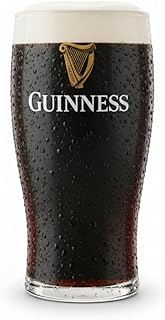
Guinness beer is known for its distinctive dark color, which is often described as black. However, it's not actually black; it's a very dark brown. The reason for this coloration lies in the brewing process. Guinness is a stout, a type of beer that is brewed using roasted malt or roasted barley, hops, water, and yeast. The roasting process is what gives Guinness its unique color. When the barley is roasted, it undergoes a chemical reaction called the Maillard reaction, which produces compounds that contribute to the beer's dark color and complex flavor profile. Additionally, Guinness is brewed with a higher proportion of roasted barley than many other beers, which further enhances its dark hue. The beer's color is also influenced by the addition of nitrogen during the pouring process, which creates a creamy head and can make the beer appear even darker.
Explore related products


What You'll Learn
- Ingredients: Guinness uses roasted barley, which gives the beer its dark color and rich flavor
- Brewing Process: The beer undergoes a unique brewing method that enhances its darkness and creamy head
- Historical Reasons: The dark color has historical roots, as it was originally brewed to withstand long sea voyages
- Marketing: The distinctive black color is a key part of Guinness's brand identity and marketing strategy
- Consumer Perception: Many consumers associate the dark color with a richer, more robust taste experience

Ingredients: Guinness uses roasted barley, which gives the beer its dark color and rich flavor
The dark color of Guinness beer is a result of the roasted barley used in its brewing process. Roasting the barley not only imparts a deep, rich flavor to the beer but also gives it its distinctive black hue. This is because the roasting process caramelizes the sugars in the barley, creating a dark, almost black, color.
The use of roasted barley in Guinness is a key factor in its unique taste profile. The roasting process brings out a range of flavors, including notes of coffee, chocolate, and caramel, which are characteristic of the beer. These flavors are not only a result of the roasting process but also the specific type of barley used. Guinness uses a combination of malted and roasted barley, which gives the beer its complex flavor and dark color.
In addition to the roasted barley, Guinness also uses a variety of other ingredients, including hops, yeast, and water. The hops used in Guinness are of a specific variety, known as East Kent Goldings, which contribute to the beer's distinctive bitterness. The yeast used is a proprietary strain that has been used in the brewing of Guinness for over a century. This yeast is responsible for the beer's creamy head and smooth, velvety texture.
The brewing process for Guinness is also unique, involving a number of steps that contribute to the beer's dark color and rich flavor. The barley is first malted, which involves soaking it in water and then drying it in a kiln. The malted barley is then roasted in a large, rotating drum, which gives it its dark color and rich flavor. After roasting, the barley is milled into a fine powder and mixed with water in a large vat. The mixture is then boiled and cooled before being fermented with the proprietary yeast strain.
The fermentation process for Guinness takes place in large, stainless steel tanks. The yeast is added to the cooled wort and allowed to ferment for a period of time. During fermentation, the yeast consumes the sugars in the wort and produces alcohol and carbon dioxide. The carbon dioxide is released from the tanks and the alcohol is allowed to remain, giving the beer its characteristic strength.
After fermentation, the Guinness is conditioned and filtered before being packaged and distributed. The conditioning process involves allowing the beer to mature for a period of time, which helps to develop its flavors and improve its overall quality. The filtering process removes any remaining yeast and other particles from the beer, giving it its clear, dark color.
Exploring the Perfect Pairings: What Goes Best with Guinness Beer?
You may want to see also
Explore related products


Brewing Process: The beer undergoes a unique brewing method that enhances its darkness and creamy head
The brewing process of Guinness beer is a key factor in its distinctive black color and creamy head. Unlike other beers, Guinness undergoes a unique brewing method that involves the use of roasted barley, which is responsible for its dark hue. The barley is roasted at a high temperature, which caramelizes the sugars and creates a rich, dark color. This roasted barley is then mashed with hot water, releasing the sugars and creating a sweet liquid known as wort.
The wort is then boiled with hops, which add bitterness and flavor to the beer. After boiling, the wort is cooled and transferred to fermentation tanks, where yeast is added. The yeast ferments the sugars in the wort, producing alcohol and carbon dioxide. During fermentation, the yeast also produces compounds that contribute to the beer's flavor and aroma.
One of the unique aspects of the Guinness brewing process is the use of nitrogen gas during fermentation. Nitrogen is added to the fermentation tanks to create a creamy, smooth texture and a thick, velvety head. This is in contrast to other beers, which typically use carbon dioxide during fermentation. The use of nitrogen also helps to preserve the beer's flavor and aroma, making it a key component of the Guinness brewing process.
After fermentation, the beer is conditioned and filtered before being packaged and distributed. The conditioning process involves storing the beer at a low temperature for several weeks, which allows the flavors to mature and develop. The filtering process removes any remaining yeast and other particles, resulting in a clear, smooth beer.
In summary, the brewing process of Guinness beer is a complex and carefully controlled method that involves the use of roasted barley, hops, yeast, and nitrogen gas. These ingredients and techniques work together to create the beer's distinctive black color, creamy head, and rich flavor. The process is a testament to the skill and expertise of the Guinness brewers, who have perfected their craft over generations.
Exploring the Roots: Is Guinness Truly an Irish Beer?
You may want to see also
Explore related products



Historical Reasons: The dark color has historical roots, as it was originally brewed to withstand long sea voyages
The dark color of Guinness beer is not just a characteristic of its taste but also a testament to its rich history. The beer's distinctive hue can be traced back to the 18th century when it was first brewed in Dublin, Ireland. During this time, long sea voyages were a common means of transportation for goods, including beer. However, the journey across the ocean was arduous and often resulted in the spoilage of perishable items.
To combat this issue, brewers began to experiment with different methods to preserve their beer. One such method was the use of roasted barley, which not only gave the beer a darker color but also enhanced its flavor and increased its shelf life. The roasted barley acted as a natural preservative, allowing the beer to withstand the long and often rough sea voyages without losing its quality.
Guinness, in particular, adopted this method and began using roasted barley in their brewing process. The result was a beer that was not only darker in color but also more robust and full-bodied. This unique characteristic quickly became a hallmark of Guinness and helped to establish it as a premium beer brand.
Over time, the dark color of Guinness became synonymous with the brand itself, and it is now one of the most recognizable features of the beer. While other beers may also use roasted barley in their brewing process, the distinctive dark color of Guinness remains a testament to its historical roots and the innovative brewing techniques that were developed to preserve the beer during long sea voyages.
In conclusion, the dark color of Guinness beer is a result of the historical need to preserve beer during long sea voyages. The use of roasted barley not only gave the beer a darker color but also enhanced its flavor and increased its shelf life. This unique characteristic has become a defining feature of Guinness and has helped to establish it as a premium beer brand.
Exploring the Vegan Status of Guinness Beer: A Comprehensive Guide
You may want to see also
Explore related products


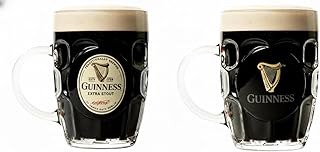


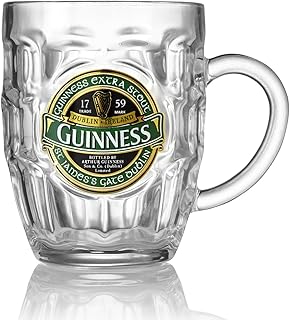
Marketing: The distinctive black color is a key part of Guinness's brand identity and marketing strategy
Guinness's distinctive black color is not just a result of its brewing process but also a crucial element of its brand identity and marketing strategy. The dark hue of the beer has become synonymous with the brand, making it instantly recognizable on shelves and in bars around the world. This visual distinctiveness plays a significant role in setting Guinness apart from its competitors and reinforcing its premium positioning in the market.
The black color of Guinness is often associated with sophistication and elegance, which aligns with the brand's image as a high-quality, luxury beer. This perception is further enhanced by the brand's advertising campaigns, which frequently emphasize the beer's rich heritage and craftsmanship. By leveraging its unique color, Guinness has been able to create a strong emotional connection with consumers, evoking feelings of warmth, comfort, and indulgence.
Moreover, the black color of Guinness has practical marketing implications. It allows the brand to stand out in a crowded marketplace, where most beers have a lighter color profile. This visual differentiation makes it easier for consumers to identify and choose Guinness over other options. Additionally, the dark color of the beer has been used to create iconic packaging designs, such as the classic Guinness pint glass and the distinctive black and gold label, which further reinforce the brand's identity.
In recent years, Guinness has also used its black color to appeal to a younger, more diverse audience. The brand has launched various campaigns and products that play on the idea of "black" as a symbol of boldness and individuality. For example, Guinness has collaborated with artists and designers to create limited-edition packaging that features bold, black-inspired designs. These initiatives have helped to reposition Guinness as a modern, edgy brand that resonates with a new generation of consumers.
In conclusion, the distinctive black color of Guinness is a key part of its brand identity and marketing strategy. It not only sets the beer apart from its competitors but also reinforces its premium positioning and emotional connection with consumers. By leveraging its unique color, Guinness has been able to create a strong, recognizable brand that appeals to a wide range of audiences.
Exploring the Kosher Status of Guinness Beer: A Comprehensive Guide
You may want to see also
Explore related products


Consumer Perception: Many consumers associate the dark color with a richer, more robust taste experience
The dark color of Guinness beer is often associated with a richer, more robust taste experience by consumers. This perception is rooted in the psychological impact of color on our senses. Dark colors, like the deep black of Guinness, can evoke feelings of depth and intensity, which our brains translate into a more profound flavor profile. This association is not just a marketing gimmick; it's a result of how our visual system interacts with our taste buds.
Historically, darker beers have been linked to stronger, more full-bodied flavors. This tradition dates back to the brewing practices of the 18th and 19th centuries, where darker malts were used to create beers with more complex and robust tastes. Guinness, with its distinctive black color, has capitalized on this historical association, positioning itself as a beer with a rich and satisfying flavor.
Moreover, the color of Guinness plays a crucial role in its branding and marketing strategy. The iconic black and white advertising campaigns have reinforced the idea that Guinness is not just a beer, but an experience. The dark color is synonymous with sophistication, elegance, and a certain mystique, which appeals to a wide range of consumers looking for more than just a casual drink.
In addition, the dark color of Guinness has practical implications for its brewing process. The use of roasted barley, which gives Guinness its color, also contributes to its unique flavor profile. This ingredient adds notes of coffee, chocolate, and caramel, enhancing the beer's complexity and depth. The brewing process itself is carefully controlled to ensure that the color and flavor are consistent, meeting the high expectations of consumers worldwide.
In conclusion, the dark color of Guinness beer is not just a visual characteristic; it's an integral part of the brand's identity and appeal. Through a combination of historical tradition, psychological impact, and strategic marketing, Guinness has successfully created a perception of richness and robustness that is closely tied to its distinctive black color.
Exploring the Rich Flavors: Coffee Notes in Guinness Beer
You may want to see also
Frequently asked questions
Guinness beer appears black due to the use of roasted barley, which gives it its distinctive dark color.
Guinness uses roasted barley, which is responsible for the beer's dark color and rich flavor.
The roasting process caramelizes the sugars in the barley, creating a dark color and adding a rich, slightly bitter flavor to the beer.
While roasted barley is the primary ingredient responsible for Guinness's color, the beer also contains other ingredients like hops, yeast, and water, which contribute to its overall flavor and appearance.
Guinness beer is typically black, but there can be slight variations in color depending on factors like the specific batch, the pouring technique, and the lighting conditions.