Lucy Palmer
Serving nitro beer is a specialized process that involves infusing beer with nitrogen gas to create a smooth, creamy texture and a cascading effect when poured. Unlike traditional carbon dioxide, nitrogen is less soluble in beer, resulting in smaller, more stable bubbles that enhance the beer's mouthfeel and visual appeal. The process typically requires a nitrogen tank and a regulator to control the gas flow, as well as specialized taps and glasses designed to optimize the pouring experience. By understanding the principles behind nitro beer service, bartenders and beer enthusiasts can elevate the enjoyment of this unique beverage.
Explore related products


What You'll Learn
- Nitrogen Gas System: Describes the setup for dispensing nitro beer, including gas cylinders and regulators
- Beer Infusion Process: Explains how nitrogen is infused into the beer to create the creamy texture
- Dispensing Mechanism: Details the tap system used to pour nitro beer, highlighting its unique features
- Glassware and Pouring Technique: Discusses the importance of using the right glass and pouring method for nitro beers
- Maintenance and Troubleshooting: Covers routine maintenance of nitro systems and common issues that may arise

Nitrogen Gas System: Describes the setup for dispensing nitro beer, including gas cylinders and regulators
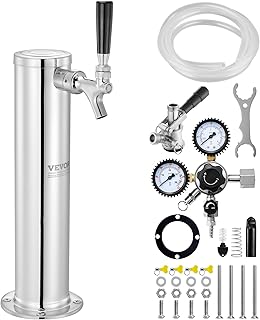
The nitrogen gas system is a crucial component in the dispensing of nitro beer, providing the necessary pressure and gas composition to achieve the desired creamy texture and cascading effect. At the heart of this system are the gas cylinders, which store nitrogen at high pressure. These cylinders are typically made of steel or aluminum and are designed to withstand the rigors of frequent use in a commercial setting.
Regulators are the unsung heroes of the nitrogen gas system, controlling the flow and pressure of the gas as it is dispensed. They are essential for maintaining the correct pressure at the tap, which is critical for achieving the perfect pour. Regulators come in various types, including single-stage and dual-stage models, each with its own advantages and disadvantages. Single-stage regulators are simpler and more cost-effective, but they may not provide the same level of precision as dual-stage regulators, which offer better control over the gas flow.
The setup of a nitrogen gas system for dispensing nitro beer involves several key components. First, the gas cylinders are connected to the regulators, which are then attached to the beer lines. The beer lines are typically made of stainless steel or other durable materials to prevent corrosion and ensure a clean, uncontaminated flow of beer. The lines are also insulated to maintain the temperature of the beer as it travels from the keg to the tap.
One of the most important aspects of setting up a nitrogen gas system is ensuring that the gas is properly balanced with the beer. This is achieved by adjusting the regulators to provide the correct pressure and flow rate. The ideal pressure for dispensing nitro beer is typically between 30 and 40 PSI, but this can vary depending on the specific beer and the desired effect.
In addition to the technical aspects of the nitrogen gas system, it is also important to consider the safety implications. Nitrogen is a colorless, odorless gas that can be dangerous if inhaled in large quantities. Therefore, it is essential to ensure that the gas cylinders and regulators are properly maintained and that the system is regularly inspected for leaks or other potential hazards.
In conclusion, the nitrogen gas system is a complex and critical component of the nitro beer dispensing process. By understanding the key components and setup of this system, bar owners and brewers can ensure that they are providing their customers with the best possible nitro beer experience.
Sipping Sense: Understanding Beer Servings in Liters
You may want to see also
Explore related products


Beer Infusion Process: Explains how nitrogen is infused into the beer to create the creamy texture
Nitrogen infusion is a critical step in the process of creating nitro beer, known for its creamy texture and smooth mouthfeel. Unlike traditional beers that rely solely on carbon dioxide, nitro beers incorporate nitrogen gas, which is responsible for the distinctive characteristics of this beverage. The infusion process begins with the beer being brewed and fermented in the usual manner. Once the beer has reached its desired flavor profile, it is transferred to a specialized infusion tank.
In the infusion tank, nitrogen gas is introduced under pressure. The nitrogen dissolves into the beer, creating tiny bubbles that are much smaller than those formed by carbon dioxide. These smaller bubbles contribute to the beer's creamy texture and velvety appearance. The infusion process must be carefully controlled to ensure the right amount of nitrogen is absorbed, as too much can lead to an overly foamy beer, while too little may result in a lack of the desired texture.
After the nitrogen has been infused, the beer is typically transferred to kegs or bottles for serving. When pouring a nitro beer, it is important to use a specific type of tap designed for nitrogen-infused beverages. This tap allows the beer to be dispensed at a lower pressure, which helps to maintain the creamy texture by preventing the nitrogen bubbles from becoming too large.
One of the key benefits of nitro beers is their ability to enhance the flavor profile of certain beer styles. The smooth, creamy texture can complement the rich, roasted flavors of stouts and porters, as well as the hoppy, citrus notes of IPAs. Additionally, nitro beers often have a lower perceived bitterness, which can make them more approachable for those who prefer milder beers.
In summary, the beer infusion process involves introducing nitrogen gas into the beer under controlled conditions to create a creamy texture and smooth mouthfeel. This process requires specialized equipment and careful monitoring to achieve the desired results. Nitro beers offer a unique drinking experience, with enhanced flavor profiles and a velvety appearance that sets them apart from traditional carbonated beers.
Crafting the Perfect Wedding Menu: A Guide to Beer Selection
You may want to see also
Explore related products




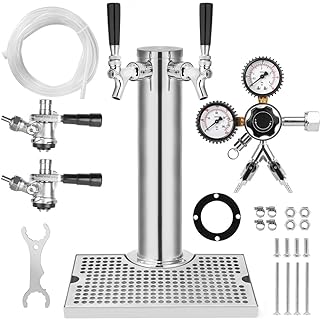
Dispensing Mechanism: Details the tap system used to pour nitro beer, highlighting its unique features
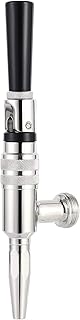
The dispensing mechanism for nitro beer is a specialized tap system designed to handle the unique properties of nitrogen-infused beer. Unlike traditional beer taps that rely solely on carbon dioxide, nitro beer taps incorporate a blend of nitrogen and carbon dioxide to achieve the desired creamy texture and smooth pour. This system typically features a separate nitrogen tank connected to the tap, allowing for precise control over the nitrogen-to-carbon dioxide ratio.
One of the key features of a nitro beer tap is the restrictor plate, which is installed at the nozzle of the tap. This plate contains tiny holes that restrict the flow of beer, creating a turbulent effect that enhances the creamy texture and reduces the amount of foam produced. The restrictor plate is crucial for achieving the signature cascade effect seen when pouring nitro beer, where the beer flows smoothly and settles gently in the glass.
Another important component of the nitro beer dispensing system is the pressure regulator, which ensures that the beer is served at the optimal pressure. Nitro beer is typically served at a lower pressure than traditional beers, usually around 30-40 PSI, to prevent excessive foaming and to maintain the beer's smooth texture. The pressure regulator works in conjunction with the nitrogen tank to maintain a consistent pressure throughout the pouring process.
In addition to these specialized components, nitro beer taps often feature a unique handle design that allows the bartender to control the flow of nitrogen and carbon dioxide separately. This design enables precise adjustments to the beer's texture and pour rate, allowing for a customized serving experience. Some nitro beer taps also include a temperature control system, which helps to maintain the beer at the ideal serving temperature of around 40-45°F.
Overall, the dispensing mechanism for nitro beer is a sophisticated system that requires careful calibration and maintenance to ensure optimal performance. By understanding the unique features and components of this system, bartenders can better appreciate the art and science behind serving nitro beer and provide their customers with a truly exceptional drinking experience.
Pour Your Own: The Ins and Outs of Self-Serve Beer Systems
You may want to see also
Explore related products


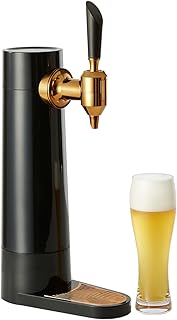
Glassware and Pouring Technique: Discusses the importance of using the right glass and pouring method for nitro beers
The right glassware is crucial for serving nitro beers because it affects the beer's presentation, aroma, and taste. Nitro beers are typically served in a tulip-shaped glass, which helps to concentrate the beer's aroma and maintain its creamy head. The shape of the glass also allows the beer to be swirled, releasing more of its volatile compounds and enhancing the drinking experience.
Pouring technique is equally important when serving nitro beers. The beer should be poured slowly and carefully to avoid disturbing the nitrogen bubbles, which can cause the beer to become cloudy and lose its smooth texture. It's also important to pour the beer at the right angle to create a thick, creamy head that will help to release the beer's aroma and flavor.
One common mistake when pouring nitro beers is to pour them too quickly, which can cause the beer to become over-carbonated and lose its smooth texture. Another mistake is to pour the beer at the wrong angle, which can cause the head to collapse and the beer to become cloudy.
To avoid these mistakes, it's important to practice proper pouring technique. Start by holding the glass at a 45-degree angle and slowly pouring the beer into the center of the glass. As the glass fills, gradually tilt it upright to create a thick, creamy head. If done correctly, the beer should have a smooth, velvety texture and a rich, creamy head that will enhance the drinking experience.
In addition to using the right glassware and pouring technique, it's also important to serve nitro beers at the right temperature. Nitro beers are typically served colder than traditional beers, at around 40-45°F (4-7°C). Serving the beer at the right temperature will help to enhance its flavor and aroma, and ensure that it has the smooth, creamy texture that nitro beers are known for.
Exploring the Tap Variety at McSorley's: A Beer Lover's Guide
You may want to see also
Explore related products
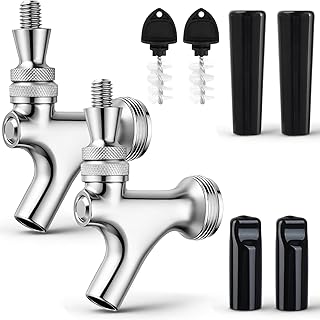
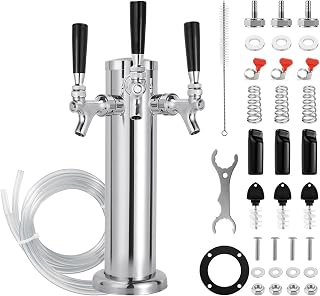


Maintenance and Troubleshooting: Covers routine maintenance of nitro systems and common issues that may arise
Regular maintenance is crucial for ensuring the optimal performance and longevity of nitro beer systems. This involves a combination of daily checks, weekly cleaning, and periodic inspections to identify and address potential issues before they escalate. One key aspect of routine maintenance is monitoring the pressure levels within the system, as fluctuations can affect the quality and consistency of the beer. This can be achieved through the use of pressure gauges and by keeping a log of readings to track any changes over time.
In addition to pressure monitoring, it is essential to regularly clean and sanitize all components of the nitro system, including the kegs, lines, and taps. This helps to prevent the buildup of bacteria and other contaminants that can spoil the beer and compromise the system's efficiency. Cleaning should be done using appropriate solutions and equipment, and all parts should be thoroughly rinsed and dried before reassembly.
Despite diligent maintenance, issues can still arise with nitro beer systems. Some common problems include leaks, clogs, and temperature fluctuations. Leaks can occur due to damaged or worn seals, connections, or hoses, and should be addressed promptly to prevent further damage and waste. Clogs can be caused by sediment buildup or debris in the lines, and can be cleared using specialized cleaning solutions or by physically removing the blockage. Temperature fluctuations can affect the beer's quality and should be minimized by ensuring that the system is properly insulated and that the surrounding environment is maintained at a consistent temperature.
Troubleshooting these issues often requires a systematic approach, starting with identifying the symptoms and then working backwards to determine the root cause. This may involve consulting the system's manual, seeking advice from experienced technicians, or using diagnostic tools to pinpoint the problem. Once the cause has been identified, appropriate steps can be taken to resolve the issue and prevent it from recurring in the future.
In conclusion, proper maintenance and troubleshooting are essential for ensuring the reliable operation of nitro beer systems. By following a regular maintenance schedule and addressing issues promptly, operators can minimize downtime and maintain the quality of their beer, ultimately leading to a better experience for their customers.
From Brews to Brains: Decoding the Half Barrel Beer Mystery
You may want to see also
Frequently asked questions
Nitro beer is a type of beer that is infused with nitrogen gas instead of carbon dioxide, which is used in regular beers. This gives nitro beer a smoother, creamier texture and a more stable head. The nitrogen also enhances the beer's aroma and flavor, making it a popular choice among beer enthusiasts.
Nitro beer is typically served from a specialized tap system that uses a mix of nitrogen and carbon dioxide to dispense the beer. The beer is poured into a glass that has been specifically designed to enhance the nitro beer experience, with a wide mouth to showcase the beer's head and a narrow base to maintain the nitrogenation.
Serving nitro beer has several benefits, including a smoother, creamier texture, a more stable head, and enhanced aroma and flavor. Nitro beer is also less likely to cause bloating and discomfort, as the nitrogen gas is easier to digest than carbon dioxide.
Yes, nitro beer can be served at home using a specialized nitro beer tap system. These systems are designed to infuse the beer with nitrogen gas and dispense it in a way that mimics the experience of drinking nitro beer at a bar or restaurant. However, it's important to note that serving nitro beer at home requires some additional equipment and knowledge, so it may not be as simple as serving regular beer.