Jason Wagner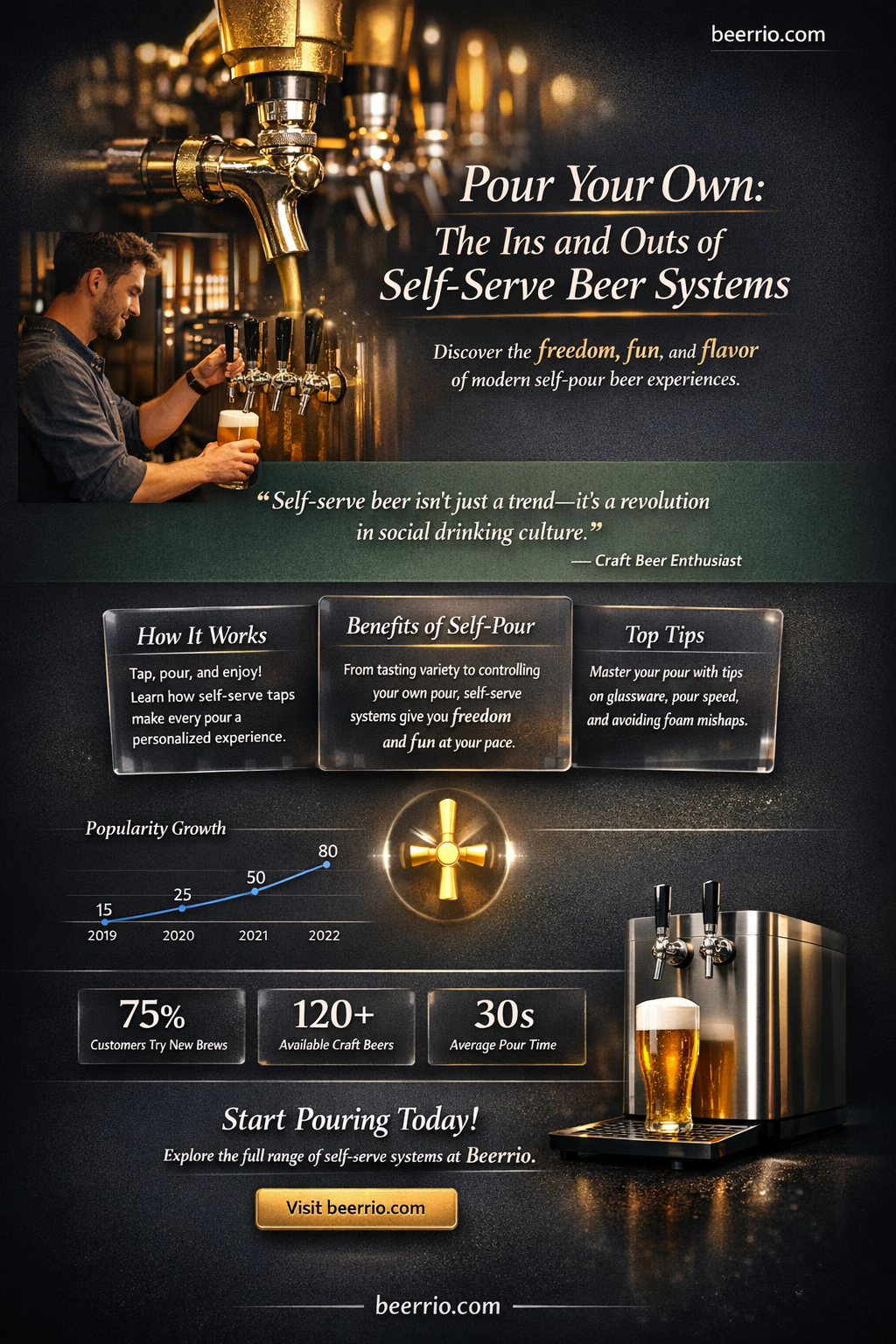
Self-serve beer systems have revolutionized the way patrons enjoy their beverages in bars, restaurants, and even at home. These innovative setups allow customers to pour their own beer directly from a tap, offering a personalized and interactive drinking experience. But how does this technology work? At its core, a self-serve beer system consists of a beer tap connected to a pressurized keg. When a user pulls the lever or pushes a button on the tap, it releases the pressurized beer, which flows through the tap and into the glass. To ensure the perfect pour, these systems often incorporate features like flow control, which regulates the speed of the beer, and a sensor that detects when the glass is full, automatically stopping the pour. Additionally, many self-serve systems include a cooling mechanism to maintain the beer at the optimal temperature. This combination of technology and user interaction not only enhances the overall drinking experience but also allows establishments to offer a wider variety of beers without the need for multiple taps.
Explore related products




What You'll Learn
- Beer Dispensing Systems: Overview of different types of self-serve beer systems available in bars and restaurants
- Pouring Process: Step-by-step guide on how to operate a self-serve beer tap, from selecting the beer to pouring
- Payment Methods: Explanation of various payment options used in self-serve beer systems, including cards and mobile payments
- Benefits and Drawbacks: Analysis of the advantages and disadvantages of self-serve beer systems for both customers and establishments
- Maintenance and Hygiene: Tips on how to maintain and clean self-serve beer systems to ensure quality and safety

Beer Dispensing Systems: Overview of different types of self-serve beer systems available in bars and restaurants
Self-serve beer systems have revolutionized the way bars and restaurants offer beer to their customers. These systems allow patrons to pour their own beer from a variety of taps, providing a more interactive and personalized drinking experience. There are several types of self-serve beer systems available, each with its own unique features and benefits.
One popular type of self-serve beer system is the beer tower. Beer towers are tall, cylindrical dispensers that hold multiple kegs of beer and feature several taps for customers to choose from. These systems are often found in bars and restaurants with a large beer selection, as they allow for easy access to a variety of beers without the need for a bartender to pour each one.
Another type of self-serve beer system is the beer wall. Beer walls are large, mounted dispensers that feature multiple taps and are typically installed on a wall. These systems are ideal for establishments with limited space, as they do not take up as much room as beer towers. Beer walls also offer a more modern and sleek appearance, which can enhance the overall aesthetic of a bar or restaurant.
Self-serve beer systems can also be integrated into existing bar equipment, such as beer taps and keg coolers. These systems, known as self-serve beer taps, allow customers to pour their own beer directly from the tap, while self-serve keg coolers enable patrons to access and pour beer from kegs stored in a refrigerated unit. These options provide a more traditional beer-drinking experience while still offering the convenience of self-service.
Overall, self-serve beer systems offer a range of benefits for bars and restaurants, including increased customer engagement, reduced labor costs, and the ability to offer a wider variety of beers. By providing customers with the ability to pour their own beer, these systems create a more interactive and enjoyable drinking experience that can help establishments stand out in a competitive market.
Explore related products



Pouring Process: Step-by-step guide on how to operate a self-serve beer tap, from selecting the beer to pouring
Begin by approaching the self-serve beer tap with confidence. The first step is to select your desired beer from the available options. Take a moment to read the labels and descriptions, considering factors such as alcohol content, flavor profile, and origin. Once you've made your choice, position yourself comfortably in front of the tap.
Next, locate the handle or lever that controls the flow of beer. It's usually found on the side or top of the tap. Grip it firmly and pull it towards you to open the valve. The beer should start flowing smoothly. If it doesn't, check for any obstructions or issues with the tap.
As the beer begins to pour, hold your glass at a slight angle to allow the beer to slide down the side, reducing the amount of foam generated. Keep your eye on the level of the beer in the glass, stopping the flow when you reach your desired amount. Remember to close the valve by pushing the handle or lever back into its original position.
Now, take a moment to inspect your pour. A good pour should have a minimal amount of foam, with the beer appearing clear and free of any debris. If you're satisfied with your pour, you're ready to enjoy your beer. If not, don't hesitate to try again, adjusting your technique as needed.
One common mistake to avoid is overpouring. Not only does this waste beer, but it can also lead to an excessive amount of foam, which can detract from the overall drinking experience. Additionally, be mindful of your surroundings and fellow patrons. Self-serve beer taps are designed for everyone's use, so be considerate and take turns.
In conclusion, operating a self-serve beer tap is a simple process that requires just a few steps. By following these guidelines and practicing good etiquette, you'll be able to enjoy a perfect pour every time. Cheers!
Explore related products


Payment Methods: Explanation of various payment options used in self-serve beer systems, including cards and mobile payments
In the realm of self-serve beer systems, payment methods play a crucial role in ensuring a seamless and efficient user experience. One of the most common payment options is the use of cards, which can include both debit and credit cards. These systems typically require the user to insert their card into a card reader, enter their PIN or signature, and then select the amount of beer they wish to dispense. The transaction is then processed, and the user's account is charged accordingly.
Another increasingly popular payment method is mobile payments, which allow users to pay for their beer using their smartphones or other mobile devices. This can be done through various mobile payment apps or by using contactless payment technology, such as Apple Pay or Google Wallet. Mobile payments offer a convenient and secure way to pay, as they eliminate the need to carry cash or cards and can be processed quickly and easily.
In addition to cards and mobile payments, some self-serve beer systems also accept cash payments. However, this method is becoming less common due to the increasing popularity of digital payment options and the challenges associated with handling and managing cash.
When choosing a payment method for a self-serve beer system, it is important to consider factors such as convenience, security, and cost. Card and mobile payments offer a high level of convenience and security, but they may come with additional costs, such as transaction fees or processing charges. Cash payments, on the other hand, do not incur these additional costs, but they may be less convenient and secure.
Overall, the choice of payment method for a self-serve beer system will depend on the specific needs and preferences of the establishment and its customers. By offering a variety of payment options, establishments can cater to the diverse needs of their patrons and ensure a positive and enjoyable experience for all.
Explore related products


Benefits and Drawbacks: Analysis of the advantages and disadvantages of self-serve beer systems for both customers and establishments
Self-serve beer systems have revolutionized the way customers interact with establishments, offering a blend of convenience and novelty. One significant advantage for customers is the ability to pour their own beer, which can lead to a more personalized drinking experience. They can choose the exact amount they want, ensuring they're not overcharged for a full pint if they only want a half. This system also allows for a variety of beer options to be available at the same time, catering to diverse tastes without the need for multiple taps.
For establishments, self-serve systems can reduce labor costs as fewer staff members are needed to serve drinks. It also minimizes the risk of spills and waste, as customers are more likely to pour carefully when they're paying for the beer themselves. Additionally, these systems can provide real-time data on consumption patterns, which can be valuable for inventory management and marketing strategies.
However, there are drawbacks to consider. Customers may not be familiar with the system, leading to confusion or frustration. There's also the potential for overconsumption, as the ease of access might encourage customers to drink more than they normally would. Establishments need to ensure that the system is user-friendly and that staff are available to assist customers and monitor usage to prevent any issues.
Another consideration is the initial investment required for the technology and equipment. While it may lead to cost savings in the long run, the upfront costs can be prohibitive for some establishments. Furthermore, the system requires regular maintenance and cleaning to ensure it functions properly and meets health and safety standards.
In conclusion, self-serve beer systems offer several benefits for both customers and establishments, including personalization, convenience, and cost savings. However, they also come with potential drawbacks such as user confusion, overconsumption, and maintenance requirements. Establishments considering implementing such a system should carefully weigh these factors and ensure they have the necessary infrastructure and staff training to support it effectively.
Explore related products


Maintenance and Hygiene: Tips on how to maintain and clean self-serve beer systems to ensure quality and safety
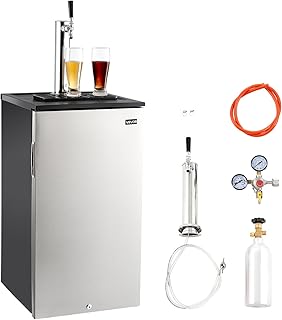
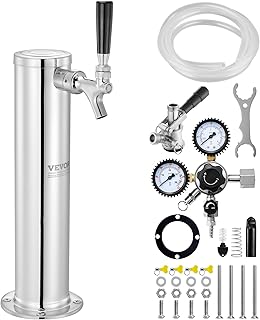
Regular cleaning and maintenance are crucial for self-serve beer systems to ensure the quality and safety of the beer being dispensed. This involves both daily and periodic tasks that help prevent contamination, maintain optimal performance, and prolong the life of the equipment.
Daily maintenance should include wiping down the dispensing area with a sanitizing solution to remove any spills or residue. The beer lines should also be flushed regularly to prevent the buildup of bacteria and other contaminants. This can be done by running a cleaning solution through the lines, followed by a water rinse.
Periodic maintenance, typically performed weekly or monthly, should include a more thorough cleaning of the system. This may involve disassembling certain parts of the equipment, such as the tap handles and spouts, for a deep clean. It's also important to check and replace any worn or damaged parts, such as gaskets and seals, to prevent leaks and ensure a proper seal.
In addition to regular cleaning and maintenance, it's important to monitor the temperature and pressure of the beer system to ensure optimal performance. Beer should be stored at a consistent temperature, typically between 35°F and 40°F, to maintain its quality and flavor. The pressure of the system should also be checked regularly to ensure that it's within the recommended range for the specific type of beer being dispensed.
By following these maintenance and hygiene tips, self-serve beer systems can provide a safe and enjoyable experience for customers while also ensuring the quality and consistency of the beer being served.
Frequently asked questions
Self-serve beer systems allow customers to pour their own beer from a tap. They typically work by using a digital interface where customers can select the type and amount of beer they want. Payment is usually made through a card or mobile app, and the system dispenses the beer into a glass or container provided by the customer.
Self-serve beer offers several benefits, including convenience, customization, and cost savings. Customers can serve themselves at their own pace, choose the exact amount and type of beer they want, and often pay less than they would for a full glass at a bar. It also reduces wait times and labor costs for establishments.
The legality of self-serve beer varies by location. In many places, self-serve beer is legal as long as the establishment has the proper licensing and follows specific guidelines. However, some jurisdictions have restrictions or prohibitions on self-serve alcohol due to concerns about overconsumption and underage drinking.
Self-serve beer systems can incorporate various features to promote responsible drinking. These may include limits on the amount of beer a customer can purchase in a given time period, mandatory age verification, and prompts to encourage customers to drink responsibly. Some systems also allow staff to monitor and intervene if they notice any signs of excessive drinking.