Jason Wagner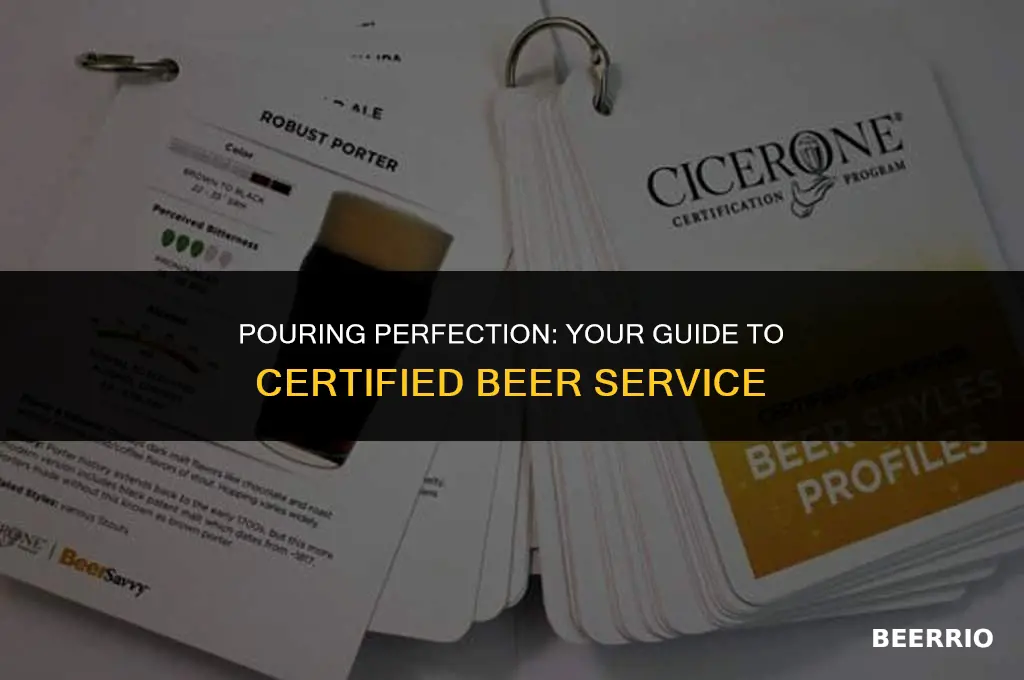
Becoming a certified beer server involves a combination of education, training, and practical experience. The first step is to research and enroll in a reputable beer certification program, such as those offered by organizations like the Cicerone Certification Program or the Beer Judge Certification Program. These programs typically cover topics such as beer styles, brewing processes, and serving techniques. Upon completing the coursework, candidates must pass a written exam to demonstrate their knowledge. In addition to formal education, gaining hands-on experience by working in a brewery, bar, or restaurant can provide valuable practical skills and insights into the industry. Networking with other beer professionals and attending industry events can also help aspiring beer servers stay up-to-date on the latest trends and best practices. With dedication and a passion for beer, individuals can pursue a rewarding career as a certified beer server.
Explore related products



What You'll Learn
- Study beer types and styles: Learn about lagers, ales, stouts, and IPAs to understand flavor profiles and brewing processes
- Master pouring techniques: Practice proper glassware selection and pouring methods to enhance beer presentation and aroma
- Understand beer and food pairings: Discover how to match beers with dishes to elevate the dining experience
- Learn about beer ingredients and brewing: Gain knowledge of the four main ingredients in beer and the brewing process
- Develop customer service skills: Improve communication and service abilities to ensure a positive experience for beer enthusiasts

Study beer types and styles: Learn about lagers, ales, stouts, and IPAs to understand flavor profiles and brewing processes
To become a certified beer server, it's essential to have a deep understanding of the various beer types and styles available. This knowledge will not only help you make informed recommendations to customers but also enhance your appreciation of the brewing process. Let's dive into the world of lagers, ales, stouts, and IPAs to explore their unique flavor profiles and brewing techniques.
Lagers are a popular type of beer known for their crisp, clean taste and smooth finish. They are typically brewed at lower temperatures, which results in a slower fermentation process. This slow fermentation allows for the development of subtle flavors and aromas, making lagers a great choice for those who prefer a more delicate beer. Some common styles of lagers include Pilsners, Helles, and Bocks.
Ales, on the other hand, are brewed at higher temperatures, leading to a faster fermentation process. This results in beers with more complex flavors, aromas, and a slightly fruity or spicy character. Ales can range from light and refreshing to dark and robust, with styles such as Pale Ales, Belgian Ales, and Brown Ales.
Stouts are a type of dark beer that is rich, full-bodied, and often has notes of coffee, chocolate, and caramel. They are typically brewed with a higher proportion of roasted malts, which gives them their distinctive color and flavor. Some popular styles of stouts include Irish Dry Stouts, Imperial Stouts, and Oatmeal Stouts.
IPAs, or India Pale Ales, are known for their hoppy, bitter flavor and strong aroma. They were originally developed in England for export to India, where the high hop content helped to preserve the beer during the long journey. Today, IPAs are enjoyed worldwide and come in various styles, such as American IPAs, Double IPAs, and New England IPAs.
Understanding the differences between these beer types and styles will not only make you a more knowledgeable beer server but also help you appreciate the craftsmanship that goes into brewing each one. By learning about the flavor profiles and brewing processes, you'll be better equipped to make recommendations to customers and enhance their overall beer-drinking experience.
Legal Age to Serve Beer in Massachusetts: A Comprehensive Guide
You may want to see also
Explore related products


Master pouring techniques: Practice proper glassware selection and pouring methods to enhance beer presentation and aroma
The art of pouring beer is a skill that can significantly enhance the overall drinking experience. Proper glassware selection and pouring techniques not only improve the presentation but also release the beer's aroma, which is a crucial aspect of its flavor profile. To master this skill, one must first understand the different types of beer glasses and their purposes. For instance, a tulip glass is ideal for Belgian ales and other aromatic beers, as its shape helps to trap the aroma and maintain a frothy head. On the other hand, a pilsner glass is designed for lighter beers, with a narrower top that preserves carbonation and a wider bottom that showcases the beer's color.
Once the appropriate glassware is selected, the pouring technique becomes paramount. The key is to pour the beer at the right angle and speed to create a smooth, creamy head without splashing or disturbing the sediment. For most beers, a 45-degree angle is recommended, with the bottle or tap held about an inch above the glass. The pour should start with a gentle stream and gradually increase in speed, aiming for the center of the glass to create a whirlpool effect that releases the beer's aroma. It's also important to leave some space at the top of the glass for the head to develop and to allow the drinker to swirl the beer and release its full aromatic potential.
One common mistake to avoid is pouring the beer too quickly or from too high, which can result in excessive foam and a loss of aroma. Another pitfall is tilting the glass too much during the pour, which can cause the beer to splash and lose its head. With practice, however, these techniques can become second nature, allowing beer servers to consistently deliver a high-quality experience to their customers.
In addition to the practical aspects of pouring, it's also important to consider the psychological impact of presentation on the drinker's perception of the beer. A well-poured beer with a perfect head and enticing aroma can create a positive first impression, enhancing the drinker's anticipation and enjoyment of the beer. This is why mastering pouring techniques is not just about following a set of steps, but also about understanding the sensory experience of the drinker and using that knowledge to create a memorable and enjoyable moment.
Ultimately, becoming proficient in pouring techniques requires practice, patience, and a keen attention to detail. By dedicating time to honing these skills, beer servers can elevate their craft and provide a truly exceptional experience for their customers. Whether working in a bar, restaurant, or brewery, the ability to pour a perfect beer is a valuable asset that can set one apart in the competitive world of beer service.
From Barrel to Pint: Understanding Beer Servings and Measurements
You may want to see also
Explore related products


Understand beer and food pairings: Discover how to match beers with dishes to elevate the dining experience
Understanding beer and food pairings is a crucial aspect of becoming a certified beer server. The art of matching beers with dishes can significantly elevate the dining experience, transforming a simple meal into a memorable culinary journey. To master this skill, one must delve into the complexities of flavor profiles, textures, and intensities, learning how to harmonize the characteristics of different beers with various types of cuisine.
A good starting point is to familiarize oneself with the basic principles of pairing. Generally, it's advisable to match the intensity of the beer with that of the dish. For instance, a robust, full-bodied beer like a stout or porter pairs well with rich, hearty foods such as stews or grilled meats. Conversely, lighter beers like pilsners or lagers are better suited to delicate dishes like salads or seafood.
Another key consideration is the balance of flavors. Beers with a pronounced hop bitterness can complement spicy or savory dishes, while sweeter beers like Belgian ales or fruit beers can enhance the flavors of desserts or sweet-savory combinations. The carbonation level of the beer also plays a role; effervescent beers can cleanse the palate between bites, making them ideal for dishes with bold flavors.
To further refine one's pairing skills, it's helpful to experiment with different styles of beer and cuisine. Hosting a beer and food tasting event can be an excellent way to explore various combinations and gain hands-on experience. Additionally, consulting with experienced chefs or beer sommeliers can provide valuable insights and inspiration.
Ultimately, the key to successful beer and food pairings lies in understanding the nuances of both the beer and the dish. By developing a keen sense of taste and aroma, as well as a deep appreciation for the diverse world of beer, a certified beer server can create harmonious and memorable dining experiences that delight the senses and leave a lasting impression on guests.
Legal Age to Serve Beer in Illinois: A Comprehensive Guide
You may want to see also
Explore related products

$23.63 $27.95

$27.39 $27.95


Learn about beer ingredients and brewing: Gain knowledge of the four main ingredients in beer and the brewing process
To become a certified beer server, understanding the fundamental ingredients and the brewing process is crucial. The four main ingredients in beer are water, malted barley, hops, and yeast. Each plays a vital role in the flavor, aroma, and overall quality of the beer. Water, the most abundant ingredient, affects the beer's taste and mouthfeel. Malted barley provides the fermentable sugars and contributes to the beer's color and flavor profile. Hops add bitterness, aroma, and stability to the beer, while yeast is responsible for fermentation, converting sugars into alcohol and carbon dioxide.
The brewing process involves several key steps: malting, mashing, boiling, fermenting, conditioning, and packaging. During malting, barley is soaked in water and allowed to germinate, which activates enzymes that convert starches into fermentable sugars. Mashing involves mixing the malted barley with hot water to extract these sugars, creating a sugary liquid called wort. Boiling the wort with hops adds bitterness and aroma, and also sterilizes the mixture. After boiling, the wort is cooled and transferred to a fermentation vessel where yeast is added. Fermentation occurs as the yeast consumes the sugars, producing alcohol and carbon dioxide. Conditioning involves allowing the beer to mature and develop its flavors, and finally, the beer is packaged for distribution.
Understanding these ingredients and processes is essential for a beer server because it enables them to provide informed recommendations to customers, troubleshoot issues with beer quality, and appreciate the craftsmanship involved in brewing. Additionally, knowledge of beer ingredients can help servers cater to customers with specific dietary needs or allergies. For example, servers should be aware that some beers may contain gluten from the barley, while others may be gluten-free. Similarly, understanding the role of hops can help servers explain the difference between bitter and less bitter beers to customers.
Moreover, a deep understanding of the brewing process can enhance a server's ability to describe beers to customers in a way that highlights their unique characteristics. By knowing how different brewing techniques and ingredient combinations affect the final product, servers can provide more accurate and engaging descriptions, which can improve the customer experience and increase sales. For instance, servers can explain how a particular beer's flavor profile is influenced by the type of yeast used or the duration of the fermentation process.
In conclusion, gaining knowledge of beer ingredients and the brewing process is a critical step in becoming a certified beer server. This understanding not only allows servers to provide better recommendations and cater to customer needs but also enhances their appreciation for the art and science of brewing. By mastering this knowledge, servers can elevate their service and contribute to a more enjoyable and informed beer-drinking experience for their customers.
Sipping Solo or Sharing Brews: How Many Folks Can 5 Quarts Serve?
You may want to see also
Explore related products

$23.49 $27.95

$26.05 $27.95


Develop customer service skills: Improve communication and service abilities to ensure a positive experience for beer enthusiasts
Effective communication is the cornerstone of excellent customer service in the beer industry. To develop your skills, start by actively listening to customers' needs and preferences. This means maintaining eye contact, nodding in agreement, and asking open-ended questions to encourage them to share more about their tastes. For example, you could ask, "What flavors do you typically enjoy in a beer?" or "Are you looking for something light and refreshing or rich and full-bodied?"
Once you've gathered information about a customer's preferences, use it to make personalized recommendations. This not only shows that you're attentive but also that you're knowledgeable about your products. If a customer is unsure about what they want, offer to let them sample a few different options. This hands-on approach can help build trust and rapport.
In addition to verbal communication, non-verbal cues play a significant role in customer service. Ensure that your body language is open and welcoming. Smile, make eye contact, and use gestures to emphasize points. Avoid crossing your arms or legs, which can give the impression of being closed off or defensive.
Handling complaints or difficult customers is an inevitable part of the job. When faced with such situations, remain calm and composed. Acknowledge the customer's concerns and apologize for any inconvenience. Offer a solution or compromise, and follow up to ensure that the issue has been resolved to their satisfaction. Remember, the goal is to turn a negative experience into a positive one, potentially gaining a loyal customer in the process.
Finally, continuous learning and improvement are essential for providing top-notch customer service. Attend workshops or seminars on communication skills, read books on customer service, and seek feedback from colleagues and customers. By consistently refining your skills, you'll be better equipped to create memorable experiences for beer enthusiasts.
Unlocking the Perfect Pour: A Guide to Beer Servings per Keg
You may want to see also
Frequently asked questions
To become a certified beer server, you typically need to be of legal drinking age, have a high school diploma or equivalent, and complete a certification program approved by a recognized authority in your region.
A beer server certification program usually covers topics such as beer styles, brewing processes, beer and food pairings, customer service, and responsible alcohol service. You may also learn about tap maintenance, inventory management, and sales techniques.
The duration of a beer server certification program varies depending on the provider and the format of the course. Online courses can often be completed at your own pace, while in-person classes may take a few days to a few weeks.
The cost of certification can range from $50 to $200 or more, depending on the program and the region. This fee typically covers the course materials, instruction, and the certification exam.
Certification can enhance your knowledge and skills, making you a more valuable employee in the hospitality industry. It can also increase your earning potential, improve customer satisfaction, and provide you with a competitive edge when applying for jobs or promotions.