Oisin Foster
The fermentation process is a critical phase in beer brewing that significantly impacts the final taste, aroma, and quality of the beer. It involves the conversion of sugars in the wort into alcohol and carbon dioxide by yeast. The duration of fermentation can vary widely depending on several factors, including the type of beer being brewed, the yeast strain used, the temperature of the fermentation environment, and the desired flavor profile. Generally, fermentation can take anywhere from a few days to several weeks. For example, lagers typically require a longer fermentation period at cooler temperatures, while ales ferment more quickly at warmer temperatures. It's essential to monitor the fermentation process closely and use tools like hydrometers to measure the specific gravity of the wort, which helps determine when fermentation is complete and the beer is ready for bottling.
Explore related products


What You'll Learn
- Factors Affecting Fermentation Time: Temperature, yeast type, sugar content, and beer style influence how long fermentation takes
- Typical Fermentation Periods: Different beer styles require varying times, from a few days to several weeks
- Signs Fermentation is Complete: Look for specific gravity readings, CO2 production, and yeast settling to determine readiness
- Risks of Bottling Too Soon: Premature bottling can lead to off-flavors, excessive carbonation, or even bottle explosions
- Optimizing Fermentation Conditions: Control temperature, use healthy yeast, and monitor progress to ensure a successful fermentation

Factors Affecting Fermentation Time: Temperature, yeast type, sugar content, and beer style influence how long fermentation takes
Fermentation time in beer brewing is a critical factor that can significantly impact the final product's taste, aroma, and quality. Several key variables influence how long fermentation takes, each playing a unique role in the process. Understanding these factors is essential for brewers to optimize their recipes and achieve the desired outcomes.
Temperature is one of the most significant factors affecting fermentation time. Yeast, the microorganism responsible for converting sugars into alcohol and carbon dioxide, has an optimal temperature range for activity. Typically, ale yeasts ferment best between 60°F and 75°F (15°C and 24°C), while lager yeasts prefer cooler temperatures, usually between 45°F and 55°F (7°C and 13°C). Fermenting at temperatures outside these ranges can slow down the process, lead to off-flavors, or even cause the yeast to become dormant.
The type of yeast used also affects fermentation time. Different yeast strains have varying levels of activity and tolerance to alcohol, temperature, and other environmental factors. For example, some yeast strains are known for their fast fermentation rates, while others may take longer but produce more complex flavors. Brewers often choose yeast strains based on the specific characteristics they want in their beer, including fermentation speed.
Sugar content is another crucial factor. The amount of fermentable sugars in the wort (the liquid extracted from the mashing process) directly influences how long fermentation takes. Higher sugar content provides more food for the yeast, which can lead to faster fermentation. However, it also results in a higher alcohol content in the final product. Brewers must carefully balance sugar levels to achieve the desired alcohol by volume (ABV) and flavor profile.
Lastly, the style of beer being brewed can impact fermentation time. Different beer styles have unique recipes and brewing parameters, which can affect how long fermentation takes. For instance, lagers typically require a longer fermentation period at cooler temperatures compared to ales. Additionally, some beer styles may involve secondary fermentation or aging processes, which can further extend the overall fermentation time.
In conclusion, fermentation time in beer brewing is influenced by a complex interplay of factors, including temperature, yeast type, sugar content, and beer style. By understanding and controlling these variables, brewers can optimize their fermentation processes to produce high-quality beers with the desired characteristics.
Fermentation Fundamentals: Optimal Time for Beer at 68°F
You may want to see also
Explore related products


Typical Fermentation Periods: Different beer styles require varying times, from a few days to several weeks
Fermentation is a critical phase in beer brewing, where yeast converts sugars into alcohol and carbon dioxide, developing the beer's flavor and character. The duration of this process varies significantly depending on the beer style, with some requiring a brief period and others needing several weeks. For instance, light lagers typically ferment for about 7-10 days at low temperatures, which helps in producing a clean and crisp taste. On the other hand, strong ales and stouts may require 2-4 weeks or even longer to allow the complex flavors to fully develop.
Several factors influence the fermentation period, including the type of yeast used, the original gravity of the wort, and the desired final flavor profile. Yeasts with higher attenuation rates will generally take longer to ferment, as they consume more sugars. Similarly, worts with higher original gravity will require a longer fermentation time to achieve the desired alcohol content. Brewers must carefully monitor the fermentation process, using tools such as hydrometers to measure the specific gravity and fermentation locks to observe the activity of the yeast.
One common mistake among novice brewers is bottling the beer too early, which can lead to off-flavors and an underdeveloped taste. Patience is key in brewing, and allowing the beer to ferment for the appropriate amount of time is crucial for achieving the best results. In some cases, brewers may choose to extend the fermentation period to enhance the beer's complexity or to ensure that it has reached the desired level of attenuation.
In conclusion, understanding the typical fermentation periods for different beer styles is essential for any brewer. By allowing the beer to ferment for the appropriate amount of time, brewers can ensure that their final product has the desired flavor, aroma, and alcohol content. Whether brewing a light lager or a robust stout, patience and careful monitoring are key to achieving a successful fermentation.
Chill Time: Optimal Freezing Duration for Glass Beer Bottles
You may want to see also
Explore related products


Signs Fermentation is Complete: Look for specific gravity readings, CO2 production, and yeast settling to determine readiness
Fermentation is a critical phase in beer brewing, and knowing when it's complete is essential for achieving the desired flavor and quality. One key indicator is the specific gravity reading, which should stabilize within a range of 1.000 to 1.010. This indicates that the yeast has consumed most of the fermentable sugars, and the beer is nearing completion. Another sign to look for is CO2 production, which will slow down significantly as fermentation nears its end. You can monitor this by observing the airlock or blow-off tube, noting the frequency and volume of CO2 bubbles being released.
Yeast settling is another important indicator of fermentation completion. As the yeast finishes its work, it will begin to settle at the bottom of the fermenter, forming a layer of sediment. This process, known as "yeast drop," typically occurs within 24 to 48 hours after the peak of fermentation activity. Additionally, the beer's appearance will change, becoming clearer as the yeast and other particles settle out of suspension. The flavor profile will also evolve, with the development of more complex and nuanced tastes as the yeast produces esters and other byproducts.
To ensure accurate assessment of fermentation completion, it's crucial to maintain consistent monitoring and record-keeping throughout the process. This includes taking regular specific gravity readings, observing CO2 production, and noting any changes in the beer's appearance or aroma. By paying close attention to these signs, brewers can determine the optimal time to bottle their beer, ensuring a high-quality final product.
Brewing Harmony: The Perfect Coffee Bean Infusion Time for Beer
You may want to see also
Explore related products


Risks of Bottling Too Soon: Premature bottling can lead to off-flavors, excessive carbonation, or even bottle explosions
Bottling beer too soon can result in a myriad of issues that affect both the taste and safety of the final product. One of the primary risks is the development of off-flavors. When beer is not allowed to ferment fully, the yeast may not have sufficient time to convert all the sugars into alcohol and carbon dioxide. This can lead to the presence of unwanted compounds such as diacetyl, which imparts a buttery or butterscotch flavor, or acetaldehyde, which can give the beer a harsh, apple-like taste.
Another significant risk of premature bottling is excessive carbonation. If the fermentation process is not complete, the yeast will continue to produce carbon dioxide gas in the bottle. This can cause the beer to become over-carbonated, leading to an unpleasant drinking experience characterized by excessive fizziness and potential gushing when the bottle is opened. In severe cases, the pressure buildup can even result in bottle explosions, posing a serious safety hazard.
To mitigate these risks, it is crucial to allow the beer to ferment for the appropriate amount of time. This typically involves monitoring the specific gravity of the wort and waiting until it reaches a stable level, indicating that the yeast has consumed most of the fermentable sugars. Additionally, conducting a taste test before bottling can help identify any off-flavors that may have developed during the fermentation process.
In summary, bottling beer too soon can lead to off-flavors, excessive carbonation, and even bottle explosions. To ensure a high-quality and safe final product, it is essential to allow the beer to ferment fully and to monitor the process closely. By doing so, brewers can avoid the pitfalls associated with premature bottling and produce a beer that meets their desired taste and quality standards.
Perfecting the Brew: Optimal Aging Time for Bottled Beer
You may want to see also
Explore related products


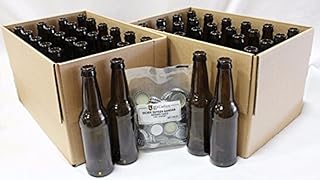
Optimizing Fermentation Conditions: Control temperature, use healthy yeast, and monitor progress to ensure a successful fermentation
Fermentation is a critical phase in beer brewing that significantly impacts the final product's flavor, aroma, and quality. To optimize fermentation conditions, brewers must focus on three key factors: temperature control, yeast health, and progress monitoring. By mastering these elements, brewers can ensure a successful fermentation process that yields a high-quality beer.
Temperature control is crucial because yeast activity is highly sensitive to temperature fluctuations. The ideal fermentation temperature range for most beer styles is between 65°F and 75°F (18°C and 24°C). Brewers should maintain a consistent temperature within this range throughout the fermentation process. This can be achieved by using a temperature-controlled fermentation chamber or by placing the fermenter in a cool, dark place away from direct sunlight and heat sources.
Using healthy yeast is another essential factor in optimizing fermentation conditions. Yeast is responsible for converting sugars into alcohol and carbon dioxide, and its health directly affects the fermentation process. Brewers should always use fresh, viable yeast and ensure that it is properly rehydrated before pitching. Additionally, the yeast should be matched to the specific beer style being brewed, as different yeast strains have unique characteristics that can influence the final product's flavor and aroma.
Monitoring the fermentation progress is vital to ensure that the process is proceeding as expected. Brewers should regularly check the fermenter for signs of activity, such as bubbling or foam formation. They should also monitor the specific gravity of the wort, which will decrease as the yeast consumes the sugars. By tracking the fermentation progress, brewers can identify any potential issues early on and take corrective action if necessary.
In conclusion, optimizing fermentation conditions is crucial for producing high-quality beer. By controlling temperature, using healthy yeast, and monitoring progress, brewers can ensure a successful fermentation process that yields a flavorful and aromatic final product.
Effective Beer Line Cleaning: Timing and Techniques
You may want to see also
Frequently asked questions
The fermentation time for beer can vary depending on several factors, including the type of beer, the yeast used, and the temperature of fermentation. Generally, ales ferment for about 1 to 2 weeks, while lagers can take 2 to 4 weeks. It's important to monitor the fermentation process and ensure that the yeast has fully attenuated the sugars before bottling.
There are a few signs that can indicate when fermentation is complete. First, the airlock should stop bubbling, which means that the yeast has finished producing carbon dioxide. Second, the beer should have cleared up, with no more sediment or haze. Finally, you can take a gravity reading to ensure that the original gravity has dropped to the expected final gravity.
If you bottle your beer too early, before fermentation is complete, you may end up with a few problems. First, the beer may not have the desired flavor and aroma, as the yeast may not have fully developed these characteristics. Second, the beer may be over-carbonated, as the yeast will continue to produce carbon dioxide in the bottle. This can lead to a gushing bottle or even a bottle bomb. Finally, the beer may not be stable, as the yeast may continue to ferment any remaining sugars, leading to off-flavors and potential spoilage.