Lucy Palmer
Oak cubes are a popular addition to beer, used to impart complex flavors and aromas. The length of time oak cubes should be left in beer depends on several factors, including the type of oak, the size of the cubes, and the desired flavor profile. Generally, oak cubes can be left in beer for anywhere from a few days to several weeks. It's important to monitor the beer's flavor and aroma during this time, as over-oaking can lead to unpleasant results.
Explore related products


What You'll Learn
- Factors Affecting Oak Cube Duration: Understand how beer type, oak type, and desired flavor profile influence the time oak cubes should be left in beer
- Recommended Time Frames: General guidelines on how long to leave oak cubes in different styles of beer, from lagers to stouts
- Flavor Development: Explanation of how oak cubes impart flavors and aromas to beer over time, including notes on vanilla, caramel, and tannins
- Oak Cube Size and Quantity: How the size and number of oak cubes used affect the infusion process and overall flavor impact
- Monitoring and Adjusting: Tips on how to monitor the beer's flavor development and adjust the oak cube infusion time accordingly for optimal results

Factors Affecting Oak Cube Duration: Understand how beer type, oak type, and desired flavor profile influence the time oak cubes should be left in beer
Oak cube duration in beer is influenced by several key factors, each playing a significant role in determining the optimal time for oak infusion. Beer type is a primary consideration, as different styles have varying levels of bitterness, sweetness, and complexity that can be enhanced or overwhelmed by oak. For instance, a robust porter or stout may benefit from a longer oak aging period to balance its rich flavors, while a delicate pilsner or lager might require a shorter duration to avoid overpowering its subtle taste profile.
The type of oak used is another crucial factor, as different species and treatments can impart distinct flavors and aromas to the beer. American oak, known for its vanilla and coconut notes, may be preferred for certain styles, while French oak, with its more subtle and spicy character, might be better suited for others. Additionally, the level of char on the oak can influence the intensity of the flavors imparted, with heavily charred oak providing a more pronounced effect than lightly toasted wood.
Desired flavor profile is the third major consideration, as brewers must determine the specific characteristics they wish to achieve through oak aging. If the goal is to add a smooth, creamy texture and mellow bitterness, a longer duration may be necessary. Conversely, if the aim is to introduce a subtle oak presence without significantly altering the beer's original flavor, a shorter aging period would be more appropriate.
To determine the optimal oak cube duration, brewers should consider conducting small-scale experiments, adjusting the variables of beer type, oak type, and desired flavor profile to find the perfect balance. This may involve tasting the beer at regular intervals to monitor the progression of flavors and making adjustments as needed. By carefully considering these factors and tailoring the oak aging process to the specific needs of the beer, brewers can achieve a harmonious and well-rounded final product that showcases the best qualities of both the beer and the oak.
Perfecting the Brew: Optimal Secondary Fermentation Time for Beer
You may want to see also
Explore related products


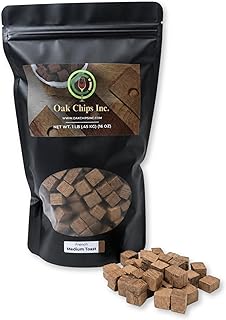


Recommended Time Frames: General guidelines on how long to leave oak cubes in different styles of beer, from lagers to stouts
Oak cubes are a popular addition to various beer styles, imparting unique flavors and aromas. However, the optimal time frame for leaving oak cubes in beer varies depending on the desired outcome and beer style. For lagers, a shorter period of 2-4 weeks is recommended to avoid overpowering the delicate flavors. This allows the oak to contribute subtle vanilla and caramel notes without dominating the beer's profile.
In contrast, stouts and porters benefit from longer oak aging periods, typically ranging from 6-12 months. The extended contact with oak helps to mellow the beer's bitterness and enhances its complexity, adding rich flavors of chocolate, coffee, and dried fruit. It's essential to monitor the beer's progress during this time, as over-aging can result in undesirable flavors.
For ales, the recommended time frame falls between these two extremes. A period of 4-8 weeks is generally suitable, allowing the oak to impart its character without overwhelming the beer's original flavors. As with all beer styles, it's crucial to taste and evaluate the beer regularly to ensure the oak aging process is achieving the desired results.
When using oak cubes, it's important to consider the size and type of oak used, as these factors can significantly impact the aging process. Smaller oak cubes have a larger surface area to volume ratio, which accelerates the extraction of flavors and aromas. Additionally, the type of oak, such as American, French, or Slovenian, can impart distinct characteristics to the beer.
To achieve the best results, brewers should experiment with different oak aging times and techniques, taking into account the specific beer style and desired flavor profile. By carefully controlling the oak aging process, brewers can create unique and complex beers that showcase the versatility of oak as a brewing ingredient.
Perfect Pour: Mastering the Art of Beer on PB2 Timing
You may want to see also
Explore related products


Flavor Development: Explanation of how oak cubes impart flavors and aromas to beer over time, including notes on vanilla, caramel, and tannins
Oak cubes play a crucial role in flavor development in beer, imparting a range of desirable characteristics over time. As beer interacts with the oak, it undergoes a transformation that can enhance its complexity and depth. The process begins with the initial contact between the beer and the oak cubes, where the beer starts to extract compounds from the wood.
One of the primary flavors imparted by oak cubes is vanilla. This sweet, creamy note is derived from the lignin in the wood, which breaks down into vanillin during the aging process. The intensity of the vanilla flavor can vary depending on factors such as the type of oak, the size of the cubes, and the duration of contact with the beer.
Caramel is another key flavor component that develops as a result of the Maillard reaction between the amino acids and sugars in the beer and the oak. This reaction creates a rich, toasty character that can range from light caramel to deep, burnt sugar notes, depending on the conditions.
Tannins are also extracted from the oak, contributing to the beer's astringency and bitterness. These compounds can help balance the sweetness of the vanilla and caramel, adding a layer of complexity to the overall flavor profile. The amount of tannins extracted will depend on the type of oak and the length of time the beer is in contact with the wood.
To achieve the desired flavor profile, brewers must carefully consider the variables involved in oak aging. Factors such as the type of oak (e.g., American, French, or Slovenian), the size and shape of the oak cubes, the temperature of the aging process, and the duration of contact all play a role in determining the final outcome. By understanding these factors and how they interact, brewers can create beers with nuanced and well-developed flavors that showcase the unique characteristics imparted by oak cubes.
Chill or Not: The Optimal Time for Freezing Bottled Beer
You may want to see also
Explore related products


Oak Cube Size and Quantity: How the size and number of oak cubes used affect the infusion process and overall flavor impact
The size and quantity of oak cubes used in the beer infusion process play a critical role in determining the final flavor profile and overall impact of the oak. Smaller oak cubes have a larger surface area relative to their volume, which allows for more efficient extraction of flavors and compounds from the wood. This can result in a more pronounced oak character in the beer, with notes of vanilla, caramel, and toasted nuts becoming more evident. However, using too many small oak cubes can lead to an overwhelming oak presence, potentially masking the beer's original flavors and aromas.
On the other hand, larger oak cubes have a smaller surface area to volume ratio, which can result in a more subtle oak influence on the beer. This can be beneficial for brewers looking to add a touch of oak complexity without overpowering the beer's existing characteristics. However, larger cubes may require a longer infusion time to fully impart their flavors, as the compounds within the wood have further to travel to reach the beer.
The quantity of oak cubes used also affects the infusion process. A higher number of cubes will generally result in a more intense oak flavor, but this can also lead to increased extraction of tannins and other bitter compounds from the wood. This can be particularly problematic for beers with a delicate balance of flavors, as the added bitterness can disrupt the overall profile. Conversely, using too few oak cubes may result in an underwhelming oak presence, with the beer's original flavors dominating the palate.
Brewers must carefully consider the size and quantity of oak cubes used in their infusion process, taking into account the desired flavor profile and the specific characteristics of their beer. Experimentation is key, as the optimal oak cube size and quantity can vary greatly depending on the beer style, original flavors, and desired outcome. By understanding the relationship between oak cube size, quantity, and flavor impact, brewers can better control the infusion process and create beers with a harmonious balance of oak and original flavors.
Brewing Harmony: The Perfect Coffee Bean Infusion Time for Beer
You may want to see also
Explore related products


Monitoring and Adjusting: Tips on how to monitor the beer's flavor development and adjust the oak cube infusion time accordingly for optimal results
To ensure the optimal flavor development in your beer when using oak cubes, it's crucial to monitor the infusion process closely. Start by tasting the beer regularly after the initial infusion to gauge the progress. Look for subtle changes in the flavor profile, such as the emergence of vanilla, caramel, or toasty notes, which are typical indicators of oak influence. If the beer is not developing the desired flavors, consider extending the infusion time in small increments, checking frequently to avoid over-oaking.
One effective method for monitoring is to use a tasting wheel or flavor profile chart, which can help you track the beer's evolution over time. This tool allows you to systematically evaluate different aspects of the beer, such as aroma, taste, and mouthfeel, and make adjustments accordingly. Additionally, consider using a refractometer to measure the beer's gravity, which can provide insights into the extraction process and help you determine if the beer has reached its desired level of complexity.
When adjusting the oak cube infusion time, it's important to consider the type of oak used, as different varieties can impart distinct flavors and tannins. For example, American oak tends to contribute more pronounced vanilla and coconut notes, while French oak offers subtler, more elegant flavors. If you're unsure about the optimal infusion time for your specific beer and oak type, consult with experienced brewers or conduct small-scale experiments to find the perfect balance.
Another factor to consider when monitoring and adjusting the infusion time is the beer's initial condition. Factors such as the beer's pH level, temperature, and yeast strain can all impact the rate at which flavors are extracted from the oak cubes. For instance, a higher pH level can lead to faster extraction, while a lower temperature can slow down the process. By understanding these variables and how they interact, you can make more informed decisions about the infusion time and achieve the desired flavor profile.
Finally, remember that patience is key when working with oak cubes. The infusion process can take several weeks to months, depending on the desired outcome. Be prepared to make adjustments along the way and trust your instincts as you monitor the beer's development. With careful attention and a willingness to experiment, you can achieve the perfect balance of oak flavors in your beer.
Perfecting the Brew: Optimal Aging Time for Bottled Beer
You may want to see also
Frequently asked questions
For optimal flavor, oak cubes should typically be left in beer for about 2 to 4 weeks. This allows sufficient time for the beer to absorb the desired oak characteristics without overpowering the original beer flavor.
Yes, oak cubes can be left in beer for too long. Extended periods, such as several months, can result in an overpowering oak flavor that may dominate and alter the beer's original taste profile negatively.
The ideal duration for oak cubes in beer is influenced by several factors, including the size of the oak cubes, the type of beer, the desired flavor profile, and the storage conditions. Smaller cubes will impart flavor more quickly than larger ones, and different beer styles may require different oak influences.
Before being added to beer, oak cubes should be properly sanitized to prevent contamination. They can be soaked in a sanitizing solution or boiled for a few minutes. Additionally, some brewers may choose to toast the oak cubes to enhance their flavor contribution to the beer.