Lucy Palmer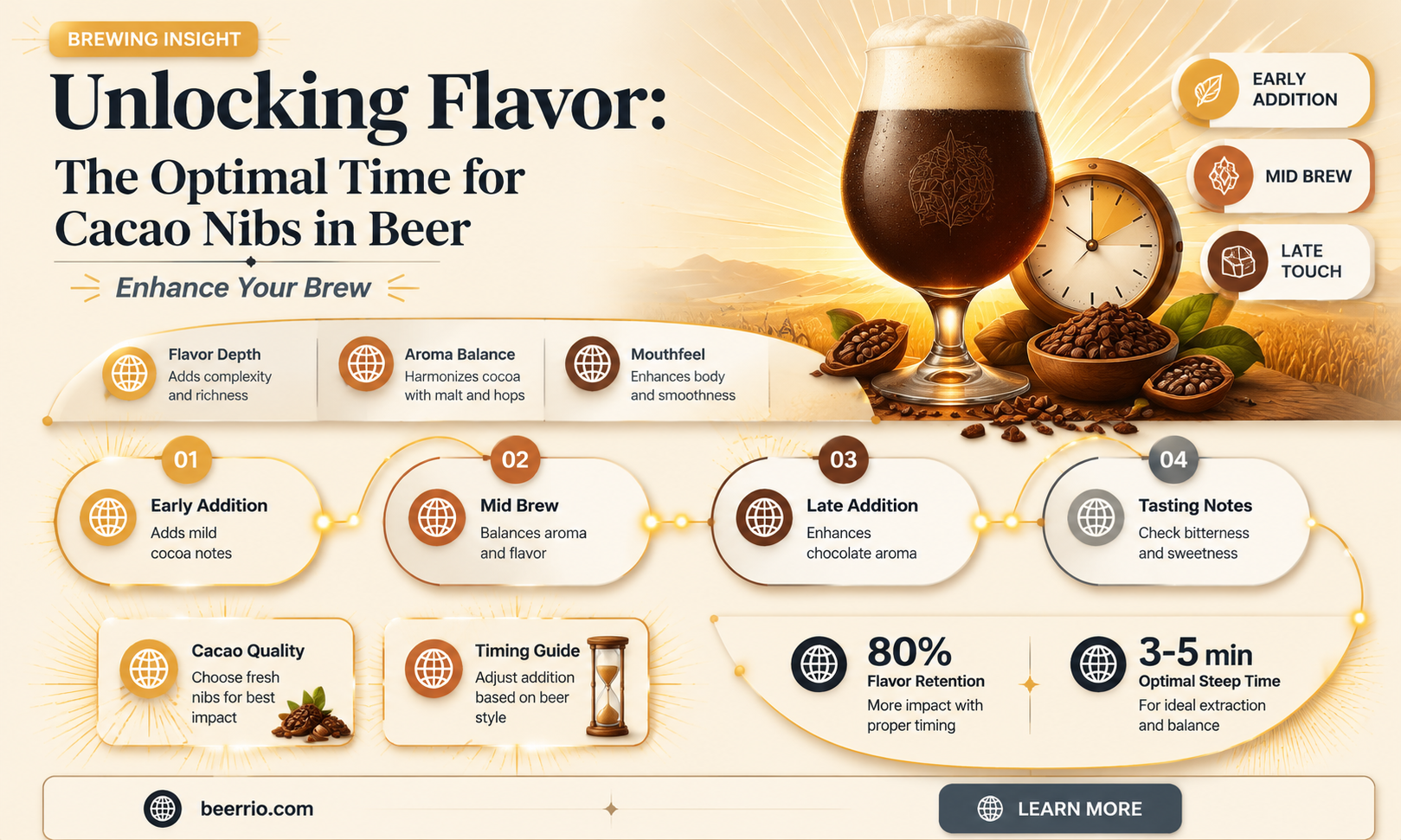
When experimenting with the infusion of cacao nibs in beer, the duration of the process plays a crucial role in achieving the desired flavor profile. Cacao nibs, known for their rich, complex taste, can impart deep chocolatey notes, subtle bitterness, and fruity undertones to the beer. However, leaving them in the beer for too long can result in an overpowering flavor, while too short a period may not extract enough of the nibs' essence. Brewers often find that a balance of 3 to 7 days is ideal for most beer styles, allowing the flavors to meld harmoniously without overwhelming the palate.
Explore related products




What You'll Learn
- Ideal Soaking Duration: Determining the perfect time to infuse beer with cacao nibs for optimal flavor
- Flavor Profile Changes: Exploring how the taste of beer evolves with different soaking times of cacao nibs
- Cacao Nib Quantity: Advising on the amount of cacao nibs to use for various beer volumes and desired intensities
- Temperature and Storage: Guidelines on maintaining the right conditions during the infusion process for best results
- Beer Style Compatibility: Recommendations on which beer styles pair best with cacao nib infusions and why

Ideal Soaking Duration: Determining the perfect time to infuse beer with cacao nibs for optimal flavor
Determining the ideal soaking duration for infusing beer with cacao nibs is a delicate balance between extracting the desired flavors and avoiding bitterness. The process begins with selecting the right type of beer and cacao nibs, as these will significantly influence the final taste profile. For instance, a stout or porter beer pairs well with the rich, complex flavors of cacao nibs, while a lighter beer like a pilsner may require a shorter soaking time to prevent overpowering bitterness.
The soaking duration itself can vary widely depending on the specific beer and cacao nibs used. A general rule of thumb is to start with a shorter time, such as 24 hours, and then taste the beer to assess the flavor balance. If the beer is not yet infused with the desired cacao notes, the soaking time can be extended in increments of 12 hours until the optimal flavor is achieved. It is crucial to monitor the process closely, as over-soaking can lead to an unpleasant bitterness that detracts from the overall taste experience.
Several factors can influence the soaking duration, including the temperature of the beer, the size and quality of the cacao nibs, and the desired intensity of the cacao flavor. For example, soaking the beer at a higher temperature can accelerate the infusion process, but it may also increase the risk of bitterness. Similarly, using smaller, higher-quality cacao nibs can result in a more even and consistent flavor, but it may require a longer soaking time to fully extract the desired notes.
To achieve the best results, it is recommended to conduct a series of small-scale experiments with different soaking durations and conditions. This will help to identify the optimal parameters for the specific beer and cacao nibs being used. Additionally, it is important to store the beer in a cool, dark place during the soaking process to prevent spoilage and ensure that the flavors develop properly.
In conclusion, the ideal soaking duration for infusing beer with cacao nibs is a complex interplay of various factors, including the type of beer, the quality of the cacao nibs, and the desired flavor profile. By carefully monitoring the process and conducting small-scale experiments, it is possible to determine the perfect soaking time that will result in a delicious and well-balanced beer infused with the rich, complex flavors of cacao nibs.
Infusing Flavor: The Perfect Timing for Beer-Soaked Fruit
You may want to see also
Explore related products
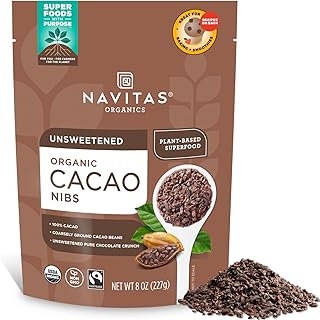

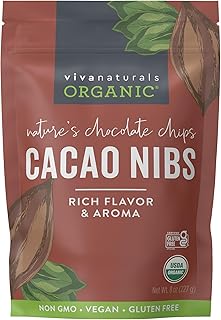


Flavor Profile Changes: Exploring how the taste of beer evolves with different soaking times of cacao nibs
The flavor profile of beer undergoes a fascinating transformation when cacao nibs are introduced. The soaking time of cacao nibs plays a crucial role in determining the extent of this flavor evolution. As the nibs steep in the beer, they release a complex array of compounds that interact with the beer's existing flavor profile, creating a unique and dynamic tasting experience.
Short soaking times, typically ranging from a few hours to a day, result in a subtle infusion of chocolatey and fruity notes. The beer retains much of its original character, with the cacao nibs adding a delicate layer of complexity. This is ideal for those who prefer a more nuanced approach to flavor enhancement.
Medium soaking times, spanning from one to three days, yield a more pronounced impact on the beer's flavor. The chocolate notes become more intense, and additional flavors such as coffee, vanilla, and caramel begin to emerge. The beer's body and mouthfeel may also be affected, becoming slightly thicker and more velvety.
Long soaking times, extending beyond three days, can lead to a dramatic shift in the beer's flavor profile. The chocolate and coffee notes become dominant, often overpowering the beer's original characteristics. This can result in a rich, dessert-like beer that is best enjoyed in moderation. However, it's essential to monitor the soaking process closely, as over-extraction can lead to bitterness and astringency.
When experimenting with cacao nibs in beer, it's crucial to consider the type of beer being used, as well as the desired outcome. Lighter beers, such as pilsners and pale ales, may be overwhelmed by the intense flavors of cacao nibs, while darker beers, like stouts and porters, can provide a more suitable canvas for the nibs' complex flavors.
In conclusion, the soaking time of cacao nibs in beer is a critical factor in determining the resulting flavor profile. By carefully controlling the soaking time and considering the beer's base characteristics, brewers can create a wide range of unique and delicious flavor experiences.
Perfecting the Brew: Optimal Fermentation Time for Beer
You may want to see also
Explore related products


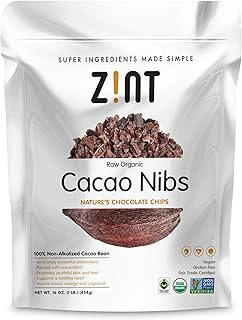


Cacao Nib Quantity: Advising on the amount of cacao nibs to use for various beer volumes and desired intensities
Determining the right amount of cacao nibs to use in beer is crucial for achieving the desired flavor intensity without overpowering the brew. A general rule of thumb is to use 1-2 ounces of cacao nibs per 5 gallons of beer for a moderate chocolate flavor. However, this can be adjusted based on the specific beer style and the brewer's personal preference.
For example, in a stout or porter, where the malt flavors are already robust, a higher amount of cacao nibs (up to 4 ounces per 5 gallons) can be used to create a more pronounced chocolate character. Conversely, in lighter beer styles like pilsners or pale ales, it's best to start with a smaller amount (around 1 ounce per 5 gallons) to avoid overwhelming the delicate flavors.
The desired intensity of the chocolate flavor also plays a significant role in determining the quantity of cacao nibs. If a subtle hint of chocolate is preferred, using less cacao nibs and a shorter steeping time is recommended. For a more intense chocolate flavor, a higher amount of cacao nibs and a longer steeping time can be used.
It's important to note that the quality of the cacao nibs can also impact the flavor profile of the beer. High-quality cacao nibs will provide a more complex and nuanced chocolate flavor, while lower-quality nibs may contribute a bitter or unpleasant taste. Therefore, it's essential to choose the best cacao nibs available and to experiment with different quantities and steeping times to find the perfect balance for each specific beer recipe.
Fermentation Patience: The Optimal Yeast Contact Time for Beer
You may want to see also
Explore related products


Temperature and Storage: Guidelines on maintaining the right conditions during the infusion process for best results
Maintaining the optimal temperature and storage conditions is crucial for achieving the best results when infusing cacao nibs in beer. The ideal temperature range for this process is between 60°F and 70°F (15°C and 21°C). At these temperatures, the cacao nibs will release their flavors and aromas into the beer without the risk of burning or bittering the final product. It is important to avoid exposing the mixture to direct sunlight or heat sources, as this can cause the temperature to fluctuate and potentially ruin the infusion.
In terms of storage, it is recommended to keep the cacao nibs and beer mixture in a cool, dark place, such as a pantry or cupboard. This will help to preserve the flavors and prevent any unwanted reactions from occurring. It is also important to ensure that the container used for storage is airtight, as this will prevent any contaminants from entering the mixture and affecting the final taste.
When it comes to the duration of the infusion process, it is generally recommended to leave the cacao nibs in the beer for at least 24 hours, but no longer than 48 hours. This timeframe allows for the optimal extraction of flavors and aromas from the cacao nibs, while also preventing any bitterness or astringency from developing in the beer. After the infusion process is complete, it is important to strain the mixture to remove the cacao nibs before bottling or serving the beer.
One common mistake to avoid is over-infusing the beer with cacao nibs. This can result in a bitter or unpleasant taste, and can also make the beer difficult to drink. To prevent this, it is important to use the recommended dosage of cacao nibs and to monitor the infusion process closely. If the beer begins to taste bitter or astringent, it is best to remove the cacao nibs immediately and strain the mixture.
In conclusion, maintaining the right temperature and storage conditions is essential for achieving the best results when infusing cacao nibs in beer. By following these guidelines, homebrewers can create a delicious and unique beer that showcases the rich flavors and aromas of cacao.
Perfecting the Brew: Optimal Aging Time for Bottled Beer
You may want to see also
Explore related products
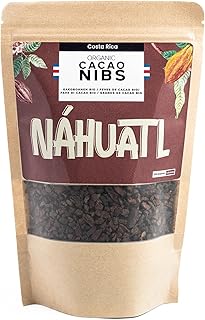


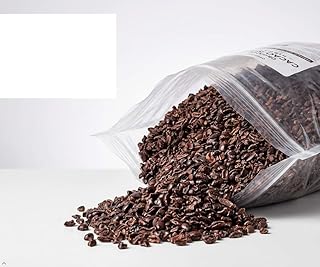
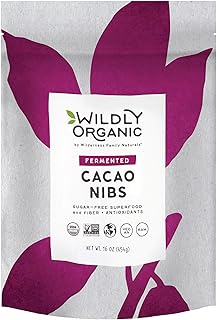

Beer Style Compatibility: Recommendations on which beer styles pair best with cacao nib infusions and why
The compatibility of beer styles with cacao nib infusions is a crucial aspect to consider when experimenting with this unique flavor combination. The robust and complex flavors of cacao nibs can either complement or clash with different beer styles, depending on the characteristics of each. For instance, stouts and porters are often considered ideal matches for cacao nib infusions due to their rich, roasted malt flavors that harmonize with the deep, chocolatey notes of the cacao. The bitterness of the cacao nibs can also balance the sweetness of these darker beer styles, creating a well-rounded and satisfying taste experience.
On the other hand, lighter beer styles such as lagers and pilsners may not fare as well with cacao nib infusions. The delicate flavors and crisp finish of these beers can be overwhelmed by the intense flavors of the cacao, resulting in an unbalanced and potentially unpleasant taste. However, this does not mean that all lighter beers are off-limits. Some saisons and farmhouse ales, with their fruity and spicy notes, can actually pair quite nicely with the earthy and slightly fruity undertones of cacao nibs.
When considering beer style compatibility, it is also important to take into account the brewing process and the specific characteristics of the cacao nibs being used. For example, if the cacao nibs are heavily roasted, they may impart a more intense flavor that could be better suited to stronger, more robust beer styles. Conversely, if the cacao nibs are lightly roasted or have a higher fat content, they may be more compatible with lighter, more delicate beers.
Ultimately, the key to successful beer and cacao nib pairings lies in experimentation and a willingness to explore different flavor combinations. By understanding the basic principles of beer style compatibility and the unique characteristics of cacao nibs, brewers and beer enthusiasts can create exciting and innovative flavor profiles that push the boundaries of traditional brewing.
Perfect Pour: Mastering the Art of Beer on PB2 Timing
You may want to see also
Frequently asked questions
Cacao nibs should typically be left in beer for about 2-3 weeks to allow for a balanced infusion of flavors.
Factors such as the type of beer, desired intensity of chocolate flavor, and the specific variety of cacao nibs used can all influence the ideal duration for infusion.
Yes, leaving cacao nibs in beer for too long can lead to an overpowering chocolate taste, so it's important to monitor the infusion process closely.
The recommended temperature for infusing cacao nibs in beer is typically between 60-70°F (15-21°C) to ensure the flavors meld well without becoming too intense.
Cacao nibs should be lightly roasted and then roughly chopped before being added to beer to maximize their surface area and flavor contribution.