Jason Wagner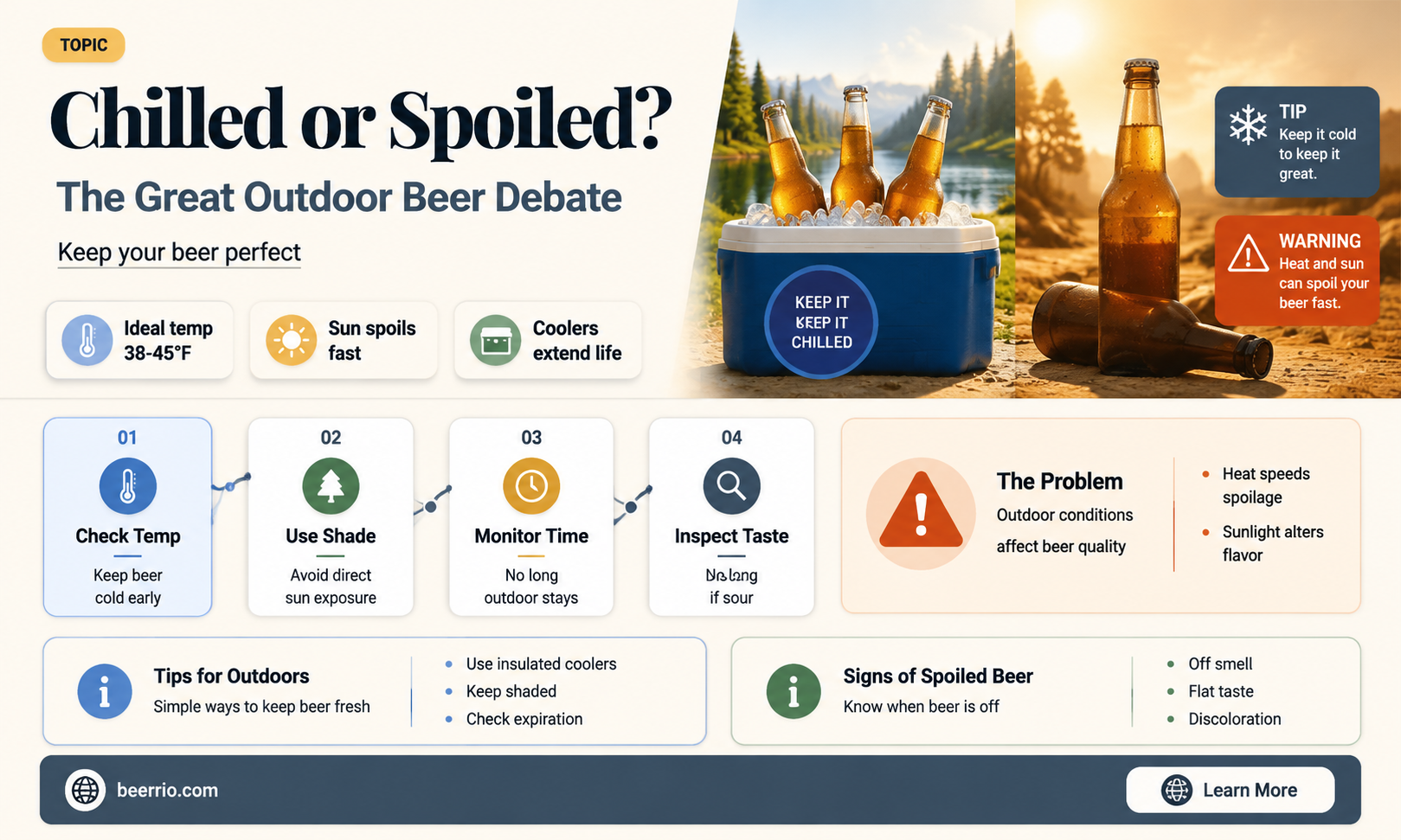
Leaving a beer outside can affect its quality and taste. Exposure to sunlight and heat can cause the beer to spoil faster, leading to an unpleasant flavor. Additionally, extreme temperatures can damage the bottle or can, potentially causing it to leak or burst. It's generally recommended to store beer in a cool, dark place to preserve its freshness and flavor. If you've left your beer outside for an extended period, it's best to check it carefully before consuming to ensure it hasn't gone bad.
Explore related products


What You'll Learn
- Temperature Impact: Beer's taste and quality can be affected by exposure to heat or cold
- Light Exposure: Prolonged exposure to sunlight can cause beer to become skunky or develop off-flavors
- Contamination Risk: Leaving beer outside increases the risk of contamination from dust, insects, or other environmental factors
- Foam and Carbonation: Changes in pressure and temperature can affect the beer's foam and carbonation levels
- Storage Recommendations: Optimal storage conditions for beer include a cool, dark place to maintain its quality

Temperature Impact: Beer's taste and quality can be affected by exposure to heat or cold
Exposure to heat can cause a beer to spoil faster, as higher temperatures accelerate the oxidation process and promote the growth of bacteria and yeast. This can lead to off-flavors, such as a cardboard-like taste or a sour, vinegary aroma. In extreme cases, the beer may become undrinkable. On the other hand, cold temperatures can also affect the taste and quality of beer, albeit in a different way. When beer is stored at very low temperatures, it can become "chill-hazed," which means that proteins and other compounds in the beer coagulate and form a cloudy, unappetizing appearance. While chill-hazed beer is not necessarily spoiled, it may not be as enjoyable to drink.
The ideal storage temperature for beer depends on the type of beer and the length of time it will be stored. Generally, ales should be stored at temperatures between 50°F and 55°F (10°C and 13°C), while lagers should be stored at temperatures between 45°F and 50°F (7°C and 10°C). If beer is left outside, it is important to monitor the temperature and bring it inside if it becomes too hot or too cold. In general, it is best to consume beer within a few months of purchase, as the quality will begin to decline after that point.
If you find yourself in a situation where you have left your beer outside and it has been exposed to extreme temperatures, there are a few things you can do to salvage it. First, check the beer for any signs of spoilage, such as off-flavors, aromas, or appearance. If the beer appears to be spoiled, it is best to discard it. If the beer is still in good condition, try to store it in a cool, dark place for a few hours to allow it to return to its optimal temperature. Once the beer has reached the desired temperature, it should be safe to consume.
In conclusion, temperature plays a critical role in the taste and quality of beer. Exposure to heat or cold can cause a beer to spoil or become unappetizing, so it is important to store beer at the appropriate temperature and monitor it if left outside. By taking these precautions, you can help ensure that your beer remains fresh and enjoyable for as long as possible.
Unveiling the Truth: Do Sulfite Wands Really Work for Beer?
You may want to see also
Explore related products


Light Exposure: Prolonged exposure to sunlight can cause beer to become skunky or develop off-flavors
Prolonged exposure to sunlight can significantly impact the quality of beer, leading to the development of undesirable flavors and aromas. This phenomenon is primarily due to the interaction between light, particularly ultraviolet (UV) rays, and certain compounds present in beer. One of the most notable reactions is the formation of 3-methyl-2-butene-1-thiol, a compound that imparts a distinct "skunky" odor to the beer. This reaction occurs when UV light interacts with the hop acids and other sulfur-containing compounds in the beer.
The intensity and duration of light exposure play crucial roles in determining the extent of flavor and aroma changes in beer. Even moderate exposure can lead to noticeable alterations, and the effects can be cumulative over time. For instance, a beer left in direct sunlight for a few hours may develop a slight skunky note, while one left out for an entire day could become overwhelmingly unpleasant.
To mitigate the effects of light exposure, it is essential to store beer in a cool, dark place. Using light-resistant containers or bottles with dark glass can also help protect the beer from UV rays. Additionally, some breweries use light-stabilizing additives or employ specific brewing techniques to reduce the beer's susceptibility to light-induced spoilage.
In summary, understanding the impact of light exposure on beer quality is crucial for both consumers and brewers. By taking appropriate storage measures and being mindful of exposure times, it is possible to preserve the intended flavors and aromas of beer, ensuring a more enjoyable drinking experience.
Exploring the Impact of Beer Taxes on Consumption and Revenue
You may want to see also
Explore related products


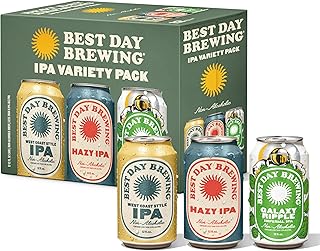
Contamination Risk: Leaving beer outside increases the risk of contamination from dust, insects, or other environmental factors
Leaving beer outside exposes it to a variety of contaminants that can compromise its quality and safety. Dust particles can settle on the surface of the beer, introducing unwanted substances and affecting its taste. Insects, attracted by the sweetness of the beer, may also pose a risk of contamination. Additionally, exposure to sunlight can lead to the degradation of certain compounds in the beer, altering its flavor profile.
The risk of contamination increases with the duration the beer is left outside. Even short periods of exposure can be problematic, especially in environments with high levels of pollutants or insect activity. It is crucial to store beer in a clean, controlled environment to minimize these risks and ensure its quality is maintained.
One effective way to mitigate contamination risks is to use airtight containers or bottles with secure caps. This prevents dust and insects from entering the container and helps maintain the beer's freshness. If beer must be stored outside for an extended period, it is advisable to keep it in a shaded area and monitor the temperature to prevent spoilage.
In summary, leaving beer outside increases the risk of contamination from various environmental factors. To ensure the quality and safety of the beer, it is essential to store it properly in a clean, controlled environment, using airtight containers and monitoring storage conditions closely.
The Truth About Foam Beer Koozies: Do They Really Work?
You may want to see also
Explore related products


Foam and Carbonation: Changes in pressure and temperature can affect the beer's foam and carbonation levels
Changes in pressure and temperature can significantly impact the foam and carbonation levels of beer. When beer is exposed to higher temperatures, the carbon dioxide gas dissolved in the liquid becomes less soluble, leading to increased carbonation and potentially excessive foaming. This can result in a loss of the beer's intended balance and flavor profile. Conversely, lower temperatures can cause the carbonation to decrease, resulting in a flatter beer with less foam. This change can also affect the beer's taste, making it seem less refreshing and more bland.
The pressure inside a beer container also plays a crucial role in maintaining the carbonation levels. When the pressure is reduced, such as when a beer is opened or poured, the carbon dioxide gas escapes more easily, leading to a decrease in carbonation. This is why it's essential to store beer in a sealed container to maintain the optimal pressure and carbonation levels. If beer is left outside and exposed to fluctuating temperatures and pressures, the foam and carbonation levels can become unstable, negatively impacting the overall quality and taste of the beer.
To maintain the ideal foam and carbonation levels, it's crucial to store beer in a cool, dark place with a consistent temperature. This will help to slow down the rate at which carbon dioxide escapes from the liquid, preserving the beer's intended flavor and balance. Additionally, it's essential to minimize the amount of time that beer is exposed to air, as this can also lead to a loss of carbonation and an increase in foam. By taking these steps, beer enthusiasts can ensure that their favorite brews maintain their optimal foam and carbonation levels, even when stored outside of the refrigerator.
Chill or Spill: The Truth About Beer Sleeves' Effectiveness
You may want to see also
Explore related products


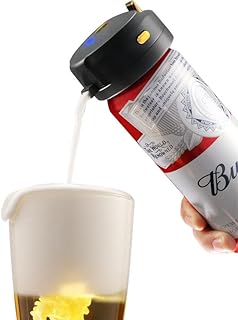
Storage Recommendations: Optimal storage conditions for beer include a cool, dark place to maintain its quality
Optimal storage conditions for beer are crucial to maintaining its quality and ensuring it remains enjoyable for consumption. A cool, dark place is ideal for storing beer, as it helps to preserve the delicate flavors and aromas that can be easily compromised by exposure to light and heat. When beer is left outside, it becomes susceptible to a range of environmental factors that can negatively impact its taste and overall quality.
One of the primary concerns when storing beer outside is the potential for it to become "skunky." This occurs when beer is exposed to ultraviolet (UV) light, which can cause a chemical reaction between the hops and other compounds in the beer, resulting in an unpleasant, skunk-like odor and flavor. To avoid this, it's essential to store beer in a dark place or use UV-resistant containers or bottles.
Temperature is another critical factor in beer storage. Beer should ideally be stored at a temperature between 45°F and 55°F (7°C and 13°C). When beer is left outside, it can be exposed to extreme temperatures, which can cause it to spoil or develop off-flavors. In hot weather, beer can become over-carbonated and develop a sour taste, while in cold weather, it can become under-carbonated and lose its fizz.
In addition to light and temperature, it's also important to protect beer from air exposure. When beer is opened and left outside, it can become oxidized, which can lead to a stale, cardboard-like flavor. To minimize air exposure, it's best to store beer in sealed containers or bottles and consume it within a reasonable timeframe after opening.
If you're planning to store beer outside for an extended period, it's essential to take these factors into consideration and take steps to mitigate any potential risks. Using a cooler or insulated container can help to maintain a consistent temperature, while UV-resistant bottles or containers can protect the beer from light exposure. By taking these precautions, you can help to ensure that your beer remains fresh and enjoyable for consumption, even when stored outside.
Chill or Spill? The Truth About Beer Koozies' Cooling Claims
You may want to see also
Frequently asked questions
Yes, a beer will still work if left outside, but its taste and quality may be affected by factors such as temperature, light, and air exposure.
The length of time a beer can be left outside before it goes bad depends on various factors, including the type of beer, the temperature, and the exposure to light and air. Generally, it's best to consume beer within a few hours of opening it to maintain its optimal taste and quality.
If beer is left in direct sunlight, it can become "skunky" due to the reaction between the sunlight and the hops in the beer. This can result in an unpleasant taste and aroma.
Yes, beer can freeze if left outside in cold weather. Freezing can cause the beer to expand and potentially break the bottle or can. It can also affect the taste and quality of the beer.
The best way to store beer to maintain its quality is to keep it in a cool, dark place, such as a refrigerator or a cellar. It's also important to keep the beer away from direct sunlight and to consume it within a reasonable time frame after opening it.