Jason Wagner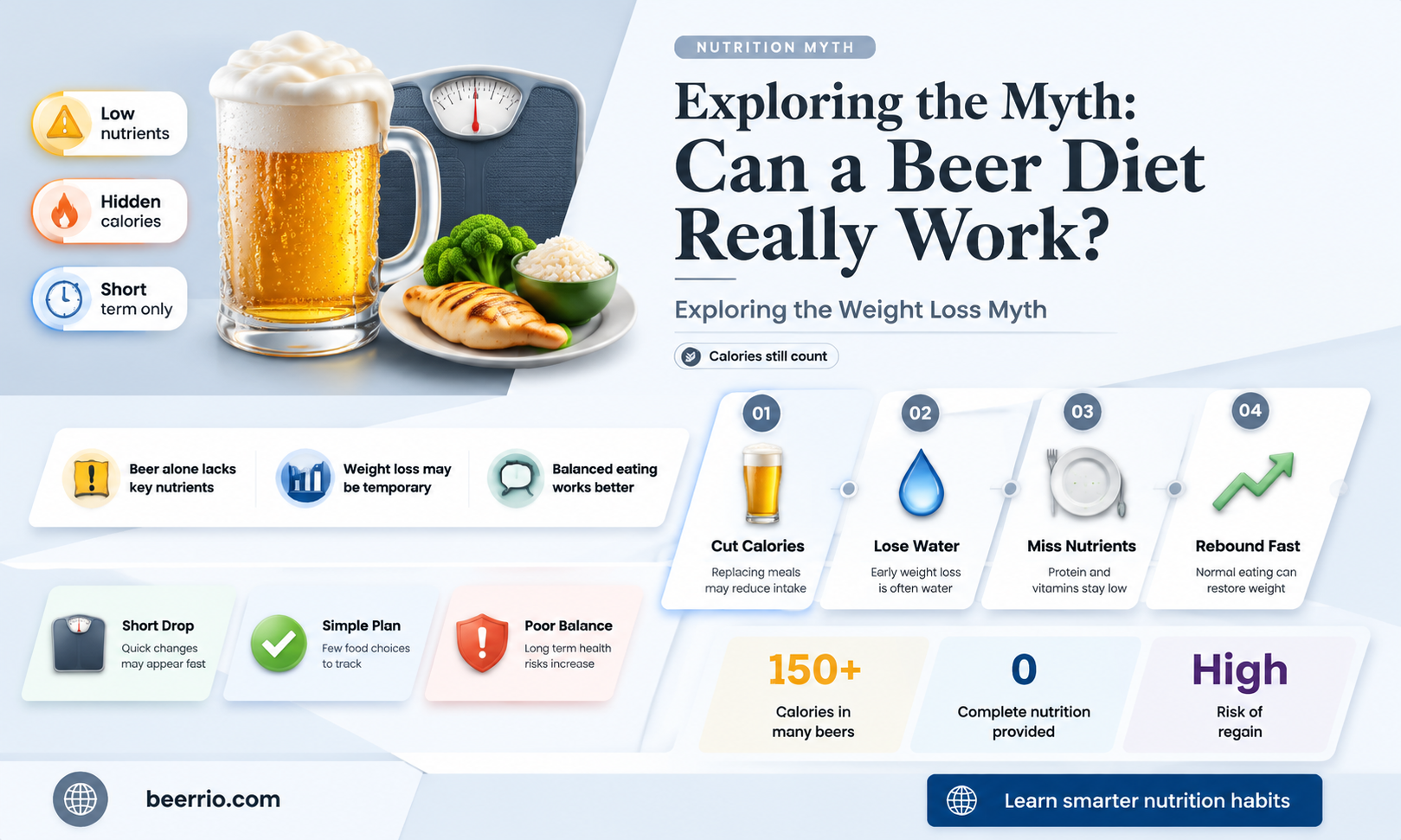
The beer diet, a concept that has garnered both interest and skepticism, proposes that incorporating beer into one's daily caloric intake can lead to weight loss. This unconventional approach to dieting challenges traditional nutritional guidelines, which typically advocate for reduced alcohol consumption due to its high calorie content and potential health risks. Proponents of the beer diet argue that moderate beer intake, coupled with a balanced diet and regular exercise, can stimulate metabolism and contribute to a calorie deficit necessary for weight loss. However, critics contend that the diet may encourage unhealthy drinking habits and overlook the importance of nutrient-dense foods. As with any dietary regimen, it is crucial to consult with healthcare professionals to determine its suitability and potential impact on individual health.
Explore related products


What You'll Learn
- Caloric Intake: A beer diet may lead to higher caloric intake due to the empty calories in beer
- Nutrient Deficiency: Beer lacks essential nutrients, potentially causing deficiencies if relied upon as a primary food source
- Weight Gain: The combination of high calories and low nutrients can contribute to weight gain over time
- Health Risks: Excessive beer consumption is linked to various health issues, including liver damage and increased cancer risk
- Sustainability: A beer diet is not sustainable long-term due to its lack of nutritional balance and potential health consequences

Caloric Intake: A beer diet may lead to higher caloric intake due to the empty calories in beer
A beer diet may lead to higher caloric intake due to the empty calories in beer. This is a significant concern for those looking to manage their weight or maintain a healthy lifestyle. Empty calories refer to foods and beverages that provide energy but lack essential nutrients such as vitamins, minerals, fiber, and protein. Beer, being a calorie-dense beverage with minimal nutritional value, can contribute to an increased calorie intake without offering the necessary nutrients for a balanced diet.
One of the main reasons a beer diet can lead to higher caloric intake is the lack of satiety provided by beer. Unlike foods that are rich in fiber and protein, which can help you feel full and satisfied, beer does not have the same satiating effect. This can lead to overeating or consuming additional calories from other sources, as individuals may not feel as though they have had a substantial meal. Furthermore, the calories in beer are often consumed in addition to regular meals, rather than replacing them, which can result in a significant increase in overall caloric intake.
Another factor to consider is the social and cultural aspects of beer consumption. Beer is often consumed in social settings, such as bars, restaurants, and parties, where it is common to also indulge in high-calorie snacks and meals. This combination of beer and calorie-dense foods can further contribute to an increased caloric intake. Additionally, the relaxed and enjoyable atmosphere of these social settings may lead individuals to consume more beer than they would in a more controlled environment, exacerbating the issue of empty calories.
It is also important to note that different types of beer can vary in their caloric content. For example, light beers typically have fewer calories than regular or dark beers. However, even light beers can contribute to an increased caloric intake if consumed in large quantities. Moreover, the addition of mixers, such as soda or juice, can significantly increase the calorie count of a beer-based drink.
In conclusion, a beer diet can lead to higher caloric intake due to the empty calories in beer, the lack of satiety it provides, the social and cultural aspects of beer consumption, and the varying caloric content of different types of beer and beer-based drinks. To maintain a healthy lifestyle and manage weight effectively, it is essential to be mindful of these factors and to consume beer in moderation, if at all.
Chill or Spill: The Truth About Beer Sleeves' Effectiveness
You may want to see also
Explore related products


Nutrient Deficiency: Beer lacks essential nutrients, potentially causing deficiencies if relied upon as a primary food source
Beer, while a popular beverage, is not a nutritionally complete food source. Relying on it as a primary means of sustenance can lead to significant nutrient deficiencies. This is because beer is primarily composed of water, carbohydrates, and alcohol, with minimal amounts of essential vitamins and minerals.
One of the most critical nutrients lacking in beer is protein. Protein is essential for building and repairing tissues, producing enzymes and hormones, and maintaining a healthy immune system. Without adequate protein intake, individuals may experience muscle wasting, weakened immunity, and impaired organ function.
Additionally, beer is deficient in essential micronutrients such as vitamins A, C, and E, as well as minerals like calcium, iron, and zinc. Vitamin A is crucial for vision, immune function, and skin health, while vitamin C is necessary for collagen production, iron absorption, and immune support. Vitamin E acts as an antioxidant, protecting cells from damage. Calcium is vital for bone health, iron is essential for oxygen transport in the blood, and zinc plays a key role in immune function and wound healing.
Furthermore, the high calorie and carbohydrate content of beer can contribute to weight gain and insulin resistance if consumed in excess. This can lead to a range of health issues, including obesity, type 2 diabetes, and cardiovascular disease.
In conclusion, while beer can be enjoyed in moderation as part of a balanced diet, it is not a suitable replacement for nutrient-dense foods. Relying on beer as a primary food source can result in severe nutrient deficiencies, compromising overall health and well-being. It is essential to consume a varied diet rich in whole foods to ensure adequate intake of all necessary nutrients.
Unveiling the Truth: Do Sulfite Wands Really Work for Beer?
You may want to see also
Explore related products


Weight Gain: The combination of high calories and low nutrients can contribute to weight gain over time
Consuming a diet high in calories but low in essential nutrients can lead to weight gain over time. This is because the body stores excess calories as fat, and without adequate nutrients, the metabolism may slow down, making it harder to burn off the stored fat. A beer diet, which typically involves consuming large quantities of beer along with high-calorie, low-nutrient foods, can contribute to this pattern of weight gain.
One of the main reasons a beer diet can lead to weight gain is the high calorie content of beer. A single serving of beer can contain anywhere from 100 to 300 calories, depending on the type and strength. Consuming multiple servings per day can quickly add up to a significant calorie surplus. Additionally, beer is often consumed alongside high-calorie snacks such as chips, pretzels, and fried foods, which can further contribute to weight gain.
Another factor that can contribute to weight gain on a beer diet is the low nutrient content of both beer and the accompanying foods. Beer is primarily composed of water, carbohydrates, and alcohol, with very little protein, fiber, vitamins, or minerals. Similarly, high-calorie snacks are often low in essential nutrients. This lack of nutrients can lead to a slower metabolism, making it more difficult for the body to burn off the excess calories consumed.
To avoid weight gain on a beer diet, it is important to consume beer in moderation and to choose healthier snack options. Limiting beer consumption to one or two servings per day and pairing it with nutrient-dense foods such as fruits, vegetables, lean proteins, and whole grains can help to maintain a healthy weight. Additionally, engaging in regular physical activity can help to offset the calorie surplus and support weight management.
In conclusion, while a beer diet may be enjoyable in the short term, it can lead to weight gain over time due to the high calorie and low nutrient content of both beer and the accompanying foods. To maintain a healthy weight, it is important to consume beer in moderation, choose healthier snack options, and engage in regular physical activity.
Exploring the Myth: Do Millennials Really Crave Beer at Work?
You may want to see also
Explore related products


Health Risks: Excessive beer consumption is linked to various health issues, including liver damage and increased cancer risk
Excessive beer consumption poses significant health risks that extend beyond the immediate effects of alcohol intoxication. One of the most critical concerns is liver damage. The liver is responsible for metabolizing alcohol, and chronic heavy drinking can lead to a range of liver diseases, including fatty liver, alcoholic hepatitis, and cirrhosis. These conditions can severely impair liver function and, in advanced stages, may require liver transplantation.
Moreover, the risk of cancer increases with excessive beer consumption. Alcohol is classified as a carcinogen by the International Agency for Research on Cancer (IARC), and it is linked to several types of cancer, including mouth, throat, esophagus, liver, colon, and breast cancer. The acetaldehyde produced during alcohol metabolism is particularly harmful, as it can damage DNA and disrupt the body's natural defenses against cancer.
Beer also contains calories and carbohydrates, which can contribute to weight gain and obesity when consumed in excess. Obesity is an independent risk factor for various health problems, including heart disease, diabetes, and certain cancers. Additionally, excessive alcohol intake can lead to nutrient deficiencies, as it can interfere with the absorption and utilization of essential vitamins and minerals.
It is essential to note that moderation is key when it comes to alcohol consumption. The Centers for Disease Control and Prevention (CDC) define moderate drinking as up to one drink per day for women and up to two drinks per day for men. Exceeding these limits can significantly increase the risk of health problems.
In conclusion, while beer can be enjoyed in moderation as part of a balanced diet, excessive consumption is associated with severe health risks. It is crucial to be aware of these risks and to drink responsibly to maintain overall health and well-being.
Sipping Success: The Pros and Cons of a Pre-Work Beer
You may want to see also
Explore related products



Sustainability: A beer diet is not sustainable long-term due to its lack of nutritional balance and potential health consequences
Long-term adherence to a beer diet is unsustainable primarily due to its significant nutritional deficiencies. Beer is predominantly composed of water, carbohydrates, and alcohol, with minimal amounts of essential nutrients like proteins, vitamins, and minerals. This imbalance can lead to various health issues, including malnutrition, liver damage, and increased risk of chronic diseases such as diabetes and cardiovascular problems.
Moreover, the caloric intake from a beer diet can be deceptively high, contributing to weight gain and obesity if not balanced with physical activity. The empty calories in beer do not provide the necessary energy and nutrients required for maintaining overall health and well-being. As a result, individuals on a beer diet may experience fatigue, weakened immune function, and impaired cognitive abilities.
Another critical aspect of sustainability is the social and psychological impact of a beer diet. Excessive alcohol consumption can lead to social isolation, strained relationships, and mental health issues such as depression and anxiety. Furthermore, the lack of variety in a beer diet can result in boredom and decreased motivation to maintain the regimen, ultimately leading to relapse into less healthy eating habits.
In conclusion, while a beer diet may provide short-term results in terms of weight loss or caloric restriction, its long-term sustainability is questionable due to the myriad of health risks and nutritional imbalances it presents. A more balanced and varied diet, incorporating a range of nutrient-dense foods, is essential for maintaining long-term health and well-being.
Exploring the Impact of Beer Taxes on Consumption and Revenue
You may want to see also
Frequently asked questions
A beer diet is not a sustainable or healthy way to lose weight. While it may lead to short-term weight loss due to the reduction in calorie intake, it can cause nutrient deficiencies and other health issues. It's important to maintain a balanced diet with a variety of foods to ensure proper nutrition.
A beer diet can lead to several health risks, including liver damage, increased risk of certain cancers, and nutrient deficiencies. It can also cause dehydration, disrupt sleep patterns, and negatively impact mental health. It's crucial to consume alcohol in moderation and maintain a balanced diet.
While beer does contain some nutrients like B vitamins and antioxidants, it is not a significant source of essential nutrients. A balanced diet with a variety of foods is necessary to meet daily nutritional needs. Relying on beer as a primary source of nutrition can lead to deficiencies in important vitamins and minerals.
A beer diet can slow down metabolism due to the empty calories it provides. Beer is high in calories but low in nutrients, which can lead to weight gain and a slower metabolism. Additionally, alcohol can interfere with the body's ability to burn fat, further impacting metabolism.
There is no scientific evidence to support the effectiveness of a beer diet for weight loss or overall health. In fact, numerous studies have shown that excessive alcohol consumption can lead to a range of health problems. It's important to approach weight loss and health goals through evidence-based methods, such as a balanced diet and regular exercise.