Jason Wagner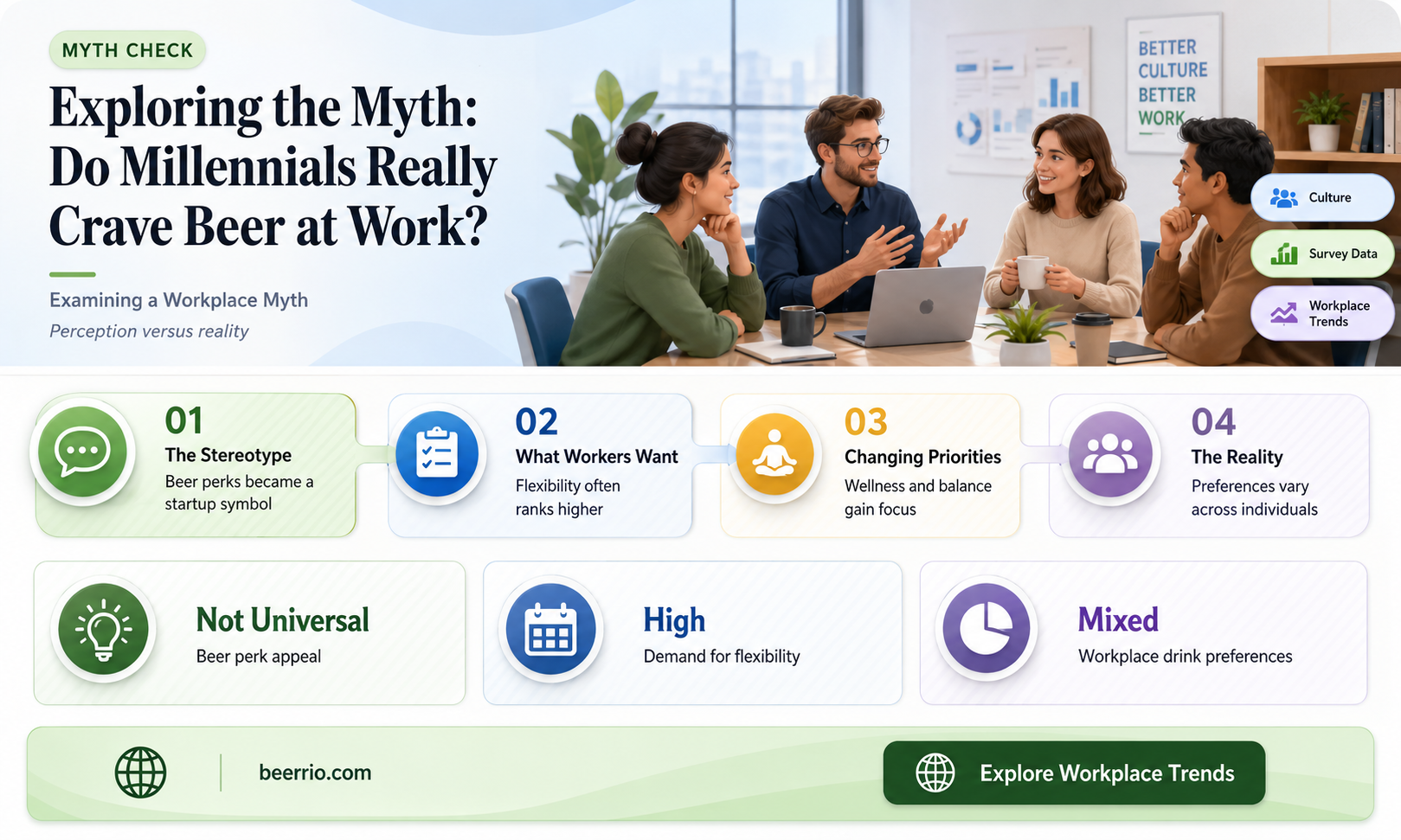
The question of whether millennials genuinely desire beer at work is a topic that has garnered significant attention in recent years, particularly as workplace culture continues to evolve. This discussion is rooted in the broader trend of companies striving to create more relaxed and appealing environments to attract and retain top talent, especially among younger generations. While some argue that offering beer at work can boost morale and foster a sense of camaraderie, others contend that it may lead to unprofessional behavior and decreased productivity. Understanding the nuances of this debate requires delving into the values and expectations of millennials themselves, as well as considering the potential implications for workplace dynamics and company culture.
Explore related products


What You'll Learn
- Changing Workplace Culture: Millennials seek a more relaxed atmosphere, challenging traditional corporate norms
- Work-Life Balance: Desire for flexibility and social activities during work hours reflects a shift in priorities
- Generational Differences: Contrasting views on workplace perks highlight evolving expectations across age groups
- Impact on Productivity: Debate over whether casual environments and perks like beer enhance or hinder work performance
- Legal and Health Considerations: Employers must navigate potential risks and liabilities associated with providing alcohol in the workplace

Changing Workplace Culture: Millennials seek a more relaxed atmosphere, challenging traditional corporate norms
Millennials are reshaping the workplace, seeking environments that prioritize flexibility, collaboration, and a relaxed atmosphere. This shift challenges traditional corporate norms that often emphasize rigid hierarchies and formal settings. Companies are now faced with the task of adapting their cultures to attract and retain this younger workforce, which values work-life balance and a sense of community.
One way millennials are influencing workplace culture is through the adoption of more casual dress codes and open office layouts. These changes reflect a desire for a more inclusive and less formal work environment. Additionally, millennials are driving the trend towards remote work and flexible schedules, which allow for greater autonomy and a better integration of personal and professional life.
Another significant aspect of this cultural shift is the increasing acceptance of social activities within the workplace. Millennials often seek out companies that offer perks such as game rooms, free snacks, and even on-site bars or beer taps. These amenities are seen as ways to foster camaraderie and reduce stress, rather than simply as incentives.
However, it's important to note that these changes are not without their challenges. Some older employees may resist these new norms, feeling that they undermine professionalism and productivity. Companies must navigate these generational differences carefully, ensuring that changes to workplace culture are implemented in a way that respects the needs and preferences of all employees.
Ultimately, the shift towards a more relaxed and inclusive workplace culture is driven by the desire to create a more engaging and fulfilling work experience. By embracing these changes, companies can position themselves as attractive employers for the millennial generation, while also fostering a more collaborative and innovative work environment.
Exploring the Compatibility of Antibiotics and Beer for UTI Treatment
You may want to see also
Explore related products


Work-Life Balance: Desire for flexibility and social activities during work hours reflects a shift in priorities
The desire for flexibility and social activities during work hours among millennials reflects a significant shift in priorities, emphasizing a better work-life balance. This generation, often characterized by their tech-savviness and quest for meaningful work, is redefining traditional workplace norms. They seek environments that not only provide professional growth but also cater to their personal well-being and social needs.
One concrete manifestation of this shift is the increasing popularity of co-working spaces that offer amenities like lounges, game rooms, and even on-site bars. These features are not just perks but are seen as essential components of a modern, flexible workplace. For millennials, the ability to socialize and relax within the work environment is crucial for maintaining productivity and job satisfaction.
Moreover, the rise of remote work and flexible schedules further underscores this trend. Millennials value the autonomy to manage their time effectively, allowing for a seamless integration of work and personal life. This flexibility enables them to pursue hobbies, spend time with family and friends, and maintain a healthy work-life balance, which is paramount for their overall well-being.
In addition, the emphasis on social activities during work hours highlights the importance of community and connection for millennials. They thrive in collaborative environments where they can share ideas, learn from peers, and build strong professional networks. This sense of belonging and camaraderie is vital for their engagement and retention in the workplace.
In conclusion, the desire for flexibility and social activities during work hours among millennials is a clear indication of their evolving priorities. They seek workplaces that not only offer professional opportunities but also support their personal growth and well-being. By understanding and catering to these needs, employers can attract and retain top millennial talent, fostering a more productive and satisfied workforce.
Unveiling the Magic: How Does a Beer Widget Work?
You may want to see also
Explore related products

$14.85 $24.95


Generational Differences: Contrasting views on workplace perks highlight evolving expectations across age groups
The debate over workplace perks, particularly the provision of beer, has highlighted significant generational differences in attitudes towards work-life balance and company culture. While some older generations may view such perks as unnecessary or even unprofessional, millennials and Gen Z employees often see them as a key component of a modern, flexible workplace.
One of the primary drivers of this shift in expectations is the changing nature of work itself. With the rise of remote work and the gig economy, the traditional 9-to-5 office job is no longer the norm for many younger workers. As a result, they may place a higher value on perks that enhance their overall work experience and help to create a sense of community and camaraderie, even in a distributed work environment.
Furthermore, younger generations are increasingly prioritizing mental health and well-being in the workplace. Offering perks like beer can be seen as a way for companies to acknowledge and address the stress and pressures of modern work life. However, it's important to note that such perks should be implemented thoughtfully and with consideration for all employees, regardless of age or personal preferences.
Another factor contributing to the generational divide is the evolving definition of professionalism. While older generations may associate a more formal work environment with professionalism, younger workers often view a more relaxed and inclusive culture as equally, if not more, important. This shift in values is reflected in the types of perks that different age groups prioritize, with younger employees often favoring more casual and social benefits over traditional ones like health insurance or retirement plans.
Ultimately, the question of whether millennials really want beer at work is a symptom of a larger conversation about the changing nature of work and the evolving expectations of different generations in the workplace. By understanding and addressing these differences, companies can create more inclusive and effective work environments that cater to the diverse needs and preferences of their employees.
Chill or Spill? The Truth About Beer Koozies' Cooling Claims
You may want to see also
Explore related products


Impact on Productivity: Debate over whether casual environments and perks like beer enhance or hinder work performance
The debate over whether casual work environments and perks like beer enhance or hinder productivity has been a contentious issue in recent years. On one hand, proponents argue that such amenities can boost morale, foster creativity, and improve employee retention. They cite studies that show a positive correlation between relaxed workplace cultures and increased job satisfaction. For instance, a 2019 survey by Glassdoor found that 39% of employees believe that having a casual dress code improves their productivity.
On the other hand, critics argue that casual environments can lead to decreased professionalism, increased distractions, and a lack of clear boundaries between work and leisure. They point to research suggesting that alcohol consumption, even in moderation, can impair cognitive function and decision-making abilities. A study published in the Journal of Occupational Health Psychology in 2018 found that employees who consumed alcohol at work were more likely to experience negative work outcomes, such as absenteeism and decreased productivity.
The impact of casual environments and perks like beer on productivity is likely to vary depending on the specific workplace culture and the nature of the work being performed. For creative industries, such as advertising or software development, a relaxed atmosphere may indeed foster innovation and collaboration. However, for industries that require high levels of precision and attention to detail, such as healthcare or finance, a more formal environment may be necessary to ensure accuracy and safety.
Ultimately, the decision of whether to implement casual environments and perks like beer in the workplace should be based on a careful consideration of the potential benefits and drawbacks. Employers should weigh the evidence and consult with their employees to determine the best approach for their specific organization. By doing so, they can create a work environment that maximizes productivity while also promoting employee well-being and satisfaction.
Morning Fitness in Germany: Do Locals Really Work Out After Beer?
You may want to see also
Explore related products




Legal and Health Considerations: Employers must navigate potential risks and liabilities associated with providing alcohol in the workplace
Employers considering providing alcohol in the workplace must carefully weigh the legal and health implications. One significant risk is the potential for increased liability in the event of an accident or injury. If an employee consumes alcohol during work hours and subsequently causes harm to themselves or others, the employer could be held responsible. This liability extends not only to on-site incidents but also to off-site events where alcohol was provided, such as company parties or after-work gatherings.
From a health perspective, employers must consider the impact of alcohol consumption on employee well-being and productivity. Alcohol can impair judgment, coordination, and reaction times, potentially leading to decreased work performance and increased risk of workplace accidents. Additionally, regular alcohol consumption can contribute to long-term health issues, such as liver disease, cardiovascular problems, and mental health disorders. Employers have a duty to promote a healthy work environment and may need to balance the desire to provide a perk with the responsibility to protect employee health.
To mitigate these risks, employers should establish clear policies and guidelines regarding alcohol consumption in the workplace. This may include limiting the amount and frequency of alcohol provided, ensuring that employees are aware of the risks associated with alcohol consumption, and providing resources for employees who may need assistance with alcohol-related issues. Employers should also consider consulting with legal and health professionals to ensure that their policies comply with relevant laws and regulations and are in line with best practices for promoting employee health and safety.
Ultimately, the decision to provide alcohol in the workplace is a complex one that requires careful consideration of the potential legal and health implications. Employers must navigate these risks and liabilities while also taking into account the preferences and expectations of their employees. By approaching this issue thoughtfully and responsibly, employers can create a workplace environment that is both enjoyable and safe for all.
The Truth About Beer Slug Traps: A Gardener's Guide
You may want to see also
Frequently asked questions
The desire for beer at work among millennials can vary greatly depending on individual preferences, company culture, and the nature of the work environment. While some millennials may appreciate the social aspect and relaxation that beer can bring to the workplace, others may not be interested or may even view it as unprofessional. It's important for companies to gauge the interest and comfort levels of their employees before implementing any policies regarding alcohol in the workplace.
Allowing beer at work can have several potential benefits for millennials, including increased social interaction, improved morale, and a more relaxed work atmosphere. It can also serve as a perk that attracts and retains top talent in a competitive job market. However, it's crucial for companies to establish clear guidelines and monitor consumption to ensure that it doesn't negatively impact productivity or create an uncomfortable environment for any employees.
There are several potential drawbacks to consider when allowing beer at work for millennials. These include the risk of decreased productivity, impaired judgment, and conflicts among employees. Additionally, it may not be appropriate for all work environments, such as those that require a high level of focus or involve sensitive information. Companies should carefully weigh these risks against the potential benefits before deciding whether to permit alcohol in the workplace.
To ensure responsible alcohol consumption, companies can implement several measures, such as setting limits on the amount of alcohol allowed, providing education on responsible drinking, and monitoring employee behavior. They can also establish clear consequences for any alcohol-related misconduct. By taking these steps, companies can help create a safe and enjoyable environment for all employees while minimizing the risks associated with alcohol consumption in the workplace.