Arabella Franco
White wheat beers, known for their light, refreshing taste and cloudy appearance, are a popular choice among beer enthusiasts. However, like all beverages, they have a shelf life that must be considered to ensure optimal quality and safety. The expiration of white wheat beers can be influenced by various factors, including the brewing process, storage conditions, and packaging. Understanding these factors is crucial for both consumers and retailers to maintain the beer's integrity and prevent spoilage. In this discussion, we will delve into the specifics of white wheat beer expiration, exploring how long they typically last, the signs of spoilage to watch for, and the best practices for storage to maximize their freshness.
Explore related products


$14.95


What You'll Learn
- Shelf Life: White wheat beers typically have a shelf life of 6-12 months from bottling
- Storage Conditions: Proper storage in a cool, dark place can help extend the beer's freshness
- Bottling Date: Always check the bottling date on the label to ensure you're consuming within the recommended period
- Quality Over Time: While not dangerous, white wheat beers may lose flavor and aroma quality after expiration
- Brewery Recommendations: Some breweries provide specific guidance on how long their white wheat beers should be consumed for optimal taste

Shelf Life: White wheat beers typically have a shelf life of 6-12 months from bottling
White wheat beers, known for their light and refreshing taste, are a popular choice among beer enthusiasts. However, like all beverages, they have a limited shelf life. Typically, white wheat beers can be enjoyed for 6-12 months from the date of bottling, depending on various factors such as storage conditions and the specific brewing process.
The shelf life of white wheat beers is influenced by several key factors. Firstly, exposure to light can significantly impact the beer's quality, leading to a condition known as "light strike," which causes off-flavors. Therefore, it's essential to store these beers in a dark place or use bottles with UV protection. Secondly, temperature plays a crucial role; ideally, white wheat beers should be stored at a consistent temperature between 45-55°F (7-13°C). Fluctuations in temperature can accelerate the aging process and affect the beer's taste.
Another important consideration is the beer's packaging. Bottles with a tight seal and minimal oxygen exposure will help preserve the beer's freshness longer. Additionally, the presence of preservatives or antioxidants in the brewing process can extend the shelf life. Brewers often use ingredients like hops, which have natural preservative properties, to help maintain the beer's quality over time.
It's also worth noting that while the shelf life of white wheat beers is generally 6-12 months, this doesn't necessarily mean the beer will become undrinkable after this period. The quality may degrade, resulting in a less desirable taste, but it's unlikely to pose any health risks if consumed within a reasonable timeframe after the recommended shelf life.
In conclusion, understanding the shelf life of white wheat beers is crucial for maintaining their optimal taste and quality. By considering factors such as light exposure, temperature, packaging, and brewing ingredients, beer enthusiasts can ensure they enjoy their white wheat beers at their best for an extended period.
Exploring the Flavor Profile: Are German Wheat Beers Sweet?
You may want to see also
Explore related products



Storage Conditions: Proper storage in a cool, dark place can help extend the beer's freshness
Proper storage is crucial in maintaining the freshness and quality of white wheat beers. These beers are known for their delicate flavors and aromas, which can be easily compromised if not stored correctly. To ensure that your white wheat beer remains at its best, it is essential to store it in a cool, dark place. This means avoiding direct sunlight and heat sources, as well as keeping the beer away from fluorescent lighting, which can also affect its taste.
The ideal temperature for storing white wheat beer is between 45°F and 55°F (7°C and 13°C). Storing the beer at this temperature range will help to slow down the oxidation process, which can lead to off-flavors and a decrease in freshness. It is also important to keep the beer in a stable environment, as fluctuations in temperature can cause the beer to expand and contract, potentially leading to leaks or spoilage.
In addition to temperature, it is important to consider the storage container for your white wheat beer. The beer should be stored in its original bottle or can, as these containers are designed to protect the beer from light and air. If you need to transfer the beer to a different container, make sure it is airtight and light-resistant. You can also use a beer storage bag or a specialized beer fridge to provide an optimal storage environment.
Another factor to consider is the storage duration. White wheat beers typically have a shelf life of 6 to 12 months, depending on the specific brand and brewing process. However, by storing the beer properly, you can extend its freshness and enjoy it for a longer period. It is important to note that even with proper storage, the beer's flavor and aroma will eventually degrade over time. Therefore, it is best to consume the beer within a reasonable timeframe to ensure the best possible experience.
In conclusion, proper storage conditions are essential for maintaining the freshness and quality of white wheat beers. By storing the beer in a cool, dark place, using the appropriate container, and being mindful of the storage duration, you can enjoy your white wheat beer at its best for an extended period. Remember to always check the beer's label for specific storage recommendations, as different brands may have varying requirements.
Exploring the Ingredients: Do Sour Beers Typically Contain Wheat?
You may want to see also
Explore related products


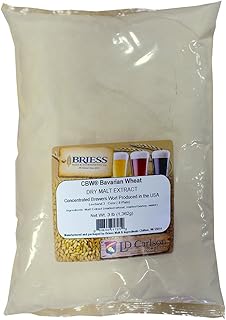



Bottling Date: Always check the bottling date on the label to ensure you're consuming within the recommended period
The bottling date on a beer label is a crucial piece of information that can help you determine the freshness and quality of the beer you're about to consume. For white wheat beers, which are known for their delicate flavors and aromas, checking the bottling date is especially important. These beers typically have a shorter shelf life compared to other beer styles, such as stouts or IPAs, due to their lighter and more subtle characteristics.
When you're examining the label, look for a date that indicates when the beer was bottled, rather than a "best by" or "expiration" date. The bottling date will usually be printed or stamped on the label, and it may be accompanied by a time stamp as well. Once you've located the bottling date, you can use it to determine whether the beer is still within its recommended consumption period.
As a general rule of thumb, white wheat beers are best consumed within 3-6 months of their bottling date. This timeframe allows you to enjoy the beer when its flavors and aromas are at their peak. After this period, the beer may start to lose some of its freshness and complexity, and you may notice changes in its taste and mouthfeel.
It's also important to consider how the beer has been stored since it was bottled. Ideal storage conditions for white wheat beers include a cool, dark place with minimal temperature fluctuations. If the beer has been exposed to heat, light, or other environmental factors that can affect its quality, it may spoil more quickly, even if it's still within the recommended consumption period.
In addition to checking the bottling date, you can also use other sensory cues to determine whether a white wheat beer is still fresh. For example, you may notice a change in the beer's color, with it becoming more cloudy or developing a yellowish tint. The aroma may also become more muted or develop off-flavors, such as a sour or funky smell. If you're unsure about the quality of the beer, it's always best to err on the side of caution and discard it.
By paying attention to the bottling date and using your senses to evaluate the beer's freshness, you can ensure that you're enjoying your white wheat beers at their best. Remember, the quality of the beer can have a significant impact on your overall drinking experience, so it's worth taking the time to check the label and make an informed decision.
Exploring Beer Ingredients: The Truth About Wheat in Brews
You may want to see also
Explore related products



Quality Over Time: While not dangerous, white wheat beers may lose flavor and aroma quality after expiration
White wheat beers, known for their light and refreshing taste, are a popular choice among beer enthusiasts. However, like all beverages, they are subject to changes over time that can affect their quality. While white wheat beers do not pose a danger to consumers after their expiration date, they may undergo noticeable alterations in flavor and aroma.
The primary factors contributing to these changes are oxidation, exposure to light, and fluctuations in temperature. Oxidation occurs when the beer comes into contact with air, leading to the breakdown of certain compounds and the formation of off-flavors. Light exposure, particularly to ultraviolet (UV) rays, can cause a phenomenon known as "skunky" flavor, where the beer develops an unpleasant, sulfur-like taste. Temperature variations can also impact the beer's stability, with higher temperatures accelerating chemical reactions that degrade flavor compounds.
To mitigate these effects and preserve the quality of white wheat beers, it is essential to store them properly. Beers should be kept in a cool, dark place, ideally in a refrigerator or a cellar with a consistent temperature between 45°F and 55°F (7°C and 13°C). Bottles and cans should be stored upright to minimize the amount of beer in contact with the air. Additionally, consuming the beer within a reasonable timeframe after purchase, typically within 3 to 6 months, can help ensure that it retains its optimal flavor and aroma profile.
In summary, while white wheat beers do not expire in the sense that they become unsafe to drink, they do undergo changes in quality over time. By understanding the factors that contribute to these changes and taking appropriate storage measures, beer enthusiasts can enjoy their white wheat beers at their best for an extended period.
Exploring Hefeweizen: The Quintessential Wheat Beer Experience
You may want to see also
Explore related products


Brewery Recommendations: Some breweries provide specific guidance on how long their white wheat beers should be consumed for optimal taste
Some breweries offer precise recommendations on the optimal consumption window for their white wheat beers to ensure the best possible taste experience. For instance, Brewery A advises consumers to enjoy their white wheat beer within three months of bottling, emphasizing that the beer's delicate flavors and aromas can diminish over time. This recommendation is rooted in the brewery's commitment to delivering a high-quality product that meets their standards and the expectations of their customers.
Brewery B takes a slightly different approach, suggesting that their white wheat beer is best consumed within six weeks of bottling. They explain that this timeframe allows the beer to develop its full flavor profile while still maintaining the crisp, refreshing qualities that are characteristic of the style. This recommendation reflects Brewery B's focus on crafting beers that are both approachable and complex, catering to a wide range of palates.
In contrast, Brewery C offers a more flexible guideline, stating that their white wheat beer can be enjoyed for up to six months after bottling. They note that while the beer's taste may evolve over time, it will still retain its core characteristics and remain enjoyable. This approach demonstrates Brewery C's understanding that different consumers may have varying preferences and schedules, and their aim is to accommodate these differences while still providing a high-quality product.
When considering these recommendations, it's important to keep in mind that they are specific to each brewery and their unique brewing processes. Factors such as ingredients, fermentation techniques, and packaging methods can all influence the optimal consumption window for a particular beer. As a result, it's always a good idea to consult the brewery's guidelines for the specific product you're interested in to ensure the best possible taste experience.
In addition to these recommendations, it's worth noting that proper storage conditions can also play a significant role in maintaining the quality and taste of white wheat beers. Keeping the beer in a cool, dark place away from direct sunlight and extreme temperatures can help preserve its flavors and aromas, extending its optimal consumption window. By following these guidelines and paying attention to storage conditions, beer enthusiasts can enjoy their white wheat beers at their best, savoring the complex flavors and refreshing qualities that make this style so popular.
Exploring the Grains: Are IPAs and Wheat Beers Cousins?
You may want to see also
Frequently asked questions
Yes, white wheat beers do have an expiration date. This date is typically printed on the bottle or packaging and indicates the best time to consume the beer for optimal flavor and quality.
White wheat beers generally have a shorter shelf life compared to other beer styles. They usually last for about 3 to 6 months from the bottling date, depending on the specific brand and storage conditions.
Drinking white wheat beer after its expiration date may result in a change of flavor, aroma, and overall quality. The beer might taste stale, sour, or develop off-flavors. While it may not be harmful to consume, it is recommended to drink beer before its expiration date for the best experience.
To determine if your white wheat beer has expired, check the expiration date printed on the bottle or packaging. If the date has passed, it is likely that the beer has expired. Additionally, you can look for signs such as a change in color, sediment at the bottom of the bottle, or an unusual smell, which may indicate that the beer is no longer fresh.
While you cannot completely prevent white wheat beer from expiring, you can extend its shelf life by storing it properly. Keep the beer in a cool, dark place away from direct sunlight and heat sources. Storing it in a refrigerator can also help slow down the aging process and maintain its quality for a longer period.