Jason Wagner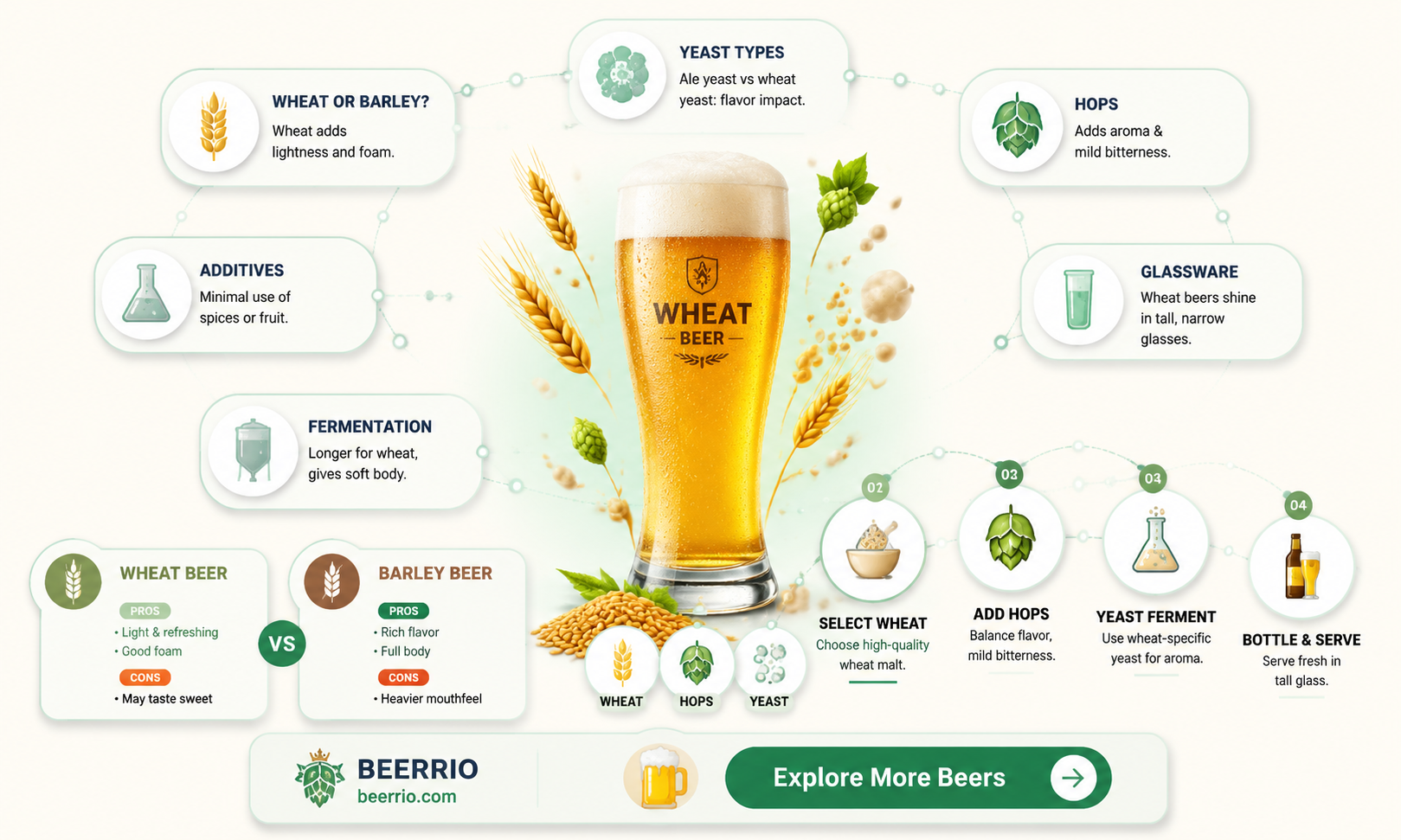
Not all beers are made from wheat. While wheat is a common grain used in brewing, particularly for styles like wheat beers or hefeweizens, many beers are brewed using other grains such as barley, rye, oats, or even rice and corn. The choice of grain affects the flavor, body, and alcohol content of the beer. Barley, for instance, is the most widely used grain in brewing and provides a rich, malty flavor and a sturdy body to beers. Rye adds a spicy, earthy character, while oats can contribute a smooth, creamy texture. Understanding the different grains used in brewing can help beer enthusiasts appreciate the diversity and complexity of flavors found in various beer styles.
Explore related products


What You'll Learn

Types of beer grains
Barley is the most common grain used in beer production, prized for its high starch content and ability to produce a wide range of flavors. It is typically malted, which involves germinating the grain and then drying it to create a sweet, sticky substance that forms the base of most beers. Barley can be used to create a variety of beer styles, from light lagers to dark stouts.
Wheat is another popular grain in beer making, known for its light, refreshing taste and cloudy appearance. Wheat beers often have a distinctive tartness and are typically unfiltered, leaving the yeast and other particles in the beer. This grain is commonly used in styles such as Hefeweizen, Witbier, and American Wheat Beer.
Rye is a grain that adds a spicy, complex flavor to beer. It is often used in small quantities to add depth and character to a brew. Rye beers can range from light and crisp to dark and robust, and are popular in styles such as Rye IPA, Rye Stout, and traditional German Rye beers.
Corn and rice are adjunct grains that are sometimes used in beer production to lighten the body and flavor of the beer. They are typically used in lagers and other light beer styles to create a crisp, clean taste. However, these grains are less common in craft beer production, where brewers often prefer to use more flavorful grains like barley and wheat.
Sorghum is a gluten-free grain that is gaining popularity in the craft beer industry. It is often used to create beers that are suitable for people with gluten sensitivities or celiac disease. Sorghum beers can have a slightly sweet, nutty flavor and are often used in styles such as Pale Ale, IPA, and Stout.
Millet is another gluten-free grain that is sometimes used in beer production. It has a mild, slightly sweet flavor and is often used in combination with other grains to create a unique taste profile. Millet beers are less common than sorghum beers but can be found in some craft beer offerings.
Unveiling the Mystery: Is Blue Moon Truly a Wheat Beer?
You may want to see also
Explore related products


Wheat beer characteristics
Wheat beers are known for their distinctive cloudy appearance, which is a result of the wheat proteins and yeast remaining in suspension. This characteristic gives wheat beers a unique visual appeal and contributes to their rich, full-bodied flavor profile. The presence of wheat also imparts a slightly sweet, nutty taste and a smooth, creamy texture that sets wheat beers apart from other types of beer.
One of the key characteristics of wheat beers is their high level of carbonation, which helps to balance the sweetness of the wheat and adds a refreshing quality to the beer. This carbonation also enhances the beer's aroma, releasing the volatile compounds that contribute to its complex scent. Wheat beers often have notes of banana, clove, and citrus in their aroma, which are derived from the yeast and the wheat itself.
Wheat beers are typically light to medium-bodied, making them a popular choice for warm weather drinking. They are also known for their versatility, as they can be brewed in a variety of styles, from the light and refreshing German Hefeweizen to the darker and more robust American Wheat Ale. This versatility allows wheat beers to appeal to a wide range of palates and preferences.
In terms of brewing, wheat beers require special consideration. The wheat must be properly milled to ensure that it can be easily converted into fermentable sugars. Additionally, the yeast used in wheat beer brewing must be able to handle the higher protein content of wheat, as this can affect the fermentation process. Brewers must also pay close attention to the temperature and pH levels during brewing, as these factors can significantly impact the final flavor and character of the beer.
Overall, wheat beers offer a unique combination of flavors, aromas, and textures that make them a popular choice among beer enthusiasts. Their distinctive characteristics, from their cloudy appearance to their high carbonation and complex aroma, set them apart from other types of beer and contribute to their enduring appeal.
Exploring Hefeweizen: The Quintessential Wheat Beer Experience
You may want to see also
Explore related products



Non-wheat beer alternatives
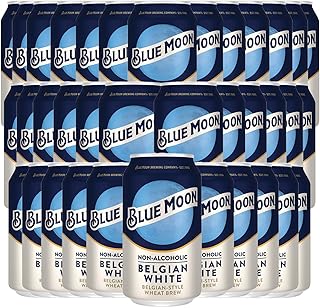
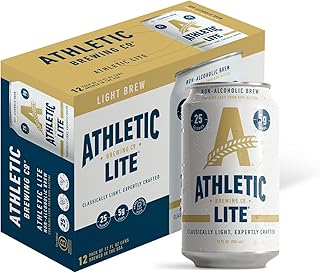
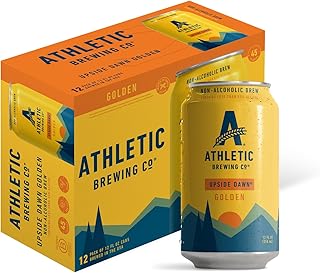
For individuals seeking non-wheat beer alternatives, the market offers a variety of options that cater to different tastes and dietary needs. One popular choice is gluten-free beer, which is typically made from alternative grains such as rice, corn, or sorghum. These beers are specifically crafted for those with gluten intolerance or celiac disease, providing a safe and enjoyable drinking experience without the risk of gluten exposure.
Another option for non-wheat beer enthusiasts is buckwheat beer. Buckwheat, despite its name, is not related to wheat and is naturally gluten-free. Beers made from buckwheat often have a unique, nutty flavor profile and can be a refreshing change from traditional wheat-based beers. Some craft breweries also experiment with other unconventional grains like quinoa or millet, offering even more diverse flavor options for those looking to explore beyond wheat beers.
In addition to grain-based alternatives, there are also non-grain beers made from ingredients like apples, pears, or even chestnuts. These fruit-based beers, often referred to as ciders or perries, provide a different kind of sweetness and can be a delightful alternative for those who prefer a lighter, more refreshing drink. For those who enjoy darker beers, some breweries produce gluten-free stouts or porters using alternative grains or even coffee and chocolate to achieve the desired flavor profile.
When shopping for non-wheat beer alternatives, it's important to read labels carefully and look for certifications like the Gluten-Free Certification Organization (GFCO) to ensure that the product meets specific gluten-free standards. Additionally, some beers may be labeled as "wheat-free" but still contain gluten from other sources, so it's crucial to verify the ingredients and brewing process before making a purchase.
In conclusion, the world of non-wheat beer alternatives is vast and varied, offering something for everyone from those with dietary restrictions to adventurous drinkers looking to try something new. By exploring different grains, fruits, and brewing techniques, breweries have created a diverse range of options that challenge the notion that all beers must be made from wheat.
Exploring the Flavorful World of Wheat Beers: A Comprehensive Guide
You may want to see also
Explore related products

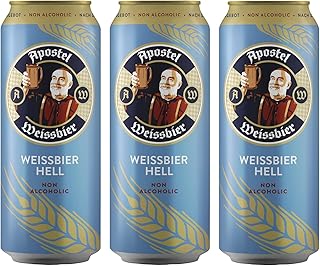


Brewing processes compared
The brewing process for wheat beers differs significantly from that of other beer types. Wheat beers, known for their light, refreshing taste and cloudy appearance, undergo a unique fermentation process that sets them apart. Unlike traditional lagers or ales, wheat beers are typically brewed with a higher proportion of wheat in addition to barley. This wheat contributes to the beer's distinctive flavor profile and mouthfeel.
One key difference in the brewing process is the use of specific yeast strains. Wheat beers often employ yeast strains that produce fruity and spicy flavors, which complement the natural taste of wheat. These yeast strains also tend to ferment at slightly higher temperatures than those used for lagers, resulting in a faster fermentation process. Additionally, wheat beers usually have a lower bitterness level, achieved by using fewer hops or by adding hops later in the brewing process to minimize their bittering effect.
Another unique aspect of wheat beer brewing is the mashing process. Mashing is the step where the grains are soaked in hot water to convert their starches into fermentable sugars. For wheat beers, the mash temperature is often kept lower than for other beer styles to preserve the delicate flavors and aromas of the wheat. This lower temperature also helps to maintain the beer's characteristic cloudy appearance by preventing the wheat proteins from fully separating during the brewing process.
In terms of equipment, wheat beer brewing does not require any specialized gear beyond what is used for other beer styles. However, the brewing process may involve additional steps, such as the use of a secondary fermentation vessel to allow the beer to mature and develop its flavors more fully. This secondary fermentation can also help to clarify the beer slightly, although wheat beers are typically left unfiltered to maintain their signature hazy look.
Overall, the brewing process for wheat beers is a blend of traditional techniques and unique methods that cater to the specific characteristics of wheat as a brewing ingredient. By understanding these differences, brewers can create wheat beers that are both flavorful and refreshing, offering a distinct alternative to other beer styles.
Could Your Favorite Wheat Beer Be Causing an Allergic Reaction?
You may want to see also
Explore related products

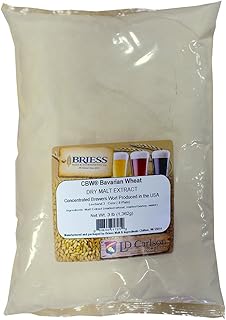


Nutritional content differences
The nutritional content of beer can vary significantly depending on the type of beer and the ingredients used in its production. While all beers are not necessarily wheat beers, the presence of wheat can impact the nutritional profile. Wheat beers typically have a higher carbohydrate content compared to beers made primarily from barley. This is because wheat contains more fermentable sugars, which contribute to the beer's alcohol content and residual sweetness. Additionally, wheat beers often have a slightly higher protein content due to the presence of gluten, a protein found in wheat.
In terms of calorie content, wheat beers can range from light and refreshing to rich and full-bodied. For example, a typical wheat beer might contain anywhere from 150 to 250 calories per 12-ounce serving, depending on the specific recipe and brewing process. It's important to note that the calorie content of beer is primarily determined by its alcohol content and residual sugars, rather than the type of grain used.
When comparing wheat beers to other types of beer, such as lagers or ales, the nutritional differences can be subtle. However, wheat beers often have a distinct flavor profile characterized by notes of bread, banana, and clove, which can make them a popular choice for those looking for a unique taste experience. From a nutritional standpoint, it's essential to consider the overall dietary intake and balance when consuming beer, regardless of the type.
In summary, while wheat beers may have some nutritional differences compared to other types of beer, these differences are often minimal. The key factors influencing the nutritional content of beer are the alcohol content, residual sugars, and specific ingredients used in the brewing process. As with any alcoholic beverage, moderation is key to maintaining a balanced and healthy diet.
Exploring the Grainy World: Are Ales and Wheat Beers One and the Same?
You may want to see also
Frequently asked questions
No, not all beers are made from wheat. While wheat is a common grain used in brewing, many beers are made from other grains such as barley, corn, rice, and rye.
Wheat beers, also known as Weissbiers or Hefeweizens, are typically made with a significant proportion of wheat. These beers are known for their light, refreshing taste and cloudy appearance.
You can often tell if a beer is made from wheat by its appearance and taste. Wheat beers tend to be lighter in color, have a cloudy or hazy appearance, and offer a refreshing, slightly fruity or spicy flavor profile.
No, wheat beers are not gluten-free. They contain gluten from the wheat used in the brewing process. If you have gluten sensitivities or celiac disease, it's best to avoid wheat beers or look for specifically gluten-free beer options.
Some popular wheat beer brands include Blue Moon, Hoegaarden, and Franziskaner. These brands are known for their refreshing wheat beers that are widely available and enjoyed by many beer enthusiasts.