Harmony Chandler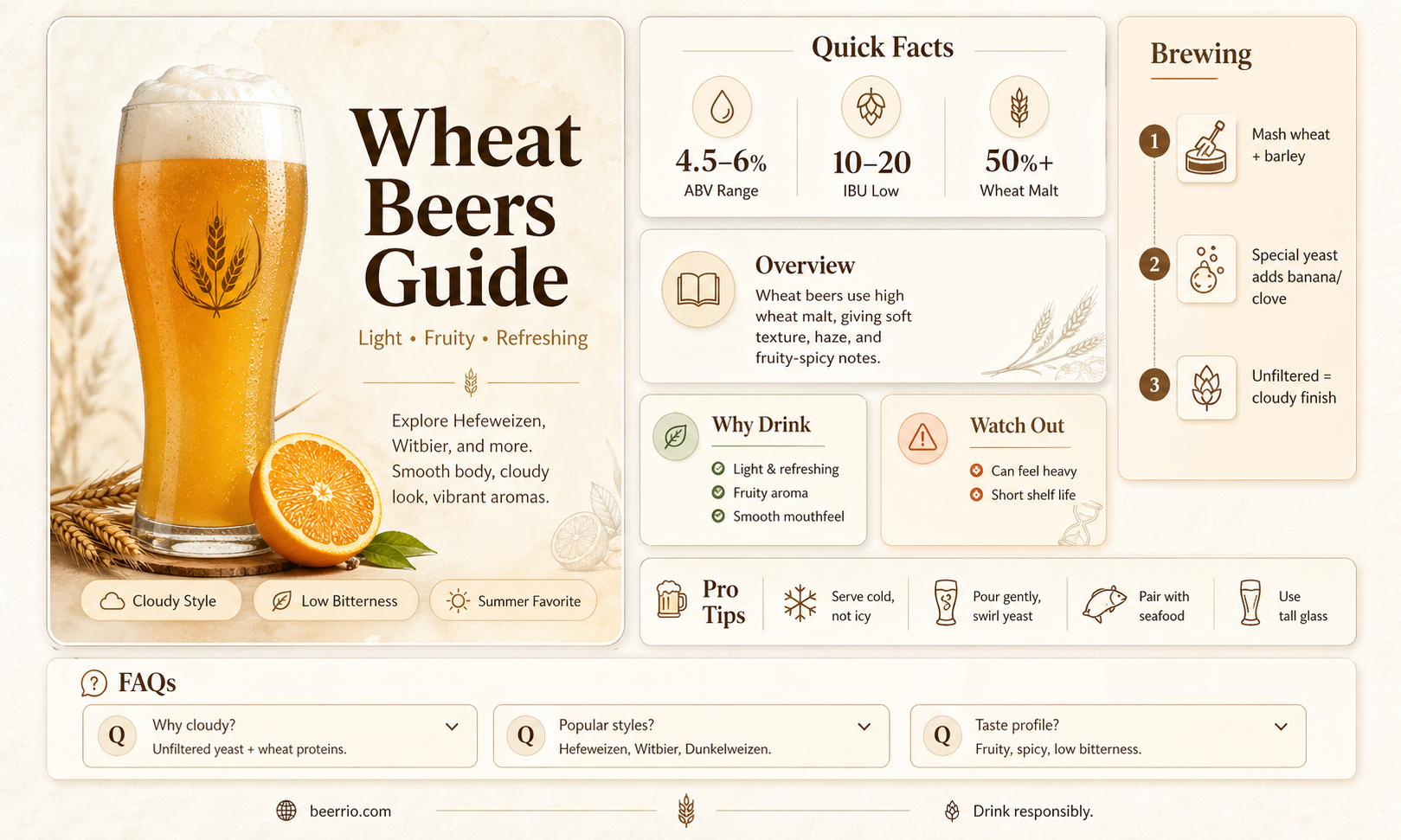
Wheat beer, also known as Weissbier or Hefeweizen, is a type of beer that is brewed with a significant proportion of wheat in addition to barley. This style of beer originated in Germany and is known for its light, refreshing taste and cloudy appearance. Wheat beers are typically characterized by their fruity and spicy flavors, which come from the yeast used in the brewing process. They are often served unfiltered, which gives them their distinctive hazy look and enhances their flavor profile. Wheat beers are popular in many parts of the world and are enjoyed for their unique taste and versatility in pairing with a variety of foods.
| Characteristics | Values |
|---|---|
| Style | Wheat Beer |
| Origin | Germany |
| Main Ingredients | Wheat, Barley, Yeast, Water |
| Flavor Profile | Light, Refreshing, Slightly Sweet, Nutty |
| Aroma | Fruity, Spicy, Yeasty |
| Appearance | Cloudy, Pale Yellow to Golden |
| Head | Thick, White, Foamy |
| Body | Light to Medium |
| Carbonation | Moderate to High |
| Alcohol Content | 4-6% ABV |
| Serving Temperature | 45-50°F (7-10°C) |
| Glassware | Wheat Beer Glass, Pint Glass |
| Food Pairings | Light Fare, Seafood, Poultry, Fruit |
| Brewing Process | Top-fermented, Unfiltered |
| Notable Brands | Hoegaarden, Blue Moon, Franziskaner |
| Popularity | Widely Popular, Especially in Summer |
| Historical Significance | Traditional German Style, Modern Craft Variations |
Explore related products


What You'll Learn
- Definition: Wheat beer is a type of beer brewed with a significant proportion of wheat in addition to barley
- History: Originating in Germany, wheat beers have a long history dating back to the Middle Ages
- Types: Common types include Hefeweizen, Kristallweizen, and Dunkelweizen, each with unique characteristics
- Flavor Profile: Wheat beers often have a light, refreshing taste with notes of fruit, spice, and sometimes a hint of sweetness
- Brewing Process: The brewing process for wheat beer involves using a higher proportion of wheat malt, which can affect the beer's body and head

Definition: Wheat beer is a type of beer brewed with a significant proportion of wheat in addition to barley
Wheat beer, by definition, is a type of beer that is brewed using a significant proportion of wheat in addition to barley. This combination of grains gives wheat beer its unique flavor profile and characteristics. The use of wheat in brewing dates back centuries and is believed to have originated in Germany, where it remains a popular style of beer to this day.
One of the key differences between wheat beer and other types of beer is the brewing process. Wheat beers are typically brewed using a top-fermentation method, which means that the yeast is added to the top of the wort (the liquid extracted from the mashing process) rather than the bottom. This results in a beer that is often lighter in color and has a more pronounced yeast flavor.
Wheat beers are also known for their cloudy appearance, which is due to the presence of wheat proteins and yeast. This cloudiness is often seen as a desirable characteristic in wheat beers, as it adds to the beer's visual appeal and can also indicate a higher level of flavor complexity.
In terms of flavor, wheat beers can range from light and refreshing to more robust and full-bodied. Common flavor notes in wheat beers include banana, clove, citrus, and spice. These flavors are often derived from the yeast used in the brewing process, as well as the specific type of wheat used.
Overall, wheat beer is a versatile and flavorful style of beer that is enjoyed by many beer enthusiasts around the world. Its unique brewing process and flavor profile make it a standout among other types of beer, and its rich history adds to its appeal.
Unveiling the Mystery: Is Blue Moon Truly a Wheat Beer?
You may want to see also
Explore related products


History: Originating in Germany, wheat beers have a long history dating back to the Middle Ages
Wheat beers, known as "Weißbier" in German, have a rich and storied history that traces back to the Middle Ages. Originating in Germany, these beers were first brewed in the southern regions of Bavaria and Baden-Württemberg. The earliest records of wheat beer production date back to the 14th century, with the city of Munich playing a significant role in its development.
During the Middle Ages, wheat beers were considered a luxury item and were often reserved for special occasions. The brewing process was closely guarded by monks and nobility, who were among the first to cultivate the unique flavors of wheat beer. The use of wheat as a primary ingredient was innovative at the time, as barley was the more traditional grain used in beer production.
The popularity of wheat beers spread throughout Europe, with each region developing its own unique variations. In Germany, the Reinheitsgebot, or "Purity Law," enacted in 1516, mandated that beers could only be made with water, barley, hops, and yeast. However, wheat beers were granted an exception due to their established tradition and popularity.
Over the centuries, wheat beers have evolved and diversified, with modern versions ranging from light and refreshing to dark and robust. Today, wheat beers are enjoyed worldwide and are a testament to the enduring legacy of German brewing traditions.
Exploring the Ingredients: Does Your Favorite Beer Contain Wheat?
You may want to see also
Explore related products




Types: Common types include Hefeweizen, Kristallweizen, and Dunkelweizen, each with unique characteristics
Hefeweizen, Kristallweizen, and Dunkelweizen are three of the most common types of wheat beer, each with its own unique characteristics and brewing techniques. Hefeweizen, also known as Weissbier, is a cloudy, pale wheat beer that is typically unfiltered and unpasteurized. It is characterized by its fruity and spicy flavors, which come from the use of coriander and orange peel during the brewing process. Hefeweizen is often served in a tall, narrow glass to showcase its cloudy appearance and is best enjoyed fresh.
Kristallweizen, on the other hand, is a clear, golden wheat beer that is filtered and pasteurized. It has a lighter, crisper taste than Hefeweizen and is often described as having a "clean" finish. Kristallweizen is typically served in a shorter, wider glass than Hefeweizen and can be enjoyed both fresh and aged.
Dunkelweizen is a darker, richer wheat beer that is brewed with a higher proportion of dark malt. It has a deep, caramel-like flavor and is often described as having a "malty" taste. Dunkelweizen is typically served in a snifter or a tulip glass to showcase its dark color and complex aromas.
When it comes to brewing wheat beer, the choice of yeast is crucial. Wheat beers are typically brewed with a special strain of yeast called Saccharomyces cerevisiae, which is responsible for the beer's unique flavors and aromas. The brewing process for wheat beer is also different from that of other types of beer, as it requires a higher proportion of wheat malt and a longer fermentation time.
In terms of food pairings, wheat beers are incredibly versatile and can be paired with a wide variety of dishes. Hefeweizen pairs well with light, summery foods such as salads and seafood, while Kristallweizen is a great match for grilled meats and spicy dishes. Dunkelweizen, with its rich, malty flavor, pairs well with hearty, wintery foods such as stews and roasted meats.
Overall, wheat beer is a fascinating and complex style of beer that offers a wide range of flavors and aromas. Whether you prefer the fruity and spicy notes of Hefeweizen, the crisp and clean taste of Kristallweizen, or the rich and malty flavor of Dunkelweizen, there is a wheat beer out there for everyone to enjoy.
Explore related products


Flavor Profile: Wheat beers often have a light, refreshing taste with notes of fruit, spice, and sometimes a hint of sweetness
Wheat beers are known for their distinctive flavor profile, which sets them apart from other types of beer. The taste of wheat beer is often described as light and refreshing, making it a popular choice for warm weather or as a palate cleanser between heavier beers. This lightness comes from the use of wheat in the brewing process, which contributes to a lower alcohol content and a more delicate body compared to beers made primarily with barley.
One of the most striking features of wheat beer is its fruity and spicy notes. These flavors can vary depending on the specific type of wheat beer and the brewing techniques used. For example, some wheat beers may have a pronounced banana or clove flavor, while others might offer hints of citrus or apple. The spice notes often come from the addition of coriander or other spices during the brewing process, which can add complexity and depth to the beer's flavor.
In addition to the fruit and spice notes, wheat beers sometimes have a subtle sweetness. This sweetness can be a result of the natural sugars present in the wheat or from the addition of other ingredients like honey or maple syrup. The level of sweetness can vary greatly between different wheat beers, with some being quite dry and others having a more noticeable sweet finish.
The combination of these flavors – light, fruity, spicy, and sometimes sweet – makes wheat beers a versatile and enjoyable option for many beer drinkers. Whether you're looking for a crisp, refreshing beer to enjoy on a hot day or a more complex, flavorful beer to savor, there's likely a wheat beer that fits the bill.
Explore related products



Brewing Process: The brewing process for wheat beer involves using a higher proportion of wheat malt, which can affect the beer's body and head
The brewing process for wheat beer is a delicate art that requires careful attention to detail. At its core, wheat beer brewing involves using a higher proportion of wheat malt compared to other types of beer. This key ingredient contributes significantly to the beer's body and head, giving it a distinctive character. The process begins with the selection of high-quality wheat malt, which is then milled and mixed with water to create a mash. The mash is heated to a specific temperature to activate the enzymes that convert the starches in the wheat into fermentable sugars.
One of the unique aspects of wheat beer brewing is the use of a special yeast strain that is capable of producing the desired flavors and aromas. This yeast is typically added to the wort (the liquid extracted from the mash) after it has been boiled and cooled. The fermentation process then begins, during which the yeast consumes the sugars in the wort and produces alcohol and carbon dioxide. The fermenter is usually kept at a slightly higher temperature than for other types of beer to encourage the production of the characteristic fruity and spicy flavors.
Another critical step in the wheat beer brewing process is the conditioning phase. After fermentation is complete, the beer is transferred to a conditioning tank where it is allowed to mature for several weeks. This period allows the flavors to develop and the beer to clarify. The conditioning phase is also an opportunity to add additional ingredients, such as hops or spices, to further enhance the beer's flavor profile.
Finally, the wheat beer is packaged and distributed. Packaging can take various forms, including bottles, cans, or kegs. Regardless of the packaging method, it is essential to ensure that the beer is properly carbonated and that the packaging is sealed to prevent contamination. Wheat beer is best enjoyed fresh, so it is important to distribute it promptly after packaging.
In summary, the brewing process for wheat beer is a complex and nuanced endeavor that requires a deep understanding of the ingredients and techniques involved. By carefully controlling each step of the process, brewers can create a wheat beer that is both delicious and distinctive.
Frequently asked questions
Wheat beer is a type of beer that is brewed with a significant proportion of wheat in addition to barley. It is known for its light, refreshing taste and often has a cloudy appearance due to the wheat proteins.
Wheat beers typically have a light golden to amber color and a cloudy, hazy appearance. They often have a fruity, spicy, and slightly tart flavor profile, with notes of banana, clove, and citrus. The mouthfeel is usually light and crisp, making it a popular choice for warm weather.
Some popular types of wheat beer include German Hefeweizen, Belgian Witbier, and American Wheat Beer. Each style has its own unique characteristics and flavor profiles, but all are brewed with a significant amount of wheat and are known for their refreshing taste.