Jason Wagner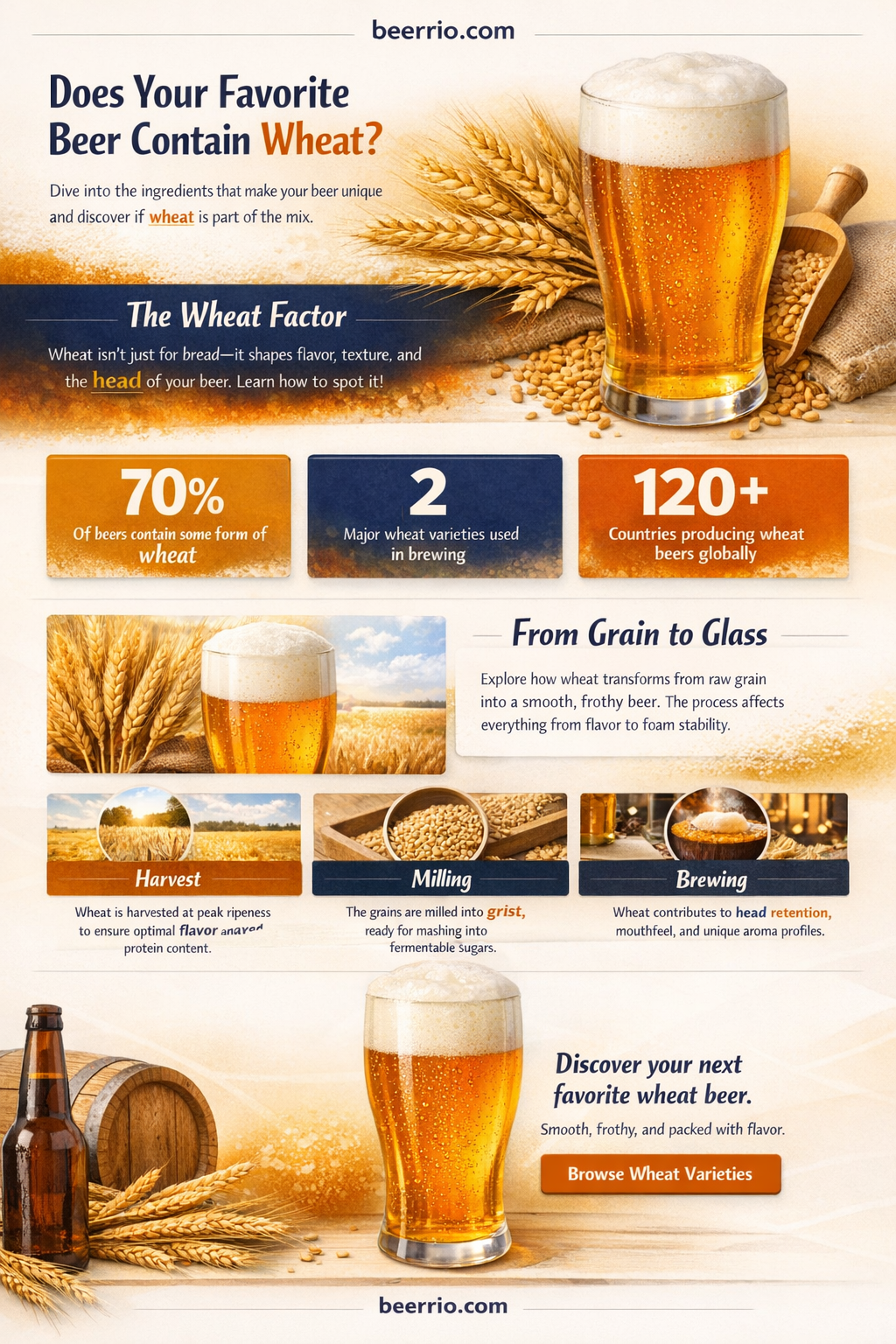
Beer is a popular alcoholic beverage made from the fermentation of grains, primarily barley. However, many beer styles also incorporate wheat in their brewing process. Wheat beers, such as Hefeweizens and Witbiers, are known for their light, refreshing taste and cloudy appearance. The presence of wheat in beer can contribute to its flavor profile, adding notes of bread, nuts, and fruit. For those with wheat allergies or sensitivities, it's important to note that some beers may contain wheat or wheat-derived ingredients.
Explore related products


What You'll Learn
- Ingredients in Beer: Understanding the typical components used in brewing, including grains like wheat
- Types of Beer: Exploring different beer styles and their ingredients, focusing on those that commonly use wheat
- Wheat Allergies: Discussing the implications for individuals with wheat allergies or sensitivities when consuming beer
- Brewing Process: A brief overview of how beer is made, highlighting the role of wheat in the brewing process
- Nutritional Content: Examining the nutritional aspects of beer, particularly the presence and impact of wheat

Ingredients in Beer: Understanding the typical components used in brewing, including grains like wheat
Beer is a popular alcoholic beverage that has been brewed for thousands of years. At its core, beer is made from a simple combination of ingredients: water, malted grains, hops, and yeast. However, the specific types and proportions of these ingredients can vary greatly depending on the style and flavor profile of the beer being produced.
One of the most common grains used in brewing is wheat. Wheat beers, also known as Weissbiers or Hefeweizens, are characterized by their light, refreshing taste and cloudy appearance. The wheat used in these beers is typically malted, which means it has been germinated and then dried to develop its natural sugars. These sugars are then fermented by yeast to produce alcohol and carbonation.
In addition to wheat, other grains such as barley, rye, and oats are also commonly used in brewing. Barley is the most widely used grain in beer production and is often malted to create the base of the beer. Rye and oats can be used to add unique flavors and textures to the beer, such as a spicy or earthy note from rye or a creamy, smooth mouthfeel from oats.
Hops are another essential ingredient in beer, responsible for adding bitterness, aroma, and flavor. They are the flowers of the hop plant and are typically added to the beer during the boiling process. The amount and type of hops used can greatly influence the final taste of the beer, with some beers featuring a subtle hop presence and others showcasing a bold, hoppy flavor.
Yeast is the final key ingredient in beer, responsible for fermenting the sugars from the grains and producing alcohol and carbonation. There are many different types of yeast used in brewing, each with its own unique characteristics and flavor profiles. Some yeasts produce a clean, neutral flavor, while others can add fruity, spicy, or earthy notes to the beer.
In conclusion, while not all beers contain wheat, it is a common ingredient in many styles of beer. Understanding the typical components used in brewing, including grains like wheat, can help beer enthusiasts appreciate the complexity and craftsmanship that goes into creating their favorite brews.
Explore related products


Types of Beer: Exploring different beer styles and their ingredients, focusing on those that commonly use wheat
Wheat beers are a diverse and flavorful category of brews that utilize wheat as a primary ingredient. This type of beer can be traced back to ancient times and has evolved into various styles, each with its unique characteristics and brewing techniques. One of the most well-known wheat beers is the German Hefeweizen, which is typically unfiltered and features a cloudy appearance. Hefeweizen is brewed with a significant proportion of wheat, which contributes to its light, refreshing taste and slightly spicy, fruity notes.
Another popular wheat beer style is the Belgian Witbier, which is often spiced with coriander and orange peel, giving it a distinctive citrusy and slightly tart flavor profile. Witbier is usually filtered, resulting in a clearer appearance compared to Hefeweizen. Both of these styles are known for their use of wheat, which not only affects the flavor but also the mouthfeel and body of the beer.
In addition to these traditional styles, many modern breweries have experimented with wheat beers, incorporating unique ingredients and techniques to create innovative variations. For example, some brewers have started using wheat in combination with other grains, such as barley or oats, to create complex flavor profiles. Others have experimented with different yeast strains or fermentation methods to produce wheat beers with unique characteristics.
When it comes to brewing wheat beers, the choice of wheat variety can also play a significant role in the final product. Different types of wheat, such as spelt, kamut, or triticale, can impart distinct flavors and aromas to the beer. Furthermore, the proportion of wheat used in the recipe can greatly influence the beer's body, head retention, and overall mouthfeel.
In conclusion, wheat beers offer a wide range of flavors and styles, from the classic German Hefeweizen to the spiced Belgian Witbier and modern experimental brews. The use of wheat as a primary ingredient not only contributes to the unique taste of these beers but also affects their appearance and mouthfeel, making them a fascinating category for beer enthusiasts to explore.
Explore related products


Wheat Allergies: Discussing the implications for individuals with wheat allergies or sensitivities when consuming beer
Individuals with wheat allergies or sensitivities must exercise caution when consuming beer, as many traditional beers contain wheat or wheat-derived ingredients. This can lead to adverse reactions ranging from mild discomfort to severe allergic responses. For those with celiac disease, even trace amounts of gluten—a protein found in wheat—can trigger an immune response that damages the small intestine, leading to malabsorption of nutrients and potentially serious health complications.
Fortunately, there are alternatives available for beer enthusiasts with wheat allergies. Several breweries produce gluten-free beers made from alternative grains such as rice, corn, or sorghum. These beers offer a similar taste and experience to traditional wheat-based beers without the associated health risks. Additionally, some craft breweries have started experimenting with innovative ingredients like quinoa or buckwheat to create unique, gluten-free beer varieties.
When selecting a beer, individuals with wheat allergies should carefully read labels and ingredient lists to ensure that the product is safe for consumption. It is also advisable to consult with brewery staff or healthcare professionals for guidance on suitable beer options. Furthermore, those with severe allergies should consider carrying an epinephrine auto-injector in case of accidental exposure to wheat-containing beverages.
In conclusion, while wheat allergies can pose challenges for beer consumption, there are resources and alternatives available to help individuals enjoy their favorite beverages safely. By being informed and proactive, those with wheat allergies can continue to socialize and indulge in the pleasures of beer without compromising their health.
Explore related products


Brewing Process: A brief overview of how beer is made, highlighting the role of wheat in the brewing process
The brewing process is a complex and fascinating series of steps that transforms simple ingredients into the beloved beverage known as beer. At its core, beer is made from four primary ingredients: water, malted barley, hops, and yeast. However, wheat plays a significant role in many beer styles, contributing to the flavor, body, and head retention of the final product.
The process begins with malting, where barley (and sometimes wheat) is soaked in water to activate enzymes that convert starches into fermentable sugars. This malt is then dried and roasted to develop flavor and color. In the case of wheat beers, the wheat is often malted separately and then blended with barley malt to achieve the desired flavor profile.
Next comes mashing, where the malted grains are mixed with hot water in a mash tun. This step allows the enzymes to further break down the starches into sugars, creating a sweet liquid known as wort. The wort is then boiled in a kettle, where hops are added to contribute bitterness, aroma, and flavor. After boiling, the wort is cooled and transferred to a fermenter, where yeast is added.
During fermentation, the yeast consumes the sugars in the wort, producing alcohol and carbon dioxide as byproducts. This process can take anywhere from a few days to several weeks, depending on the beer style and yeast used. Once fermentation is complete, the beer is conditioned, filtered, and packaged for distribution.
Wheat's role in the brewing process is multifaceted. It can be used to create a variety of beer styles, from light and refreshing wheat beers to robust and complex stouts. Wheat also contributes to the beer's head retention, creating a creamy and inviting appearance. Additionally, wheat can add a unique flavor profile to beer, with notes of bread, nuts, and spice.
In conclusion, the brewing process is a delicate balance of science and art, with each ingredient playing a crucial role in the final product. Wheat, in particular, is a versatile and valuable component of many beer styles, contributing to the flavor, body, and appearance of the beer. Whether you're a seasoned brewer or just starting out, understanding the role of wheat in the brewing process can help you create a more delicious and satisfying beer.
Explore related products


Nutritional Content: Examining the nutritional aspects of beer, particularly the presence and impact of wheat
Beer is a popular alcoholic beverage that has been consumed for centuries. While it is often associated with social gatherings and relaxation, it is also important to consider its nutritional content. One key ingredient in many types of beer is wheat, which can have a significant impact on the nutritional profile of the beverage.
Wheat is a grain that is high in carbohydrates and fiber. When used in beer production, it can contribute to the overall calorie and carbohydrate content of the beverage. However, the amount of wheat used in beer can vary greatly depending on the type and brewing process. For example, wheat beers typically contain a higher proportion of wheat than other types of beer, such as lagers or stouts.
In addition to carbohydrates, wheat also contains a variety of vitamins and minerals, including B vitamins, iron, and magnesium. These nutrients can be beneficial to health in moderation, but it is important to note that beer is not a significant source of these nutrients compared to other foods. Furthermore, the brewing process can reduce the availability of some of these nutrients, making them less easily absorbed by the body.
One potential concern for individuals with wheat allergies or celiac disease is the presence of gluten in wheat-based beers. Gluten is a protein found in wheat, barley, and rye that can trigger an immune response in sensitive individuals. While some beers are brewed with alternative grains such as rice or corn to reduce gluten content, it is important for individuals with these conditions to check the ingredients and brewing process before consuming any beer.
Overall, while beer can be a source of some nutrients, it is important to consume it in moderation and be aware of its potential impact on health. Individuals with specific dietary needs or concerns should consult with a healthcare professional or registered dietitian for personalized advice on beer consumption.
Frequently asked questions
Yes, many beers contain wheat as it is a common grain used in the brewing process. Wheat beers, such as Hefeweizens and Witbiers, are specifically brewed with a significant proportion of wheat.
Beers that are likely to have wheat include Hefeweizens, Witbiers, Weizenbocks, and some American-style IPAs and pale ales. These styles often use wheat to add body, flavor, and a distinctive cloudy appearance.
You can often tell if a beer has wheat by its appearance and taste. Wheat beers tend to be cloudier than barley-based beers and may have a lighter, more refreshing taste with notes of fruit, spice, or bread. Checking the ingredients list on the label can also confirm the presence of wheat.
Yes, there are many beers that do not contain wheat. Barley is the most common grain used in brewing, and many styles such as stouts, porters, and pilsners are typically made without wheat. Additionally, some breweries produce gluten-free beers that do not contain wheat or barley.