Lucy Palmer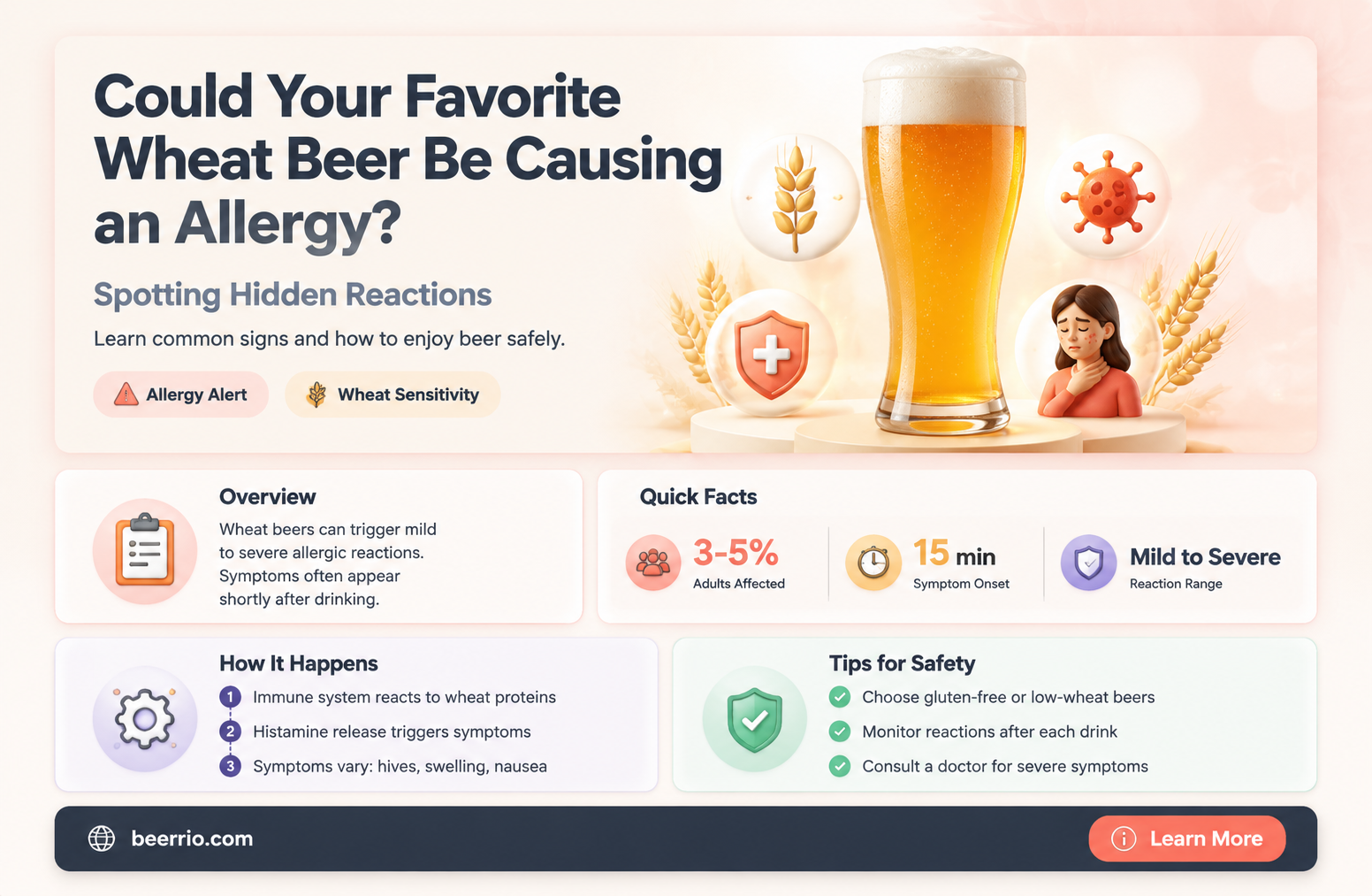
Wheat beer, a popular type of beer made from wheat in addition to barley, can sometimes cause allergic reactions in certain individuals. If you're wondering whether you might be allergic to wheat beer, it's important to understand the symptoms and potential causes of such an allergy. Common symptoms of a wheat allergy include hives, itching, swelling, difficulty breathing, and in severe cases, anaphylaxis. These reactions can occur within minutes to hours after consuming wheat beer. The primary cause of a wheat allergy is an immune system response to proteins found in wheat. If you suspect you might be allergic to wheat beer, it's crucial to consult with a healthcare professional for proper diagnosis and guidance on managing your symptoms.
Explore related products


$19.49 $22.99


What You'll Learn
- Symptoms of Wheat Beer Allergy: Common reactions include hives, itching, swelling, and difficulty breathing
- Causes of Allergy: Allergies to wheat beer can be due to gluten, barley, or yeast present in the beer
- Diagnosis: Consult a healthcare professional for allergy testing to confirm a wheat beer allergy
- Treatment Options: Avoidance is key. Antihistamines may help manage mild symptoms
- Alternative Beverages: Consider gluten-free beers or other alcoholic beverages that don't contain wheat

Symptoms of Wheat Beer Allergy: Common reactions include hives, itching, swelling, and difficulty breathing
If you suspect you might be allergic to wheat beer, it's crucial to recognize the symptoms that may indicate an allergic reaction. Wheat beer allergies can manifest in various ways, and understanding these symptoms is the first step in managing your condition effectively.
One of the most common reactions to a wheat beer allergy is the development of hives. These are raised, itchy bumps on the skin that can appear suddenly and may spread rapidly. Hives can vary in size and may last for several hours or even days. In some cases, they may be accompanied by swelling, particularly around the face, lips, tongue, or throat, which can be alarming and may indicate a more severe reaction.
Another symptom to watch for is difficulty breathing. This can range from mild wheezing to severe shortness of breath and may be accompanied by a tight feeling in the chest. If you experience any difficulty breathing after consuming wheat beer, it's essential to seek medical attention immediately, as this could be a sign of anaphylaxis, a life-threatening allergic reaction.
In addition to these symptoms, some individuals may experience gastrointestinal issues such as nausea, vomiting, diarrhea, or abdominal pain. These symptoms can occur within minutes to hours after consuming wheat beer and may be accompanied by other systemic reactions like dizziness or fainting.
It's important to note that the severity of symptoms can vary widely from person to person. Some individuals may experience mild reactions that resolve on their own, while others may have more severe symptoms that require medical intervention. If you suspect you have a wheat beer allergy, it's crucial to consult with a healthcare professional for proper diagnosis and management.
In the next section, we'll discuss the diagnostic process for wheat beer allergies, including the types of tests that may be used and what to expect during the evaluation.
Unveiling the Mystery: Is Blue Moon Truly a Wheat Beer?
You may want to see also
Explore related products




Causes of Allergy: Allergies to wheat beer can be due to gluten, barley, or yeast present in the beer
Allergies to wheat beer can stem from several sources, each with its own set of implications and management strategies. One of the primary culprits is gluten, a protein found in wheat, barley, and rye. Gluten sensitivity or celiac disease can cause adverse reactions when consuming wheat beer, ranging from mild discomfort to severe gastrointestinal issues. It's crucial for individuals with gluten intolerance to avoid wheat beer altogether and opt for gluten-free alternatives.
Barley, another common ingredient in beer, can also trigger allergic reactions. Barley contains proteins that can cause skin rashes, respiratory issues, and digestive problems in sensitive individuals. Those allergic to barley may need to steer clear of all types of beer, not just wheat beer, to prevent symptoms.
Yeast, a key component in the fermentation process of beer, is another potential allergen. Yeast allergies can manifest as skin rashes, itching, and swelling, and in severe cases, can lead to anaphylaxis. Individuals with yeast allergies should avoid all fermented beverages, including wheat beer, and consult with a healthcare professional for appropriate management strategies.
It's important to note that diagnosing a specific allergy can be challenging, as symptoms may overlap between different allergens. If you suspect you're allergic to wheat beer, it's recommended to undergo allergy testing to identify the exact cause of your reaction. This can involve skin prick tests, blood tests, or elimination diets, which can help pinpoint the specific allergen responsible for your symptoms.
In conclusion, allergies to wheat beer can be caused by gluten, barley, or yeast, each requiring different management approaches. If you experience adverse reactions after consuming wheat beer, it's essential to consult with a healthcare professional to determine the underlying cause and develop an appropriate treatment plan.
Exploring the Flavorful World of Wheat Beers: A Comprehensive Guide
You may want to see also
Explore related products


Diagnosis: Consult a healthcare professional for allergy testing to confirm a wheat beer allergy
If you suspect you might be allergic to wheat beer, it's crucial to seek professional medical advice. A healthcare provider can conduct a series of tests to determine if you have a wheat beer allergy. These tests may include a skin prick test, where a small amount of wheat beer extract is applied to your skin to see if it causes a reaction, or a blood test to measure the levels of specific antibodies in your blood.
It's important to note that self-diagnosis can be unreliable and potentially dangerous. Drinking wheat beer despite suspecting an allergy can lead to severe reactions, including anaphylaxis, which is a life-threatening condition. Therefore, it's essential to consult a healthcare professional who can provide an accurate diagnosis and recommend appropriate treatment or management strategies.
In some cases, your healthcare provider may refer you to an allergist, a specialist who deals with allergies. The allergist will review your medical history, perform a physical examination, and conduct allergy tests to confirm the diagnosis. They may also ask you to keep a food diary to track your symptoms and identify any patterns or triggers.
Once a wheat beer allergy is confirmed, your healthcare provider will likely advise you to avoid wheat beer and other products that contain wheat. They may also prescribe medication, such as antihistamines or epinephrine, to manage symptoms in case of accidental exposure. In addition, they will provide guidance on how to read food labels and identify potential allergens.
Remember, if you experience symptoms such as hives, itching, swelling, difficulty breathing, or dizziness after consuming wheat beer, seek immediate medical attention. These symptoms could indicate a severe allergic reaction that requires prompt treatment.
Exploring the Ingredients: Does Your Favorite Beer Contain Wheat?
You may want to see also
Explore related products





Treatment Options: Avoidance is key. Antihistamines may help manage mild symptoms
If you suspect you're allergic to wheat beer, the primary treatment option is clear: avoidance. This means abstaining from consuming wheat beer and any products that may contain wheat or gluten. While this might seem straightforward, it requires vigilance in reading labels and understanding ingredients, as wheat can be present in unexpected places.
For those experiencing mild symptoms, over-the-counter antihistamines can be a helpful addition to your treatment plan. These medications work by blocking histamine, a chemical released by your body during an allergic reaction. Common antihistamines include cetirizine (Zyrtec), loratadine (Claritin), and fexofenadine (Allegra). It's important to follow the recommended dosage and consult with a healthcare professional if you have any concerns or underlying health conditions.
In addition to avoidance and medication, it's crucial to be aware of potential cross-contamination risks. This can occur when wheat products come into contact with other foods or surfaces, transferring gluten particles. To minimize this risk, consider using separate utensils, cutting boards, and cooking surfaces when preparing gluten-free meals.
For more severe cases, immunotherapy might be an option. This involves a series of injections or oral tablets that gradually expose you to small amounts of wheat protein, helping your body build tolerance over time. However, this treatment should only be pursued under the guidance of a qualified allergist.
Lastly, it's essential to stay informed and proactive in managing your allergy. Keep up-to-date with the latest research and guidelines, and don't hesitate to reach out to healthcare professionals for support and advice. Remember, while living with a wheat allergy can be challenging, it's entirely manageable with the right approach and resources.
Exploring Hefeweizen: The Quintessential Wheat Beer Experience
You may want to see also
Explore related products




Alternative Beverages: Consider gluten-free beers or other alcoholic beverages that don't contain wheat
For individuals who suspect they might be allergic to wheat beer, exploring alternative beverages becomes essential. One viable option is to consider gluten-free beers, which are specifically crafted to exclude wheat and other gluten-containing ingredients. These beers are made from alternative grains such as rice, corn, or sorghum, and they undergo a brewing process that ensures no cross-contamination with gluten occurs.
Another avenue to explore is other types of alcoholic beverages that inherently do not contain wheat. For instance, wines, ciders, and spirits like vodka, gin, and whiskey are typically gluten-free, provided they are not flavored or aged with wheat-based products. However, it's crucial to check the labels and manufacturing processes to confirm their gluten-free status, as some may use wheat-derived ingredients.
Moreover, non-alcoholic options also abound for those looking to avoid wheat. Craft sodas, kombucha, and specialty teas offer a variety of flavors and experiences without the risk of gluten exposure. These alternatives not only cater to those with wheat allergies but also provide options for individuals following a gluten-free diet for other health reasons.
When selecting alternative beverages, it's important to be vigilant about reading labels and understanding the ingredients. Even products that seem naturally gluten-free might contain hidden sources of gluten. Additionally, consulting with healthcare professionals or a registered dietitian can provide personalized guidance on managing a wheat allergy and choosing safe beverage options.
In conclusion, for those who are allergic to wheat beer, there is a wide range of alternative beverages available. From gluten-free beers to other alcoholic options and non-alcoholic drinks, individuals can find suitable choices that align with their dietary needs and preferences. By being informed and cautious, they can enjoy a variety of beverages without compromising their health.
Frequently asked questions
Common symptoms of a wheat beer allergy include hives, itching, swelling, abdominal pain, diarrhea, vomiting, and in severe cases, anaphylaxis.
A wheat beer allergy is typically diagnosed through a combination of medical history review, physical examination, skin prick tests, and sometimes blood tests to measure IgE antibodies.
Alternative beverages for those allergic to wheat beer include gluten-free beers, ciders, wines, spirits, and non-alcoholic options like sodas or flavored waters.
It depends on the individual's specific allergy. Some people with wheat allergies may be able to tolerate other types of alcohol, while others may need to avoid all gluten-containing beverages.
There is no cure for a wheat beer allergy, but symptoms can be managed through avoidance of wheat and gluten-containing products and the use of antihistamines or other allergy medications as needed.