Arabella Franco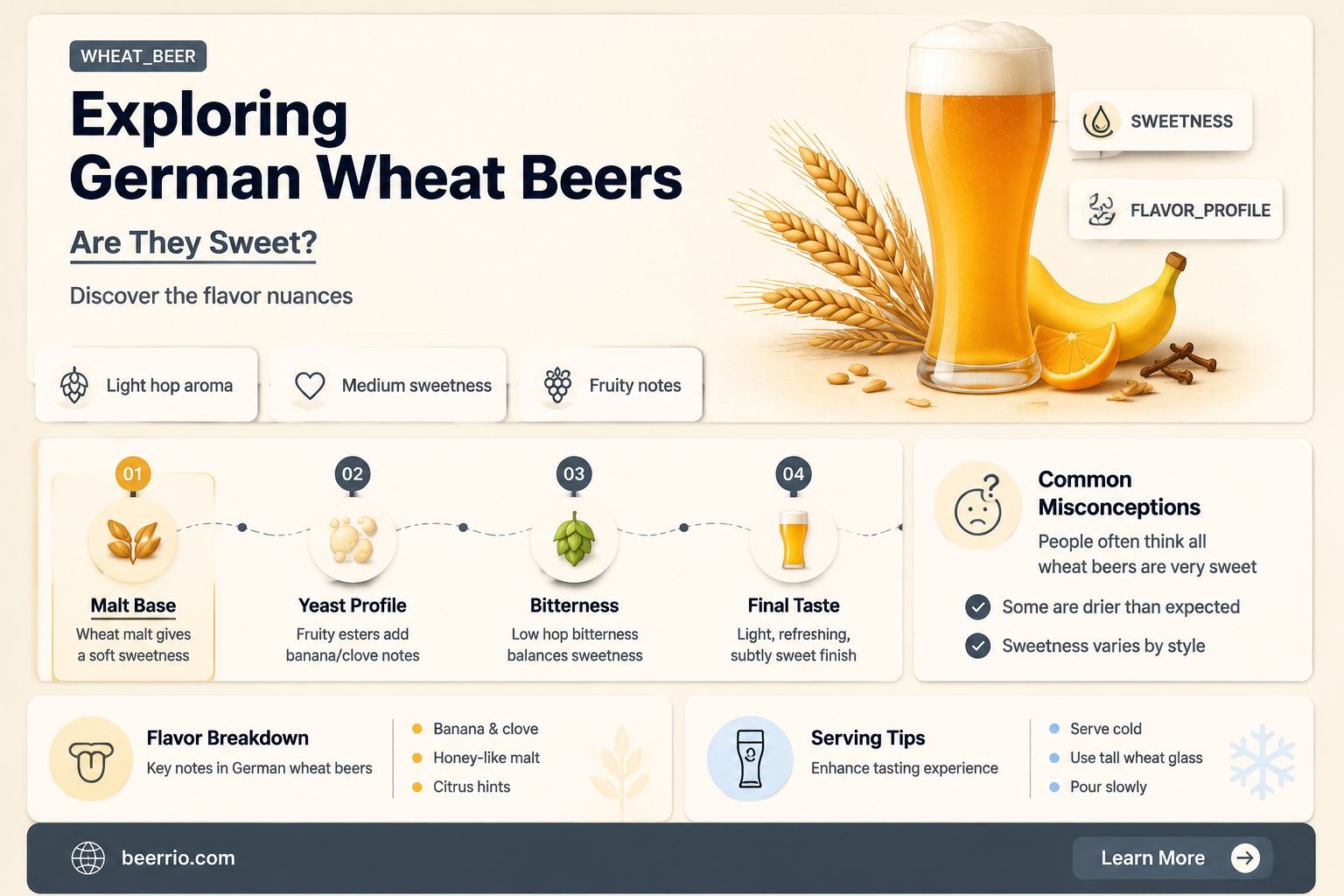
German wheat beers, known as Weißbier or Weizenbier, are a popular style of beer that originated in Germany. They are typically made with a significant proportion of wheat in addition to barley, which gives them a unique flavor profile. One of the characteristics often associated with German wheat beers is their sweetness. This sweetness can vary depending on the specific type of wheat beer and the brewing process used. Some wheat beers are indeed quite sweet, with flavors of banana, clove, and sometimes a hint of bubblegum. However, others can be more balanced, with a refreshing tartness that complements the sweetness. The sweetness in wheat beers primarily comes from the unfermented sugars present in the wheat, as well as the brewing process, which may involve a secondary fermentation in the bottle. Overall, German wheat beers are known for their complex and nuanced flavors, with sweetness being just one aspect of their taste profile.
Explore related products


What You'll Learn
- Types of German Wheat Beers: Explore the variety, such as Hefeweizen, Kristallweizen, and Dunkelweizen
- Flavor Profiles: Discuss the typical taste characteristics, including sweetness, fruitiness, and spiciness
- Brewing Process: Explain how the brewing method contributes to the sweetness of German wheat beers
- Food Pairings: Recommend dishes that complement the sweet flavors of these beers, like desserts or spicy foods
- Popular Brands: List well-known German wheat beer brands and their sweetness levels, such as Erdinger and Paulaner

Types of German Wheat Beers: Explore the variety, such as Hefeweizen, Kristallweizen, and Dunkelweizen
German wheat beers, known as "Weißbiere" in German, are a diverse and flavorful category of beers that are often misunderstood in terms of their sweetness. While many people assume that all wheat beers are sweet, the reality is that there is a wide range of sweetness levels within this beer style. The sweetness of a wheat beer can vary depending on the type of wheat beer, the brewing process, and the ingredients used.
One of the most well-known types of German wheat beers is Hefeweizen, which is characterized by its cloudy appearance and fruity, spicy flavors. Hefeweizen beers are typically brewed with a higher proportion of wheat than barley, which gives them their distinctive taste and aroma. The sweetness level of Hefeweizen beers can vary, but they are often on the sweeter side due to the presence of residual sugars from the wheat.
Kristallweizen, on the other hand, is a clearer, more filtered version of Hefeweizen. The filtration process removes some of the yeast and other particles that contribute to the cloudiness of Hefeweizen, resulting in a beer that is both clearer and slightly less sweet. Kristallweizen beers still have a fruity, spicy character, but they are often more balanced and less cloying than their Hefeweizen counterparts.
Dunkelweizen, which translates to "dark wheat beer," is another popular type of German wheat beer. As the name suggests, Dunkelweizen beers are darker in color than Hefeweizen and Kristallweizen, and they often have a richer, more complex flavor profile. Dunkelweizen beers can range from slightly sweet to moderately bitter, depending on the brewing process and the ingredients used.
In conclusion, while German wheat beers are often associated with sweetness, the reality is that there is a wide range of sweetness levels within this beer style. By exploring the different types of wheat beers, such as Hefeweizen, Kristallweizen, and Dunkelweizen, beer enthusiasts can discover a variety of flavors and sweetness levels that cater to their individual preferences.
Exploring Beer Ingredients: Are All Beers Wheat-Based?
You may want to see also
Explore related products




Flavor Profiles: Discuss the typical taste characteristics, including sweetness, fruitiness, and spiciness
German wheat beers, known as Weissbiers, are renowned for their distinctive flavor profiles. These beers typically exhibit a high level of sweetness, which is a result of the wheat used in their brewing process. Wheat contains more fermentable sugars than barley, leading to a sweeter final product. Additionally, the yeast strains used in Weissbier brewing often produce fruity esters, contributing to the beer's characteristic fruitiness.
The sweetness in German wheat beers is usually balanced by a refreshing tartness, often derived from the addition of lactic acid bacteria during fermentation. This tartness helps to cut through the richness of the beer, making it more palatable and drinkable. The fruitiness can manifest in flavors of banana, clove, and sometimes citrus, adding complexity to the beer's taste.
Spiciness is another notable characteristic of Weissbiers. This is typically achieved through the use of coriander and orange peel during the brewing process. These spices impart a warm, slightly peppery flavor that complements the beer's sweetness and fruitiness. The spiciness can vary in intensity depending on the specific recipe and brewing techniques used.
In summary, German wheat beers are known for their sweet, fruity, and spicy flavor profiles. The sweetness comes from the wheat and the yeast, the fruitiness from the yeast esters, and the spiciness from the addition of coriander and orange peel. These characteristics combine to create a unique and refreshing beer style that is popular around the world.
Unveiling the Mystery: Is Blue Moon Truly a Wheat Beer?
You may want to see also
Explore related products



Brewing Process: Explain how the brewing method contributes to the sweetness of German wheat beers
The brewing process plays a crucial role in determining the sweetness of German wheat beers. One key factor is the use of wheat malt, which contains more fermentable sugars than barley malt. During the mashing process, these sugars are extracted and become available for fermentation. The higher the proportion of wheat malt used, the sweeter the resulting beer will be.
Another important aspect is the fermentation process itself. German wheat beers are typically fermented with a specific strain of yeast known as Hefeweizen yeast. This yeast strain is known for its ability to produce fruity and spicy flavors, as well as its tendency to leave behind a higher level of residual sugar. This residual sugar contributes to the beer's sweetness and is a characteristic feature of German wheat beers.
The brewing process also involves a step called "wort boiling," during which the wort (the liquid extracted from the mashing process) is boiled with hops. The hops not only add bitterness to balance the sweetness but also contribute to the beer's aroma and flavor. The length and intensity of the wort boil can affect the final sweetness of the beer, as a longer boil can lead to more sugar caramelization and a deeper flavor profile.
In addition to these factors, the brewing process may also include a step called "secondary fermentation" or "conditioning." During this step, the beer is allowed to mature and develop its flavors, which can include the production of additional sugars through the Maillard reaction. This reaction occurs between amino acids and reducing sugars in the presence of heat, and it can contribute to the beer's sweetness and complexity.
Overall, the brewing process for German wheat beers is carefully crafted to enhance the beer's sweetness while also creating a balanced and flavorful product. The use of wheat malt, Hefeweizen yeast, and specific brewing techniques all contribute to the characteristic sweetness of these beers.
Exploring the Flavorful World of Wheat Beers: A Comprehensive Guide
You may want to see also
Explore related products


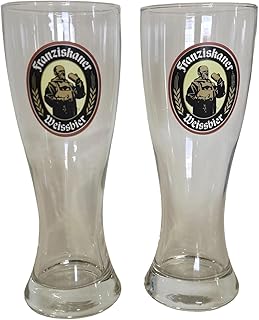
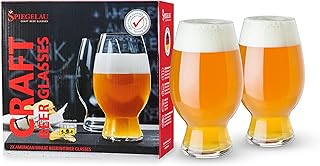

Food Pairings: Recommend dishes that complement the sweet flavors of these beers, like desserts or spicy foods
German wheat beers, known for their sweet and fruity profiles, pair exceptionally well with a variety of dishes. For those looking to complement the sweet flavors of these beers, desserts are an obvious choice. Rich, creamy desserts like cheesecake or chocolate mousse can balance the beer's sweetness, while lighter options such as fruit tarts or sorbets can enhance the refreshing qualities of the wheat beer.
Spicy foods are another excellent pairing for German wheat beers. The sweetness of the beer can help to mellow the heat of spicy dishes, creating a harmonious balance of flavors. Consider pairing a wheat beer with a spicy Thai curry or a hot Mexican salsa. The beer's fruity notes can also complement the complex flavors of Indian cuisine, making it a versatile choice for a range of spicy dishes.
For a more savory option, German wheat beers can also pair well with certain types of cheese. Soft, creamy cheeses like Brie or Camembert can complement the beer's smooth texture, while sharper cheeses like Cheddar or Gouda can provide a nice contrast to the beer's sweetness. When pairing beer with cheese, it's important to consider the intensity of both the beer and the cheese to ensure a balanced and enjoyable experience.
In addition to these pairings, German wheat beers can also be used in cooking to add depth and complexity to dishes. For example, a wheat beer can be used to deglaze a pan after sautéing onions and garlic, adding a rich, caramelized flavor to the dish. Wheat beers can also be incorporated into marinades for meats or used as a base for beer-infused sauces.
When selecting dishes to pair with German wheat beers, it's important to consider the specific characteristics of the beer. Some wheat beers may have more pronounced fruity notes, while others may have a more subtle sweetness. By understanding the unique qualities of each beer, you can choose dishes that will best complement its flavors and create a memorable dining experience.
Exploring the Richness of Belgian Beers: Are They Wheat-Based?
You may want to see also
Explore related products




Popular Brands: List well-known German wheat beer brands and their sweetness levels, such as Erdinger and Paulaner
Erdinger and Paulaner are two of the most well-known German wheat beer brands, and they are often associated with a certain level of sweetness. Erdinger, for example, is known for its crisp and refreshing taste, with a subtle sweetness that comes from the use of wheat malt. Paulaner, on the other hand, is a bit sweeter, with a more pronounced banana and clove flavor profile that is characteristic of many German wheat beers.
Other popular German wheat beer brands include Hoegaarden, Weihenstephaner, and Franziskaner. Hoegaarden is known for its cloudy appearance and its complex flavor profile, which includes notes of banana, clove, and citrus. Weihenstephaner is one of the oldest breweries in the world, and its wheat beer is known for its smooth and creamy texture, with a balanced sweetness that is not overpowering. Franziskaner is another well-known brand, with a wheat beer that is light and refreshing, but with a noticeable sweetness that comes from the use of wheat malt and yeast.
The sweetness level of German wheat beers can vary depending on the brand and the specific beer. Some wheat beers are very sweet, with a high level of residual sugar, while others are drier and less sweet. The sweetness level is often determined by the brewing process, including the type of malt used, the amount of yeast added, and the fermentation temperature.
In general, German wheat beers are known for their complex flavor profiles, which often include notes of banana, clove, and citrus. The sweetness level of these beers can vary, but many of them are on the sweeter side. This is due in part to the use of wheat malt, which contains more sugars than barley malt. The yeast used in fermentation also plays a role in the sweetness level, as some yeasts are more efficient at converting sugars into alcohol than others.
When it comes to serving German wheat beers, they are often enjoyed in a tall, slender glass that is designed to showcase the beer's color and clarity. The glass is typically filled to the brim, with a generous head of foam on top. This allows the beer's aromas to be fully appreciated, and the foam also helps to balance out the sweetness of the beer.
In conclusion, German wheat beers are known for their complex flavor profiles and their varying levels of sweetness. Brands like Erdinger and Paulaner are well-known for their sweet wheat beers, while others like Hoegaarden and Weihenstephaner offer a drier, less sweet option. The sweetness level of these beers is determined by a variety of factors, including the brewing process and the ingredients used. Regardless of the sweetness level, German wheat beers are a popular choice for beer drinkers around the world.
Could Your Favorite Wheat Beer Be Causing an Allergic Reaction?
You may want to see also
Frequently asked questions
Yes, German wheat beers, also known as Weissbiers, are typically characterized by their sweet and fruity flavor profile. This sweetness comes from the high malt content and the specific yeast strains used in fermentation.
Common flavor notes in German wheat beers include banana, clove, citrus, and sometimes a hint of spice. These flavors are a result of the unique yeast strains and the wheat malt used in the brewing process.
Compared to other beer styles, German wheat beers tend to be on the sweeter side. They are often more malty and less hoppy than styles like IPAs or pale ales, which can have a more balanced or bitter taste. However, the sweetness can vary depending on the specific brew and the brewer's recipe.