Jason Wagner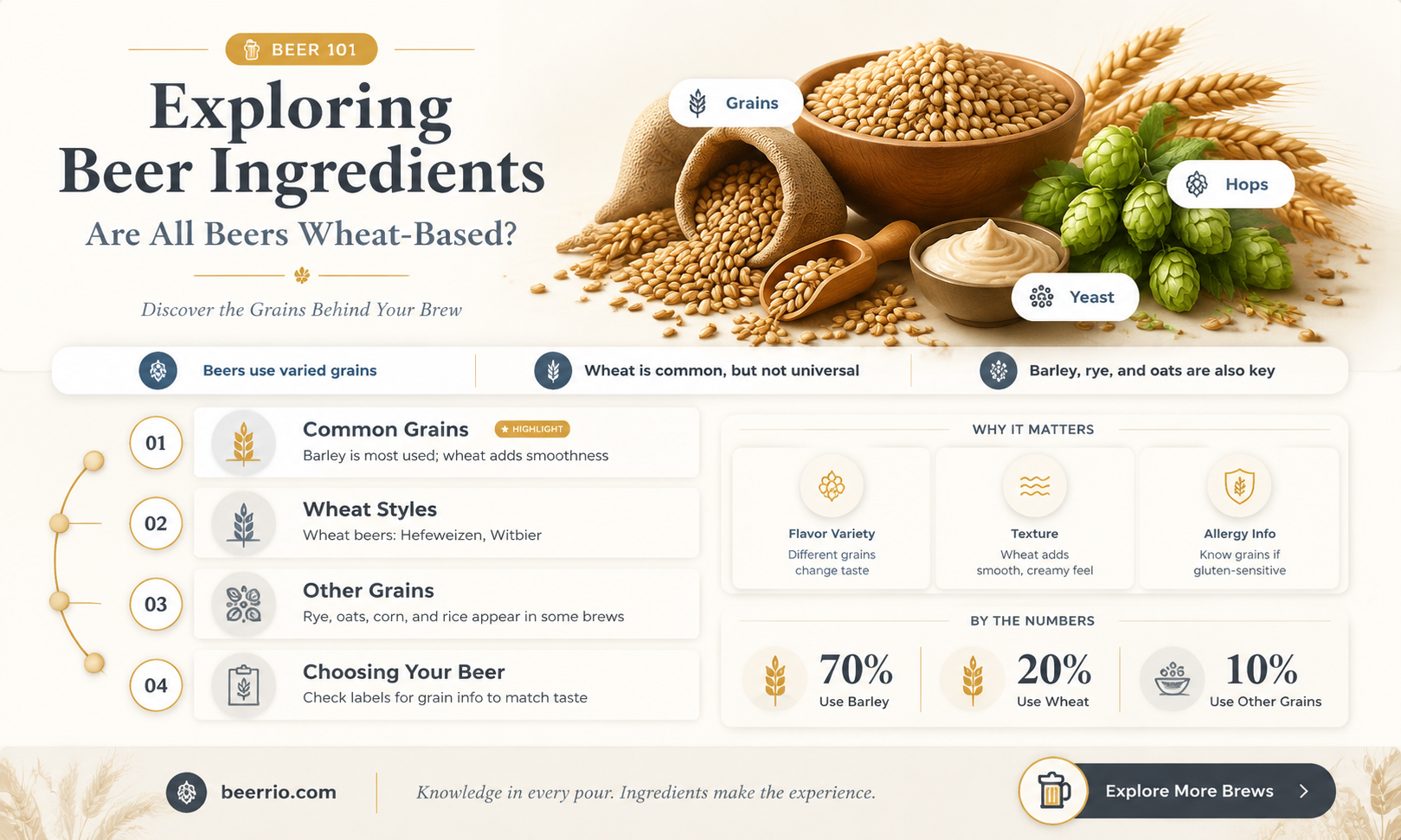
Not all beers are wheat-based. While wheat is a common grain used in brewing, particularly for styles like wheat beers or hefeweizens, many other grains are also used to make beer. Barley is the most traditional and widely used grain in brewing, and it forms the base for most beer styles, including lagers, ales, and stouts. Other grains such as rye, oats, and even corn or rice can also be used in various beer recipes to achieve different flavors and textures. The choice of grain depends on the desired characteristics of the final product, such as taste, aroma, and mouthfeel.
Explore related products


What You'll Learn
- Types of beer grains: Exploring barley, wheat, rye, and other grains used in brewing
- Wheat beer characteristics: Understanding the unique flavors, aromas, and textures of wheat-based beers
- Non-wheat beer alternatives: Discovering gluten-free and wheat-free beer options for those with dietary restrictions
- Brewing process differences: Comparing the brewing techniques used for wheat beers versus non-wheat beers
- Popular wheat beer styles: Examining well-known wheat beer varieties like Hefeweizen, Witbier, and American Wheat Ale

Types of beer grains: Exploring barley, wheat, rye, and other grains used in brewing
Barley is the most widely used grain in beer brewing, known for its high starch content and ability to produce a rich, full-bodied flavor. It is typically malted, which involves soaking the barley in water to activate enzymes that convert starches into fermentable sugars. This process is crucial for creating the sweet wort that yeast will later ferment into alcohol. Barley can be used in various forms, including whole grain, malted barley, and roasted barley, each contributing different flavors and colors to the final beer.
Wheat is another popular grain used in brewing, particularly in styles like wheat beers and Belgian witbiers. It contains a higher protein content than barley, which can lead to a hazier, more textured beer. Wheat is often used in combination with barley to add complexity and depth to the flavor profile. Some wheat beers are brewed with a significant proportion of wheat, which can result in a lighter, more refreshing taste with notes of bread and fruit.
Rye is a less common but distinctive grain used in brewing, known for its spicy, earthy flavors. It is often used in small quantities to add a unique character to beers, particularly in styles like rye IPAs and rye stouts. Rye contains a compound called secalin, which can contribute to a dry, crisp finish in the beer. However, it can also be more difficult to work with than barley or wheat, as it requires a longer mashing time to fully convert its starches.
Other grains used in brewing include oats, corn, rice, and even quinoa. Oats are known for their creamy, smooth texture and are often used in stouts and porters. Corn and rice are typically used as adjuncts to barley, adding fermentable sugars without contributing much flavor. Quinoa, on the other hand, is a more experimental grain that can add a nutty, earthy taste to the beer.
In conclusion, while barley is the dominant grain in beer brewing, wheat, rye, and other grains play important roles in creating a diverse range of flavors and styles. Brewers often experiment with different grain combinations to achieve unique taste profiles and cater to various consumer preferences.
Exploring the Grainy World: Are Ales and Wheat Beers One and the Same?
You may want to see also
Explore related products



Wheat beer characteristics: Understanding the unique flavors, aromas, and textures of wheat-based beers
Wheat beers are known for their distinctive characteristics that set them apart from other types of beers. One of the most notable features of wheat beers is their cloudy appearance, which is due to the presence of wheat proteins and yeast. This cloudiness is often accompanied by a thick, creamy head that enhances the beer's visual appeal.
In terms of flavor, wheat beers typically have a light, refreshing taste with notes of citrus, banana, and clove. These flavors are derived from the wheat itself, as well as the yeast used in the fermentation process. Wheat beers are also known for their smooth, silky texture, which is a result of the wheat proteins and the beer's lower carbonation levels.
When it comes to aromas, wheat beers often exhibit a bready, yeasty character with hints of spice and fruit. These aromas are best appreciated when the beer is served fresh and at the appropriate temperature, which is usually between 45°F and 55°F (7°C and 13°C).
Wheat beers are versatile and can be enjoyed on their own or paired with a variety of foods. They are particularly well-suited for summer drinking, as their light, refreshing taste and smooth texture make them a perfect choice for hot weather. Whether you're a seasoned beer enthusiast or just starting to explore the world of craft beers, wheat beers are definitely worth trying for their unique flavors, aromas, and textures.
Exploring the Ingredients: Does Your Favorite Beer Contain Wheat?
You may want to see also
Explore related products

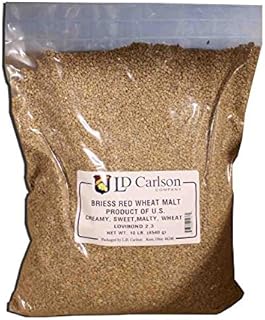
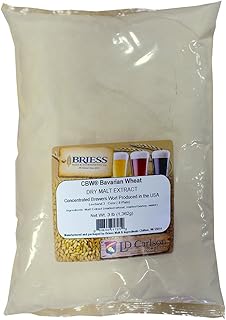


Non-wheat beer alternatives: Discovering gluten-free and wheat-free beer options for those with dietary restrictions
For individuals with gluten intolerance or celiac disease, the quest for a cold beer can be fraught with challenges. Many traditional beers are brewed with wheat, barley, or rye, which contain gluten. However, there's a growing market of non-wheat beer alternatives that cater to those with dietary restrictions. These alternatives are crafted using gluten-free ingredients such as rice, corn, quinoa, and even hemp.
One popular option is Omission Lager, which is brewed with rice and corn instead of wheat. Another is Dogfish Head Sixty-One, which uses quinoa as a primary ingredient. For those who prefer a darker beer, there's the New Planet Brown Ale, made with gluten-free malts. These beers not only provide a safe option for those with gluten sensitivities but also offer a unique flavor profile that can be enjoyed by anyone.
When shopping for gluten-free beers, it's important to read labels carefully. Some beers may be labeled as "gluten-free" but still contain trace amounts of gluten due to cross-contamination during the brewing process. Look for certifications from organizations like the Gluten Intolerance Group or the Celiac Support Association to ensure the beer meets strict gluten-free standards.
In addition to gluten-free options, there are also beers brewed without any wheat at all. These beers often use alternative grains like oats, millet, or sorghum. One example is the Flying Dog Brewery's Easy and Light IPA, which is brewed with oats and millet. Another is the Against the Grain Brewery's Citra IPA, which uses sorghum as a primary ingredient.
For those who are homebrewers, there are also kits available that allow you to brew your own gluten-free beer. These kits typically include gluten-free grains and hops, as well as instructions for the brewing process. Homebrewing can be a fun and rewarding way to create a beer that meets your specific dietary needs and taste preferences.
In conclusion, while traditional beers may be off-limits for those with gluten intolerance or celiac disease, there are plenty of delicious non-wheat beer alternatives available. Whether you're looking for a gluten-free option or a beer brewed without any wheat at all, there's a growing market of choices that cater to those with dietary restrictions. With a little research and exploration, you can find a beer that not only meets your needs but also satisfies your taste buds.
Exploring Hefeweizen: The Quintessential Wheat Beer Experience
You may want to see also
Explore related products

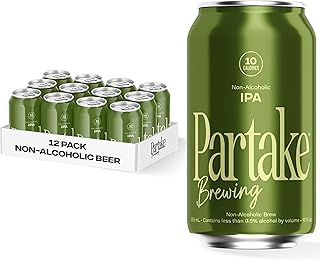
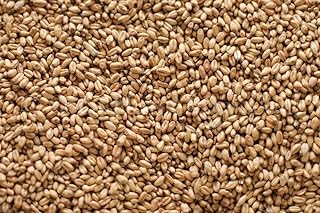


Brewing process differences: Comparing the brewing techniques used for wheat beers versus non-wheat beers
The brewing process for wheat beers differs significantly from that of non-wheat beers, primarily due to the unique characteristics of wheat as a grain. Wheat beers, such as Hefeweizens and Witbiers, are typically brewed using a higher proportion of wheat malt compared to barley malt. This results in a lighter, more refreshing beer with distinct flavors and aromas.
One key difference in the brewing process is the mashing technique. For wheat beers, a single-step mash is often used, where the wheat and barley malts are combined and mashed at a single temperature. This helps to preserve the delicate flavors and aromas of the wheat. In contrast, non-wheat beers may use a multi-step mash process, involving separate mashes for different types of malts to extract specific flavors and sugars.
Another notable difference is in the fermentation process. Wheat beers are typically fermented at cooler temperatures than non-wheat beers, which helps to maintain their crisp, clean character. Additionally, wheat beers often undergo a secondary fermentation in the bottle, which can contribute to their effervescence and complexity.
The conditioning and storage of wheat beers also differ from non-wheat beers. Wheat beers are usually conditioned at cooler temperatures for a shorter period, which helps to preserve their fresh, fruity flavors. Non-wheat beers, on the other hand, may be conditioned at warmer temperatures for a longer period, allowing for more complex flavors to develop.
In summary, the brewing process for wheat beers involves specific techniques and conditions that are tailored to the unique properties of wheat as a brewing grain. These differences result in beers with distinct flavors, aromas, and characteristics that set them apart from non-wheat beers.
Could Your Favorite Wheat Beer Be Causing an Allergic Reaction?
You may want to see also
Explore related products




Popular wheat beer styles: Examining well-known wheat beer varieties like Hefeweizen, Witbier, and American Wheat Ale
Hefeweizen, a traditional German wheat beer, is known for its cloudy appearance and refreshing taste. This style of beer is typically characterized by its light body, high carbonation, and flavors of banana and clove, which are derived from the yeast used in fermentation. Hefeweizen is often served in a tall, narrow glass to showcase its effervescence and is a popular choice for those seeking a crisp, thirst-quenching beverage.
Witbier, originating from Belgium, is another well-known wheat beer style that offers a unique flavor profile. This beer is typically spiced with coriander and orange peel, giving it a distinctive citrusy and slightly spicy taste. Witbier is usually unfiltered, resulting in a hazy appearance, and is often served in a tulip-shaped glass to enhance its aromatic qualities. This style of beer is a favorite among those who enjoy a more complex and nuanced flavor experience.
American Wheat Ale, a more modern take on wheat beer, is a versatile style that can range from light and refreshing to more robust and full-bodied. This beer often incorporates a variety of hops, which can impart a range of flavors from fruity and floral to piney and bitter. American Wheat Ale is typically served in a pint glass and is a popular choice for those who appreciate a balance between the traditional wheat beer flavors and the hoppy characteristics of American craft beers.
While these three styles of wheat beer are distinct in their flavor profiles and brewing techniques, they all share a common foundation in the use of wheat as a primary ingredient. Wheat beers are known for their light, refreshing qualities and are often enjoyed during the warmer months or as a palate cleanser between heavier beers. However, it's important to note that not all beers are wheat-based; many other styles, such as lagers, ales, and stouts, rely on barley or other grains as their main ingredient.
In conclusion, wheat beers offer a diverse range of flavors and experiences, from the traditional German Hefeweizen to the spicy Belgian Witbier and the versatile American Wheat Ale. Each style has its own unique characteristics and is a testament to the creativity and innovation of brewers around the world. Whether you're a seasoned beer enthusiast or just starting to explore the world of craft beers, wheat beers are definitely worth a try.
Exploring the Flavorful World of Wheat Beers: A Comprehensive Guide
You may want to see also
Frequently asked questions
No, not all beers are wheat-based. While wheat is a common grain used in brewing, many beers are made primarily from barley, and some may use other grains like rye, oats, or corn.
Wheat-based beers include styles such as wheat ales, wheat lagers, and hefeweizens. These beers often have a light, refreshing taste and may feature flavors of bread, nuts, or fruit.
The best way to determine if a beer is wheat-based is to check the ingredients list on the label or ask the brewer. Additionally, wheat beers often have a distinctive cloudy appearance and may have a lighter color than barley-based beers.
Generally, wheat-based beers are not gluten-free because wheat contains gluten. However, there are some gluten-free beer options available that are made with alternative grains or have undergone a gluten-removal process.