Harmony Chandler
Wheat beers, as their name suggests, are primarily brewed using wheat in addition to barley. While barley is the traditional base grain for most beers, wheat beers incorporate a significant proportion of wheat, which contributes to their unique flavor profile and cloudy appearance. The combination of wheat and barley in these beers results in a refreshing and often slightly tart taste, with notes of bread, nuts, and sometimes fruit. Wheat beers are popular in various styles, including Hefeweizen, Witbier, and American Wheat Ale, each with its own distinct characteristics and brewing traditions.
| Characteristics | Values |
|---|---|
| Ingredients | Wheat beers typically contain a significant proportion of wheat in addition to barley. The exact ratio can vary, but wheat often makes up 50% or more of the grain bill. |
| Flavor Profile | Wheat beers are known for their light, refreshing taste with notes of bread, nuts, and sometimes fruit. The presence of wheat can give these beers a softer, smoother mouthfeel compared to barley-dominant beers. |
| Alcohol Content | The alcohol by volume (ABV) in wheat beers can range from about 4% to 6%, though some stronger varieties exist. The ABV is influenced by the fermentation process and the specific strains of yeast used. |
| Color | Wheat beers are generally light in color, ranging from pale yellow to golden amber. The color can be affected by the type of wheat used and the brewing process. |
| Brewing Process | The brewing process for wheat beers involves mashing the wheat and barley together, boiling the wort with hops, fermenting with yeast, and conditioning before packaging. Some wheat beers undergo a secondary fermentation in the bottle. |
| Historical Origin | Wheat beers have a long history, with origins tracing back to ancient civilizations such as Egypt and Mesopotamia. In modern times, they are particularly popular in Germany and Belgium. |
| Popular Styles | Some popular styles of wheat beers include Hefeweizen, Witbier, and Weizenbock. Each style has its own unique characteristics and brewing traditions. |
| Food Pairings | Wheat beers pair well with a variety of foods, including seafood, poultry, salads, and light desserts. Their refreshing quality makes them a good choice for summer meals. |
| Nutritional Content | Wheat beers can be a source of carbohydrates and some B vitamins. However, they are also caloric and should be consumed in moderation as part of a balanced diet. |
| Cultural Significance | Wheat beers hold cultural significance in many parts of the world, particularly in Europe. They are often associated with festivals, social gatherings, and traditional brewing practices. |
Explore related products




What You'll Learn
- Ingredients Overview: Wheat beers typically use a mix of wheat and barley malts, with hops and yeast
- Brewing Process: The brewing process for wheat beers involves mashing, boiling, fermenting, and conditioning
- Flavor Profile: Wheat beers are known for their light, refreshing taste with notes of citrus, spice, and bread
- Alcohol Content: These beers generally have an alcohol by volume (ABV) ranging from 4% to 6%
- Popular Brands: Examples include Blue Moon, Hoegaarden, and Franziskaner, each with unique characteristics

Ingredients Overview: Wheat beers typically use a mix of wheat and barley malts, with hops and yeast
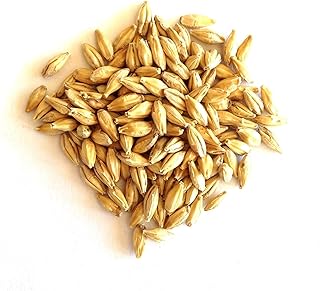
Wheat beers are known for their distinctive flavor profiles, which are largely influenced by the ingredients used in their brewing process. A key component of wheat beer is the combination of wheat and barley malts. While wheat malt provides the beer with its characteristic light, refreshing taste and hazy appearance, barley malt contributes to the overall structure and sweetness of the brew.
In addition to the malted grains, hops play a crucial role in wheat beer production. Hops not only add bitterness to balance the sweetness of the malts but also contribute to the beer's aroma and flavor. The choice of hop variety can significantly impact the final product, with some hops imparting citrusy or fruity notes, while others may add more herbal or spicy characteristics.
Yeast is another essential ingredient in wheat beer brewing. The yeast strain used can greatly influence the beer's flavor, aroma, and fermentation characteristics. For example, some yeast strains may produce esters and phenols that contribute to the beer's fruity and spicy notes, while others may result in a cleaner, more neutral profile.
The specific proportions of wheat and barley malts, as well as the choice of hops and yeast, can vary depending on the style of wheat beer being brewed. For instance, a traditional German Hefeweizen may use a higher proportion of wheat malt and a specific yeast strain that produces banana and clove flavors, while an American Wheat Ale might use a more balanced malt bill and a different yeast strain that results in a cleaner, more citrusy profile.
In conclusion, the ingredients used in wheat beer brewing, including the mix of wheat and barley malts, hops, and yeast, are crucial in determining the final flavor, aroma, and appearance of the beer. By understanding the role of each ingredient and how they interact with one another, brewers can create a wide range of wheat beer styles, each with its own unique characteristics and appeal.
Exploring the Impact of Cloudy Wheat Beers on Psoriasis Symptoms
You may want to see also
Explore related products




Brewing Process: The brewing process for wheat beers involves mashing, boiling, fermenting, and conditioning
The brewing process for wheat beers is a meticulous and multi-step procedure that transforms raw ingredients into a refreshing beverage. It begins with mashing, where wheat and barley malts are combined with hot water to convert their starches into fermentable sugars. This step is crucial as it sets the foundation for the beer's flavor and alcohol content. The mixture, known as wort, is then boiled with hops, which impart bitterness and aroma to the beer. The boiling process also helps to sterilize the wort and halt any unwanted bacterial growth.
Following boiling, the wort is cooled and transferred to a fermentation vessel, where yeast is added. The yeast consumes the sugars in the wort, producing alcohol and carbon dioxide in the process. This stage is where the beer's unique flavors and characteristics develop, and it can last anywhere from a few days to several weeks, depending on the specific yeast strain and brewing conditions.
After fermentation, the beer undergoes conditioning, a period of aging and maturation. During this time, the beer's flavors meld together, and any residual yeast or sediment settles out, resulting in a clearer, more refined product. Conditioning can occur in the fermentation vessel, in bottles, or in kegs, and its duration varies based on the brewer's preferences and the style of wheat beer being produced.
Throughout the brewing process, careful attention must be paid to temperature, timing, and sanitation to ensure a high-quality final product. Brewers often use specialized equipment and techniques to monitor and control these factors, as even slight deviations can significantly impact the beer's taste and stability. By understanding and mastering each step of the brewing process, craftspeople can create a wide array of wheat beers, each with its own distinct profile and appeal.
Exploring Beer Ingredients: The Truth About Wheat in Brews
You may want to see also
Explore related products


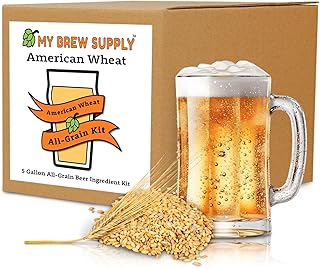


Flavor Profile: Wheat beers are known for their light, refreshing taste with notes of citrus, spice, and bread
Wheat beers are renowned for their distinctive flavor profile, which sets them apart from other beer styles. The light, refreshing taste is a hallmark of wheat beers, making them a popular choice for casual drinkers and beer enthusiasts alike. This flavor profile is a result of the unique brewing process and ingredients used in wheat beers.
One of the key notes in wheat beers is citrus, which adds a zesty and invigorating quality to the beer. This citrus flavor is often derived from the use of wheat malt, which contains higher levels of citric acid compared to barley malt. The brewing process also plays a role in enhancing the citrus notes, as certain yeast strains and fermentation techniques can accentuate these flavors.
Spice is another prominent characteristic of wheat beers. This spiciness is typically achieved through the use of coriander and orange peel during the brewing process. These ingredients impart a warm, aromatic quality to the beer, complementing the citrus notes and adding depth to the overall flavor profile. The spice element is particularly noticeable in Belgian-style wheat beers, where it is a defining feature of the style.
Bread-like flavors are also common in wheat beers, reflecting the use of wheat malt as a primary ingredient. This malt contributes a soft, bready character to the beer, which is often described as having a smooth, silky mouthfeel. The bread notes are subtle yet integral to the overall flavor profile, providing a solid foundation for the other flavors to build upon.
In conclusion, the flavor profile of wheat beers is a harmonious blend of citrus, spice, and bread notes, resulting from the unique combination of ingredients and brewing techniques used in their production. This distinctive taste makes wheat beers a refreshing and enjoyable choice for beer lovers of all palates.
Exploring Beer Ingredients: Are All Beers Wheat-Based?
You may want to see also
Explore related products


Alcohol Content: These beers generally have an alcohol by volume (ABV) ranging from 4% to 6%
Wheat beers, known for their light and refreshing taste, typically have an alcohol by volume (ABV) ranging from 4% to 6%. This moderate alcohol content makes them a popular choice for casual drinking and social gatherings. The ABV in wheat beers is influenced by several factors, including the type of yeast used, the fermentation process, and the specific recipe followed by the brewer.
One of the key characteristics of wheat beers is their use of wheat in addition to barley. While barley is the primary grain used in most beers, wheat beers incorporate a significant proportion of wheat, which contributes to their unique flavor profile and cloudy appearance. The combination of barley and wheat provides a balance of sweetness and tartness, with the wheat adding a smooth, creamy texture to the beer.
The brewing process for wheat beers often involves a secondary fermentation, which can enhance the beer's complexity and depth of flavor. This additional fermentation step allows for the development of fruity and spicy notes, which are typical of many wheat beer styles. The use of specific yeast strains, such as Hefeweizen yeast, is crucial in achieving the desired flavor characteristics and alcohol content in wheat beers.
In terms of serving and enjoying wheat beers, they are best consumed fresh and at a slightly cooler temperature than other beer styles. This helps to accentuate their crisp and refreshing qualities. Wheat beers pair well with a variety of foods, including seafood, poultry, and light salads, making them a versatile choice for meal accompaniment.
Overall, the alcohol content of wheat beers, ranging from 4% to 6% ABV, is just one aspect of what makes them a unique and enjoyable beer style. Their distinctive flavor profile, brewing process, and versatility in food pairings contribute to their enduring popularity among beer enthusiasts.
Exploring the Grainy World: Are Ales and Wheat Beers One and the Same?
You may want to see also
Explore related products



Popular Brands: Examples include Blue Moon, Hoegaarden, and Franziskaner, each with unique characteristics
Blue Moon, a popular Belgian-style wheat ale, is known for its smooth, creamy texture and slightly sweet flavor profile. Brewed with white wheat and oats, it offers a refreshing taste with hints of citrus and spice. Hoegaarden, another well-known Belgian wheat beer, stands out with its complex flavor profile, featuring notes of banana, clove, and coriander. This beer is unfiltered, which contributes to its cloudy appearance and rich, full-bodied taste. Franziskaner, a German wheat beer, is characterized by its light, crisp flavor and subtle hints of fruit and spice. It is brewed using a traditional method that involves fermenting the beer in open wooden barrels, which imparts a unique character to the final product.
These popular wheat beer brands showcase the versatility and unique characteristics of the style. While they all share some common traits, such as the use of wheat in the brewing process, each brand has its own distinct flavor profile and brewing techniques that set it apart from the others. This diversity within the wheat beer category allows consumers to explore a range of flavors and textures, making it a popular choice among beer enthusiasts.
When comparing these brands, it is important to consider the specific ingredients and brewing methods used, as these factors greatly influence the final taste and quality of the beer. For example, Blue Moon's use of oats contributes to its smooth, creamy texture, while Hoegaarden's unfiltered nature enhances its rich, complex flavor. Understanding these differences can help consumers appreciate the unique qualities of each brand and make informed choices when selecting a wheat beer to enjoy.
In conclusion, the popularity of wheat beers like Blue Moon, Hoegaarden, and Franziskaner can be attributed to their unique characteristics and diverse flavor profiles. By exploring the specific ingredients and brewing methods used by each brand, consumers can gain a deeper appreciation for the complexity and versatility of wheat beers, making them a favored option in the world of craft brewing.
Exploring the Ingredients: Do Dark Beers Contain Wheat?
You may want to see also
Frequently asked questions
Yes, most wheat beers do contain barley. While wheat is the primary grain used in wheat beers, barley is often included in the brewing process to provide enzymes that help convert the starches in the wheat into fermentable sugars. Additionally, barley can contribute to the flavor and body of the beer.
The typical ratio of wheat to barley in wheat beers can vary, but it is common to see a ratio of around 50/50 or 60/40 wheat to barley. Some wheat beers may have a higher proportion of wheat, while others might use more barley. The exact ratio can depend on the specific recipe and the desired characteristics of the finished beer.
Yes, there are some wheat beers that do not contain barley. These beers are often brewed using alternative grains or adjuncts, such as oats, rye, or corn, to provide the necessary enzymes for fermentation. However, traditional wheat beers typically include barley in their grain bill.
The presence of barley in wheat beers can contribute to a fuller body and a more complex flavor profile. Barley can add malty sweetness, nutty notes, and a slight bitterness that balances the flavors of the wheat. Additionally, barley can help to create a smoother mouthfeel and a more stable beer structure.
Some popular wheat beer styles include Hefeweizen, a German-style wheat beer known for its cloudy appearance and fruity, spicy flavors; Witbier, a Belgian-style wheat beer that is often spiced with coriander and orange peel; and American Wheat Ale, which is a more modern style that can have a cleaner, crisper taste with a variety of hop flavors.