 Lucy Palmer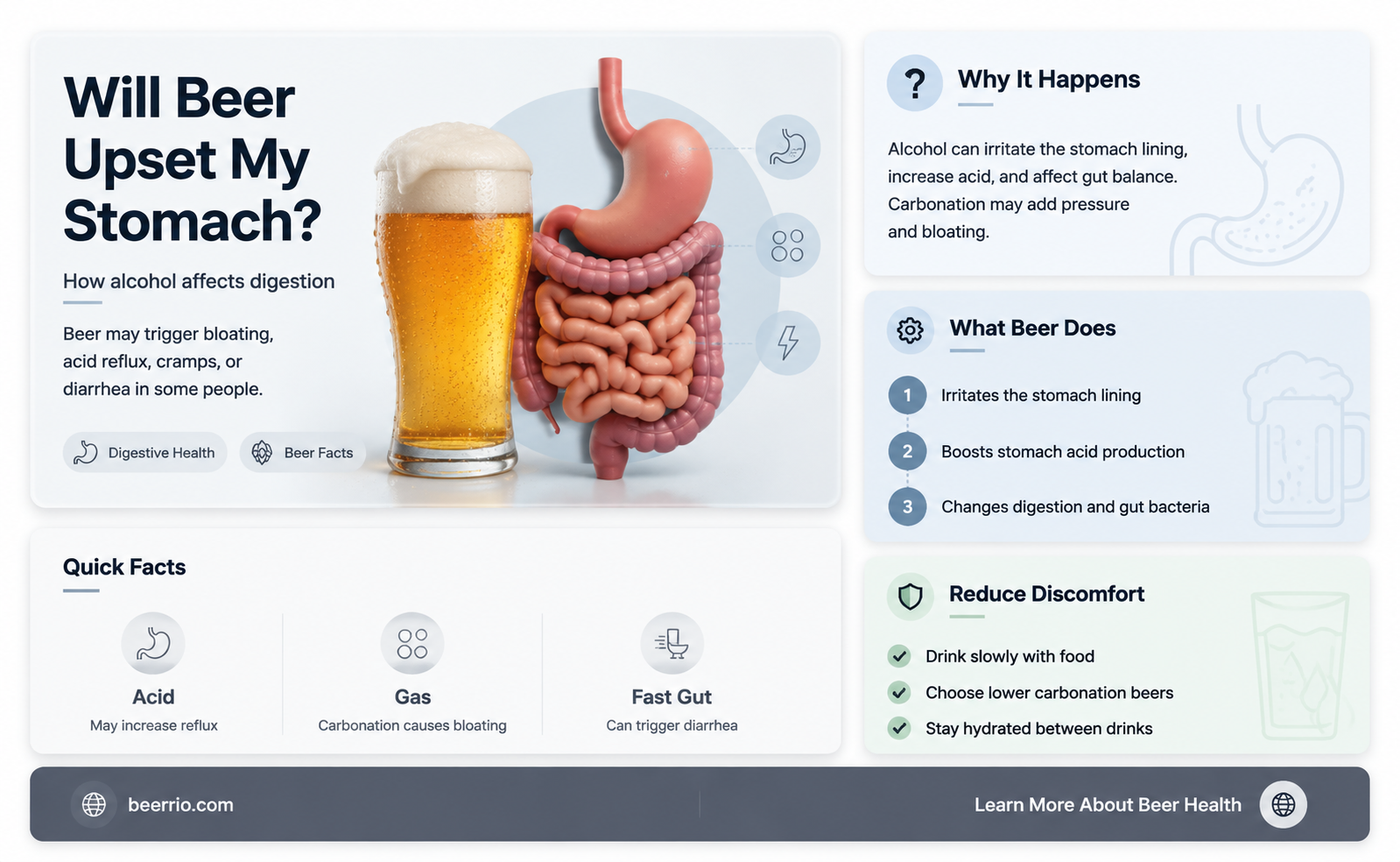
Beer, a popular alcoholic beverage enjoyed by many, can sometimes cause stomach discomfort. This is often due to its carbonation, which can lead to bloating and gas, or its alcohol content, which may irritate the stomach lining. Additionally, certain ingredients in beer, such as gluten or hops, can cause adverse reactions in some individuals. If you're concerned about how beer might affect your stomach, it's important to consider these factors and perhaps consult with a healthcare professional for personalized advice.
Explore related products



What You'll Learn
- Ingredients in Beer: Understanding the components of beer, such as gluten, yeast, and hops, can help identify potential stomach irritants
- Alcohol Content and Its Effects: The alcohol in beer can irritate the stomach lining, leading to discomfort or exacerbating existing conditions like gastritis
- Individual Tolerance and Sensitivity: Personal differences in how people metabolize alcohol and react to beer ingredients can influence stomach upset
- Drinking Habits and Quantity: The amount and frequency of beer consumption can impact stomach health, with excessive drinking increasing the risk of upset
- Health Conditions and Medications: Certain medical conditions (e.g., IBS, GERD) and medications may interact with beer, causing or worsening stomach issues

Ingredients in Beer: Understanding the components of beer, such as gluten, yeast, and hops, can help identify potential stomach irritants
Beer is composed of several key ingredients, each of which can have a different effect on the stomach. Understanding these components is crucial for individuals who are concerned about potential stomach irritation. The primary ingredients in beer include gluten, yeast, hops, water, and sometimes additional additives or flavorings.
Gluten, a protein found in grains like barley, wheat, and rye, is a common allergen and can cause stomach upset in sensitive individuals. Those with celiac disease or gluten intolerance may experience symptoms such as abdominal pain, bloating, and diarrhea after consuming gluten-containing beers.
Yeast, another essential ingredient in beer, is responsible for the fermentation process that produces alcohol. Some people may have difficulty digesting yeast, leading to stomach discomfort, gas, and bloating. Additionally, yeast can contribute to the overall histamine content of beer, which may exacerbate symptoms in individuals with histamine intolerance.
Hops, the flowers of the hop plant, are used in beer for their bittering, flavoring, and preserving properties. While hops are generally well-tolerated, they can cause allergic reactions in some people, leading to symptoms like hives, itching, and stomach irritation. Furthermore, the alpha acids in hops can increase stomach acid production, potentially aggravating conditions like acid reflux or gastritis.
Water, the main component of beer, is typically not a cause for stomach upset unless it is contaminated or contains high levels of minerals like sulfur or chlorine. However, the quality of water used in brewing can affect the overall taste and digestibility of the beer.
To minimize the risk of stomach irritation, individuals can opt for beers with lower gluten content, such as those made from alternative grains like rice or corn. Additionally, choosing beers with lower yeast content or those that have been filtered to remove yeast can help reduce symptoms related to yeast digestion. For those sensitive to hops, selecting beers with lower hop content or avoiding certain hop varieties may be beneficial.
In conclusion, by understanding the specific ingredients in beer and their potential effects on the stomach, individuals can make informed choices about their beer consumption and take steps to minimize the risk of stomach upset.
Will Beer's Impact on Sussex Cricket: A Rising Star's Journey
You may want to see also
Explore related products





Alcohol Content and Its Effects: The alcohol in beer can irritate the stomach lining, leading to discomfort or exacerbating existing conditions like gastritis
Alcohol, a key component in beer, can significantly impact the stomach lining. When consumed, alcohol can cause irritation and inflammation, leading to discomfort and potential exacerbation of pre-existing conditions such as gastritis. This irritation occurs because alcohol can increase the production of stomach acid, which in turn can erode the protective mucus layer lining the stomach, making it more susceptible to damage and irritation.
The effects of alcohol on the stomach can vary depending on several factors, including the amount consumed, the individual's tolerance, and any underlying health conditions. For some, even moderate consumption of beer can lead to stomach upset, characterized by symptoms such as bloating, cramping, and nausea. In more severe cases, excessive alcohol intake can result in conditions like alcoholic gastritis, which is a chronic inflammation of the stomach lining caused by prolonged alcohol use.
It's important to note that the alcohol content in beer can vary widely, with some beers having a higher alcohol by volume (ABV) than others. Typically, beers range from about 4% to 6% ABV, but some craft beers and specialty brews can have much higher alcohol content, sometimes reaching 10% ABV or more. The higher the alcohol content, the greater the potential for stomach irritation.
To mitigate the effects of alcohol on the stomach, it's advisable to consume beer in moderation and to eat food before and while drinking. Food can help to slow the absorption of alcohol into the bloodstream, reducing its immediate impact on the stomach lining. Additionally, staying hydrated by drinking water alongside beer can help to dilute the alcohol and minimize its irritating effects.
In conclusion, while beer can be an enjoyable beverage for many, it's essential to be aware of its potential impact on stomach health. By understanding the effects of alcohol content and taking steps to moderate consumption and protect the stomach lining, individuals can enjoy beer while minimizing the risk of stomach upset and related health issues.
Will Beer Stop Ketosis? Understanding Alcohol's Impact on Keto Diets
You may want to see also
Explore related products






Individual Tolerance and Sensitivity: Personal differences in how people metabolize alcohol and react to beer ingredients can influence stomach upset
Some individuals may experience stomach upset due to their unique metabolic responses to alcohol. Variations in alcohol dehydrogenase (ADH) and aldehyde dehydrogenase (ALDH) enzymes can affect how efficiently the body breaks down alcohol, leading to increased susceptibility to stomach irritation. People with lower levels of these enzymes may experience more severe symptoms, including nausea, vomiting, and abdominal pain, even after consuming small amounts of beer.
Furthermore, individual sensitivities to specific beer ingredients, such as gluten, histamines, or sulfites, can also contribute to stomach upset. For instance, individuals with celiac disease or gluten intolerance may experience gastrointestinal distress after consuming beers containing gluten. Similarly, those sensitive to histamines, which are naturally occurring compounds found in some beers, may experience symptoms like itching, hives, or digestive issues.
It is essential to recognize that these individual differences can significantly impact one's reaction to beer. Understanding personal tolerances and sensitivities can help individuals make informed decisions about their alcohol consumption and minimize the risk of stomach upset. In some cases, switching to alternative beverages or opting for lower-alcohol content beers may be necessary to avoid adverse reactions.
Moreover, factors such as age, gender, and overall health can also influence an individual's reaction to beer. Older adults, for example, may experience decreased enzyme activity, leading to increased susceptibility to stomach upset. Women tend to have lower levels of ADH and ALDH enzymes compared to men, which can result in higher blood alcohol concentrations and increased risk of gastrointestinal distress.
In conclusion, individual tolerance and sensitivity play a crucial role in determining whether beer will upset one's stomach. By understanding these personal differences and taking appropriate precautions, individuals can enjoy beer responsibly while minimizing the risk of adverse reactions.
The Aging Process of Beer Post-Carbonation: A Comprehensive Guide
You may want to see also
Explore related products


Drinking Habits and Quantity: The amount and frequency of beer consumption can impact stomach health, with excessive drinking increasing the risk of upset
Excessive beer consumption can significantly impact stomach health, leading to discomfort and potential long-term issues. The stomach lining is particularly sensitive to the effects of alcohol, which can cause irritation and inflammation. When consumed in large quantities or over a prolonged period, beer can disrupt the balance of stomach acids, leading to conditions such as gastritis or even ulcers. It is essential to be mindful of portion sizes and frequency of consumption to minimize these risks.
The frequency of beer consumption also plays a crucial role in stomach health. Regularly drinking beer, even in moderate amounts, can lead to chronic stomach issues. The body's ability to process alcohol efficiently can be overwhelmed, resulting in increased acidity and potential damage to the stomach lining. Limiting the number of drinks per week and allowing for alcohol-free days can help mitigate these effects.
Individual tolerance levels can vary greatly when it comes to beer consumption and stomach health. Some people may experience discomfort after only a few drinks, while others may be able to consume more without immediate issues. It is important to listen to your body and recognize the signs of discomfort, such as bloating, cramping, or heartburn. If these symptoms persist or worsen, it may be necessary to consult a healthcare professional for further guidance.
In addition to the direct effects of alcohol on the stomach, beer consumption can also impact overall digestive health. Alcohol can interfere with the absorption of nutrients and disrupt the balance of gut bacteria, leading to digestive issues such as diarrhea or constipation. Maintaining a balanced diet and staying hydrated can help counteract these effects and support overall digestive health.
To minimize the risk of stomach upset from beer consumption, it is recommended to drink in moderation, avoid binge drinking, and maintain a balanced diet. Keeping track of portion sizes and frequency of consumption can help individuals identify their personal limits and make informed choices about their drinking habits. By being mindful of these factors, it is possible to enjoy beer in a way that minimizes the risk of stomach discomfort and promotes overall health.
Exploring the Effects of Beer on Blood Viscosity: Thicken or Thin?
You may want to see also
Explore related products



Health Conditions and Medications: Certain medical conditions (e.g., IBS, GERD) and medications may interact with beer, causing or worsening stomach issues
Individuals with Irritable Bowel Syndrome (IBS) may experience heightened symptoms after consuming beer. The carbonation and alcohol content in beer can exacerbate IBS-related abdominal pain, bloating, and diarrhea. Those with Gastroesophageal Reflux Disease (GERD) should also be cautious, as the acidic nature of beer can trigger heartburn and acid reflux. It's essential for individuals with these conditions to monitor their symptoms and consider alternative beverages or moderation in beer consumption.
Medications that interact with alcohol can further complicate matters. For instance, antibiotics, pain relievers, and antidepressants may have adverse reactions when combined with beer, potentially leading to stomach upset, nausea, or other gastrointestinal issues. It's crucial to consult with a healthcare professional about potential interactions between medications and alcohol. They can provide personalized advice based on an individual's medical history and current treatment plan.
In some cases, it may be necessary to avoid beer altogether or opt for non-alcoholic alternatives. However, for those who choose to consume beer, doing so in moderation and being aware of potential triggers can help minimize stomach issues. Keeping a food and drink diary can be a useful tool in identifying specific foods and beverages that exacerbate symptoms, allowing individuals to make informed choices about their diet and lifestyle.
Ultimately, the relationship between beer consumption and stomach issues is complex and can vary greatly from person to person. By understanding the potential risks and taking proactive steps to manage symptoms, individuals can make more informed decisions about their health and well-being.
Will Beer Survive an Airplane: The Ultimate Guide for Traveling Brewers
You may want to see also
Frequently asked questions
Not necessarily. While beer can cause stomach upset in some individuals, it doesn't affect everyone the same way. Factors such as the type of beer, the amount consumed, and individual tolerance levels can influence how your stomach reacts.
The main ingredients in beer that can potentially cause stomach upset are alcohol, gluten, and histamines. Alcohol can irritate the stomach lining, gluten can cause issues for those with gluten sensitivity or celiac disease, and histamines can lead to allergic reactions in some individuals.
To minimize the risk of stomach upset when drinking beer, consider the following tips:
- Choose beers with lower alcohol content.
- Opt for gluten-free beers if you have gluten sensitivity.
- Avoid drinking on an empty stomach; have a meal or snack beforehand.
- Stay hydrated by drinking water alongside beer.
- Limit your intake and know your personal tolerance levels.
If beer tends to upset your stomach, you might consider trying alternative beverages such as:
- Non-alcoholic beers or ciders.
- Wine, which may be better tolerated by some individuals.
- Spirits mixed with non-carbonated mixers.
- Herbal teas or flavored water for a non-alcoholic option.
- Kombucha, which is a fermented tea that can be a good alternative for those avoiding alcohol or gluten.


