Oisin Foster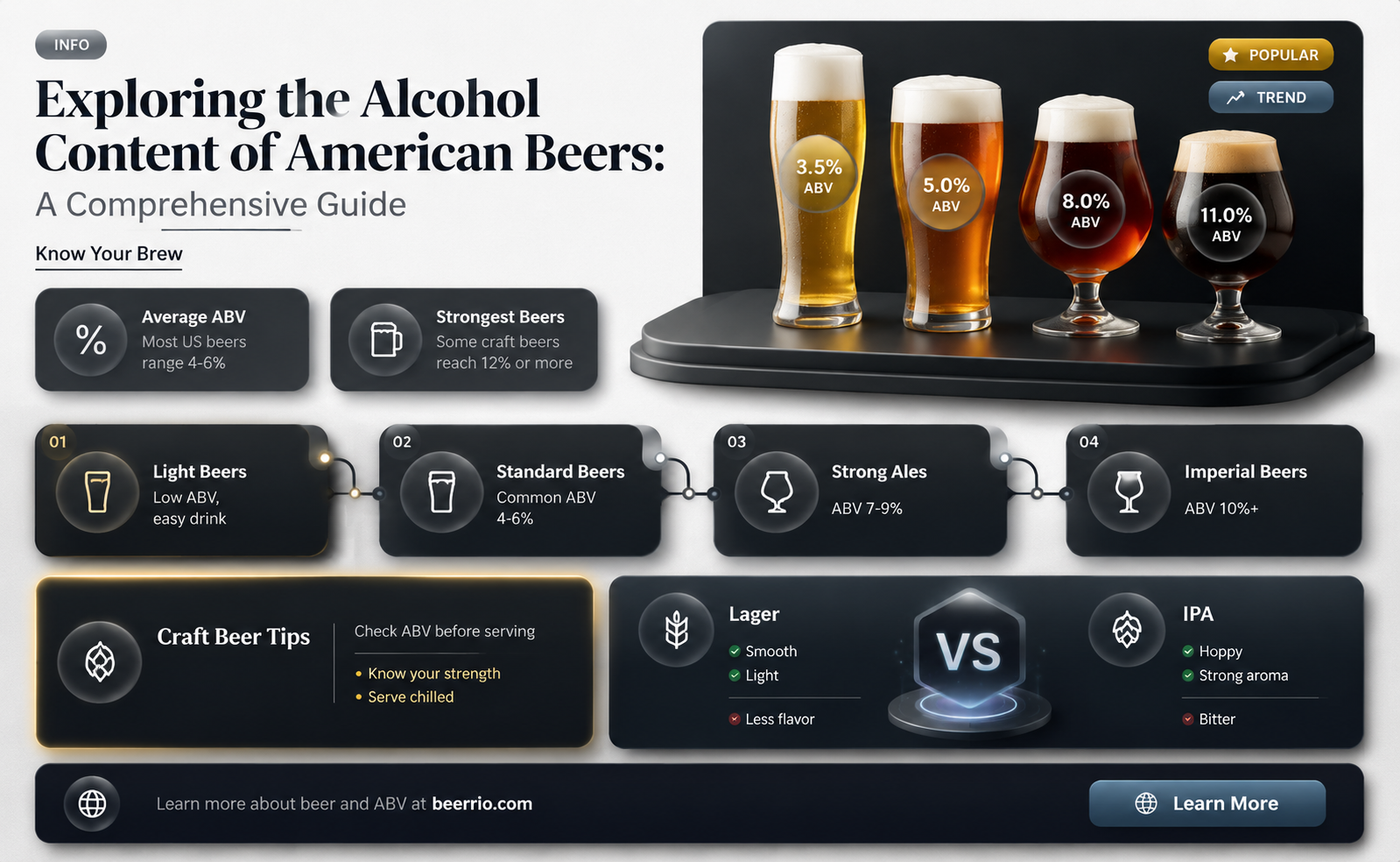
American beer typically has an alcohol by volume (ABV) ranging from 4% to 6%, though this can vary depending on the specific type and brand. Light beers often have a lower ABV, around 4%, while craft beers and some imports can have higher alcohol content, sometimes exceeding 6%. The ABV is a measure of the amount of alcohol present in the beer, and it's an important factor for consumers to consider when choosing a beverage. In the United States, the legal drinking age is 21, and it's essential to consume alcohol responsibly regardless of the beer's alcohol content.
Explore related products



What You'll Learn

Average ABV of American Beers
The average alcohol by volume (ABV) of American beers has been a topic of interest for both consumers and brewers. According to recent data, the typical ABV for American beers ranges from 4.5% to 5.5%. This range is slightly higher than the global average, which tends to hover around 4% to 5%. The variation in ABV can be attributed to the diverse brewing styles and preferences across different regions of the United States.
One notable trend is the increasing popularity of craft beers, which often have higher ABVs compared to mass-produced beers. Craft breweries tend to experiment with different ingredients and brewing techniques, resulting in beers with unique flavors and higher alcohol content. This shift towards craft beers has contributed to the overall increase in the average ABV of American beers.
Another factor influencing the ABV of American beers is the growing demand for session beers. These are beers with lower ABVs, typically around 3% to 4%, designed for extended drinking sessions. The rise of session beers has provided consumers with more options for moderate alcohol consumption, balancing out the higher ABVs of craft beers.
In addition to these trends, the legal and regulatory environment plays a role in shaping the ABV of American beers. Different states have varying laws regarding the maximum allowable ABV for certain types of beers. For example, some states impose higher ABV limits for beers sold in bars and restaurants compared to those sold in retail stores. These regulations can influence the brewing decisions of manufacturers and the availability of higher ABV beers in different markets.
Overall, the average ABV of American beers reflects a dynamic interplay between consumer preferences, brewing trends, and regulatory factors. As the craft beer movement continues to grow and consumer tastes evolve, it is likely that the average ABV of American beers will continue to fluctuate, offering a diverse range of options for beer enthusiasts.
Exploring High-Alcohol Local Beers Available at Sam's Club
You may want to see also
Explore related products


Factors Influencing Alcohol Content
The alcohol content in American beer is influenced by several key factors, each playing a significant role in determining the final product's strength. One primary factor is the type of malt used in the brewing process. Different malts, such as barley, wheat, or rye, have varying levels of fermentable sugars, which directly impact the potential alcohol content. For instance, barley malt typically contains higher levels of fermentable sugars compared to wheat malt, resulting in a higher alcohol content in the finished beer.
Another crucial factor is the yeast strain employed during fermentation. Yeast is responsible for converting the sugars in the malt into alcohol and carbon dioxide. Different yeast strains have varying levels of efficiency and tolerance for alcohol, which can significantly affect the final alcohol content. Some yeast strains are known for producing higher alcohol levels, while others may struggle to ferment beyond a certain point, resulting in a lower alcohol content.
The brewing process itself also plays a role in determining the alcohol content. Factors such as the temperature of fermentation, the duration of the process, and the level of oxygenation can all impact the yeast's activity and the resulting alcohol content. For example, fermenting at higher temperatures can lead to a faster fermentation process but may also result in the production of more fusel alcohols, which can negatively impact the beer's flavor.
Additionally, the use of adjuncts, such as corn or rice, can influence the alcohol content. These adjuncts are often used to dilute the wort and reduce the overall alcohol content, making the beer lighter. This practice is common in the production of many American lagers, which typically have a lower alcohol content compared to other beer styles.
Finally, the specific brewing techniques and technologies used by different breweries can also affect the alcohol content. Some breweries may employ advanced techniques, such as vacuum distillation or reverse osmosis, to remove alcohol from the beer, resulting in a lower alcohol content. Conversely, other breweries may focus on maximizing the alcohol content through techniques such as high-gravity brewing or the use of alcohol-tolerant yeast strains.
In conclusion, the alcohol content in American beer is a complex interplay of various factors, including the type of malt, yeast strain, brewing process, use of adjuncts, and specific brewing techniques. Each of these factors contributes to the final product's strength, making it possible to produce beers with a wide range of alcohol contents to suit different preferences and styles.
Exploring Non-Alcoholic Alternatives: What NA Beer Tastes Like Bud Light?
You may want to see also
Explore related products


![[Pack of 6] Stella Artois Liberté 0.0% Premium NA/Alcohol FREE Larger Beer](https://m.media-amazon.com/images/I/81WHSmB+CcL._AC_UL320_.jpg)

Comparison with Other Countries' Beers
American beer typically has an alcohol by volume (ABV) ranging from 4% to 6%, which is relatively moderate compared to some other countries. For instance, German beers often have an ABV between 4.5% and 5.5%, while Belgian beers can range from 6% to 12% or even higher for certain specialty brews. In contrast, beers from countries like Russia and Poland tend to have a lower ABV, usually around 3% to 4.5%.
One reason for the variation in alcohol content is the brewing traditions and regulations in each country. In Germany, the Reinheitsgebot (Beer Purity Law) dictates that only water, barley, hops, and yeast can be used in brewing, which often results in a more consistent and moderate alcohol content. Belgian beers, on the other hand, have a long history of being brewed by Trappist monks and other artisanal brewers who experiment with different ingredients and brewing techniques, leading to a wider range of ABVs.
Another factor influencing the alcohol content of beer is the taxation and legal restrictions in place. In some countries, higher alcohol content may result in higher taxes or stricter regulations on where and when the beer can be sold. This can incentivize brewers to produce beers with lower ABVs to reduce costs and comply with local laws.
When comparing American beer to other countries' beers, it's also important to consider the serving size and drinking culture. In the United States, a standard serving of beer is typically 12 ounces, while in many European countries, it's common to serve beer in smaller glasses, often around 5-7 ounces. This difference in serving size can impact the overall alcohol consumption, even if the ABV is similar.
In conclusion, while American beer generally has a moderate alcohol content compared to other countries, there are many factors that contribute to the variation in ABVs, including brewing traditions, regulations, taxation, and drinking culture. Understanding these differences can provide a more nuanced appreciation of the diverse world of beer.
Exploring the Alcohol Content in Your Favorite 12 oz Beers
You may want to see also
Explore related products




Legal Limits on Alcohol Percentage
In the United States, the legal limits on alcohol percentage in beer vary by state, but most states have a maximum allowable alcohol by volume (ABV) of 14% for beers sold to the general public. Some states, like California and Oregon, allow beers with up to 15% ABV, while others, like Utah, have a lower limit of 10% ABV. These limits are in place to ensure consumer safety and to regulate the potency of alcoholic beverages available for purchase.
The Alcohol and Tobacco Tax and Trade Bureau (TTB) is the federal agency responsible for regulating the production, labeling, and taxation of alcoholic beverages in the United States. The TTB sets guidelines for the labeling of beer, including the requirement that the ABV be clearly stated on the label. This helps consumers make informed decisions about the strength of the beer they are purchasing.
It's important to note that these legal limits only apply to beers sold to the general public. Brewers are allowed to produce beers with higher alcohol percentages for special events, competitions, or for sale in licensed establishments like bars and restaurants. These higher-alcohol beers are often referred to as "imperial" or "double" versions of standard beer styles and can have ABVs ranging from 15% to 20% or even higher.
The legal limits on alcohol percentage in beer also have implications for homebrewers. While homebrewing is legal in most states, there are often restrictions on the alcohol content of homebrewed beers. Some states require homebrewers to obtain a special permit if they want to produce beers with higher alcohol percentages.
In recent years, there has been a trend towards lower-alcohol beers, often referred to as "session" beers. These beers typically have an ABV of 5% or lower and are designed to be more refreshing and easier to drink in larger quantities. This trend has been driven in part by changing consumer preferences and a growing awareness of the risks associated with excessive alcohol consumption.
Overall, the legal limits on alcohol percentage in beer play an important role in regulating the strength of alcoholic beverages available for purchase and consumption in the United States. These limits help to ensure consumer safety and provide a framework for brewers to operate within.
Exploring the Alcohol Content in Your Favorite Beers
You may want to see also
Explore related products


Popular American Beer Brands and Their ABV
Budweiser, one of America's most iconic beer brands, typically has an ABV of around 5%. This lager is known for its crisp, refreshing taste and is a staple at many social gatherings and sporting events. Another popular brand, Coors Light, has a slightly lower ABV of about 4.2%, making it a lighter option for those looking to enjoy a beer without a strong alcohol presence.
For those who prefer a stronger brew, Samuel Adams offers a variety of options with higher ABVs. Their flagship Boston Lager has an ABV of around 4.8%, while their Imperial White is a more robust option with an ABV of about 5.9%. These beers are known for their rich flavors and are often enjoyed by craft beer enthusiasts.
Miller Lite is another light beer option with an ABV of approximately 4.2%, similar to Coors Light. It's a popular choice for those looking for a lower-calorie, lower-alcohol beer without sacrificing taste. On the other end of the spectrum, brands like Goose Island and Lagunitas offer IPAs with ABVs ranging from 5.5% to 7%, catering to those who enjoy a hoppier, more intense beer experience.
When it comes to American beer, the ABV can vary significantly depending on the style and brand. From light lagers to robust IPAs, there's a wide range of options to suit different tastes and preferences. It's always important to drink responsibly and be aware of the alcohol content in any beverage you consume.
Exploring Zero-Alcohol Non-Alcoholic Beers: A Comprehensive Guide
You may want to see also
Frequently asked questions
The average alcohol by volume (ABV) in American beers typically ranges from 4% to 6%.
Yes, certain styles like American IPAs (India Pale Ales) and some craft beers can have higher ABVs, often ranging from 6% to 8% or more.
American beers generally have a moderate alcohol content. In comparison, European beers can range widely, with some German lagers having lower ABVs around 3%, while Belgian ales can be much higher, up to 10% or more.
The alcohol content in beer is influenced by several factors including the type and amount of malt used, the brewing process, the yeast strain, and the desired style of the beer. Brewers can adjust these elements to achieve the specific ABV they aim for in their product.





![Orchard Hill [Pack of 12] Budweiser Full Flavored Zero Alcohol Brew, 0.00 ALC, NA Non-Alcoholic Beer, 50 Cal, Zero Sugar, Cans, 12 Fl Oz (Pack of 12)](https://m.media-amazon.com/images/I/81HEjZZVTMS._AC_UL320_.jpg)