Oisin Foster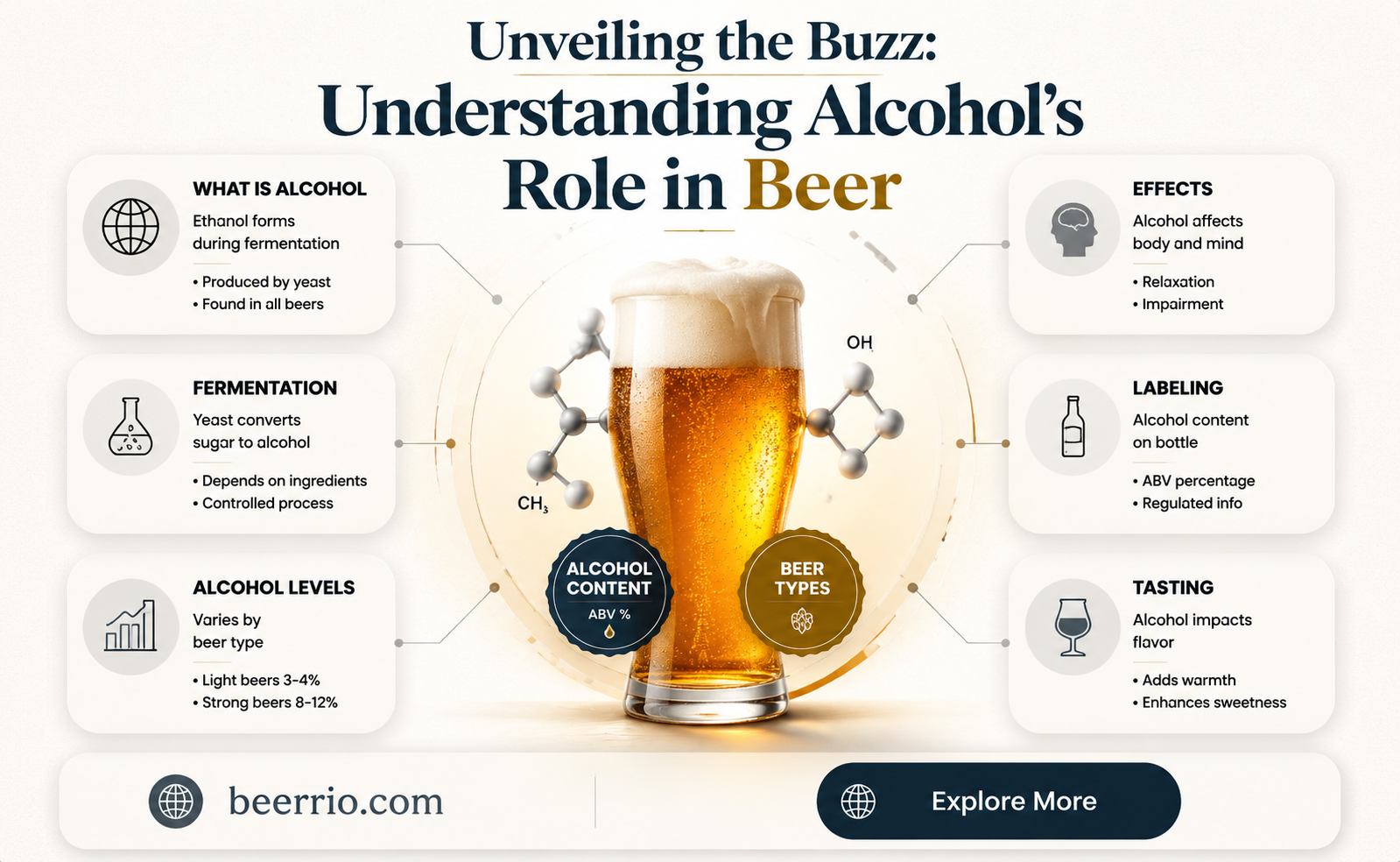
Alcohol is a fundamental component of beer, typically accounting for around 4-6% of its volume, though this can vary depending on the type of beer. It is produced through the fermentation process, where yeast converts the sugars in the malt into alcohol and carbon dioxide. The alcohol content in beer is measured in alcohol by volume (ABV), which indicates the percentage of alcohol present. Understanding the alcohol content in beer is important for consumers to make informed choices about their consumption and to be aware of the potential effects of alcohol on the body.
Explore related products


What You'll Learn
- Fermentation Process: Alcohol in beer is produced through the fermentation of sugars by yeast
- Types of Alcohol: Beer contains ethanol, the same type of alcohol found in wine and spirits
- Alcohol by Volume (ABV): The percentage of alcohol in beer varies, typically ranging from 4% to 6% ABV
- Effects of Alcohol: Consuming beer can lead to intoxication, affecting judgment, coordination, and mood
- Responsible Drinking: It's important to consume beer in moderation to avoid negative health effects and impaired driving

Fermentation Process: Alcohol in beer is produced through the fermentation of sugars by yeast
The fermentation process is a critical component in beer production, where yeast plays a pivotal role in converting sugars into alcohol. This biochemical reaction is not only responsible for the alcoholic content of beer but also contributes to its flavor, aroma, and overall quality. The process begins with the mashing of grains, which releases fermentable sugars. These sugars are then transferred to a fermentation vessel where yeast is added. The yeast consumes the sugars, producing alcohol and carbon dioxide as byproducts.
Several factors influence the fermentation process, including temperature, yeast strain, and the initial sugar concentration. The temperature must be carefully controlled to ensure optimal yeast activity and to prevent the production of undesirable flavors. Different yeast strains can impart unique characteristics to the beer, such as fruity or spicy notes. The initial sugar concentration affects the potential alcohol content, with higher sugar levels generally resulting in stronger beers.
During fermentation, the yeast undergoes several phases. Initially, there is a lag phase where the yeast adapts to the new environment. This is followed by the exponential growth phase, where the yeast rapidly multiplies and consumes sugars. As the sugar levels decrease, the yeast enters the stationary phase, where it focuses on producing secondary metabolites that contribute to the beer's complexity. Finally, the yeast enters the death phase, where it dies off and settles at the bottom of the fermentation vessel.
The duration of the fermentation process varies depending on the type of beer being produced. Ales typically ferment for a shorter period, around 7-14 days, while lagers undergo a longer fermentation, often lasting several weeks. After fermentation, the beer is conditioned, which allows the flavors to mature and the yeast to settle. The final product is then filtered, packaged, and ready for consumption.
In summary, the fermentation process is a complex and crucial step in beer production, where yeast converts sugars into alcohol, thereby determining the beer's strength and character. By carefully controlling the fermentation conditions and selecting the appropriate yeast strain, brewers can create a wide range of beer styles, each with its unique flavor profile and alcohol content.
Sipping Smart: The Lowest-Calorie Non-Alcoholic Beers Revealed
You may want to see also
Explore related products



Types of Alcohol: Beer contains ethanol, the same type of alcohol found in wine and spirits
Ethanol, commonly known as ethyl alcohol, is the primary type of alcohol found in beer, wine, and spirits. It is produced through the fermentation process, where yeast converts sugars in grains, fruits, or vegetables into alcohol and carbon dioxide. In beer, ethanol is typically present in concentrations ranging from 4% to 6% by volume, although this can vary depending on the type and brewing process.
The ethanol in beer is responsible for its intoxicating effects. When consumed, ethanol is absorbed into the bloodstream and travels to the brain, where it affects neurotransmitters and impairs cognitive and motor functions. The rate at which ethanol is absorbed and metabolized can be influenced by factors such as the individual's weight, metabolism, and the presence of food in the stomach.
Different types of beer can have varying ethanol contents. For example, light beers usually have a lower alcohol by volume (ABV) compared to regular beers, while craft beers and ales can have higher ABV levels. Additionally, some beers, like non-alcoholic beers, have very low or no ethanol content, making them a popular choice for those who wish to avoid alcohol consumption.
Understanding the ethanol content in beer is crucial for responsible drinking. It allows individuals to gauge their alcohol intake and make informed decisions about consumption. Moreover, being aware of the ethanol levels in different types of beer can help in choosing options that align with personal preferences and health considerations.
Understanding Alcohol Content in Beer: A Comprehensive Guide
You may want to see also
Explore related products




Alcohol by Volume (ABV): The percentage of alcohol in beer varies, typically ranging from 4% to 6% ABV
The Alcohol by Volume (ABV) in beer is a critical measure that indicates the percentage of alcohol present in the beverage. Typically, beers have an ABV ranging from 4% to 6%, but this can vary significantly depending on the type and brewing process. For instance, light lagers and pilsners often have a lower ABV, around 4% to 5%, making them a popular choice for those looking for a milder alcoholic beverage. On the other hand, craft beers, such as IPAs and stouts, can have a higher ABV, sometimes reaching up to 10% or more, offering a stronger and more robust flavor profile.
Understanding ABV is essential for consumers who want to monitor their alcohol intake. It allows them to make informed decisions about how much beer they can consume responsibly. For example, a standard drink in many countries is defined as containing about 14 grams of pure alcohol, which is roughly equivalent to a 12-ounce beer with a 5% ABV. However, with the increasing popularity of craft beers with higher ABVs, it's crucial to be aware that a single serving of these beers may contain more alcohol than a standard drink.
The brewing process plays a significant role in determining the ABV of beer. Factors such as the type of yeast used, the fermentation temperature, and the amount of sugar present in the wort (the liquid extracted from the mashing process) all influence the final alcohol content. Brewers can control these variables to achieve the desired ABV for their beer. For instance, using a yeast strain that ferments more efficiently can result in a higher ABV, while a lower fermentation temperature can lead to a cleaner, crisper taste with a lower alcohol content.
In addition to its impact on taste and strength, ABV also affects the shelf life and storage requirements of beer. Beers with higher ABVs tend to have a longer shelf life due to the preservative effects of alcohol. However, they may also be more sensitive to temperature fluctuations and light exposure, which can degrade the flavor over time. Therefore, it's essential to store high-ABV beers in a cool, dark place to maintain their quality.
In conclusion, the ABV of beer is a vital aspect that influences its taste, strength, and consumption guidelines. By understanding the factors that contribute to ABV and how it affects the beer's characteristics, consumers can make more informed choices about their beverage preferences and enjoy beer responsibly.
Exploring Light Beers: Which Brews Offer the Lowest Alcohol Content?
You may want to see also
Explore related products


Effects of Alcohol: Consuming beer can lead to intoxication, affecting judgment, coordination, and mood
Alcohol, specifically ethanol, is the primary intoxicating component found in beer. When consumed, ethanol affects various parts of the brain, leading to a range of physiological and psychological effects. One of the most immediate impacts is on judgment and coordination. Ethanol impairs the brain's ability to process information quickly and accurately, which can lead to poor decision-making and a lack of coordination. This is why it's often observed that intoxicated individuals may stumble, slur their speech, or engage in risky behaviors they might not consider when sober.
Mood is another significant aspect influenced by alcohol consumption. Ethanol can act as a depressant, slowing down brain activity and potentially leading to feelings of relaxation or euphoria. However, this effect can be short-lived, and as the body metabolizes the alcohol, mood swings and irritability can occur. Long-term effects of regular alcohol consumption on mood can include increased anxiety and depression, as the brain adapts to the presence of ethanol and its absence can lead to withdrawal symptoms.
Intoxication levels can vary greatly depending on factors such as body weight, metabolism, and the amount and speed of alcohol consumption. Generally, the effects of alcohol can be felt within 10-15 minutes of consumption and peak around 30-60 minutes. The duration of these effects can last several hours, depending on the individual's blood alcohol concentration (BAC). It's important to note that even small amounts of alcohol can have significant effects, and it's crucial to consume alcohol responsibly and be aware of one's limits.
In terms of practical tips, it's advisable to eat before and while drinking alcohol, as food can help slow the absorption of ethanol into the bloodstream, reducing the peak BAC and the severity of intoxication. Staying hydrated by drinking water alongside alcoholic beverages can also help mitigate some of the negative effects of alcohol, such as dehydration and hangovers. Additionally, it's essential to avoid drinking and driving, as alcohol significantly impairs reaction times and the ability to operate vehicles safely.
In conclusion, understanding the effects of alcohol, particularly in the context of beer consumption, is crucial for making informed decisions about drinking habits. By recognizing how ethanol impacts judgment, coordination, and mood, individuals can take steps to consume alcohol responsibly and minimize potential risks and negative consequences.
Exploring Non-Alcoholic Beer Options Aboard the Norwegian Gem
You may want to see also
Explore related products




Responsible Drinking: It's important to consume beer in moderation to avoid negative health effects and impaired driving
Alcohol is the primary psychoactive component in beer, responsible for its intoxicating effects. Understanding what part of beer is alcohol is crucial for making informed decisions about consumption. Beer typically contains between 4% and 6% alcohol by volume (ABV), though this can vary significantly depending on the type and brewing process. For instance, light beers may have as low as 3% ABV, while craft beers and ales can range from 6% to 12% or even higher.
Responsible drinking is paramount to avoid the negative health effects associated with excessive alcohol consumption. The liver is particularly vulnerable to alcohol-related damage, as it is responsible for metabolizing alcohol. Over time, heavy drinking can lead to conditions such as fatty liver disease, alcoholic hepatitis, and cirrhosis. Additionally, alcohol can impair cognitive functions, increase the risk of certain cancers, and contribute to mental health issues.
One of the most critical aspects of responsible drinking is understanding how alcohol affects driving ability. Even small amounts of alcohol can impair reaction times, judgment, and coordination, significantly increasing the risk of accidents. In many countries, the legal blood alcohol concentration (BAC) limit for driving is 0.08%. However, impairment can begin at much lower levels, as little as 0.02% BAC. It is essential to plan ahead when consuming alcohol, ensuring that alternative transportation methods are available, such as public transit, taxis, or designated drivers.
To drink responsibly, it is important to be aware of serving sizes and to pace oneself. A standard drink is typically defined as 12 ounces of beer with 5% ABV. However, many beers come in larger sizes or have higher alcohol content, which can make it easy to consume more alcohol than intended. Keeping track of intake, alternating alcoholic drinks with non-alcoholic ones, and eating before and while drinking can help mitigate the effects of alcohol.
In conclusion, responsible drinking involves understanding the alcohol content of beer, being aware of the potential health risks, and taking precautions to avoid impaired driving. By consuming beer in moderation and planning ahead, individuals can enjoy the social and cultural aspects of beer without compromising their health or safety.
Exploring the Alcohol Content in Your Favorite Beers
You may want to see also
Frequently asked questions
The alcohol in beer is primarily found in the liquid portion, which is the result of the fermentation process where yeast converts sugars into alcohol and carbon dioxide.
Alcohol is created in beer through the process of fermentation. During fermentation, yeast consumes the sugars present in the wort (unfermented beer) and produces alcohol and carbon dioxide as byproducts.
Yes, the alcohol content in beer can vary significantly depending on the type of beer and the brewing process. Different styles of beer, such as lagers, ales, stouts, and IPAs, typically have different alcohol by volume (ABV) percentages. Additionally, the specific recipe and brewing techniques used by the brewer can influence the final alcohol content.