Beatrix Montes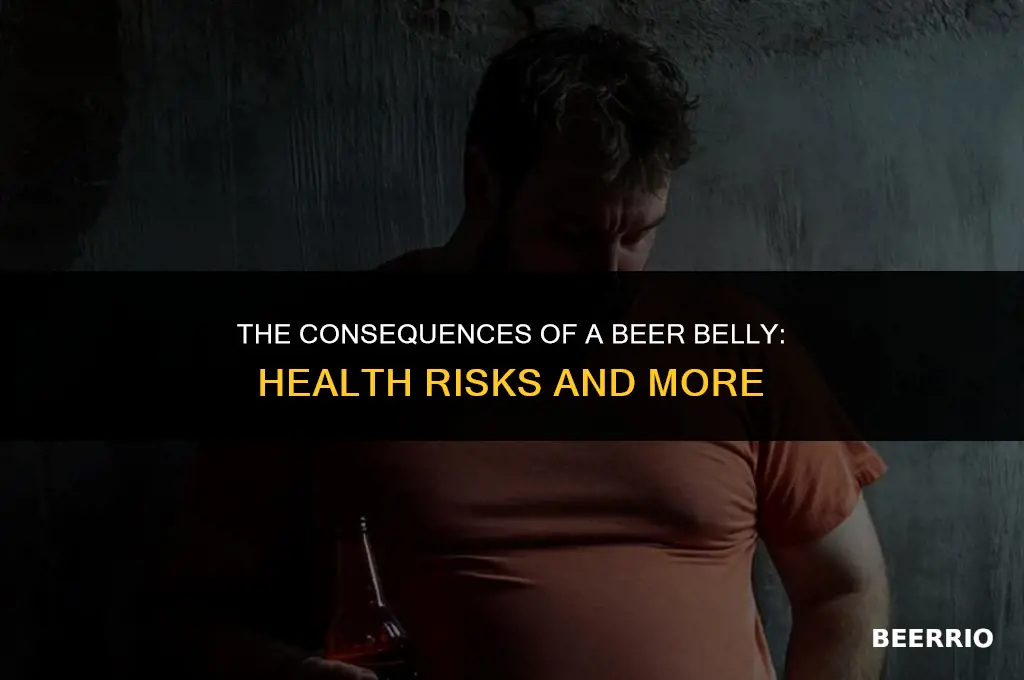
A beer belly, medically referred to as central obesity, is a common concern for many individuals who enjoy regular beer consumption. It's characterized by the accumulation of excess fat around the abdominal area, giving the appearance of a protruding belly. This condition can arise from a combination of factors including high caloric intake from beer, poor diet, and lack of physical activity. Beyond its impact on physical appearance, a beer belly can have significant health implications. It's associated with an increased risk of developing chronic conditions such as type 2 diabetes, cardiovascular diseases, and certain types of cancer. Additionally, it can lead to reduced liver function, sleep apnea, and joint problems. Understanding the causes and consequences of a beer belly is crucial for those looking to maintain a healthy lifestyle while still enjoying their favorite beverages in moderation.
Explore related products


What You'll Learn
- Health Risks: Increased risk of heart disease, diabetes, and certain cancers due to excess abdominal fat
- Physical Appearance: Changes in body shape, potentially leading to self-esteem and confidence issues
- Digestive Issues: Higher likelihood of experiencing indigestion, bloating, and other gastrointestinal problems
- Liver Problems: Excessive alcohol consumption can lead to liver damage, including fatty liver disease
- Impact on Fitness: Reduced physical performance and endurance, making exercise and daily activities more challenging

Health Risks: Increased risk of heart disease, diabetes, and certain cancers due to excess abdominal fat
Excess abdominal fat, commonly referred to as a "beer belly," is not just a cosmetic concern but a significant health risk. One of the most pressing dangers associated with this type of fat accumulation is the increased risk of heart disease. Visceral fat, which is the type of fat that builds up in the abdominal cavity, can produce harmful substances that affect blood pressure, cholesterol levels, and insulin sensitivity, all of which are critical factors in heart health. Studies have shown that individuals with larger waist circumferences are more likely to suffer from heart attacks, strokes, and other cardiovascular issues.
In addition to heart disease, a beer belly can also significantly elevate the risk of developing type 2 diabetes. The visceral fat in the abdomen is particularly adept at producing cytokines and other inflammatory substances that can interfere with the body's ability to process insulin, leading to insulin resistance and eventually diabetes. Research indicates that even modest reductions in abdominal fat can lead to substantial improvements in insulin sensitivity and a lower risk of developing diabetes.
Furthermore, excess abdominal fat has been linked to an increased risk of certain types of cancer. The inflammatory substances produced by visceral fat can create an environment that promotes the growth and spread of cancer cells. Specifically, studies have found associations between abdominal fat and higher risks of colorectal, breast, and pancreatic cancers. The exact mechanisms are still under investigation, but the evidence suggests that reducing abdominal fat could be an important strategy in cancer prevention.
It is crucial to note that the health risks associated with a beer belly are not inevitable. Lifestyle modifications, such as adopting a balanced diet and engaging in regular physical activity, can help reduce abdominal fat and mitigate these risks. Even small changes can have a significant impact on overall health, underscoring the importance of addressing this issue proactively.
Paws and Reflect: The Surprising Effects of Beer on Dogs
You may want to see also
Explore related products



Physical Appearance: Changes in body shape, potentially leading to self-esteem and confidence issues
The development of a beer belly can significantly alter an individual's body shape, often leading to a protruding abdomen and a more rounded overall silhouette. These changes can be particularly noticeable when compared to previous body shapes, potentially causing discomfort and self-consciousness. As the body adapts to the increased caloric intake and decreased physical activity often associated with excessive beer consumption, the distribution of fat can shift, resulting in a more pronounced midsection.
One of the primary concerns related to these physical changes is the impact on self-esteem and confidence. Individuals may feel more self-conscious about their appearance, leading to a decrease in self-esteem. This can manifest in various ways, such as avoiding certain clothing items, feeling uncomfortable in social situations, or even withdrawing from activities that were once enjoyable. The psychological effects of these changes can be profound, affecting not only personal relationships but also professional interactions and overall quality of life.
Moreover, the physical alterations associated with a beer belly can have broader implications for health and well-being. The increased fat mass can contribute to a range of health issues, including cardiovascular disease, diabetes, and certain types of cancer. These risks underscore the importance of addressing the underlying causes of a beer belly, such as poor diet and lack of exercise, to mitigate both the physical and psychological consequences.
In terms of practical advice, individuals looking to address the physical appearance changes associated with a beer belly should focus on a combination of dietary modifications and regular exercise. This might include reducing caloric intake, increasing the consumption of fruits, vegetables, and lean proteins, and engaging in activities such as cardiovascular exercise and strength training. Seeking support from healthcare professionals or fitness experts can also be beneficial in developing a personalized plan to achieve a healthier body shape and improve overall well-being.
Ultimately, the physical appearance changes resulting from a beer belly can have significant implications for an individual's self-esteem, confidence, and overall health. By understanding these potential consequences and taking proactive steps to address them, individuals can work towards achieving a more balanced and healthy lifestyle.
The Chill Cycle: What Happens When Beer Gets Warm Then Cold Again
You may want to see also
Explore related products



Digestive Issues: Higher likelihood of experiencing indigestion, bloating, and other gastrointestinal problems
Excessive alcohol consumption, particularly beer, can lead to a range of digestive issues. One of the primary concerns is the increased likelihood of experiencing indigestion, bloating, and other gastrointestinal problems. This is due to the fact that alcohol can irritate the stomach lining, leading to inflammation and discomfort. Additionally, beer is often high in carbohydrates and calories, which can contribute to weight gain and put additional pressure on the digestive system.
Indigestion, also known as dyspepsia, is a common symptom of alcohol-related digestive issues. It can manifest as a feeling of fullness or bloating in the upper abdomen, often accompanied by nausea, belching, and heartburn. In some cases, indigestion can be severe enough to interfere with daily activities and may even lead to complications such as ulcers or gastritis.
Bloating is another frequent complaint among those who consume excessive amounts of beer. This is because alcohol can disrupt the balance of gut bacteria, leading to an overgrowth of harmful microorganisms that produce gas. The resulting bloating can be uncomfortable and may even cause abdominal pain. Furthermore, the high calorie content of beer can contribute to weight gain, particularly around the midsection, which can exacerbate bloating and other digestive issues.
Other gastrointestinal problems associated with a beer belly include acid reflux, diarrhea, and constipation. Acid reflux occurs when the lower esophageal sphincter is weakened, allowing stomach acid to flow back into the esophagus and causing heartburn. Diarrhea and constipation can result from the disruption of normal bowel movements due to alcohol's impact on the digestive system.
To mitigate these digestive issues, it is essential to moderate alcohol consumption and maintain a balanced diet. Reducing the intake of high-calorie, high-carbohydrate foods and beverages can help alleviate pressure on the digestive system and promote better gut health. Additionally, incorporating probiotics and fiber-rich foods into the diet can help restore the balance of gut bacteria and improve overall digestive function.
Freshen Up: Effective Ways to Eliminate Beer Breath Quickly
You may want to see also
Explore related products


Liver Problems: Excessive alcohol consumption can lead to liver damage, including fatty liver disease
Excessive alcohol consumption is a significant risk factor for developing liver problems, including fatty liver disease. When the liver processes alcohol, it produces a toxic substance called acetaldehyde, which can damage liver cells and lead to inflammation. Over time, this can result in the accumulation of fat in the liver, a condition known as fatty liver disease.
Fatty liver disease is often asymptomatic in its early stages, but as it progresses, it can lead to more serious conditions such as cirrhosis, liver cancer, and liver failure. The liver is a vital organ responsible for detoxifying the body, producing bile, and storing nutrients, so any damage to it can have far-reaching consequences.
One of the most effective ways to prevent liver damage from excessive alcohol consumption is to reduce or eliminate alcohol intake. This can be challenging for some individuals, but there are resources available such as support groups, counseling, and medication to help with alcohol addiction.
In addition to reducing alcohol intake, maintaining a healthy diet and lifestyle can also help support liver health. Eating a diet rich in fruits, vegetables, whole grains, and lean proteins can provide the liver with the nutrients it needs to function properly. Regular exercise can also help reduce the risk of developing fatty liver disease by improving insulin sensitivity and reducing inflammation.
It's important to note that liver damage from excessive alcohol consumption is not always reversible. In some cases, the damage may be permanent, and the individual may need to manage their condition with medication and lifestyle changes. However, by taking steps to reduce alcohol intake and improve overall health, individuals can reduce their risk of developing serious liver problems.
Exploring Sobriety: Beer vs. Shots - Which Packs a Stronger Punch?
You may want to see also
Explore related products




Impact on Fitness: Reduced physical performance and endurance, making exercise and daily activities more challenging
The accumulation of visceral fat, commonly referred to as a "beer belly," has a profound impact on an individual's fitness levels. This type of fat is not just aesthetically displeasing but also poses significant health risks. One of the primary consequences is a noticeable reduction in physical performance and endurance. This decline is not merely a result of increased body weight but is also due to the specific location of the fat. Visceral fat is stored deep within the abdominal cavity, surrounding vital organs and contributing to metabolic disturbances.
As visceral fat increases, it can lead to insulin resistance, which in turn affects the body's ability to utilize glucose efficiently during physical activity. This results in decreased endurance and a quicker onset of fatigue. Furthermore, the presence of excess visceral fat is associated with a higher risk of developing cardiovascular diseases, which can further impair physical performance. The reduced lung capacity due to the fat accumulation around the diaphragm and chest cavity can also make breathing more difficult during exercise, adding to the overall challenge.
Daily activities that were once performed with ease may become more strenuous. Simple tasks like walking up stairs, carrying groceries, or even maintaining balance can be affected. This decline in functional fitness can have a cascading effect, leading to a sedentary lifestyle and further exacerbating the problem. Moreover, the psychological impact of these physical limitations can contribute to a decrease in overall well-being and self-esteem.
To mitigate these effects, it is crucial to engage in regular physical activity that targets visceral fat reduction. Aerobic exercises, such as running, cycling, or swimming, are particularly effective in burning this type of fat. Additionally, incorporating strength training and high-intensity interval training (HIIT) can help improve insulin sensitivity and boost metabolism. Lifestyle modifications, including a balanced diet low in processed foods and sugars, adequate sleep, and stress management, are also essential components of a comprehensive approach to reducing visceral fat and improving fitness levels.
Freshen Up: Effective Ways to Eliminate Beer Breath Quickly
You may want to see also
Frequently asked questions
A beer belly, also known as a beer gut, is a common term for the accumulation of fat around the abdomen, often associated with excessive beer consumption. It's caused by a combination of factors including high calorie intake from alcoholic beverages, poor diet, and lack of physical activity.
Having a beer belly can increase the risk of several health issues, including type 2 diabetes, heart disease, high blood pressure, and certain types of cancer. It's also associated with metabolic syndrome, a condition that increases the risk of heart disease and diabetes.
To get rid of a beer belly, you'll need to make some lifestyle changes. These include reducing your alcohol intake, eating a balanced diet rich in fruits, vegetables, and whole grains, and engaging in regular physical activity. Losing weight gradually and consistently is key to reducing belly fat.
While there's no single exercise that can target a beer belly exclusively, certain exercises can help strengthen the abdominal muscles and improve overall body composition. These include core exercises like planks, crunches, and leg raises, as well as cardiovascular exercises like running, cycling, or swimming. Combined with a healthy diet and reduced alcohol intake, these exercises can contribute to a flatter, healthier belly.