Beatrix Montes
While hops are a quintessential ingredient in most beers, providing bitterness, aroma, and flavor, there are indeed beers made without them. These hop-free brews often rely on alternative ingredients to achieve their unique taste profiles. For instance, some brewers use spices, herbs, or even fruits to impart bitterness and complexity. Others might employ traditional brewing methods that predated the widespread use of hops, such as gruit ales, which are flavored with a mixture of herbs and spices. Additionally, some modern breweries experiment with innovative techniques and ingredients to create hop-free beers that still offer a satisfying and refreshing drinking experience.
Explore related products



What You'll Learn
- Ingredients: Explore alternative ingredients used in hopless beers, such as spices, fruits, and grains
- Brewing Process: Discover unique brewing techniques employed to create hopless beers, including fermentation methods
- Flavor Profile: Analyze the taste characteristics of hopless beers, focusing on their distinct flavors and aromas
- Popular Brands: Identify well-known breweries that produce hopless beers, highlighting their notable offerings
- Pairing Suggestions: Recommend food pairings that complement the flavors of hopless beers, enhancing the overall experience

Ingredients: Explore alternative ingredients used in hopless beers, such as spices, fruits, and grains
In the realm of hopless beers, brewers have turned to a variety of alternative ingredients to infuse flavor and complexity into their creations. Spices, fruits, and grains are among the most popular substitutes, each bringing its own unique characteristics to the final product. For instance, spices like coriander, cardamom, and cinnamon can add a warm, aromatic profile to the beer, reminiscent of traditional spiced ales. Fruits such as citrus peels, berries, and apples can contribute a refreshing tartness or sweetness, depending on the type and quantity used. Grains like oats, barley, and wheat provide a rich, malty backbone that can enhance the beer's body and mouthfeel.
One notable example of a hopless beer that utilizes alternative ingredients is the Finnish beer called "Sahti." Traditionally made with juniper berries, Sahti is a cloudy, unfiltered beer with a distinctive herbal flavor. The juniper berries not only impart a unique taste but also serve as a natural preservative, allowing the beer to age gracefully. Another example is the Belgian beer "Witbier," which is typically brewed with spices like coriander and orange peel. These ingredients give Witbier its characteristic cloudy appearance and complex, spicy flavor profile.
When exploring alternative ingredients for hopless beers, it's essential to consider the balance of flavors and the overall harmony of the beer. Too much of any one ingredient can overpower the others, resulting in an unbalanced and unpalatable brew. Brewers often experiment with different combinations and ratios of ingredients to find the perfect balance that suits their taste preferences and brewing goals.
In addition to spices, fruits, and grains, some brewers have also experimented with other unconventional ingredients such as tea, coffee, and even insects. These ingredients can add a unique twist to the beer, making it stand out in a crowded market. However, it's crucial to ensure that any alternative ingredients used are safe for consumption and comply with local brewing regulations.
In conclusion, the use of alternative ingredients in hopless beers offers a world of possibilities for creative brewers. By exploring different spices, fruits, grains, and other unconventional ingredients, brewers can craft unique and flavorful beers that appeal to a wide range of palates. Whether it's a traditional Finnish Sahti or a modern, experimental brew, the key to success lies in finding the perfect balance of flavors and ingredients.
Exploring the Rich Flavors of Puerto Rican Craft Beer
You may want to see also
Explore related products

![[Pack of 6] Stella Artois Liberté 0.0% Premium NA/Alcohol FREE Larger Beer](https://m.media-amazon.com/images/I/81WHSmB+CcL._AC_UL320_.jpg)
![Orchard Hill [Pack of 12] Budweiser Full Flavored Zero Alcohol Brew, 0.00 ALC, NA Non-Alcoholic Beer, 50 Cal, Zero Sugar, Cans, 12 Fl Oz (Pack of 12)](https://m.media-amazon.com/images/I/81HEjZZVTMS._AC_UL320_.jpg)


Brewing Process: Discover unique brewing techniques employed to create hopless beers, including fermentation methods
The brewing process for hopless beers involves several unique techniques that differentiate it from traditional beer brewing. One of the primary methods used is spontaneous fermentation, where the beer is left to ferment naturally without the addition of specific yeast strains. This process relies on the presence of wild yeasts and bacteria in the environment, which can impart distinct flavors and aromas to the beer. Spontaneous fermentation is often used in the production of Belgian lambics and other sour beers, which are known for their complex and tart flavor profiles.
Another technique employed in the brewing of hopless beers is the use of alternative bittering agents. Since hops are traditionally used to provide bitterness and balance to beer, brewers of hopless beers must find other ways to achieve this. Some common alternatives include the use of herbs such as rosemary, thyme, or sage, as well as spices like coriander or cardamom. These ingredients can add unique flavors and aromas to the beer while also providing the necessary bitterness to balance the sweetness of the malt.
In addition to spontaneous fermentation and the use of alternative bittering agents, some brewers of hopless beers also experiment with different types of grains and malts. By using a variety of grains, brewers can create complex flavor profiles and achieve different levels of sweetness and body in their beers. For example, the use of rye or wheat can add spicy or fruity notes, while the use of darker malts can contribute to a richer, more robust flavor.
The brewing process for hopless beers often involves a longer fermentation period than traditional beers, as the wild yeasts and bacteria need more time to develop the desired flavors and aromas. This can result in beers that are more sour or funky, with a higher level of complexity. Additionally, the use of alternative bittering agents and different grains can lead to beers that are more experimental and unique in character.
Overall, the brewing process for hopless beers is a creative and innovative approach to beer making that allows brewers to explore new flavors and techniques. By utilizing spontaneous fermentation, alternative bittering agents, and a variety of grains and malts, brewers can create beers that are truly one-of-a-kind and offer a unique drinking experience.
Exploring the Rich Flavors of Wheat Malt Beers: A Guide
You may want to see also
Explore related products



Flavor Profile: Analyze the taste characteristics of hopless beers, focusing on their distinct flavors and aromas
Hopless beers, by definition, lack the characteristic bitterness and aroma that hops impart to traditional brews. This absence creates a unique flavor profile that can be both intriguing and unfamiliar to beer enthusiasts. The taste of hopless beers is often dominated by the malt, which can range from sweet and bready to rich and toasty, depending on the type of malt used and the brewing process.
One of the most distinctive aspects of hopless beers is their aroma. Without the floral, fruity, or piney notes typically provided by hops, these beers can have a more subdued or unconventional scent. Brewers might use alternative ingredients like herbs, spices, or even fruits to infuse the beer with additional aromas. For example, some hopless beers might have a pronounced chamomile or lavender aroma, while others could feature notes of citrus or apple.
The mouthfeel of hopless beers can also be quite different from their hopped counterparts. Since hops contribute to the beer's bitterness, which can help balance the sweetness of the malt, hopless beers might feel heavier or sweeter on the palate. Brewers may use other techniques, such as adding acidity or using specific yeast strains, to create a more balanced mouthfeel.
In terms of specific styles, hopless beers can vary widely. Some might be reminiscent of traditional wheat beers, with a light, refreshing character and subtle fruit notes. Others could be more akin to pale ales or IPAs, but without the hoppy punch. Experimental hopless beers might push the boundaries even further, incorporating unusual ingredients or brewing methods to create entirely new flavor profiles.
When analyzing the flavor characteristics of hopless beers, it's essential to approach them with an open mind. The absence of hops can be both a challenge and an opportunity for brewers, allowing them to explore new territories in beer flavor and aroma. By focusing on the unique aspects of these beers, rather than comparing them directly to hopped varieties, one can fully appreciate the creativity and innovation that goes into crafting hopless brews.
From Grain to Glass: The Barley Beer Connection
You may want to see also
Explore related products

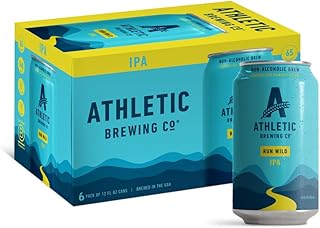


Popular Brands: Identify well-known breweries that produce hopless beers, highlighting their notable offerings
Several well-known breweries have ventured into the realm of hopless beers, offering unique and flavorful alternatives to traditional hopped brews. One such brewery is Dogfish Head, renowned for its innovative approach to beer-making. Their notable offering in the hopless category is the Dogfish Head Blue Hen Pilsner, which relies on a blend of spices and botanicals to impart its distinctive flavor profile.
Another prominent brewery that has explored the world of hopless beers is Sierra Nevada. Their Sierra Nevada Kellerweis is a wheat beer that forgoes hops in favor of a combination of coriander and orange peel, resulting in a refreshing and citrusy brew. This beer is a testament to Sierra Nevada's willingness to experiment with unconventional ingredients and brewing techniques.
In the craft beer scene, Mikkeller is a name that often comes up in discussions about innovative and boundary-pushing brews. Their Mikkeller No Hops All Barley beer is a prime example of this, as it showcases the brewery's ability to create a complex and satisfying beer without the use of hops. Instead, Mikkeller relies on a carefully selected blend of malts to achieve the desired flavor and aroma.
These breweries, among others, have demonstrated that it is possible to create delicious and unique beers without the use of hops. By exploring alternative ingredients and brewing methods, they have expanded the horizons of what beer can be, offering consumers a wider range of choices and experiences.
Exploring Missouri's Craft Beer Scene: A Local's Guide
You may want to see also
Explore related products
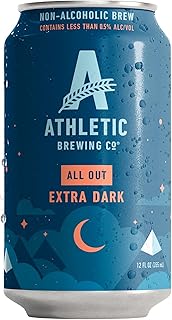


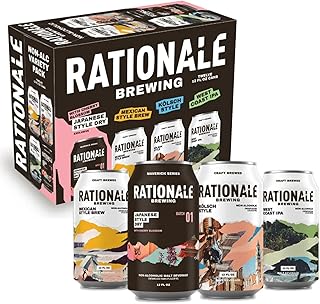

Pairing Suggestions: Recommend food pairings that complement the flavors of hopless beers, enhancing the overall experience
Hopless beers, with their unique flavor profiles, offer a fascinating opportunity for creative food pairings. Unlike traditional beers where hops dominate the taste, hopless varieties allow other ingredients to shine through, presenting a more nuanced and often fruitier or maltier character. This distinct taste makes them ideal for pairing with dishes that might otherwise be overwhelmed by the bitterness of hops.
For instance, a hopless beer with strong malt flavors would pair beautifully with rich, savory dishes such as roasted meats or hearty stews. The maltiness of the beer can complement the depth of flavors in these dishes, creating a harmonious balance. Additionally, the absence of hops means these beers won't clash with spicy foods, making them an excellent choice for pairing with curries or spicy tacos.
On the other hand, hopless beers with fruity notes, often derived from the yeast used in fermentation, can be paired with lighter, more delicate dishes. A beer with banana or clove flavors, for example, would be a delightful match for a fruit salad or a dessert like banana bread. The fruity undertones of the beer can enhance the natural sweetness of the fruit, making for a refreshing and satisfying combination.
When considering cheese pairings, hopless beers can offer a unique alternative to traditional beer and cheese combinations. A mild, malty hopless beer can pair well with creamy cheeses like brie or camembert, while a fruitier variety might complement the tanginess of a goat cheese or the sharpness of a blue cheese.
In conclusion, the versatility of hopless beers in food pairings lies in their ability to offer a range of flavors that can complement a wide variety of dishes. By focusing on the specific characteristics of each hopless beer, one can create pairings that not only enhance the flavors of the food but also elevate the overall dining experience.
Exploring Caribbean Brews: A Guide to the Region's Best Beers
You may want to see also
Frequently asked questions
Beer made without hops is often referred to as "hops-free beer" or "non-hopped beer." These beers use alternative ingredients like herbs, spices, or even fruits to provide bitterness and flavor instead of hops.
Yes, there are a few traditional beer styles that don't use hops or use them very sparingly. One example is "Gruit," a type of beer brewed in Belgium that uses a mixture of herbs and spices for bitterness. Another is "Kvass," a traditional Eastern European beer made from rye bread, which can be brewed without hops.
Hops-free beers can taste quite different from regular beers. Since hops provide bitterness, aroma, and flavor, beers without hops may lack these characteristics. Instead, they might have a more malty, sweet, or herbal taste, depending on the alternative ingredients used.
Hops-free beers are generally less popular than regular beers. Hops are a key ingredient in most beer styles and are widely appreciated for their contributions to beer's flavor and aroma. However, hops-free beers can be a unique and interesting alternative for those looking to try something different or for individuals who may have an allergy or aversion to hops.