Beatrix Montes
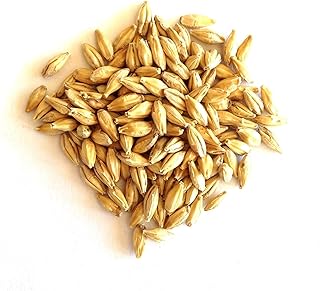
Barley is a fundamental ingredient in the brewing process, serving as the primary source of fermentable sugars that yeast converts into alcohol. Many types of beer are made with barley, including lagers, ales, stouts, and porters. The choice of barley variety and the brewing method can significantly influence the flavor, aroma, and color of the beer. For instance, two-row barley is commonly used for lighter beers like lagers, while six-row barley is often preferred for darker beers such as stouts and porters due to its higher protein content and darker color. Additionally, some beers may use specialty malts made from barley that has been roasted or smoked to add unique flavors. Understanding the role of barley in beer production can enhance one's appreciation for the complexity and craftsmanship involved in brewing.
Explore related products



What You'll Learn

Types of barley used in brewing
Barley is a fundamental ingredient in the brewing process, and its variety can significantly impact the flavor, aroma, and overall character of the beer. There are several types of barley used in brewing, each with unique properties that contribute to the final product. Understanding these varieties is crucial for brewers looking to craft distinctive and high-quality beers.
One of the most common types of barley used in brewing is malted barley. Malting is a process where barley is germinated and then dried, which activates enzymes that convert the starches in the grain into fermentable sugars. This process is essential for creating the sweet wort that yeast ferments into alcohol. Malted barley comes in various forms, including pale malt, which is the most widely used and provides a clean, slightly sweet flavor to the beer. Other types of malted barley include caramel malt, which adds a rich, toasty flavor, and chocolate malt, which contributes a deep, roasted character.
In addition to malted barley, unmalted barley can also be used in brewing. Unmalted barley has not undergone the germination and drying process, so it retains more of its original starch content. This type of barley is often used in combination with malted barley to add body and texture to the beer. Unmalted barley can also be roasted to create a darker, more robust flavor profile.
Another variety of barley used in brewing is barley flakes. Barley flakes are made by rolling unmalted barley into thin flakes, which are then added to the mash. This process helps to increase the surface area of the barley, making it easier for the enzymes to break down the starches. Barley flakes are often used in brewing to add a smooth, creamy texture to the beer.
Barley can also be used in brewing in the form of barley extract. Barley extract is a concentrated form of barley that has been processed to remove the majority of the water content. This extract can be added directly to the wort to provide additional flavor and body to the beer. Barley extract is often used in homebrewing, as it is a convenient and easy-to-use ingredient.
In conclusion, the types of barley used in brewing play a critical role in determining the final flavor and character of the beer. By understanding the different varieties of barley and their unique properties, brewers can craft beers with a wide range of flavors and aromas. Whether it's malted barley, unmalted barley, barley flakes, or barley extract, each type of barley brings something special to the brewing process.
Exploring the Rich Flavors of Scotland's Craft Beer Scene
You may want to see also
Explore related products


Malting process for beer production
The malting process is a critical step in beer production, transforming raw barley into malted barley, which is then used to brew beer. This process involves several key stages: steeping, germination, and kilning. During steeping, barley is soaked in water to increase its moisture content, which activates enzymes that will later break down the starches into fermentable sugars. Germination follows, where the barley sprouts, further developing these enzymes. Finally, kilning dries the barley and stops the germination process, locking in the desired flavor and sugar content.
One of the most important aspects of the malting process is temperature control. The steeping water must be at the correct temperature to ensure proper enzyme activation without damaging the barley. Similarly, during germination, the temperature must be kept within a specific range to promote healthy sprout growth and enzyme development. Kilning temperatures are also crucial, as they determine the final flavor profile of the malt. Too high a temperature can result in a burnt flavor, while too low a temperature may not fully develop the desired characteristics.
The malting process can vary depending on the type of beer being produced. For example, lagers typically use a lower kilning temperature to produce a lighter, crisper flavor, while ales may use a higher temperature to create a more robust, complex taste. Additionally, some brewers may choose to use specialty malts, which have undergone unique processing methods to create distinct flavors and aromas.
Understanding the malting process is essential for brewers, as it directly impacts the quality and characteristics of the final beer product. By carefully controlling each stage of the process, brewers can ensure that their beer has the desired flavor, aroma, and mouthfeel. This knowledge also allows brewers to experiment with different malting techniques and ingredients, leading to the creation of new and innovative beer styles.
Pittsburgh's Craft Beer Scene: A Local's Guide to the Best Brews
You may want to see also
Explore related products


Historical significance of barley in beer
Barley has been a cornerstone ingredient in beer production for thousands of years, with its origins tracing back to ancient civilizations such as Mesopotamia and Egypt. The earliest evidence of barley-based beer dates back to around 3000 BCE in Mesopotamia, where it was considered a staple food and drink. Barley was favored for its ability to germinate quickly and its high sugar content, which made it ideal for fermentation.
In ancient Egypt, barley was not only used for making beer but also held religious significance. It was associated with the god Osiris and was believed to have life-giving properties. The Egyptians even buried barley with their deceased to ensure they had a supply in the afterlife.
The use of barley in beer spread throughout Europe, with each region developing its own unique brewing traditions. In medieval Europe, barley was the primary grain used in beer production, and its cultivation was closely tied to the brewing industry. Monasteries played a significant role in the development of barley-based beers, as monks were among the first to experiment with different brewing techniques and recipes.
During the Industrial Revolution, the demand for beer increased significantly, leading to advancements in barley cultivation and brewing technology. The development of new barley varieties and improved malting processes allowed for the production of lighter, more consistent beers. This period also saw the rise of commercial breweries, which further solidified barley's role as the primary grain in beer production.
Today, barley remains the most widely used grain in beer production, with over 90% of beers worldwide made from barley malt. Its historical significance is evident in the continued use of traditional brewing methods and the reverence for barley in beer culture. From its ancient origins to its modern-day applications, barley has played a crucial role in the evolution of beer and continues to be an essential ingredient in the brewing process.
Exploring South Africa's Craft Beer Scene: A Guide to Local Brews
You may want to see also
Explore related products


Nutritional benefits of barley-based beers
Barley-based beers offer a surprising array of nutritional benefits, making them a healthier choice compared to other types of alcoholic beverages. One of the key advantages is their high fiber content, which can aid in digestion and promote a feeling of fullness. This is particularly beneficial for those looking to manage their weight or improve their overall gut health.
In addition to fiber, barley-based beers are rich in antioxidants, which can help protect the body against oxidative stress and reduce the risk of chronic diseases. These antioxidants include compounds like flavonoids and phenolic acids, which are known for their anti-inflammatory properties. Furthermore, barley is a good source of essential minerals such as magnesium, zinc, and selenium, which play crucial roles in maintaining bone health, immune function, and overall well-being.
Another notable benefit of barley-based beers is their lower glycemic index compared to other grains used in brewing, such as wheat or rice. This means that they are less likely to cause a rapid spike in blood sugar levels, making them a more suitable option for individuals with diabetes or those who are watching their carbohydrate intake.
It's also worth mentioning that barley-based beers often have a lower alcohol content than other types of beer, which can be beneficial for those who are looking to reduce their alcohol consumption. Additionally, the brewing process for barley-based beers typically involves less processing and fewer additives, resulting in a more natural and wholesome product.
In conclusion, barley-based beers not only provide a unique and enjoyable flavor profile but also offer a range of nutritional benefits that make them a healthier choice for those who wish to indulge in a cold brew. From their high fiber content to their antioxidant properties and lower glycemic index, these beers are a great option for health-conscious individuals who still want to enjoy the social and relaxing aspects of drinking beer.
Exploring Pennsylvania's Craft Beer Scene: A Local's Guide
You may want to see also
Explore related products


Popular barley-based beer styles
Barley is a fundamental ingredient in many beer styles, serving as the primary source of fermentable sugars. Among the popular barley-based beer styles are lagers, ales, and stouts. Each of these styles has unique characteristics and brewing processes that highlight the versatility of barley in beer production.
Lagers are one of the most widely consumed beer styles globally. They are typically light to medium-bodied with a clean, crisp finish. The brewing process for lagers involves fermenting the barley at low temperatures, which results in fewer esters and a smoother taste. Pilsners, a type of lager, are known for their golden color and hoppy flavor, while darker lagers like amber lagers have a richer malt profile.
Ales, on the other hand, are brewed at higher temperatures, leading to a more complex flavor profile with fruity and spicy notes. They can range from light and refreshing, like pale ales, to dark and robust, like porters. The higher fermentation temperatures result in more esters, which contribute to the distinctive taste of ales.
Stouts are a type of dark beer that is rich and full-bodied. They are characterized by their deep color and flavors of chocolate, coffee, and caramel. The brewing process for stouts involves roasting the barley to a higher degree, which imparts the dark color and intense flavors. Some stouts, like imperial stouts, are even aged in barrels to add additional complexity.
In conclusion, barley is a versatile ingredient that can be used to create a wide range of beer styles, each with its own unique characteristics and brewing processes. Whether you prefer the clean, crisp taste of a lager, the complex flavors of an ale, or the rich, robust profile of a stout, there is a barley-based beer style to suit every palate.
Exploring Caribbean Brews: A Guide to the Region's Best Beers
You may want to see also
Frequently asked questions
The primary ingredient in most beers is barley. Barley is a grain that provides the fermentable sugars needed for the brewing process.
Barley is used in beer production by first being malted, which involves soaking it in water and allowing it to germinate. This process converts the starches in the barley into fermentable sugars. The malted barley is then roasted to varying degrees to develop different flavors and colors before being mashed and boiled with hops and other ingredients.
Almost all types of beers are made with barley, including lagers, ales, stouts, and IPAs. Barley is a versatile grain that can be used to create a wide range of flavors and styles in beer.
Yes, there are some beers that do not use barley. These are typically gluten-free beers that use alternative grains such as rice, corn, or sorghum. However, barley is still the most common grain used in beer production.
Barley is a beneficial grain for beer production because it is rich in enzymes that help convert starches into fermentable sugars. It also provides a good source of protein, which can help stabilize the beer and improve its mouthfeel. Additionally, barley can be grown in a variety of climates and regions, making it a widely available and cost-effective ingredient for brewers.