Arabella Franco
Wheat beer, a popular and refreshing brew, is primarily made from wheat in addition to barley. This unique combination gives wheat beer its distinctive flavor profile, often characterized by notes of bread, nuts, and fruit. The use of wheat also contributes to the beer's cloudy appearance and smooth, silky texture. Wheat beers come in various styles, including German Hefeweizen, Belgian Witbier, and American Wheat Ale, each with its own regional twist and brewing traditions.
Explore related products


What You'll Learn
- Types of Wheat Beers: Explore varieties like Hefeweizen, Witbier, and American Wheat Beer
- Brewing Process: Understand how wheat is incorporated into the brewing process to create unique flavors
- Flavor Profiles: Discover the typical taste characteristics of wheat beers, such as fruity, spicy, or bready notes
- Popular Brands: Find out which breweries are known for their exceptional wheat beer offerings
- Food Pairings: Learn about the best dishes to pair with wheat beers for an enhanced culinary experience

Types of Wheat Beers: Explore varieties like Hefeweizen, Witbier, and American Wheat Beer
Hefeweizen, a traditional German wheat beer, is known for its cloudy appearance and refreshing taste. Brewed with a significant proportion of wheat, it often features flavors of banana, clove, and citrus. The yeast used in Hefeweizen fermentation contributes to its distinctive spicy and fruity notes. Typically served in a tall, slender glass, this beer is a popular choice for those seeking a light yet flavorful brew.
Witbier, originating from Belgium, is another wheat beer variety that stands out due to its unique blend of spices. Brewed with wheat and barley, Witbier is often infused with coriander, orange peel, and other spices, giving it a complex and aromatic profile. This beer style is usually unfiltered, resulting in a hazy appearance, and is characterized by a crisp, citrusy finish. Witbier is typically served in a tulip-shaped glass to enhance its aromatic qualities.
American Wheat Beer, as the name suggests, is a wheat beer style developed in the United States. It is generally lighter in color and flavor compared to its European counterparts. American Wheat Beers often have a clean, crisp taste with subtle hints of fruit and spice. They are typically filtered, resulting in a clear appearance, and are versatile enough to be enjoyed in various settings. This style of wheat beer is commonly served in a pint glass or a wheat beer glass.
Each of these wheat beer varieties offers a unique tasting experience, influenced by factors such as the brewing process, ingredients, and regional traditions. Whether you prefer the bold flavors of Hefeweizen, the spicy complexity of Witbier, or the light and refreshing taste of American Wheat Beer, there is a wheat beer to suit every palate.
Exploring the Rich Flavors of Philippine-Brewed Beers
You may want to see also
Explore related products




Brewing Process: Understand how wheat is incorporated into the brewing process to create unique flavors
Wheat plays a crucial role in the brewing process, contributing to the unique flavors and characteristics of certain beers. Unlike barley, which is the primary grain used in brewing, wheat imparts a distinct taste and texture that can enhance the overall beer experience. To understand how wheat is incorporated into the brewing process, it's essential to delve into the specifics of grain milling, mashing, and fermentation.
During the milling process, wheat is crushed into smaller particles, which increases the surface area and allows for better extraction of flavors and nutrients. This step is critical, as it sets the stage for the subsequent phases of brewing. The milled wheat is then combined with water and other grains, such as barley, in the mashing process. This mixture, known as the mash, is heated to convert the starches into fermentable sugars. The temperature and duration of the mash are carefully controlled to ensure optimal sugar extraction and to prevent the development of unwanted flavors.
After mashing, the liquid portion of the mash, called the wort, is separated from the solid grains and transferred to the fermentation vessel. Yeast is then added to the wort, and the fermentation process begins. During fermentation, the yeast consumes the sugars in the wort and produces alcohol and carbon dioxide as byproducts. The choice of yeast strain can significantly impact the final flavor profile of the beer, as different strains have unique characteristics and preferences for certain types of sugars.
In wheat beers, the wheat contributes a light, refreshing quality and can impart flavors ranging from subtle and slightly sweet to more pronounced and spicy, depending on the variety of wheat used. Some wheat beers also feature additional ingredients, such as coriander or orange peel, which complement the wheat's natural flavors and add complexity to the beer.
Understanding the brewing process and how wheat is incorporated into it can help beer enthusiasts appreciate the craftsmanship and skill involved in creating their favorite wheat beers. By exploring the nuances of grain selection, milling, mashing, and fermentation, one can gain a deeper understanding of the factors that contribute to the unique flavors and characteristics of wheat-based beers.
Exploring the Craft: New York's Finest Beer Brews
You may want to see also
Explore related products





Flavor Profiles: Discover the typical taste characteristics of wheat beers, such as fruity, spicy, or bready notes
Wheat beers are renowned for their distinctive flavor profiles, which set them apart from other beer styles. The typical taste characteristics of wheat beers can be described as fruity, spicy, and bready, offering a complex and refreshing drinking experience. The fruity notes often come from the fermentation process, where yeast produces esters that give wheat beers their signature banana and clove flavors. These esters are more pronounced in wheat beers due to the higher proportion of wheat malt used in the brewing process.
The spicy notes in wheat beers are also a result of the yeast used during fermentation. Certain yeast strains, such as those used in Belgian-style wheat beers, produce phenolic compounds that contribute to the beer's spicy character. These compounds can impart flavors of clove, nutmeg, and even a hint of smokiness, adding depth and complexity to the beer's overall taste.
Bready notes are another hallmark of wheat beers, derived from the wheat malt itself. Wheat malt contains a higher proportion of proteins and carbohydrates compared to barley malt, which results in a fuller, more rounded mouthfeel and a subtle bread-like flavor. This bready character is often more pronounced in German-style wheat beers, where the wheat malt is the dominant ingredient.
In addition to these primary flavor characteristics, wheat beers can also exhibit a range of secondary flavors, depending on the specific brewing techniques and ingredients used. For example, some wheat beers may have a subtle tartness or acidity, while others may have a more pronounced hop bitterness. The color of wheat beers can also vary, from pale golden to deep amber, each with its own unique flavor profile.
When tasting wheat beers, it's important to pay attention to the balance of flavors and the overall mouthfeel. A well-crafted wheat beer should have a harmonious blend of fruity, spicy, and bready notes, with no single flavor overpowering the others. The mouthfeel should be smooth and refreshing, with a slight creaminess that comes from the wheat malt.
In conclusion, the flavor profiles of wheat beers are a testament to the versatility and complexity of this beer style. Whether you prefer the fruity and spicy notes of a Belgian-style wheat beer or the bready and refreshing character of a German-style wheat beer, there's a wheat beer out there to suit every palate. So next time you're at a bar or brewery, be sure to ask about their wheat beer offerings and discover the unique flavors that this style has to offer.
Lone Star Brews: Exploring Texas' Craft Beer Scene
You may want to see also
Explore related products

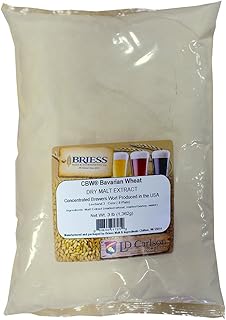

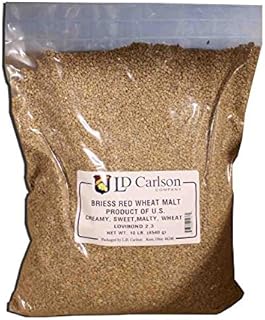


Popular Brands: Find out which breweries are known for their exceptional wheat beer offerings
Wheat beer enthusiasts often seek out breweries that have perfected the art of crafting this unique style. Among the myriad of options, certain brands stand out for their exceptional offerings. One such brewery is Weihenstephaner, a German brewery with a history dating back to 725 AD. Their Hefeweissbier is a classic example of a Bavarian wheat beer, known for its cloudy appearance and refreshing taste.
Another notable brewery is Goose Island, an American craft brewery based in Chicago. Their 312 Urban Wheat Ale is a popular choice among wheat beer aficionados, offering a crisp and slightly fruity flavor profile. For those who prefer a more traditional approach, Belgian brewery Hoegaarden is renowned for its Witbier, a spiced wheat beer that originated in the town of Hoegaarden.
In the realm of craft beer, Brooklyn Brewery's Wheat Beer is a standout option. This New York-based brewery combines traditional German brewing techniques with American innovation to create a wheat beer that is both familiar and unique. Across the Atlantic, UK-based brewery BrewDog offers a modern twist on the style with their Lost Dog wheat beer, which features a blend of citrus and spice notes.
For a truly distinctive wheat beer experience, one might consider trying a sour wheat beer. Jolly Pumpkin Brewery, based in Michigan, is known for their sour and funky beer offerings, including their La Roja Diablo wheat beer. This beer combines the tartness of a sour ale with the smoothness of a wheat beer, creating a complex and intriguing flavor profile.
When exploring the world of wheat beers, it's essential to consider the unique characteristics that each brewery brings to the table. From traditional German styles to innovative American craft beers, there is a wealth of options available for those seeking exceptional wheat beer offerings.
Exploring the Craft: North Carolina's Finest Beer Brews
You may want to see also
Explore related products


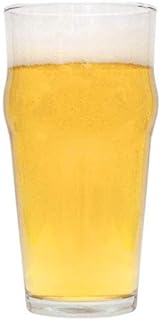
Food Pairings: Learn about the best dishes to pair with wheat beers for an enhanced culinary experience
Wheat beers, with their light and refreshing taste, are perfect for pairing with a variety of dishes. The subtle flavors of wheat beer make it an ideal companion for both light and hearty meals. When it comes to food pairings, the key is to complement the beer's taste without overpowering it. For a truly enhanced culinary experience, consider these top dishes to pair with wheat beers.
Seafood is an excellent choice to pair with wheat beers. The light, crisp taste of the beer complements the delicate flavors of seafood without overpowering them. Try pairing a wheat beer with grilled shrimp skewers or a light fish dish like cod or tilapia. The beer's subtle flavors will enhance the natural taste of the seafood, making for a delicious and refreshing meal.
Another great pairing for wheat beers is poultry. The beer's light and refreshing taste pairs well with the lean flavors of chicken and turkey. Consider pairing a wheat beer with a grilled chicken salad or a roasted turkey breast. The beer's subtle flavors will complement the savory taste of the poultry, creating a well-balanced and satisfying meal.
For a more robust pairing, consider matching a wheat beer with a hearty stew or soup. The beer's light taste will cut through the richness of the dish, creating a perfect balance of flavors. Try pairing a wheat beer with a beef stew or a creamy potato soup. The beer's subtle flavors will enhance the savory taste of the stew or soup, making for a comforting and delicious meal.
When it comes to food pairings, the key is to experiment and find what works best for you. Wheat beers are versatile and can be paired with a wide variety of dishes. Don't be afraid to try new combinations and discover your own perfect pairings. Remember, the goal is to enhance your culinary experience and enjoy the delicious flavors of both the food and the beer.
Exploring the Rich Flavors of Tennessee's Craft Beer Scene
You may want to see also
Frequently asked questions
Wheat beer, also known as Weissbier or Hefeweizen, is made primarily from wheat.
Wheat beer is known for its cloudy appearance, light and refreshing taste, and often has notes of banana and clove due to the yeast used in fermentation.
Unlike other beers that are primarily made from barley, wheat beer uses a significant proportion of wheat in its grain bill, which gives it a unique flavor profile and lighter body.
Some popular brands of wheat beer include Hoegaarden, Blue Moon, and Franziskaner.